
filter_list Showing 4 results for "ben lerner" close Clear
search
dashboard All 10 article culture 4rate_review review 4museum exhibitions 2
date_range Range Today This Week This Month All
Subscribe

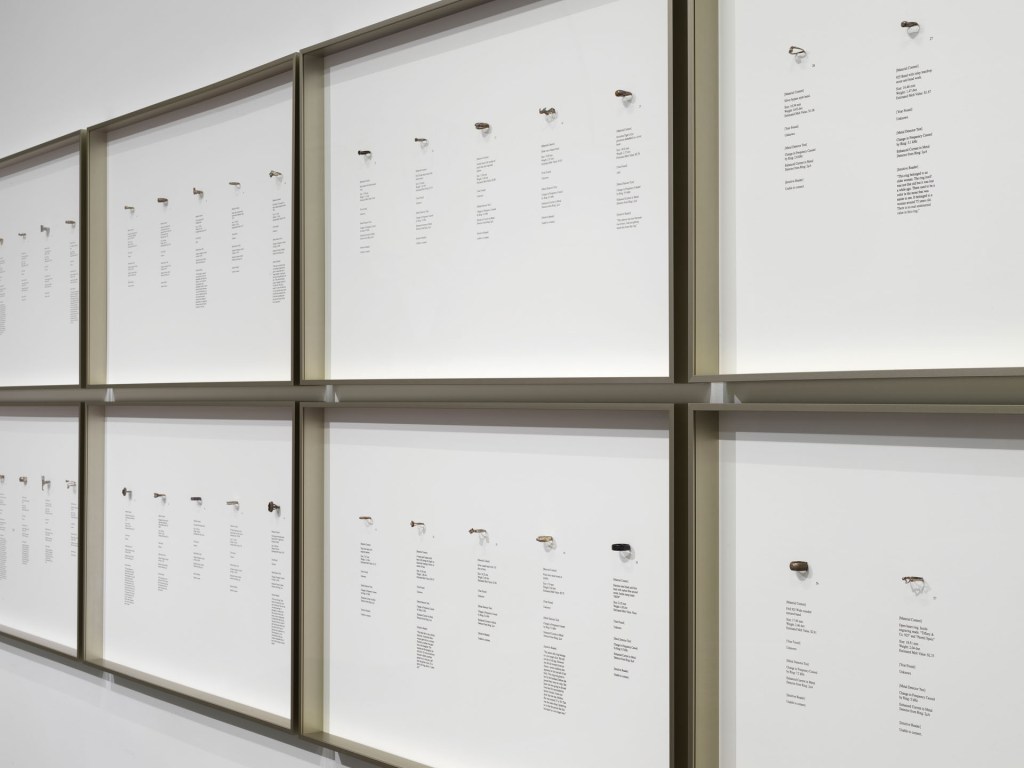
ben lerner transcription artwork rose salane rings

Novelist Ben Lerner reflects on Rose Salane’s installation '60 Detected Rings (1991–2021)' as part of a new series exploring impactful artworks. The piece consists of rings recovered by a metal detectorist over three decades in Atlantic City, which Salane subsequently analyzed through laboratory 'melt value' reports and psychic readings. Lerner describes the work as a profound exercise in 'revaluation,' where discarded objects are transformed into auratic relics through scientific and spiritual inquiry.
5 Art Novels to Read This Summer

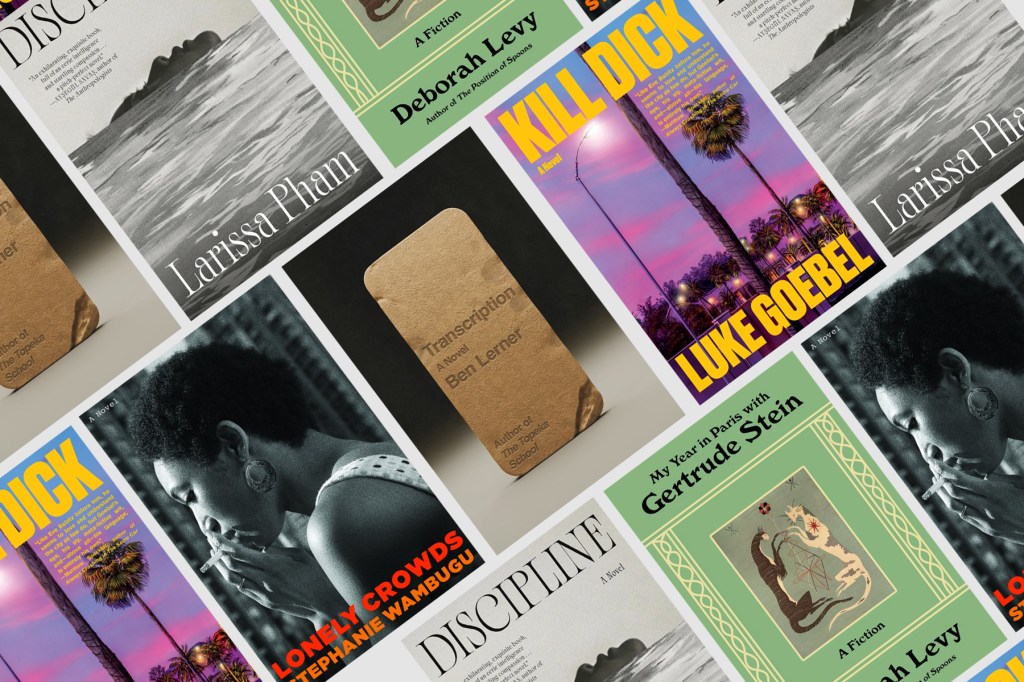
ARTnews has published a list of five art novels to read this summer, all released within the past year. The featured books include Ben Lerner's 'Transcription,' Larissa Pham's 'Discipline,' Deborah Levy's 'My Year in Paris with Gertrude Stein: A Fiction,' Stephanie Wambugu's 'Lonely Crowds,' and Luke Goebel's 'Kill Dick.' Each novel explores how art emerges through relationships—with friends, mentors, parents, lovers, and historical artists—offering a range of perspectives from anxious inner monologues to satirical critiques of the art world.

What Art Can Do

A conversation between German author and filmmaker Alexander Kluge and curator Hans Ulrich Obrist, originally published in 2017, has been republished following Kluge's recent death at age 94. The dialogue explores the unique capacities of different art forms, the need for interdisciplinary collaboration, and the role of art as an "oasis" or "garden" within an overwhelming technological landscape.

Madrid: Hypnotic Laugh Track by Manga Ngcobo

Writer Manga Ngcobo reflects on the architectural and cultural landscape of Madrid in early 2025, juxtaposing the city's historic art institutions with its rapid technological and commercial evolution. Drawing on Ben Lerner’s novel 'Leaving the Atocha Station', the piece explores the growing disconnect between the profound emotional experiences promised by masters like Velázquez and Goya and the reality of a city increasingly designed for content creation, retail aesthetics, and digital consumption.