
filter_list Showing 4 results for "frieze seoul" close Clear
search
dashboard All 82 trending_up market 30museum exhibitions 28article news 8person people 7article culture 4rate_review review 4article policy 1
date_range Range Today This Week This Month All
Subscribe

art basel swimming rhine river

Art Basel in Switzerland has a unique ritual: many attendees swim in the Rhine River, which flows through Basel. Participants use waterproof bags (often the fish-shaped Wickelfisch brand) to store clothes and belongings, then float downstream from the Museum Tinguely past the Trois Rois hotel. The practice is embraced by dealers, advisers, artists, and art handlers alike, with some describing it as a rejuvenating escape from the fair's intensity. However, not everyone is a fan—gallerist David Nolan calls the river "dirty, dangerous, deeply infested with microplastics," and some attendees avoid it due to concerns about pollution or safety.
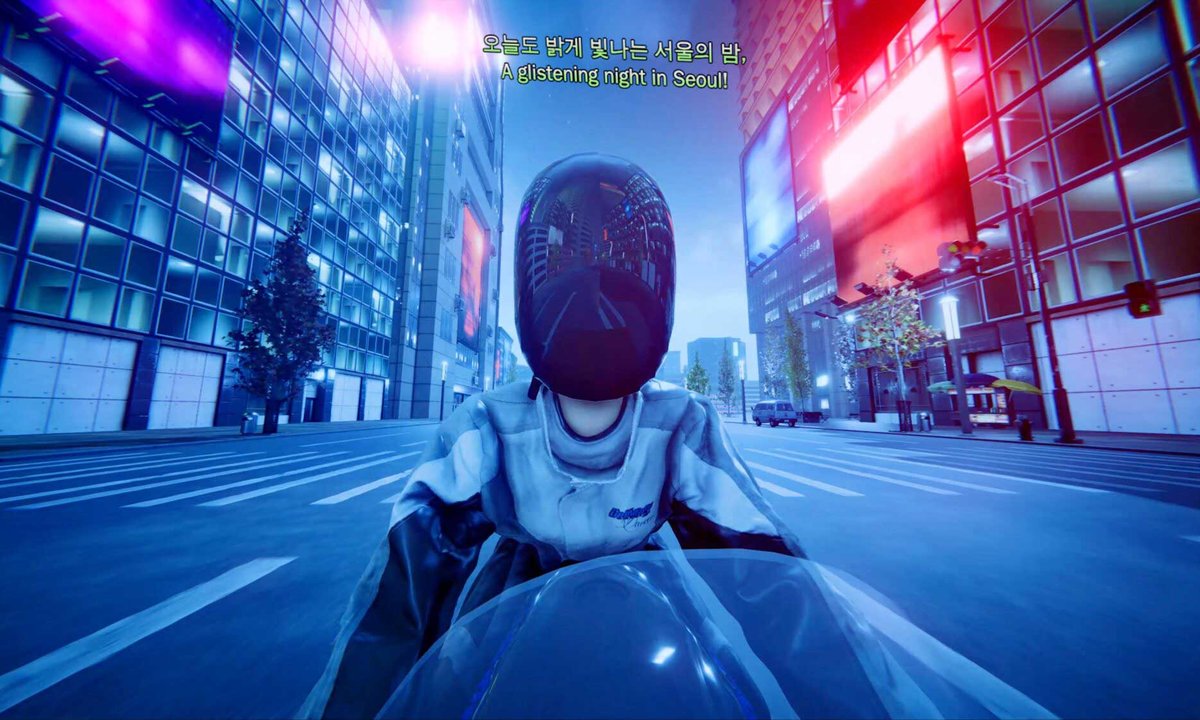
Korean artists are taking the world by storm—but why does their work resonate so widely?

Korean artists are gaining unprecedented global recognition, with figures like Haegue Yang, Do Ho Suh, Lee Bul, and Mire Lee leading a shift from traditional Dansaekhwa abstraction to more conceptual and contemporary practices. The article highlights how K-pop and Korean soap operas have boosted cultural awareness, drawing new audiences to events like Frieze Seoul and prompting major international galleries such as White Cube, Perrotin, and Pace to open in Seoul. Curators and scholars note that Korean art now engages deeply with globalization, historical trauma, and sociopolitical change, facilitated by biennials in Gwangju, Busan, and Seoul, as well as a surge in art institutions.

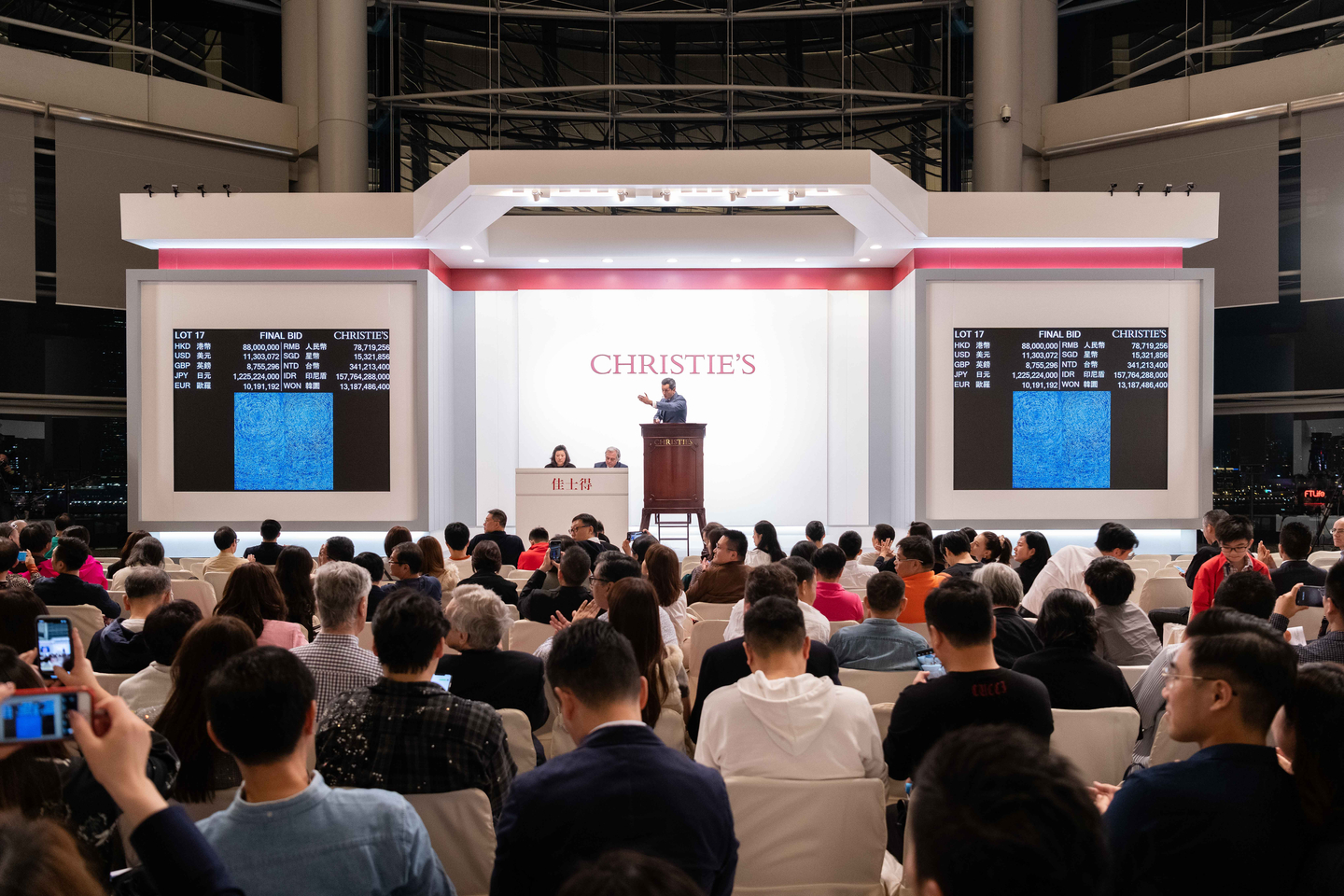
Dansaekhwa has taken over the modern art world. But the story of how that happened is up for debate.

The article examines the global rise of Dansaekhwa, a Korean monochrome painting style that has achieved record auction prices and widespread collector interest over the past decade. It traces key milestones, including two pivotal 2014 exhibitions at Kukje Gallery in Seoul and Blum & Poe in Los Angeles, and the surge in auction prices for artists like Kim Whan-ki, Park Seo-bo, and Chung Sang-hwa, culminating in a $13 million sale in 2019.

Nikita Kadan Questions Whether War Ever Ends

Ukrainian artist Nikita Kadan, in an interview with Frieze, reflects on his practice and the ongoing psychological and physical toll of war, questioning whether conflict ever truly ends. He discusses his recent works, which grapple with the persistent state of war in Ukraine, the transformation of urban spaces, and the collective trauma that outlasts active hostilities.