
filter_list Showing 3 results for "korean artists" close Clear
search
dashboard All 34 museum exhibitions 20person people 5trending_up market 4article culture 3article news 2
date_range Range Today This Week This Month All
Subscribe

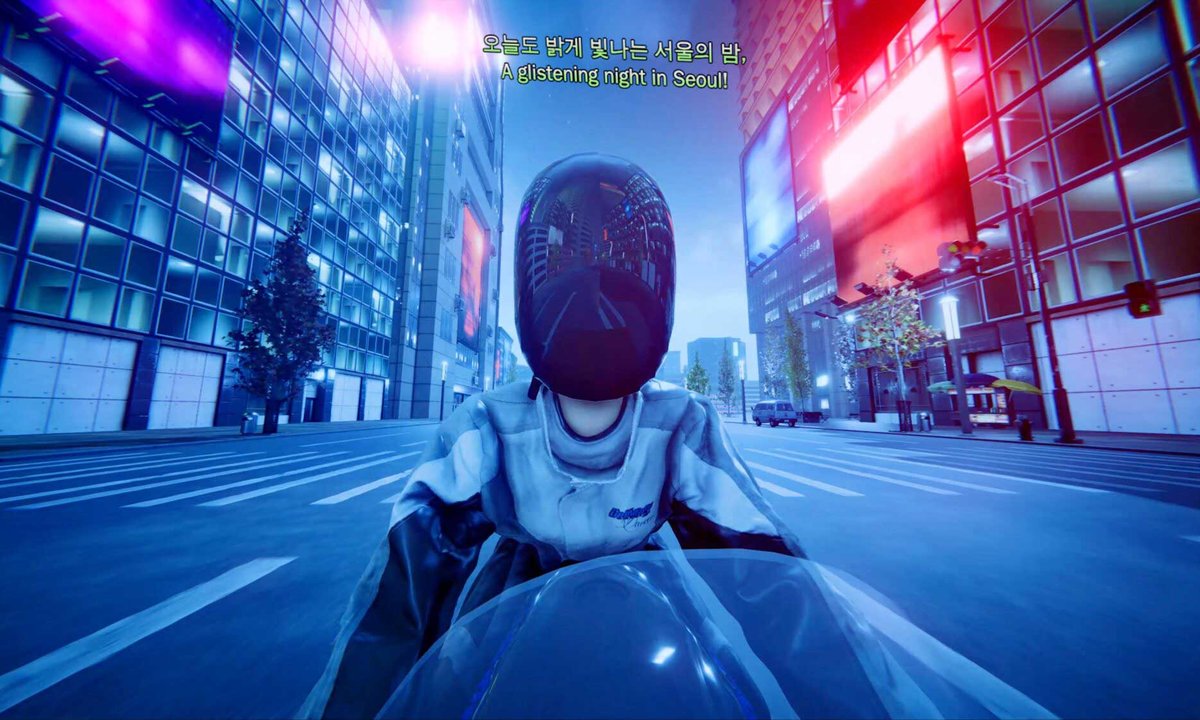
Korean artists are taking the world by storm—but why does their work resonate so widely?

Korean artists are gaining unprecedented global recognition, with figures like Haegue Yang, Do Ho Suh, Lee Bul, and Mire Lee leading a shift from traditional Dansaekhwa abstraction to more conceptual and contemporary practices. The article highlights how K-pop and Korean soap operas have boosted cultural awareness, drawing new audiences to events like Frieze Seoul and prompting major international galleries such as White Cube, Perrotin, and Pace to open in Seoul. Curators and scholars note that Korean art now engages deeply with globalization, historical trauma, and sociopolitical change, facilitated by biennials in Gwangju, Busan, and Seoul, as well as a surge in art institutions.
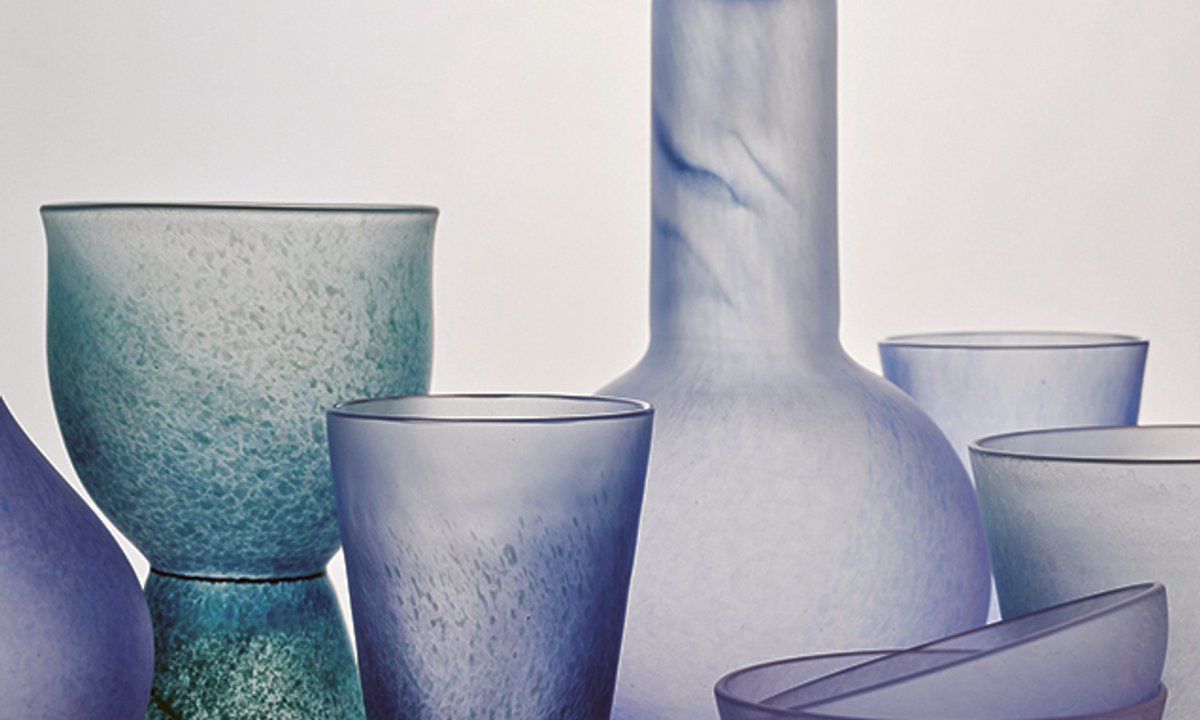
Must-see exhibitions and must-read books on Korean art

The article highlights two must-see exhibitions and two must-read books on Korean art. The exhibition "Scent of Korea in Silla" (June 27–November 30) at Solgeo Art Museum in Gyeongju features four contemporary artists—Park Dae-sung, Songcheon, Park Sun-min, and Kim Min—coinciding with the Asia-Pacific Economic Cooperation forum in October. The books include "Modern and Contemporary Korean Art in Context (1950–Now)" by Jung-Sil Lee and Dong-Yeon Koh (Bloomsbury Academic), which surveys postwar Korean art from ink painting to digital art, and "Art, War, and Exile in Modern Korea: Rethinking the Life and Work of Lee Qoede" by Jinyoung Anna Jin (Amsterdam University Press), which reexamines the life of a Korean painter long misunderstood due to political circumstances.

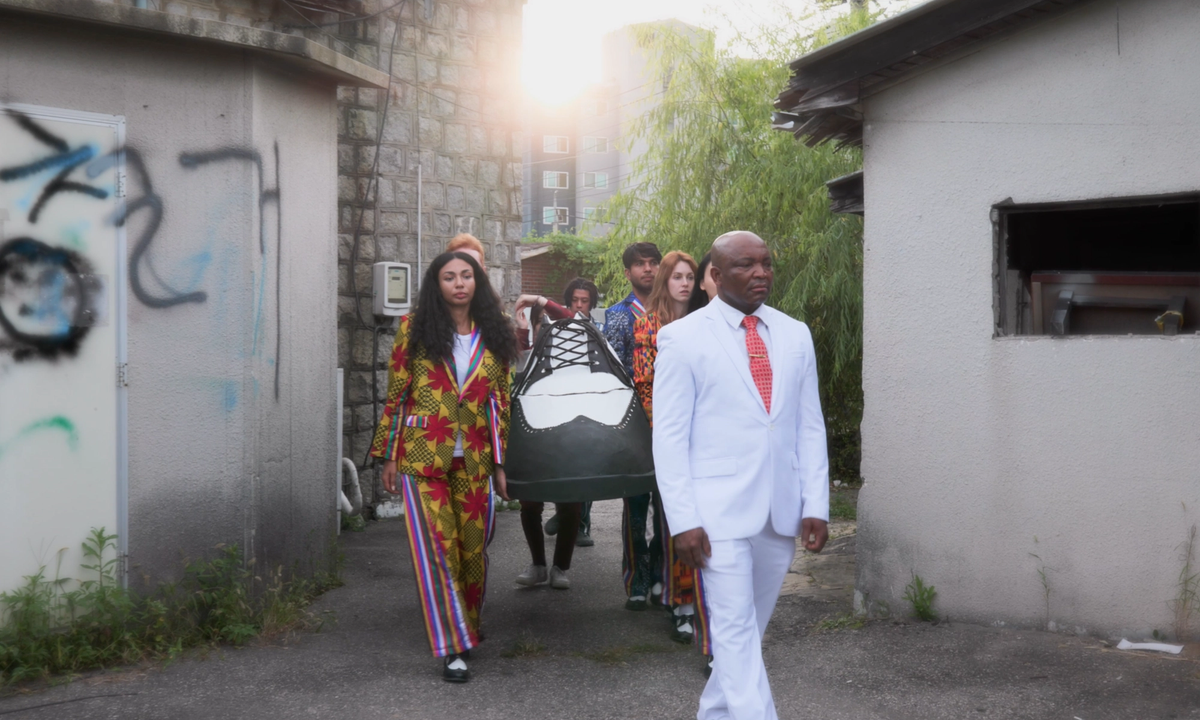
Che Onejoon: ‘The AfroAsia collective is now more important to me than my personal art’

Che Onejoon, a South Korean artist, has shifted his focus from documenting North Korea's Cold War-era monument-building in Africa to working directly with West African migrant communities in South Korea. His earlier projects, including the Mansudae Masterclass series and films like *Black Monument* (2017) and *My Utopia* (2018), explored the little-known history of North Korean-built statues and buildings across at least 20 African nations. More recently, he co-founded Space AfroAsia, the Afroasia Eco Museum, and the AfroAsia Artist Collective, and now lives and works in the Bosan-dong "Africa Town" near the Demilitarized Zone, creating multilingual music videos and even a K-pop girl group with a mixed Korean-African lineup.