
filter_list Showing 3 results for "second world war" close Clear
search
dashboard All 22 museum exhibitions 12article news 5article culture 3article local 1rate_review review 1
date_range Range Today This Week This Month All
Subscribe

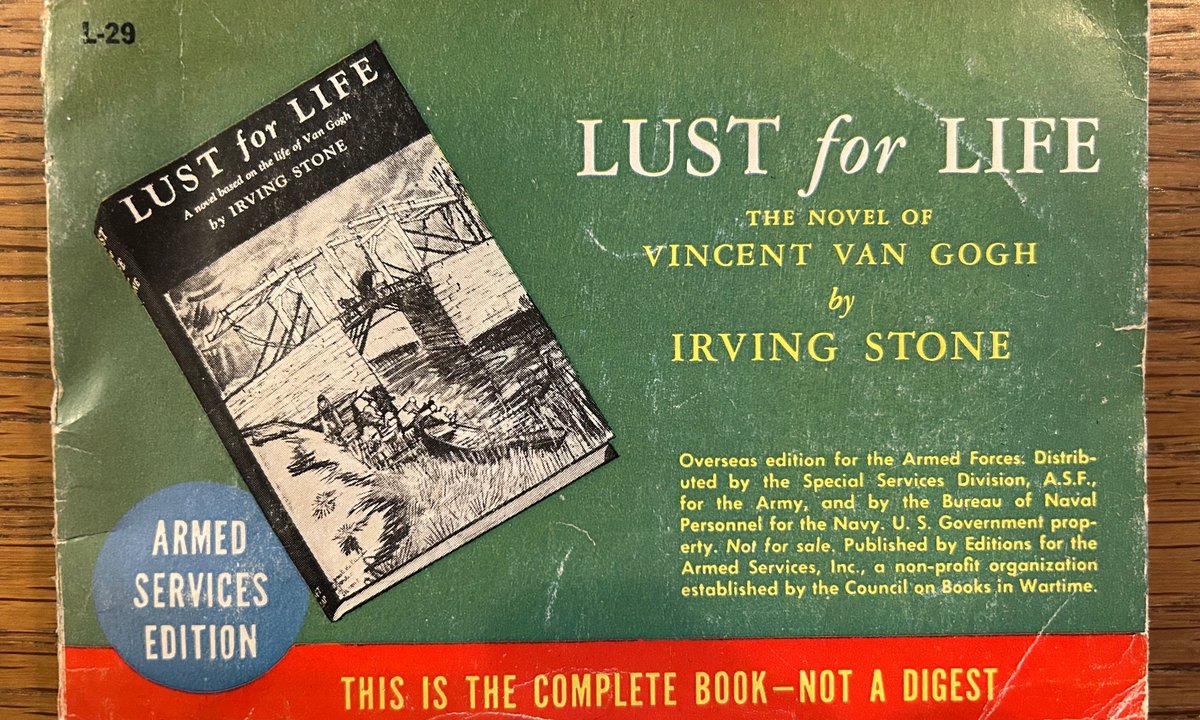
‘Lust for Life’: The Van Gogh book designed to fit in pockets of US soldiers during the Second World War

Irving Stone's 1934 novel *Lust for Life*, a fictionalized biography of Vincent van Gogh, was published as an Armed Services Edition during World War II for U.S. soldiers. These pocket-sized books, measuring 11cm by 17cm, were designed to fit in uniform pockets and withstand harsh conditions. Over 123 million copies of various titles were printed from 1943 to 1947, with distribution including parachute drops to troops on Pacific islands and handouts to soldiers before the Normandy Landings. The surviving copies are scarce and often damaged, with browned pages and covers marked as U.S. government property, not to be resold.
New book explores the complex history of Jewish country houses

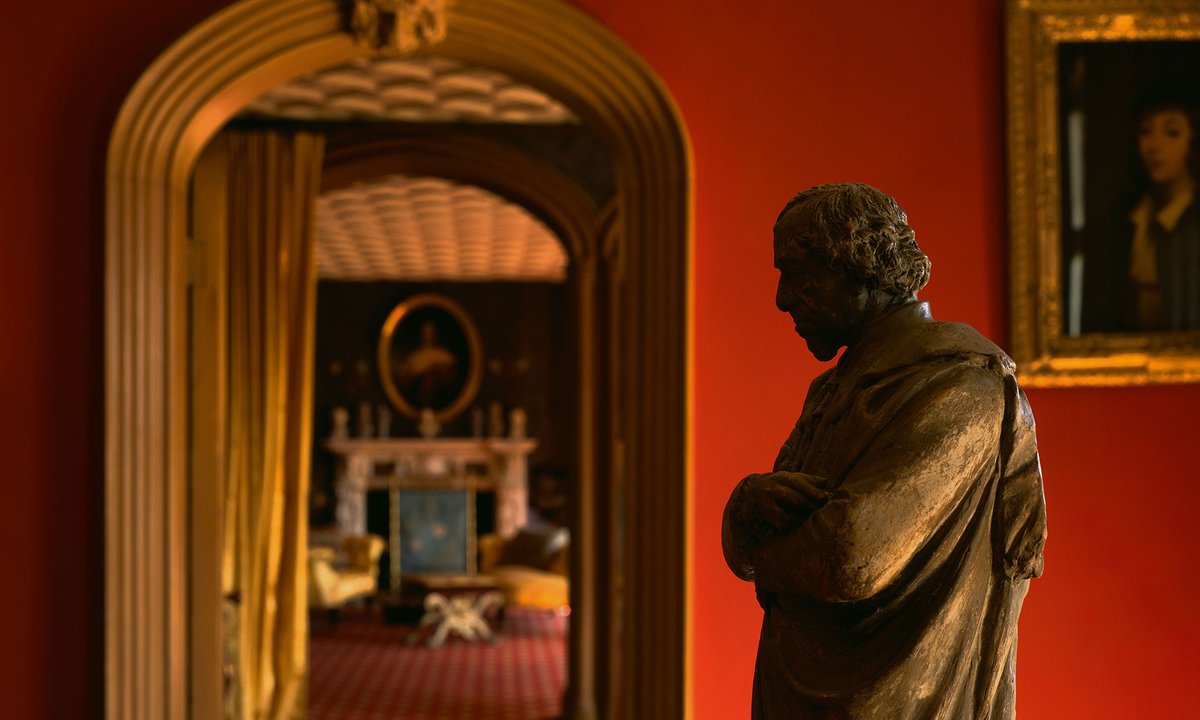
A new book titled *Jewish Country Houses*, edited by Juliet Carey and Abigail Green, explores the history of approximately 1,000 country estates built or remodeled by wealthy Jewish families across Great Britain and Continental Europe from the French Revolution until World War II. These houses, such as Waddesdon Manor and Château de Champs-sur-Marne, served as symbols of social arrival and assimilation, blending eclectic architectural styles with art collections from European auction houses. The volume, published by Profile and Brandeis University Press in association with the National Trust, features contributions from an international team of historians and curators, with photographs by Hélène Binet, and includes case studies of a dozen houses now open to the public.

Comrades in art: meet the artists who fought against fascism

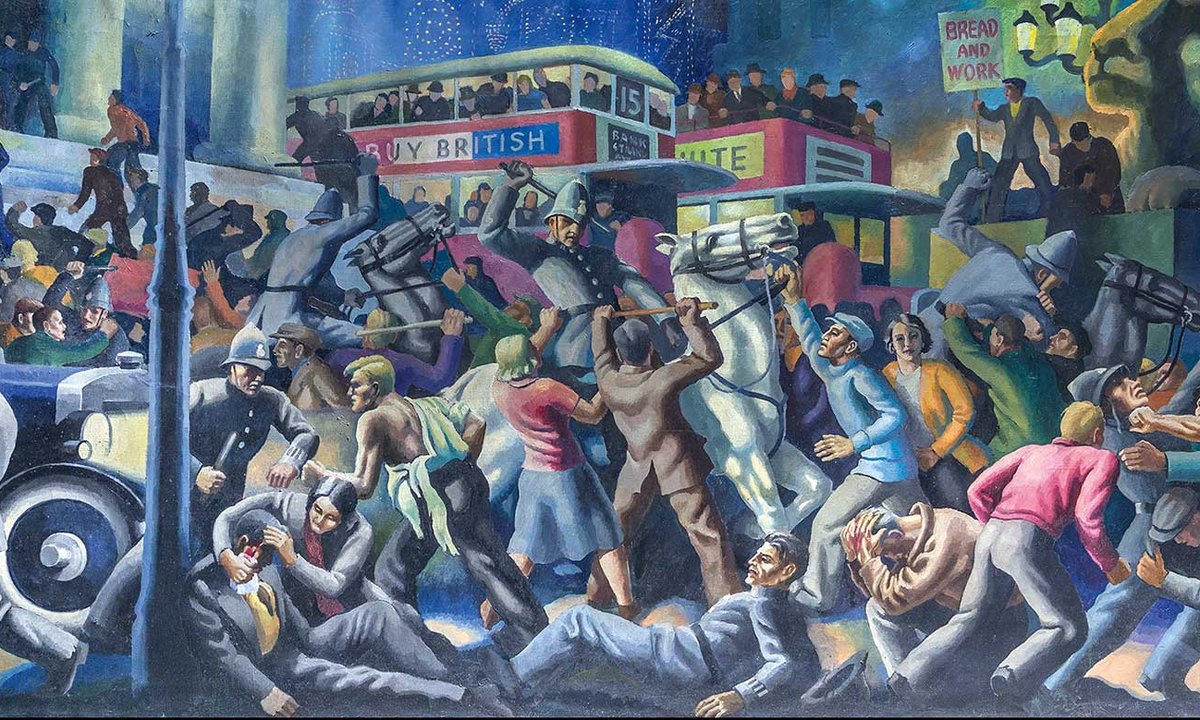
Andy Friend's book "Comrades in Art" chronicles the founding and first decade of the Artists International Association (AIA), a radical union of artists established in London in the 1930s. The AIA, born from a belief in art's power to revolutionize society, grew from a small group of mostly underemployed communist-affiliated commercial artists into a popular front against fascism and war, eventually including over 1,000 members such as Henry Moore and Paul Nash. The book focuses on lesser-known figures like Felicia Browne, the first British female combatant killed in the Spanish Civil War.