filter_list Showing 4 results for "smartphone photography" close Clear
search
dashboard All 5 article culture 4museum exhibitions 1
date_range Range Today This Week This Month All
Subscribe

How to Take Great Photographs of Art, According to Artists

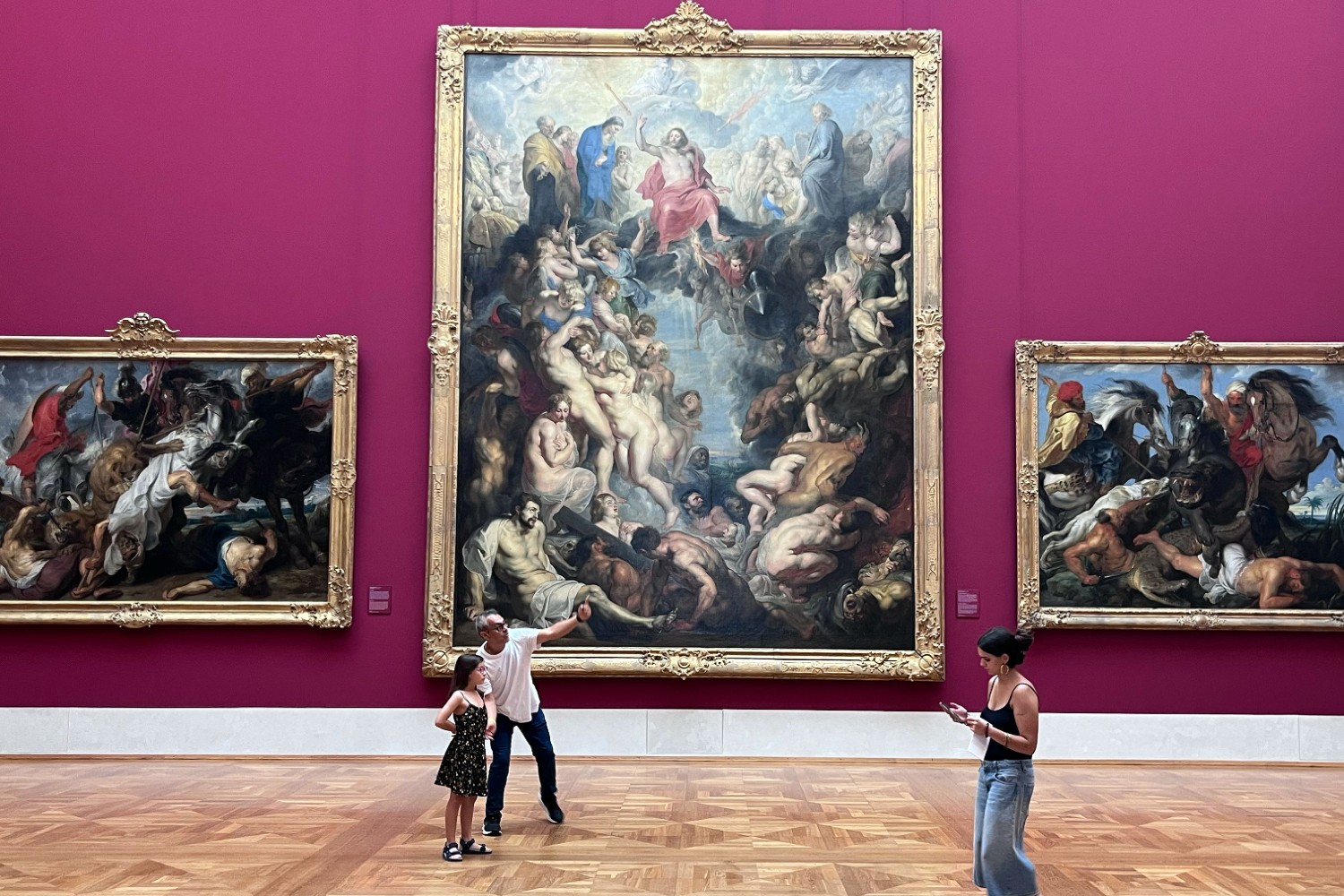
Contemporary gallery-going has become synonymous with digital documentation, as visitors increasingly use smartphones to capture paintings, sculptures, and installations. This shift from passive observation to active photography serves as a method of personal archiving, allowing viewers to preserve the fleeting experience of a physical exhibition and share it within their social circles.

‘The shadows, the figures playing basketball … I waited for the magic to appear – then it did’: José Luis Morales Martín’s best phone picture

Architect José Luis Morales Martín captured a photograph of two teenagers playing basketball in his Madrid apartment complex's courtyard from his living room window. He was struck by the interplay of light, shadow, and geometry, using his phone to seize the moment when the scene's 'magic' became apparent.

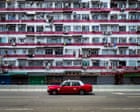
‘I waited half an hour for one of Hong Kong’s iconic red taxis to pass by’: William Shum’s best phone picture

William Shum captured a photograph of a red taxi passing through Yau Ma Tei, Hong Kong, using an iPhone 13 Pro Max. He waited half an hour for the taxi to align perfectly with a dense residential building in the background, creating a contrast between the simple vehicle and the layered architecture. The image earned him a win in the 2025 Mobile Photography awards.

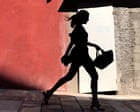
‘Was she going to an appointment, maybe even a romantic one?’: ASA’s best phone picture

ASA, an anonymous photographer, captured a candid iPhone X image in Bastia, Corsica, during the summer of 2018. The photograph shows a woman walking through strong sunlight, reduced to a silhouette against burned facades. ASA waited patiently for the right passerby, later imagining the woman might be heading to a romantic appointment, though they emphasize the work is about shape, movement, and contrast rather than identity.