
art black museums moad mocada auc
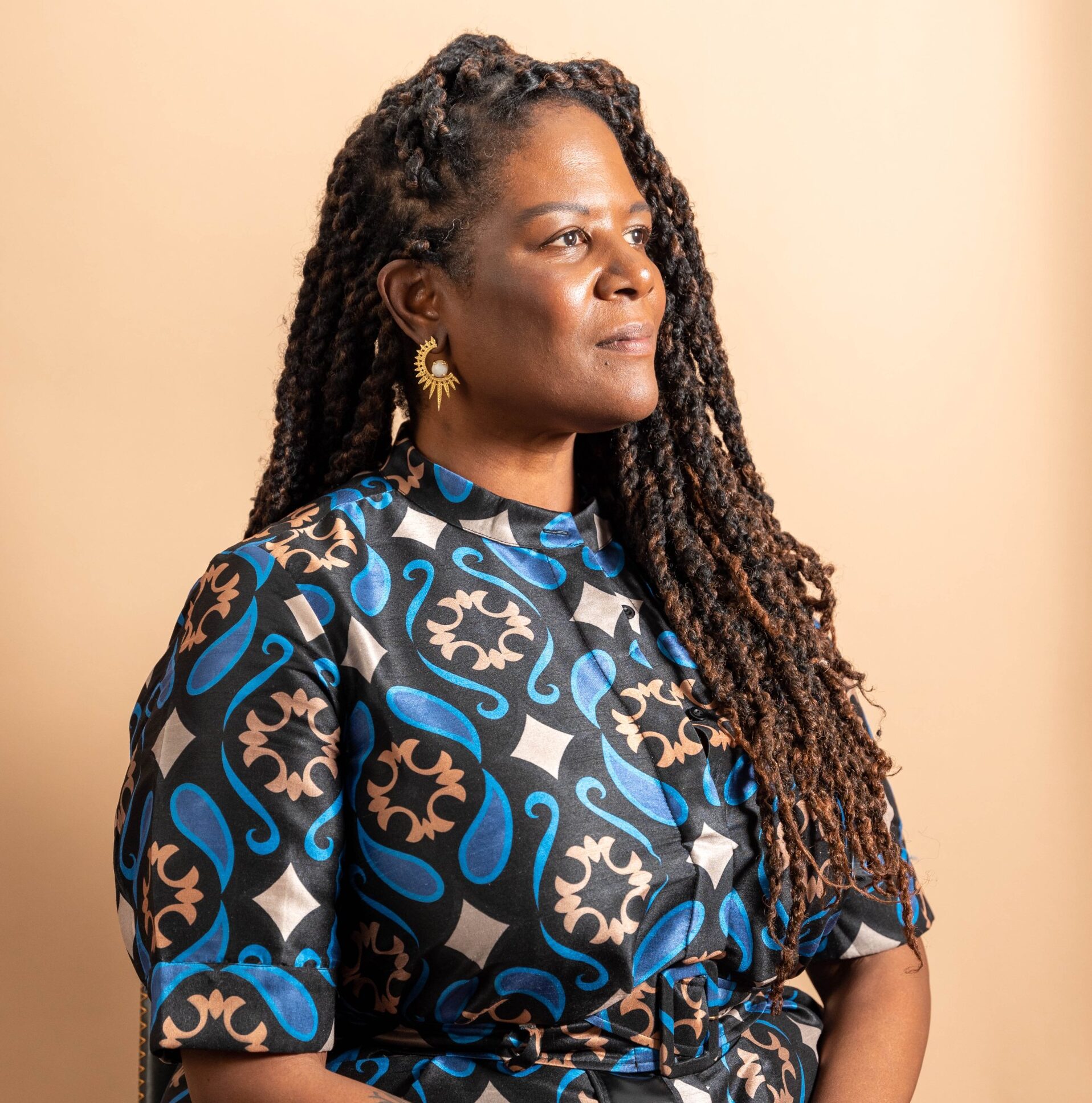
CULTURED magazine assembled a roundtable of three Black women leaders at prominent Black art museums in the U.S.—Key Jo Lee of the Museum of the African Diaspora (MoAD) in San Francisco, Cheryl Finley of the Atlanta University Center Art History and Curatorial Studies Collective (AUC), and Amy Andrieux of the Museum of Contemporary African Diasporan Arts (MoCADA) in New York. The discussion explores how each arrived at her role, the challenges these institutions face—including financial pressures and heightened scrutiny under the current U.S. administration—and their strategies for preserving and building legacies. Lee, who joined MoAD three years ago after a tenure at the Cleveland Museum of Art, is curating the exhibition “UNBOUND: Art, Blackness & the Universe,” named one of Hyperallergic’s top 25 of 2025. Finley, a curator, art historian, critic, and author, directs the AUC collective at Spelman College. Andrieux, who came from music and media roles at Red Bull Media House and MTV World, was recruited in 2018 to save MoCADA from closure and later became its executive director and chief curator, overseeing a capital expansion in 2023.
