filter_list Showing 29 results for "ART AFRICA" close Clear
search
dashboard All 38 museum exhibitions 29article news 7article culture 1person people 1
date_range Range Today This Week This Month All
Subscribe

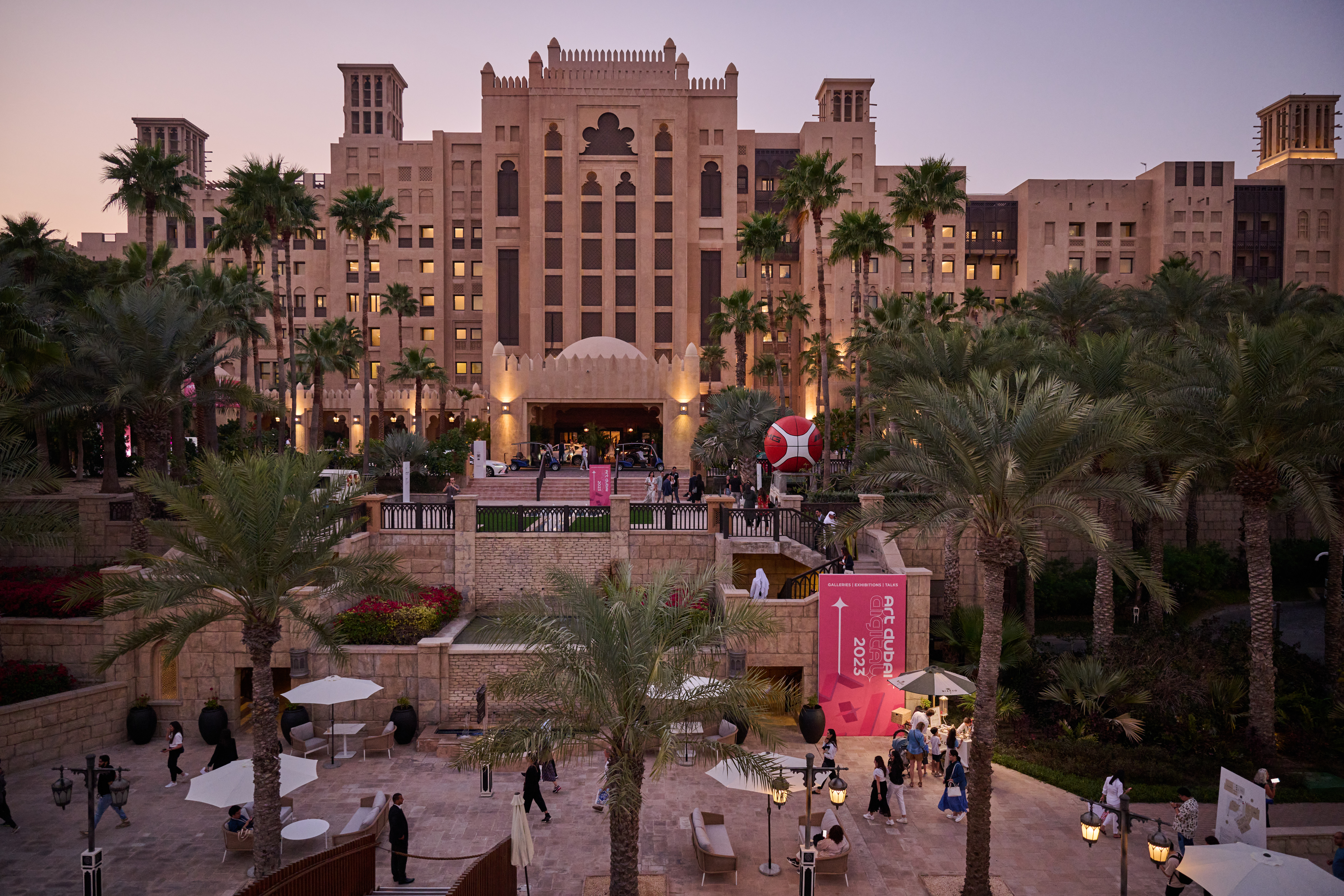
Art Dubai Marks 20 Years with Special Edition Focused on Collaboration and Cultural Exchange – Friday, 15-17 May 2026.

Art Dubai returns to Madinat Jumeirah from 15–17 May 2026 for a special 20th-edition programme that reflects on the fair's evolution and reaffirms Dubai's role as a global cultural hub. Presented in partnership with A.R.M. Holding and Dubai Culture, the fair features approximately 75 presentations from commercial galleries, institutional partners, and cultural initiatives, with around 60% of participating galleries drawn from the region. Highlights include the Made Forward presentation from Dubai Collection, the 20th edition of the Global Art Forum titled 'Before and After Everything', and an exhibition of modern Arab art from the Barjeel Art Foundation. The fair also introduces an innovative risk-sharing model where booth costs are payable based on sales performance, and entry is free for all visitors.

Mapping the Invisible: Saudi Arabia’s A Necessary Fiction Unfolds in Venice

A new exhibition titled "A Necessary Fiction: Maps, Art, and Models of Our World" has opened in Venice, presented by the Saudi Ministry of Culture in tandem with the 61st International Art Exhibition of La Biennale di Venezia. Held at the Abbazia di San Gregorio from 6 May to 22 November 2026, the show is curated by Sara Almutlaq and Aurora Fonda, with associate curators Zaira Carrer and Amina Diab. It features historical maps and contemporary artworks by artists including Wael Shawky, Nasser Al Salem, Matilde Sambo, Monira Al Qadiri, Shilpa Gupta, Reena Saini Kallat, Manal AlDowayan, Nolan Oswald Dennis, Ibrahim Mahama, Trevor Paglen, Eva & Franco Mattes, Giorgio Andreotta Calò, and Yoko Ono, exploring cartography as an imaginative and ideological act rather than a neutral science.

Five Whirlwind Days in Venice, at (and Beyond) the Biennale

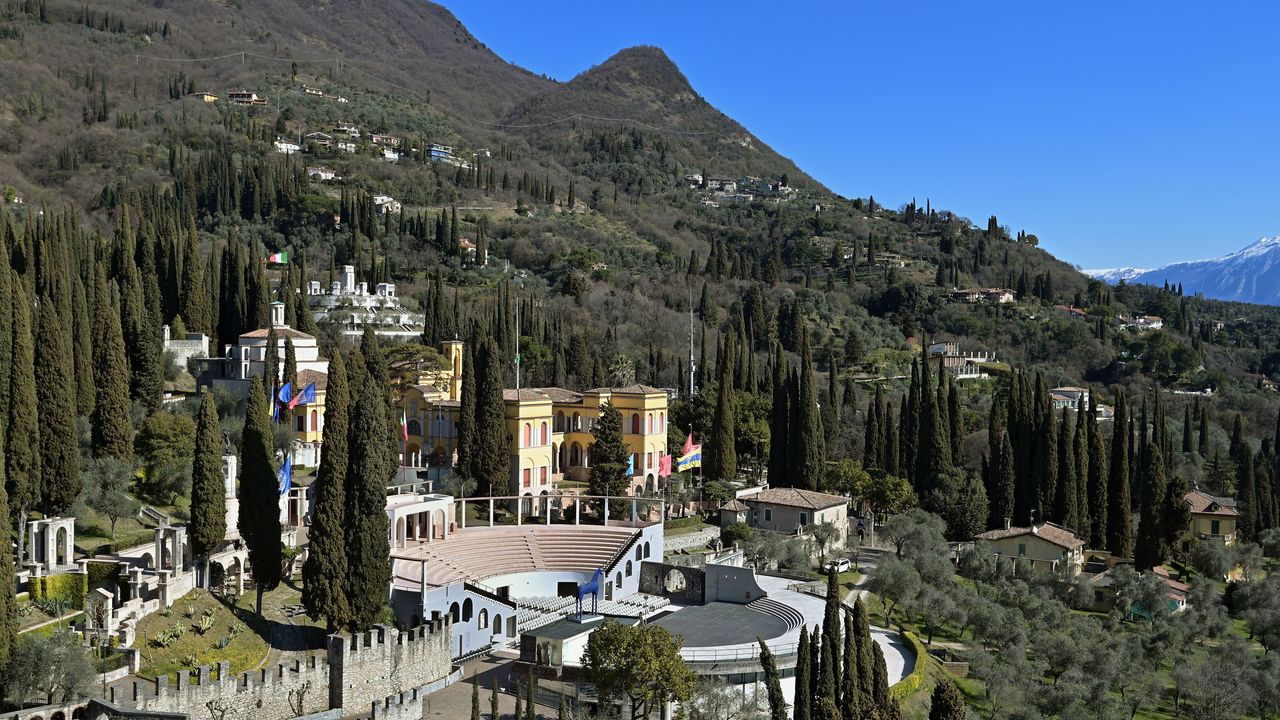
The article recounts a whirlwind three-day visit to the 61st Venice Biennale, focusing on the main exhibition at the Giardini della Biennale curated by the late Koyo Kouoh, titled "In Minor Keys." The author highlights textile works by artists such as Thania Petersen, Billie Zangewa, and Annalee Davis, as well as Beverly Buchanan's "Spirit Jars" and Maria Magdalena Campos-Pons's portrait of Kouoh and Toni Morrison. The trip also includes visits to collateral events, a performance at Jordan Roth's palazzo, and a side trip to Gabriele D'Annunzio's estate on Lake Garda.

Koyo Kouoh’s Legacy Shapes the 2026 Venice Biennale

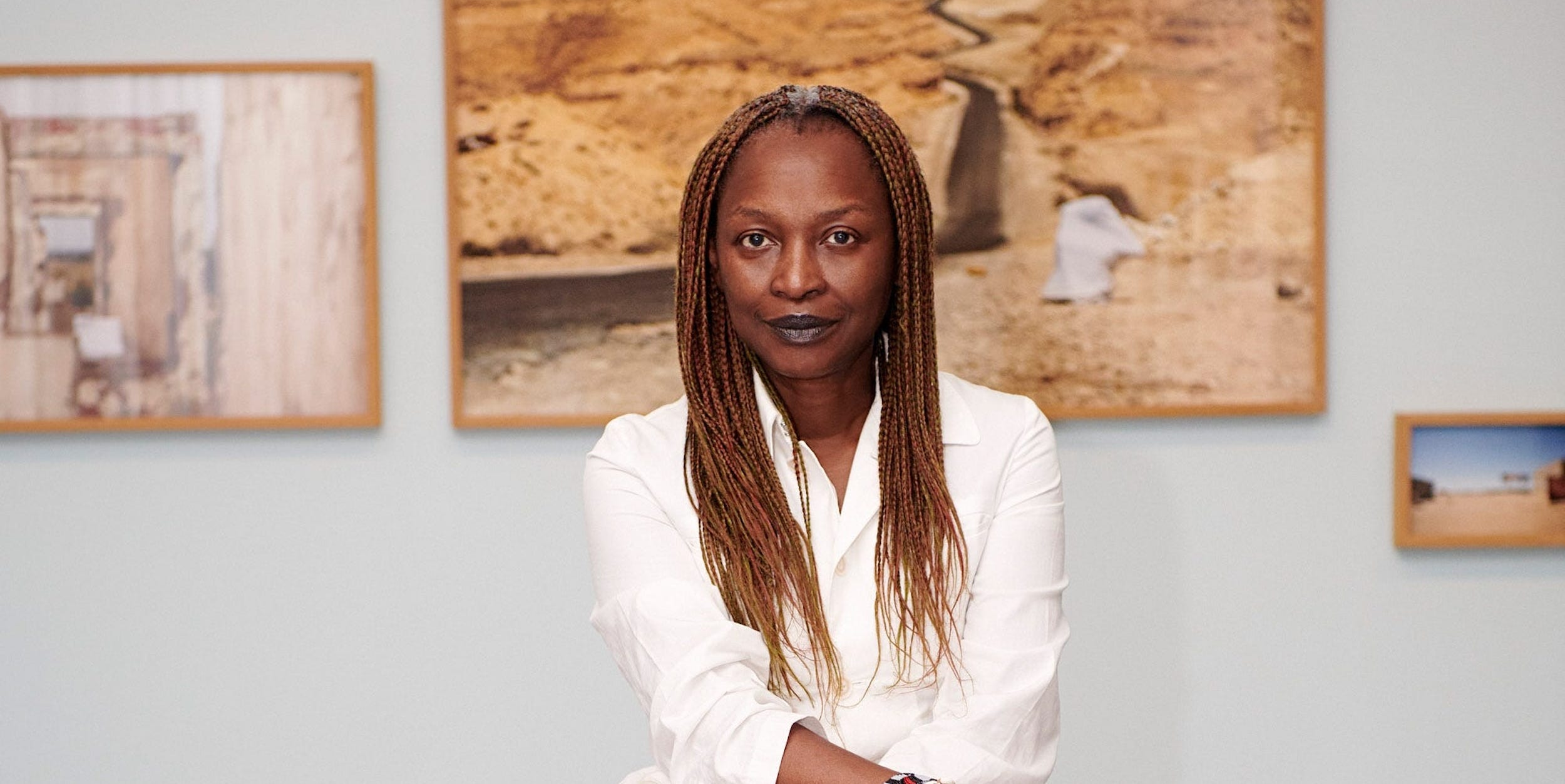
Koyo Kouoh, the first African woman to curate the Venice Biennale, was appointed curator of the 2026 edition and began shaping the main exhibition titled 'In Minor Keys' in October 2024. She died of cancer in May 2025 at age 57, but the Biennale organizers have committed to realizing her vision. The exhibition features 111 artists, collectives, and organizations from cities including Nairobi, New Orleans, Kingston, New Delhi, Beirut, and Bangkok, many of them her longtime collaborators. Kouoh was also the founder of Raw Material Company in Dakar and executive director and chief curator of the Zeitz Museum of Contemporary Art Africa (MOCAA) in Cape Town.

Tracing the Body Through Dust and Memory

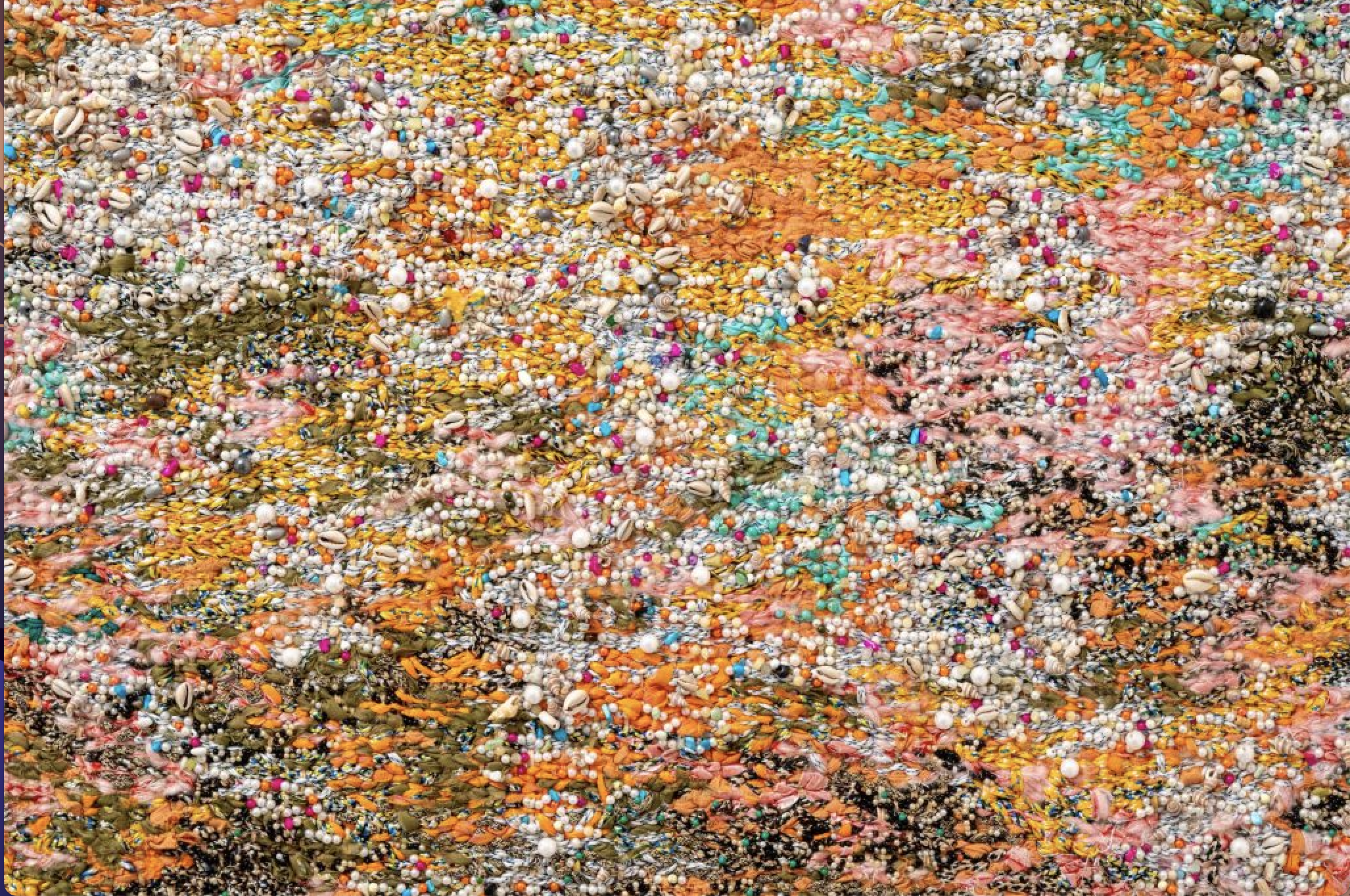
South African artist Igshaan Adams presents 'Unsettling Dust: The Body’s Archive' at the Guggenheim Bilbao, an immersive exhibition that merges weaving, choreography, sculpture, and social history. The show features monumental woven tapestries derived from collaborative dance performances between South African and Greek dancers in Athens, transforming the gallery into a living archive of movement and memory. On view from 5 May to 1 November 2026, it is part of the museum's in situ series.

Zanzibar: Mapping Memory Through Sound and Colour

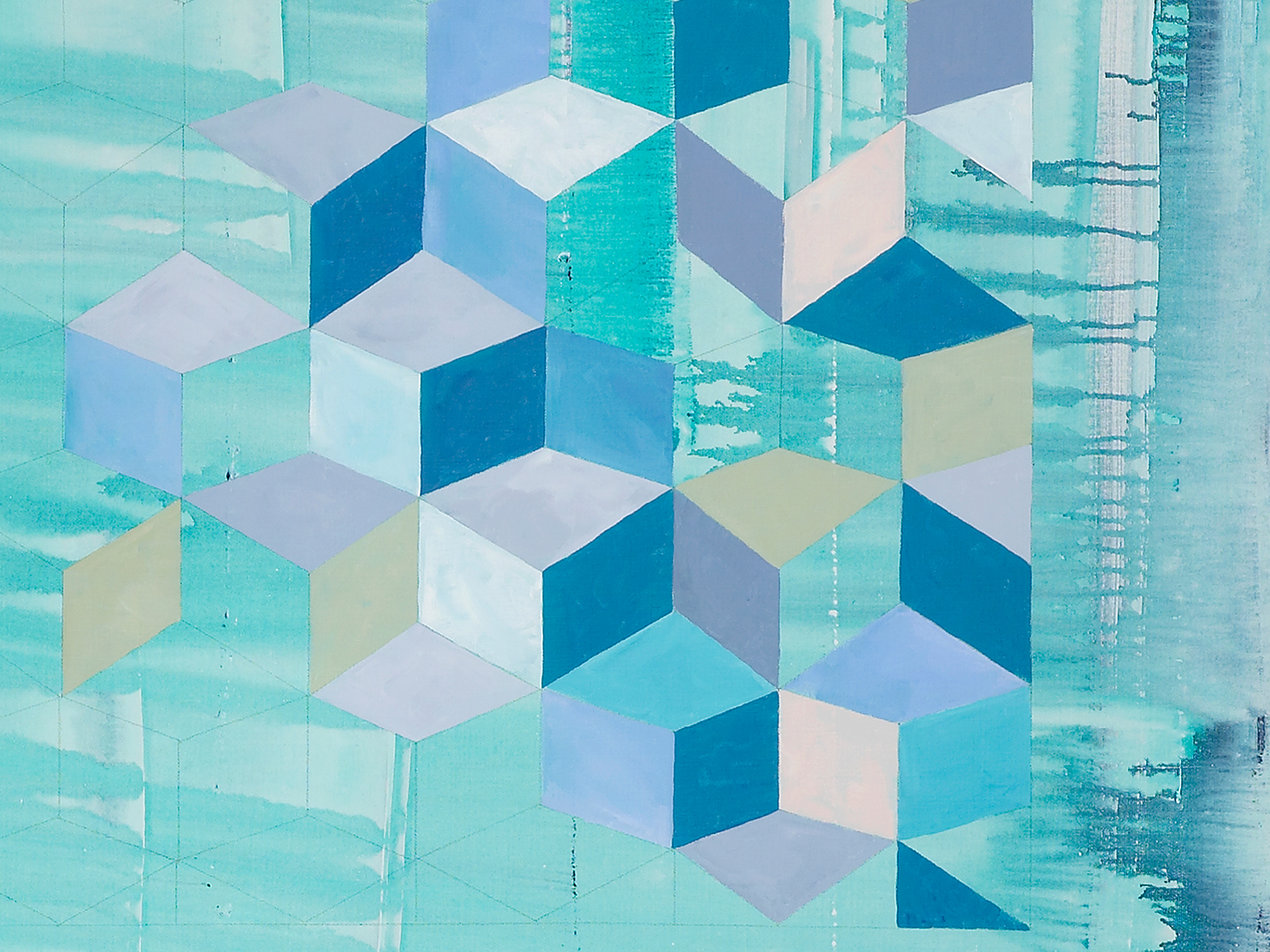
Lisson Gallery in London presents 'Zanzibar' (1999–2023), a collaborative installation by artists Lubaina Himid and Magda Stawarska. The exhibition reunites Himid's abstract diptychs from 1999 with Stawarska's eight-channel soundscape composed in 2023, creating an immersive meditation on loss, migration, and belonging. Himid's geometric canvases depart from her signature figurative style, evoking fragments of Zanzibar, the East African archipelago where she was born, and memories of her migration to London after her father's death. Stawarska's sonic composition weaves archival recordings, Taraab music, opera, and spoken text through the gallery space, guiding viewers through overlapping histories and imagined geographies.

Amoako Boafo Drew on Venice’s Rich Creative Heritage for His First Solo Show in Italy

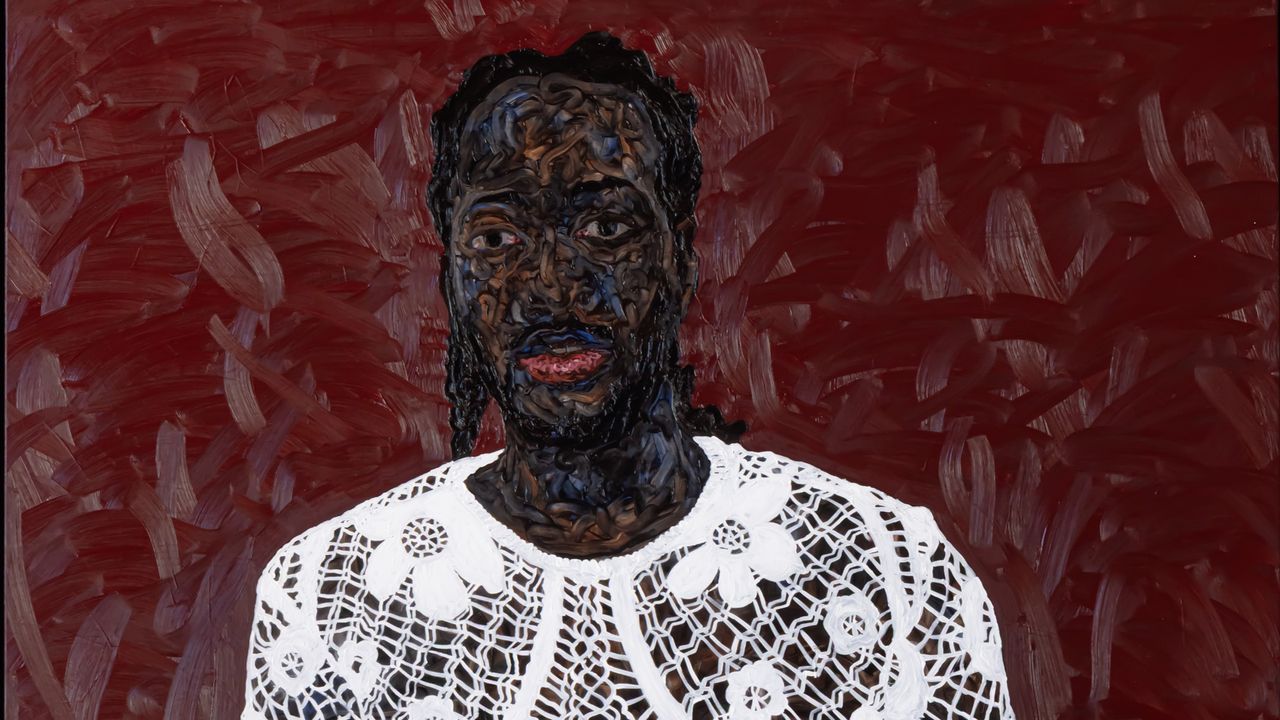
Amoako Boafo, the Ghanaian artist known for his finger-painted portraits of stylish Black sitters, opened his first solo show in Italy at the Museo di Palazzo Grimani in Venice during the 61st Venice Biennale. Titled "It doesn’t have to always make sense" and produced by Gagosian, the exhibition runs through November 22 and features Boafo's paintings alongside works by friends and collaborators, including poems by Raphael Worlasi Langani and a sculpture made with Stephen Allotey. The show also includes a video documenting Boafo's life and a "heroine wall" of portraits honoring women he admires, such as curator Koyo Kouoh.

Monumental Portrait of Late Biennale Curator Koyo Kouoh Unveiled in Venice

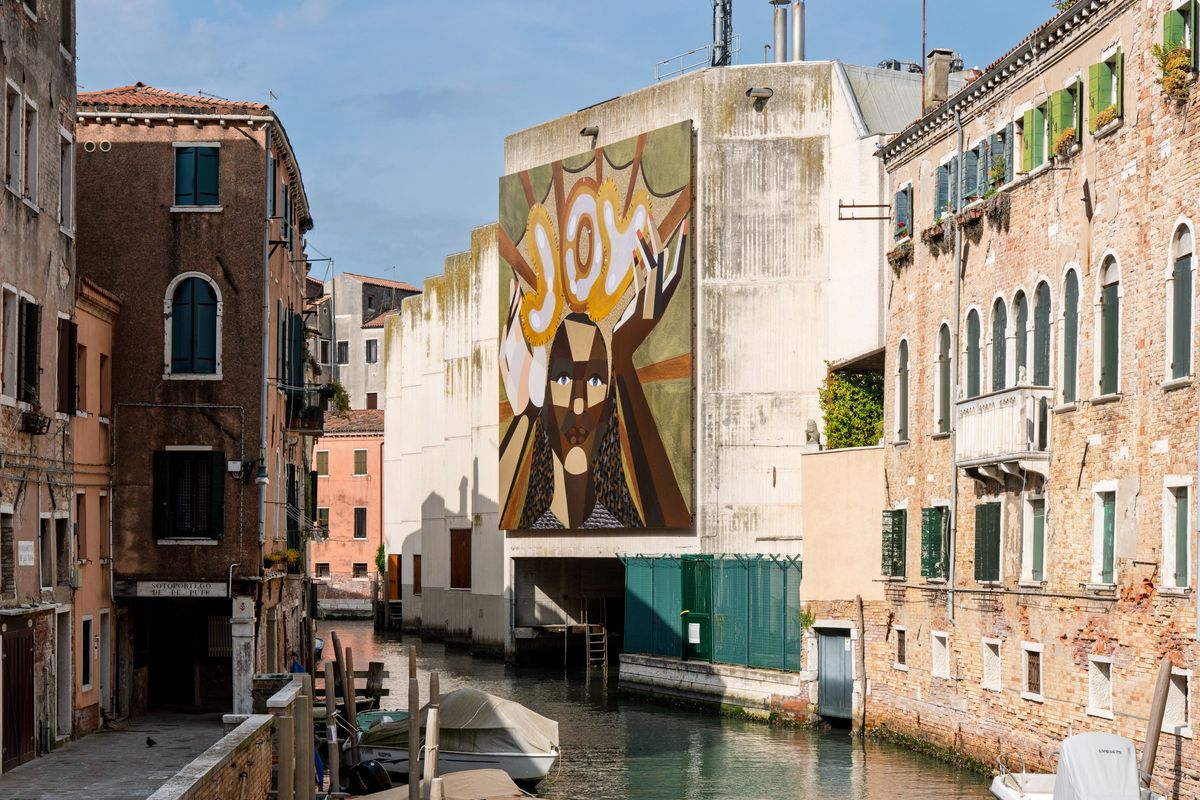
A monumental portrait of late Venice Biennale curator Koyo Kouoh, created by American artist Derrick Adams, has been unveiled in Venice ahead of the Biennale's public opening. The collage, titled *Heavy is the head that wears the crown* (2026), is displayed near the Arsenale until September 24. Kouoh, who died unexpectedly in May 2025 at age 57, was the first African woman to curate the Biennale. Adams' work uses golden hues and flattened forms to celebrate Kouoh's legacy, referencing the pressures of leadership and the joy she brought to the art world.

Willie Birch: Stories to Tell

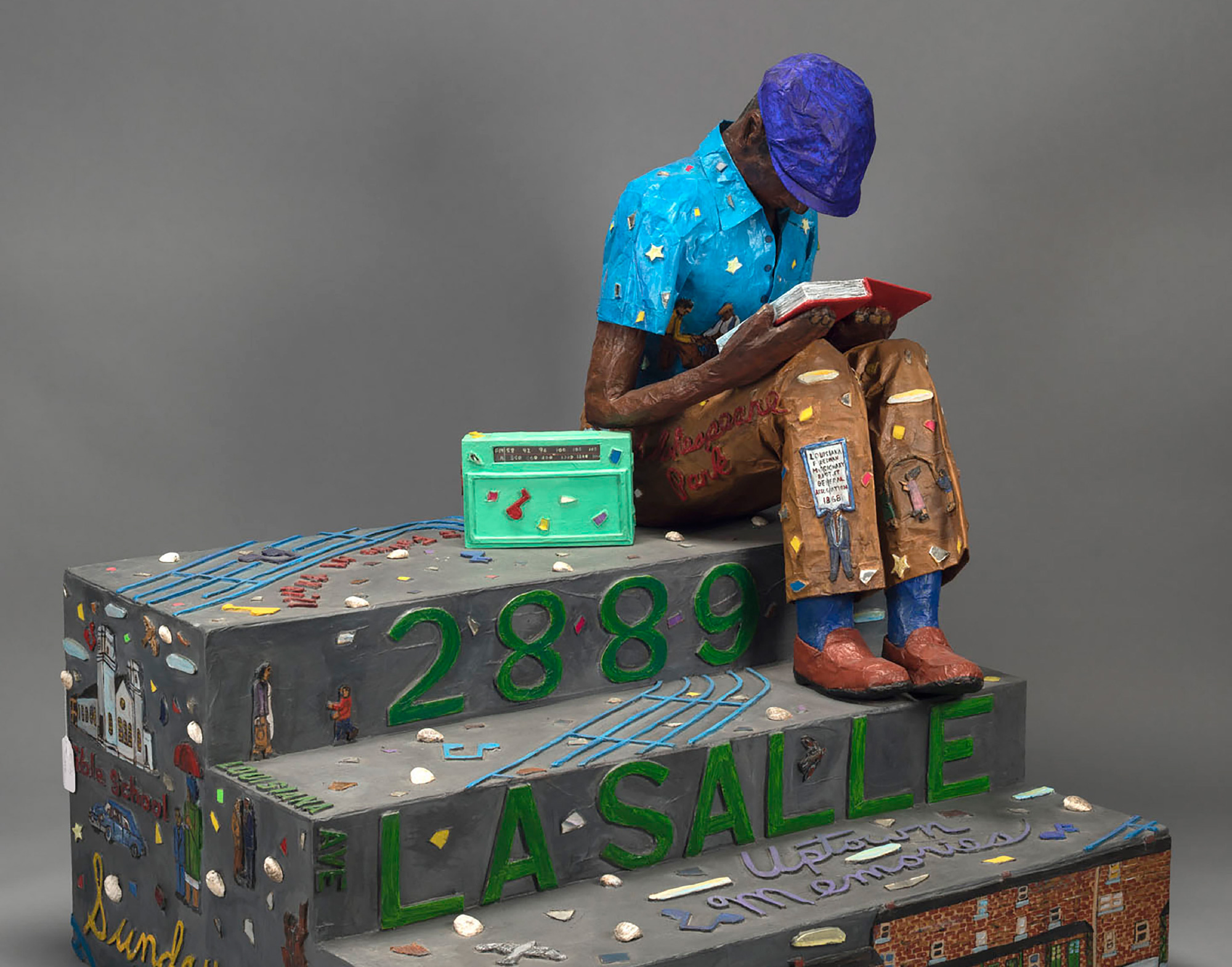
The California African American Museum presents 'Willie Birch: Stories to Tell,' a sweeping retrospective spanning over five decades of the artist's career, from the late 1960s to the present. The exhibition features Birch's paintings, papier-mâché sculptures, charcoal drawings, and installations, all rooted in his exploration of Black cultural memory, community life in New Orleans, and what he calls 'retentions'—fragments of African heritage persisting across generations. Organized chronologically, the show highlights Birch's evolving visual language and his commitment to storytelling as a form of social practice.

‘What Color is Your Sky Today?’: The Becoming of the Image

Armineh Negahdari, a Bordeaux-based artist, presents her first institutional solo exhibition in France at the Fondation Louis Vuitton's Open Space series. Titled 'What Color is Your Sky Today?': The Becoming of the Image, the show features a new body of drawings that use charcoal, pastel, and oil paint to explore unstable morphologies between human, vegetal, and animal forms. The works resist narrative closure, emphasizing drawing as an event rather than representation, with lines that accumulate, falter, and begin again. The exhibition is on view at Gallery 8 until 30 August 2026.

Stitching a Mind of Peace

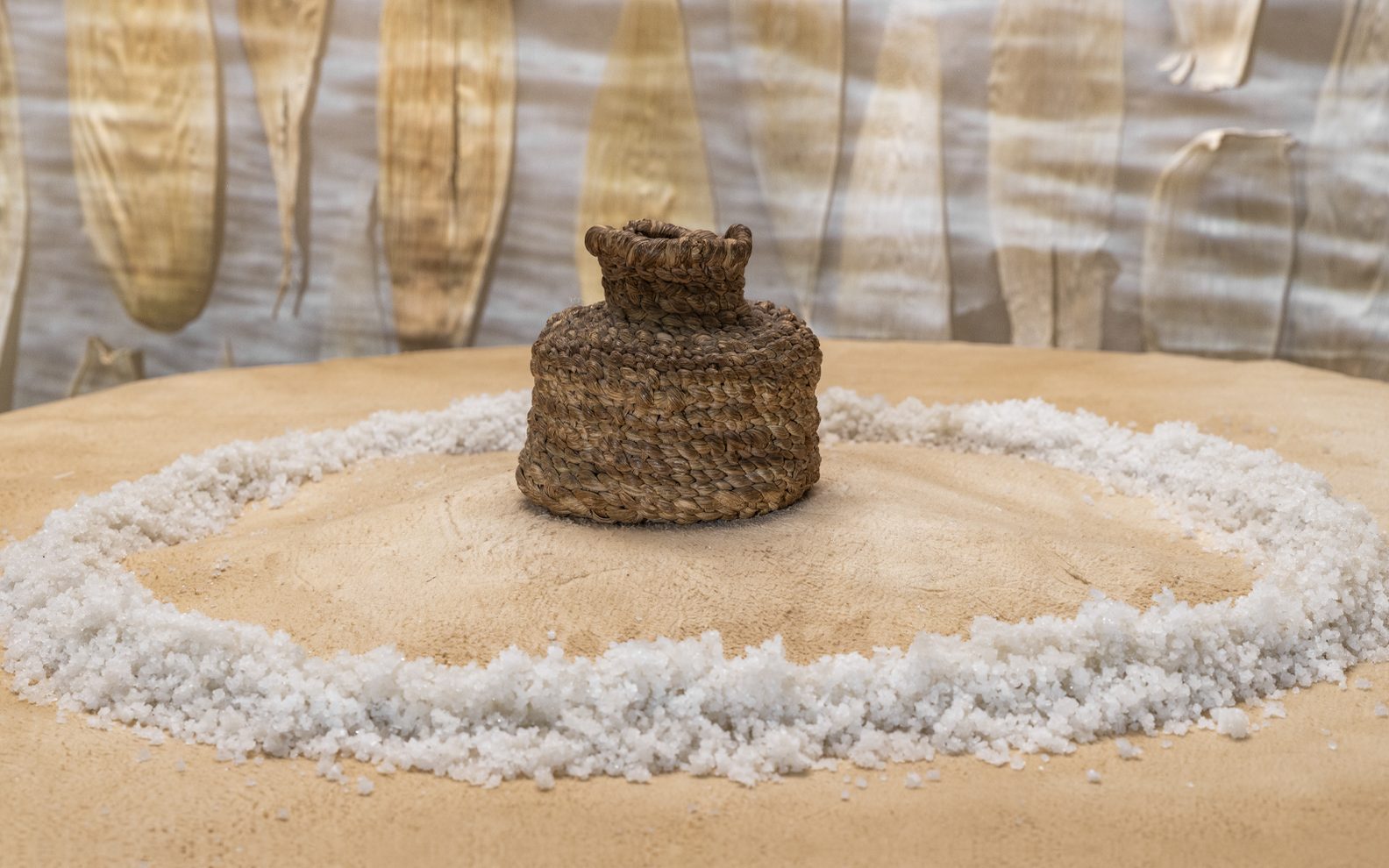
Rosy Simas, a Seneca artist, has unveiled a new commission at the Walker Art Center titled 'A:gajë:gwah dësa’nigöëwë:nye:' (i hope it will stir your mind). The work emerged from a two-year residency and blends performance, installation, sound, and sculpture. It centers on suspended handwoven vessels inspired by Haudenosaunee corn-husk twining traditions, which serve as both sculptural forms and familial presences, creating an immersive meditation on kinship and Indigenous knowledge.

What the Water Refuses to Forget: Nuits Balnéaires and the Poetics of Ancestral Return

Ivorian artist Nuits Balnéaires presents 'Eboro', a solo exhibition at the Fondation Henri Cartier-Bresson in Paris, running until 4 October 2026. The show blends photography, installation, fashion, and archival elements to explore memory, mythology, and family history, centered on the unresolved death of the artist's uncle, journalist and playwright Noël X. Ebony, in Dakar in 1986. Produced through the Fondation d’entreprise Hermès’ Latitudes programme, the exhibition draws on Akan, Agni-Bona, and Malinké cosmologies, treating remembrance as a porous, spiritual condition shaped by oceans, dreams, and ancestral echoes.

In Minor Keys: The 61st Biennale di Arte Venezia Opens Under Koyo Kouoh (1967–2025).

The 61st Biennale di Arte Venezia opens under the posthumous curatorial vision of Koyo Kouoh (1967–2025), the late Cameroonian-born curator who reshaped contemporary African and diasporic art discourse. The central exhibition, spanning the Giardini and Arsenale, features 111 participants including artists, collectives, and artist-led organizations from across the Global South, with works in textiles, film, sculpture, and performance that interrogate colonialism, migration, and ecological repair. The Biennale is also marked by a pronounced presence of African and diasporic narratives across national pavilions, including several first-time pavilions from the African continent.

Zīnah (Adornment): Oman’s Pavilion Tunes the Biennale to Resonance Over Spectacle

At the 60th Venice Biennale, the Sultanate of Oman presents "Zīnah (Adornment)," a pavilion conceived by artist and curator Haitham Al Busafi. The immersive installation, on view at the Arsenale Artiglierie from 9 May to 22 November 2026, draws on the Omani tradition of adorning horses with silver (al-zaanah) to explore themes of relation, movement, and shared presence. Visitors enter through darkness into a field of Omani sand, beneath a canopy of silver elements that respond to movement with sound. The work incorporates drawings by students and emerging artists from a workshop in Muscat, emphasizing collective authorship.

Prisoners of Love: Until the Sun of Freedom

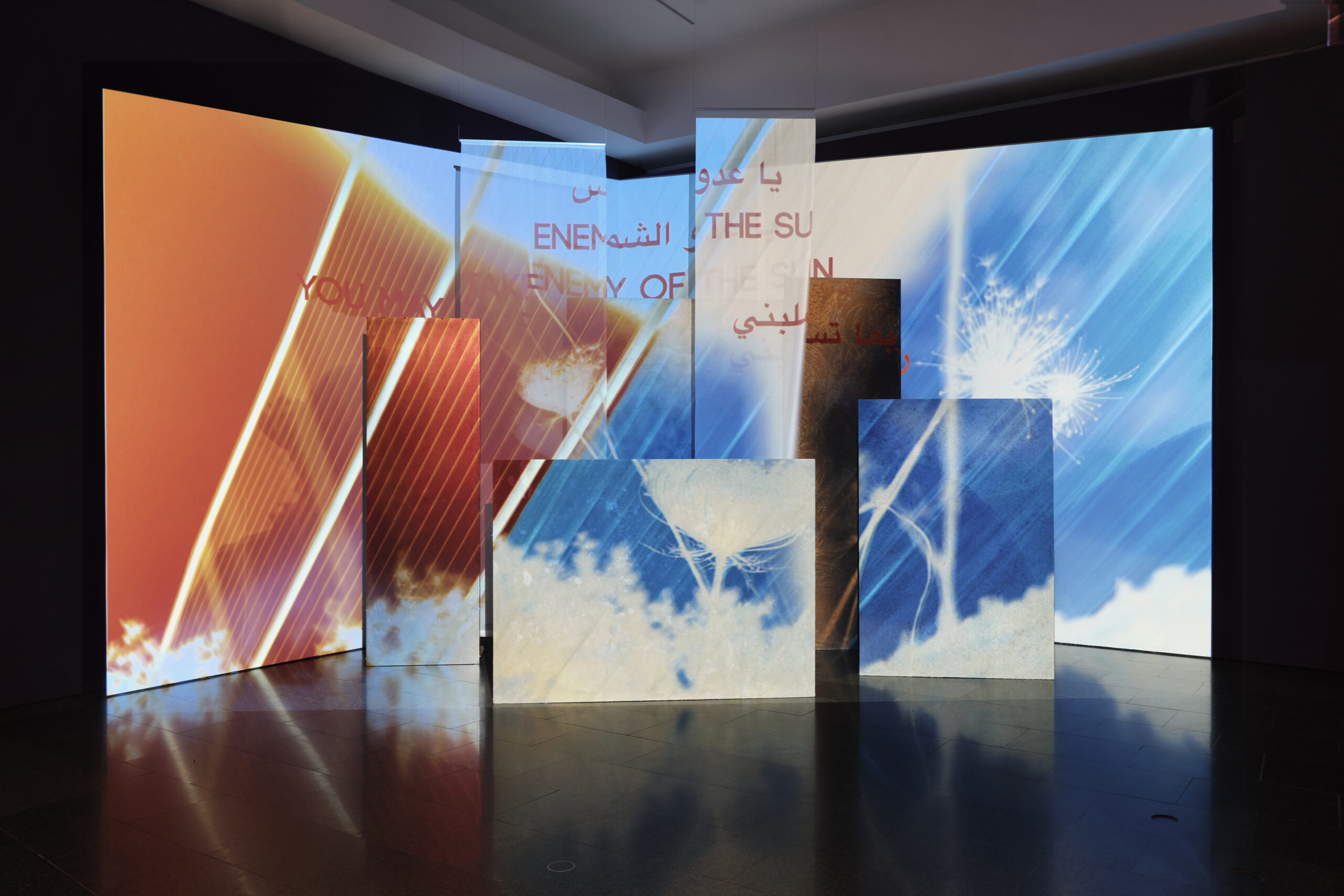
Basel Abbas and Ruanne Abou-Rahme present 'Prisoners of Love: Until the Sun of Freedom' at MACBA – Museu d’Art Contemporani de Barcelona. The immersive installation explores Palestinian incarceration through sound, memory, and poetic fragments, refusing linear narrative and documentary conventions. It features testimonies, songs, and spectral traces that create a polyphonic meditation on captivity, resistance, and the persistence of voice against erasure.

Ekow Nimako: Reimagining African Futures in Black LEGO

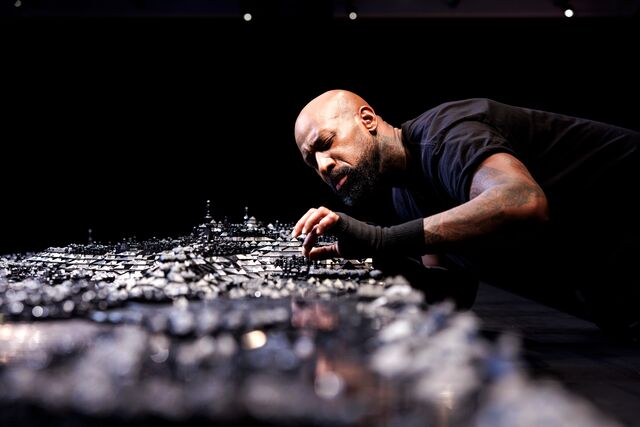
Ghanaian-Canadian artist Ekow Nimako presents 'Building Black Civilisations – The Nile 3025 CE' at Wereldmuseum Amsterdam, an exhibition of monumental sculptures constructed entirely from black LEGO elements. The works imagine a liberated Africa in the year 3025, merging ancient Nile civilizations with Afrofuturist visions of technological transcendence and ancestral memory. In an interview with ART AFRICA, Nimako discusses how his practice uses the cultural polarity of LEGO—a childhood toy—to build serious, Black-centered narratives that resist historical erasure and propose expansive futures for the African continent.

Echoes of Memory and Quiet Revolutions

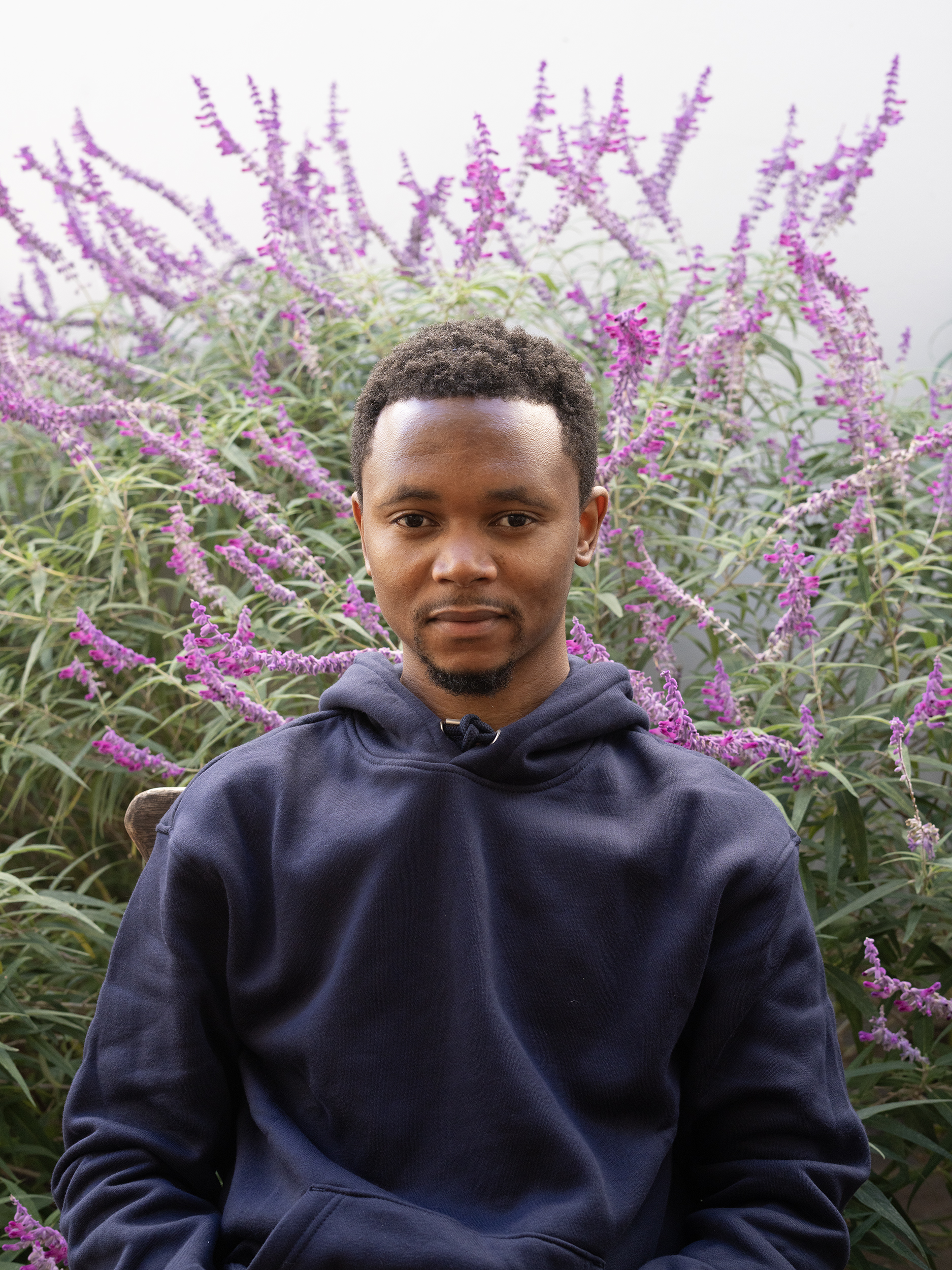
The Henrike Grohs Art Award concludes its final edition, naming Tanzanian artist Rehema Chachage as the 2026 laureate. Chachage, who works across performance, video, text, scent, and installation, creates a "performative archive" in collaboration with her mother and grandmother, transforming personal and ancestral memory into shared sensory experiences. The two finalists are Younès Ben Slimane, a Tunisian filmmaker and visual artist whose silent, disorienting works challenge cinematic narrative structures, and Egyptian artist Rania Atef, whose participatory practice turns domestic spaces into stages for revealing power dynamics. The award received over 600 applications from more than 30 African countries.

Speaking in Signs: Kwame Akoto’s Worlds Across Contexts.

Ghanaian painter Kwame Akoto, known for his vibrant signboard works blending bold imagery with urgent text, is the subject of his first major French exhibition, 'Almighty God Art Works', at the Musée du quai Branly – Jacques Chirac in Paris. In an interview with ART AFRICA, Akoto discusses how his paintings transform when moving from the streets of Kumasi—where they function as everyday spiritual and commercial communication—into a European museum context, addressing themes of translation, shared authorship, and the shifting meanings of images across cultural and institutional boundaries.

M’barek Bouhchichi: Hands That Remember

Moroccan artist M’barek Bouhchichi presents 'Les mains des poètes' at Foundation H in Antananarivo, Madagascar, running until 17 October 2026. The exhibition stems from a residency in Madagascar where Bouhchichi collaborated with local artisans—blacksmiths, weavers, ceramists, and musicians—to create works that resist singular authorship. Central to the show is the revival of sorabe, the Arabico-Malagasy script, treated as an embodied, gestural practice rather than fixed writing.

‘Rostos da Imigração’: Faces That Refuse Silence

Photographer Alfredo Cunha presents 'Rostos da Imigração' at the UCCLA gallery in Lisbon, a photographic exhibition featuring portraits of individuals from lusophone communities. The series resists anonymity and aestheticization, instead focusing on the lived experiences of migrants in contemporary Portugal. The exhibition is on view until 20 May 2026.

We Didn’t Choose to Be Born Here: Inherited Frequencies

Botswana-born artist Thero Makepe presents 'We Didn’t Choose to Be Born Here: Inherited Frequencies' at the Javett Art Centre at the University of Pretoria, an exhibition running until February 13, 2027. The show combines staged portraiture, archival imagery, and documentary photography to explore themes of memory, migration, and political inheritance, focusing on the intertwined histories of Botswana and South Africa. Makepe traces his own family’s anti-apartheid struggle, including his grandfather Hippolytus Mothopeng’s flight from apartheid South Africa and the legacy of PAC leader Zephaniah Mothopeng, treating history as fragmented and continuously reassembled rather than fixed.

Threads That Refuse to Break

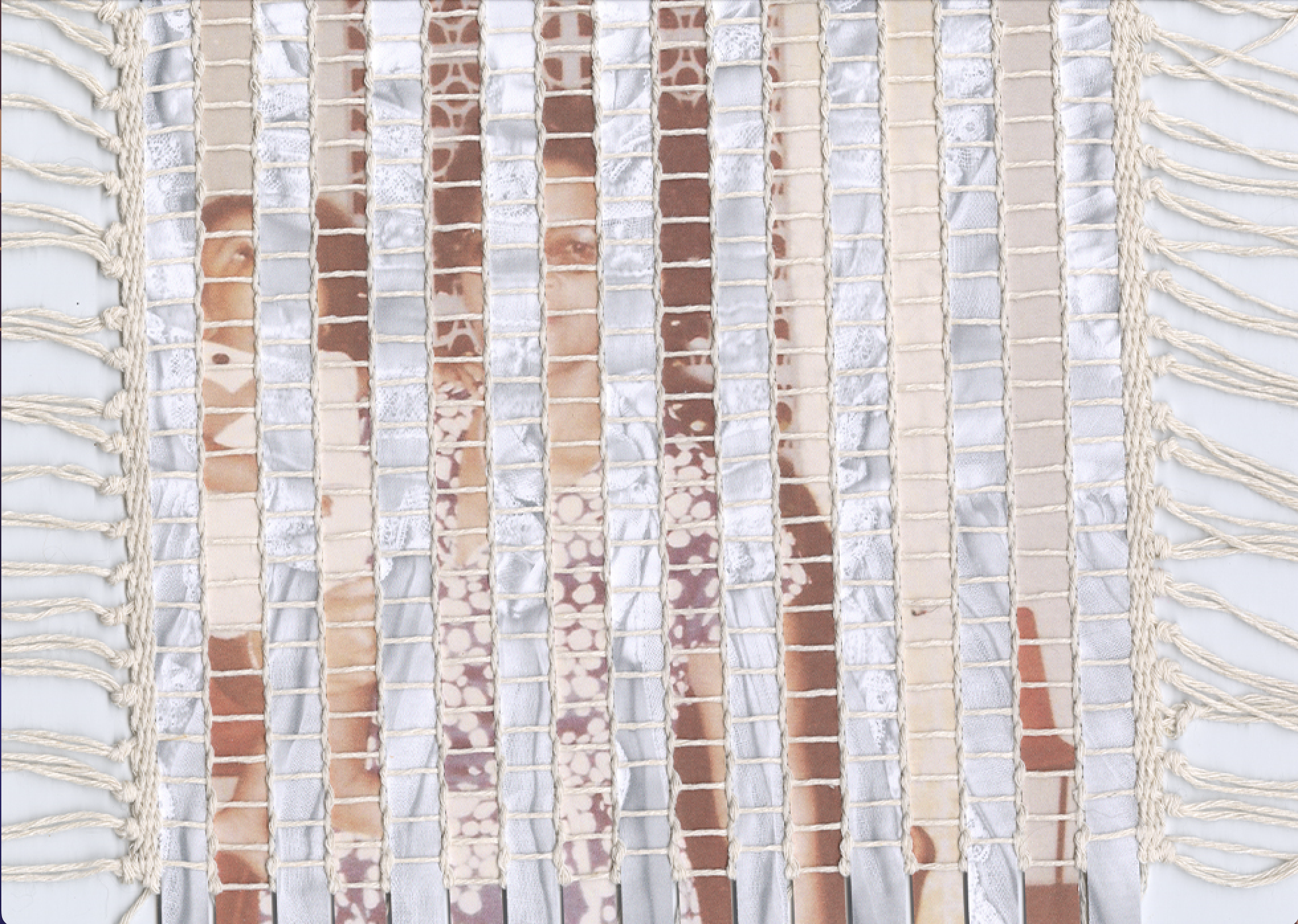
Trinidad-born, London-based artist Aasha John presents 'As I Weave' at Autograph in London, an exhibition emerging from her Visible Practice Residency. The show features woven photographic works created by cutting, interlacing, and hand-weaving family photographs, integrating oral history and textile practice to explore memory, migration, and diaspora. The exhibition runs from 3 to 6 June 2026.

A Document in Motion: ArtWorld Passports head to the Venice Biennale.

Zimbabwean artist Richard Mudariki has created 'ArtWorld Passport,' a participatory artwork debuting at the Venice Biennale 2026. The piece functions as a social sculpture and performance, where passport holders collect stamps, signatures, and drawings from artists, exhibitions, and pavilions across the Biennale, transforming the bureaucratic tool of travel into a speculative exploration of access and authorship.

‘In Mali, When Animals Dance’ – Inside the Pulse of Sogo Bò

Yoann Cormier curates 'In Mali, When Animals Dance' at the Musée des Confluences, an exhibition dedicated to sogo bò, a Malian performance tradition blending theater, dance, music, and community. Rejecting static displays, Cormier uses immersive scenography—light, sound, film footage from the early 2000s by Sonia and Albert Loeb, and reconstructed masks made with the Lyon Opera costume workshop—to evoke the festive atmosphere of sogo bò, moving visitors through a simulated Malian day from afternoon to night.

‘What My Mother Gave Me’: Monuments of Flesh

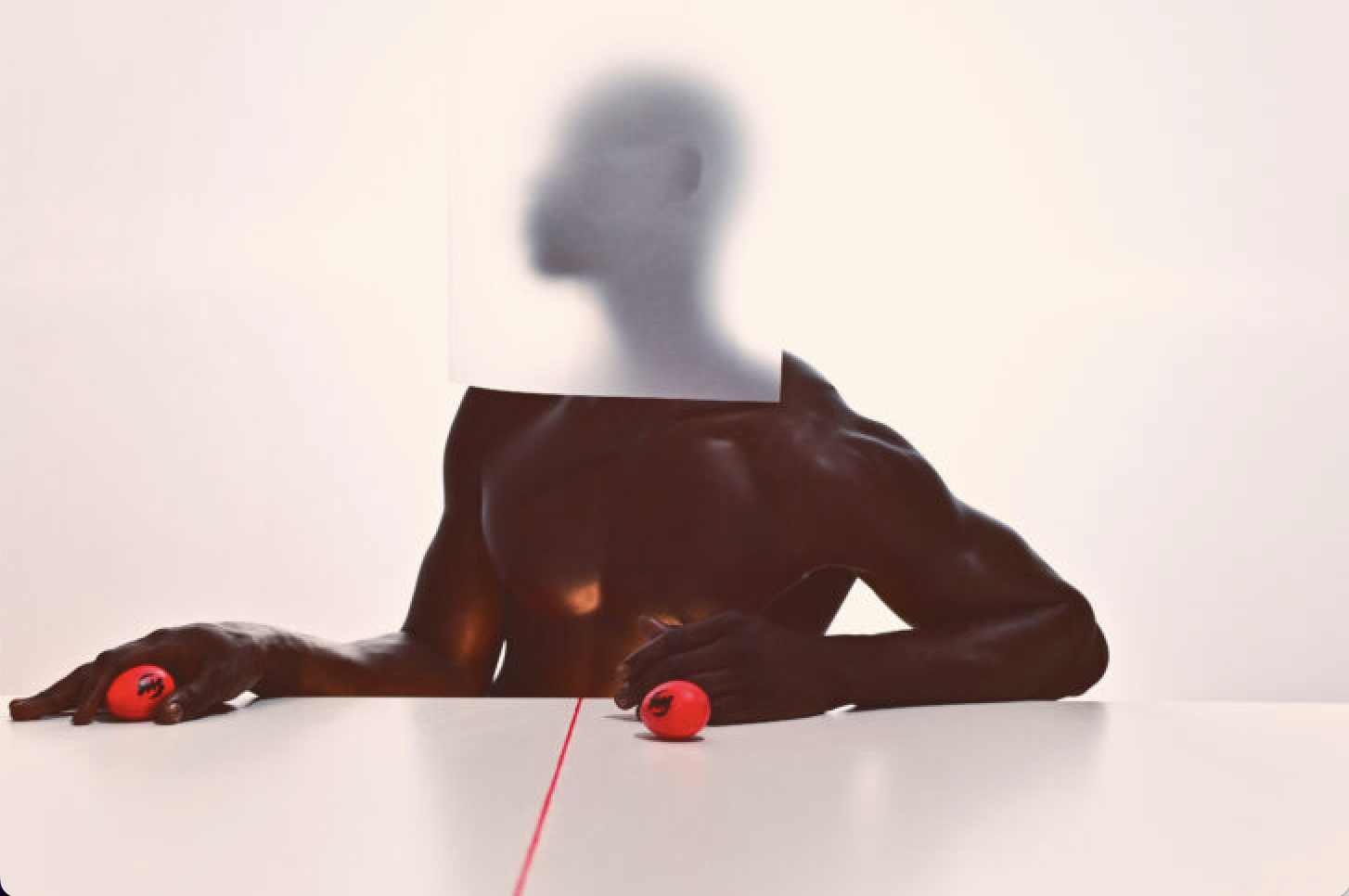
Nona Faustine’s first retrospective, ‘What My Mother Gave Me,’ is on view at the Center for Photography at Woodstock until 10 May 2026. The exhibition gathers nearly three decades of the artist’s work, spanning series such as *Young Mothers*, *Mitochondria*, and *White Shoes*, to explore themes of matrilineal memory, the Black female body, and the afterlives of slavery in urban spaces. Faustine’s photographs range from intimate depictions of young motherhood to defiant nude self-portraits that transform sites of erasure into counter-monuments of presence.

OPEN CALL – Diriyah Art Futures: Emerging New Media Artists 2026-2027 Edition.

Diriyah Art Futures (DAF) in Riyadh, Saudi Arabia, has opened applications for its third Emerging New Media Artists Programme, a one-year fully supported residency running from October 2026 to October 2027. Developed in collaboration with Le Fresnoy – Studio National des Arts Contemporains in France, the programme offers emerging artists aged 35 or under access to professional equipment, a production budget, mentorship by international digital artists, and multidisciplinary training in art, science, and technology. The deadline for applications is May 31, 2026, with a focus on applicants from the Middle East and North Africa.

KABARIN-JAVAKANTO: Speaking in Many Tongues

Fondation H in Antananarivo, Madagascar, presents 'Kabarin-javakanto: A Reading of the Fondation H Collection,' an exhibition curated by Abdellah Karroum that reinterprets the foundation’s international holdings through the Malagasy oratorical tradition of kabary. Rather than a conventional display, the show activates works from Africa and its diasporas across three galleries, emphasizing dialogue, community, and relational viewing.

Between Here and Elsewhere: A New Generation Steps Forward

The Javett Art Centre at the University of Pretoria will host 'Between Here and Elsewhere,' an exhibition featuring the Top 10 artists from the 2025/26 Tlhagella Incubation Programme. Curated by Puleng Plessie, the show opens on 1 May 2026 and presents works that explore themes of presence, memory, and belonging through a polyphonic, multi-perspectival approach.

‘Scattered Memories’: Fragments That Refuse to Fade

The Goethe-Institut Sudan, in collaboration with the Humboldt Forum Berlin, presents 'Scattered Memories,' a transcontinental exhibition at the Goethe-Institut Kairo from 1 to 3 May 2026. The show features Sudanese artists working across collage, film, music, performance, food, and storytelling to explore themes of loss, remembrance, and cultural memory. Public programs include discussions, guided tours, and a traditional coffee corner, transforming the exhibition into a space for communal gathering and exchange.