filter_list Showing 36 results for "Censorship" close Clear
search
dashboard All 87 museum exhibitions 36article news 32article culture 6article policy 5article local 4rate_review review 2person people 1candle obituary 1
date_range Range Today This Week This Month All
Subscribe

Artists v fascists, Khmer Rouge horrors, fab flowers and an eye-popping nude – the week in art

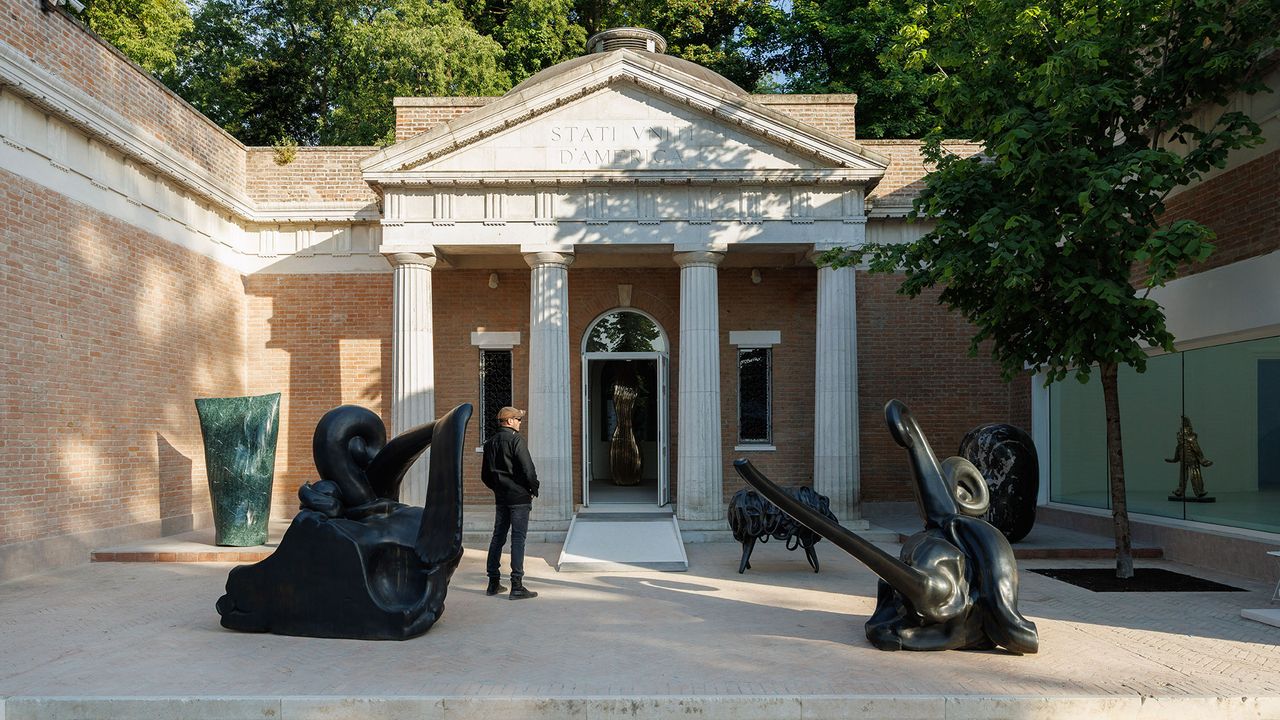
This week's art roundup from The Guardian features a major exhibition at Towner Eastbourne titled 'Comrades in Art: Artists Against Fascism,' which examines how artists, poets, and intellectuals used their work to resist the rise of extremism in 1930s Europe, drawing on the history of the Artists International Association (AIA). Other highlights include 'Hidden: Photography and Displacement Under the Khmer Rouge' at The Wiener Holocaust Library in London, a show of early Netherlandish drawings at the British Museum, Katharina Grosse's colorful installations at White Cube, and a flower-themed survey at Kettle's Yard. The image of the week is Sylvia Sleigh's 1963 portrait 'The Bridge (Johanna Lawrenson),' part of a new exhibition of the Welsh artist's work. The article also covers news items such as Lydia Ourahmane's Venice Biennale installation, a Holbein portrait mystery, a restored stained-glass window by Edward Burne-Jones and William Morris, and Anish Kapoor's call to exclude the US from the Venice Biennale due to 'politics of hate.'
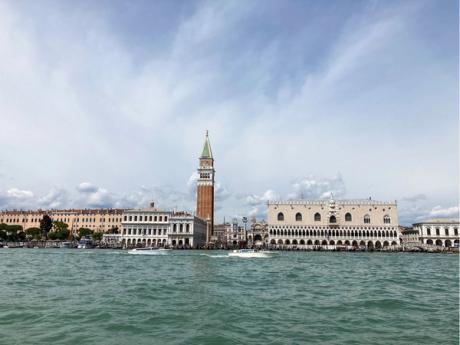
Venice Biennale 2026: all the national pavilions, artists and curators so far

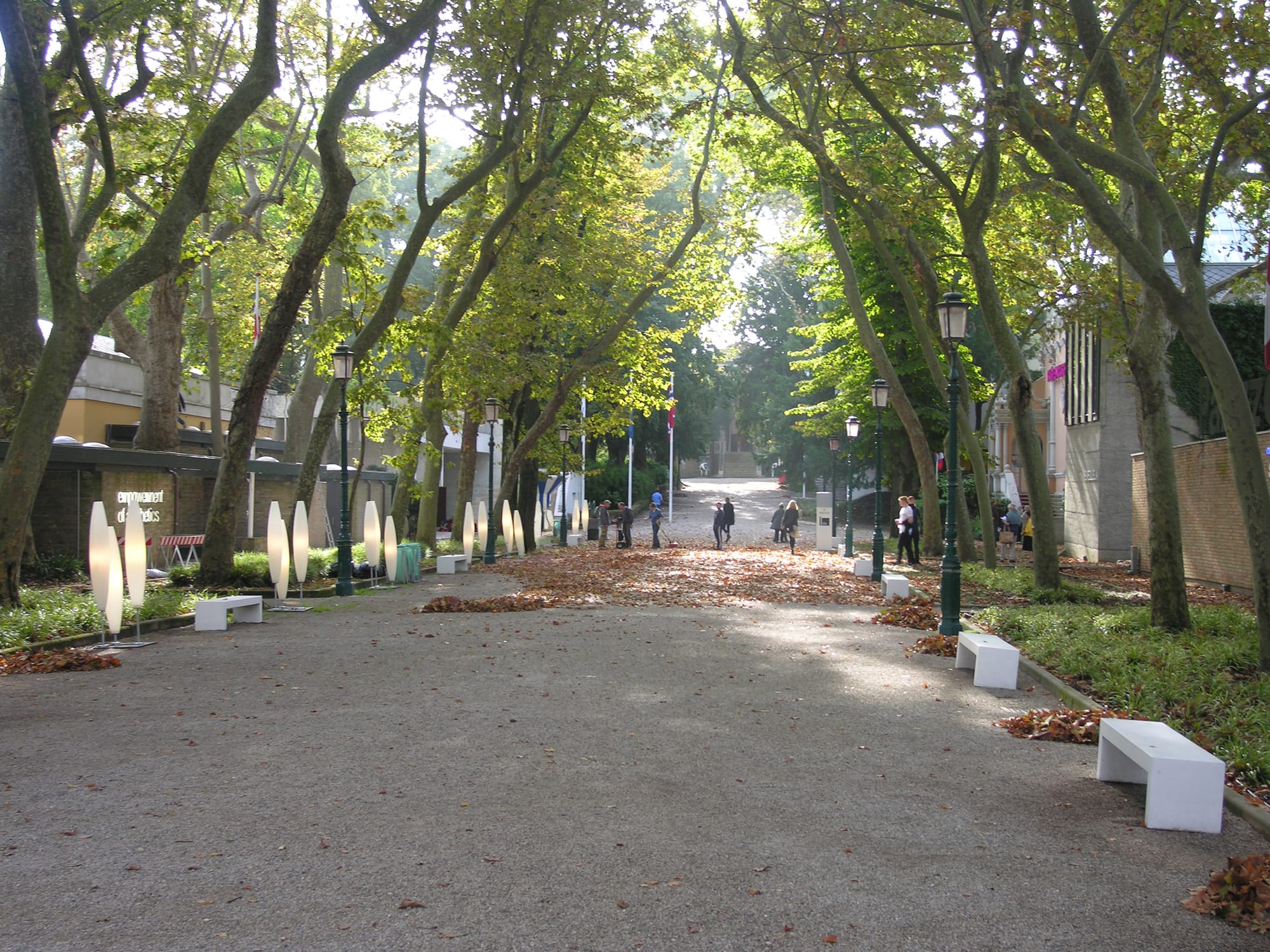
The 61st edition of the Venice Biennale, the world's oldest and most prestigious art biennial, will open on 9 May 2026 and run through 22 November. The main exhibition follows the curatorial plan of the late Koyo Kouoh, while national pavilions have been announcing their participating artists and organizers. The article provides a comprehensive list of confirmed pavilions so far, including artists such as Genti Korini (Albania), Matías Duville (Argentina), Khaled Sabsabi (Australia), Florentina Holzinger (Austria), Faig Ahmed (Azerbaijan), and many others, with details on venues and organizers.

2026 Venice Biennale pavilions: your go-to list [Updated]

ArtReview has compiled a running list of national pavilions for the 61st Venice Biennale, running from 9 May to 22 November 2026. The Biennale was set to be curated by Koyo Kouoh, who died on 10 May 2025. Recent announcements include Haitham Al Busafi representing Oman, Genti Korini representing Albania with a three-channel video installation titled 'A Place in The Sun (still)', and Matías Duville representing Argentina with an interactive salt-and-charcoal installation. The Australia Pavilion will feature artist Khaled Sabsabi and curator Michael Dagostino, who were initially dropped due to controversy over Sabsabi's 2007 film 'You' but later reinstated. Florentina Holzinger will represent Austria with a water-themed performance.

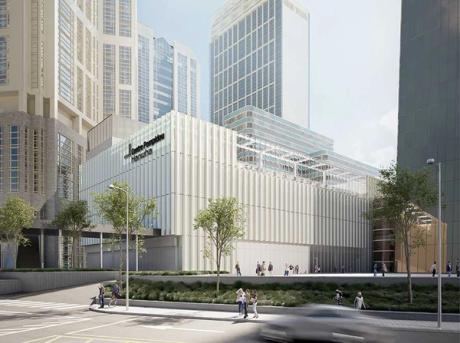
Seoul’s new Centre Pompidou Hanwha museum opens next month—can it live up to expectations?

Seoul's new Centre Pompidou Hanwha museum will open to the public on June 4, 2025, marking the Pompidou's second Asian branch after its collaboration with Shanghai's West Bund Museum. The four-year partnership between the Hanwha Foundation of Culture and the Centre Pompidou will feature two exhibitions per year from the Pompidou collection, starting with "The Cubists: Inventing Modern Vision." The museum occupies 11,000 square meters over four floors of Hanwha Group's 63 Building, with one gallery dedicated to early 20th-century European art and another to global contemporary art with a Korean focus, curated in-house. The inaugural Korea Focus section includes local artists such as Kim Whanki and Yoo Youngkuk.

It’s the Most Controversial Venice Biennale in Years. Can the Art Stand Up to the Noise?

The 2026 Venice Biennale is embroiled in controversy, with the US Pavilion at the center of a political storm. The Trump administration's State Department overhauled the selection process, bypassing the usual NEA panel and commissioning a nonprofit, the American Arts Conservancy, to organize the pavilion. Artist Alma Allen, who accepted the invitation despite threats from galleries and curators, presents a show that critics find politically muted. The Biennale's jury resigned days before the opening, and annual prizes were canceled, adding to the turmoil.

Gabrielle Goliath’s "Elegy" Comes to Venice

South African artist Gabrielle Goliath’s installation "Elegy" was initially censored by South Africa’s Culture Minister Gayton McKenzie, who blocked it from the country’s pavilion at the Venice Biennale over its focus on Palestinian grief. After public outcry and support from several organizations, the work was instead installed in a Venice church, where critic Aruna D’Souza describes it as "hauntingly beautiful and achingly tender." The article also covers related news: a smear campaign against British-Nigerian photographer Misan Harriman for his Palestinian solidarity, and a list of summer art books.

Shirin Neshat's Venice exhibition explores identity, exile and a social media tragedy

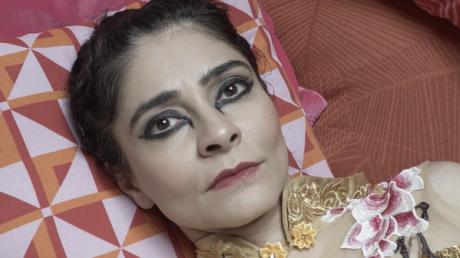
Shirin Neshat presents a new film trilogy, *Do U Dare!*, at the 16th-century Palazzo Marin in Venice alongside the Biennale. The work explores exile, fractured identity, and power through a female protagonist whose public isolation transforms into empowered expression in private. The trilogy is directly inspired by the story of Nasim Aghdam, an Iranian American known as the 'YouTube Shooter,' who in 2018 attacked YouTube's headquarters before taking her own life. Neshat interprets Aghdam's double life as a recluse and a social media star, focusing on the unstable boundary between self and performance in digital culture.

Amy Sherald Comes Home: “American Sublime” Opens at the High Museum

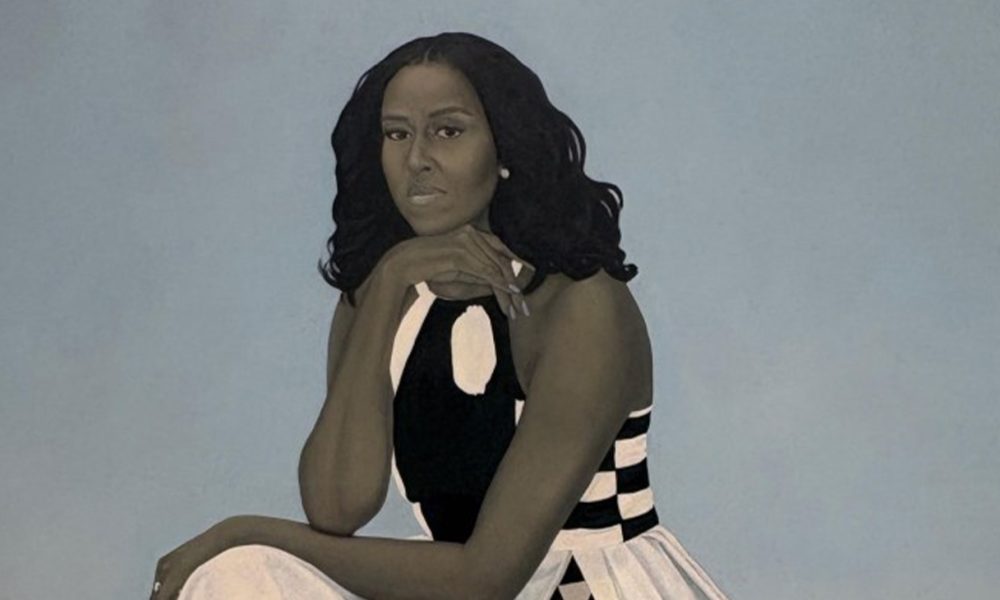
The High Museum of Art in Atlanta opens "Amy Sherald: American Sublime" on May 15, a mid-career retrospective featuring over 35 paintings from 2007 to 2024. The exhibition was originally scheduled to conclude at the National Portrait Gallery in Washington, D.C., but Sherald canceled that stop after a Trump administration executive order directed Smithsonian institutions to remove so-called "un-American content." The High Museum secured the final slot after the Baltimore Museum of Art, following months of coordination with SFMOMA, Sherald's studio, and Hauser & Wirth. The show includes Sherald's portrait of Breonna Taylor and her iconic Michelle Obama portrait, organized into five thematic sections.

Previews: 61st Venice Biennale: In Minor Keys

The 61st Venice Biennale, titled "In Minor Keys" and curated by the late Koyo Kouoh, opens amid global turmoil and internal controversy. Kouoh, who passed away in May 2025, conceived the exhibition around the metaphor of a "creole garden," emphasizing deep affinities between 111 artists from diverse locations such as Dakar, Beirut, and Salvador. The Biennale is overshadowed by recent geopolitical events, including US-Israeli airstrikes on Iran, and faces protests: over 70 participating artists signed an open letter opposing the participation of Israel, Russia, and the US, while the Australian pavilion saw the reinstatement of Khaled Sabsabi after being dropped, and South Africa withdrew its official pavilion over Gabrielle Goliath's femicide project, which she will still present independently.

25th Biennale of Sydney – Rememory

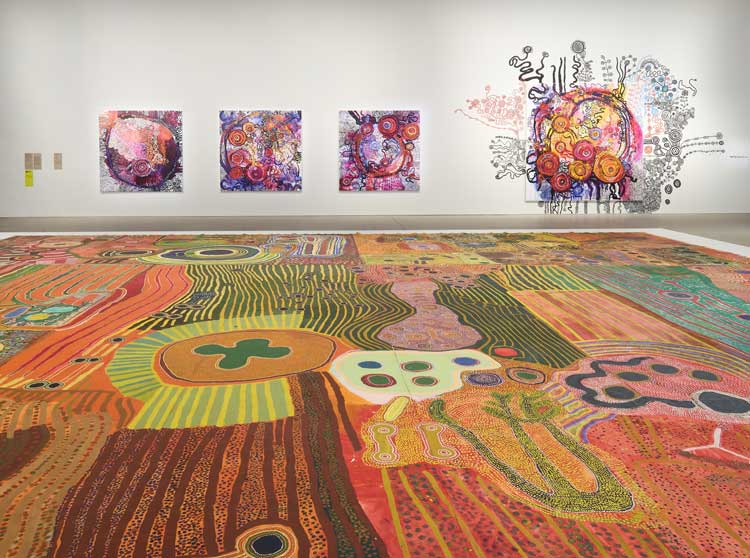
The 25th Biennale of Sydney, titled 'Rememory,' opened on March 14, 2026, across multiple venues including the Art Gallery of New South Wales, White Bay Power Station, and the Sydney Opera House. Artistic director Hoor Al Qasimi curated the event around the concept of 'rememory,' inspired by Toni Morrison's novel *Beloved*, featuring over 143 works by 83 artists and collectives from 37 countries. The biennale centers First Nations voices and diasporic communities, with standout pieces like the Ngurrara Artists' *Ngurrara Canvas II* (1997) and works by Yaritji Young. However, the event has faced controversy due to Al Qasimi's opposition to the war in Gaza, leading to criticism from donors and board members, as well as logistical disruptions from the Iran war affecting the curator and artists.

After the Afterparty: Berlin Art Tests Its Pulse during Gallery Weekend

Gallery Weekend Berlin took place from late April into early May, drawing large crowds despite ongoing concerns about the city's declining art-market relevance. The weekend kicked off with early previews on Wednesday, including Alex Heide's solo exhibition "the darkroom beams horizons" at the new space Klix, and continued with events at Sprüth Magers, the Between Bridges Foundation, and the hidden venue CHB Fine Arts, which featured works by Nairy Baghramian, Jack O'Brien, Sofia Duchovny, Ilya Lipkin, and Mania Godarzani-Bakhtiari. Friday, coinciding with May Day, saw gallery visits at Molitor and KOW, where Ketuta Alexi-Meskhishvili and Candice Breitz presented solo shows.

Across Venice, Artists Defy Censorship to Mourn and Memorialize Gaza

The 2026 Venice Biennale, titled “In Minor Keys,” features numerous artworks that mourn and memorialize the destruction of Gaza, despite censorship pressures. The main exhibition opens with a poem by slain Palestinian poet Refaat Alareer, and includes works by artists such as Theo Eshetu, Mohammed Joha, Manuel Mathieu, and Avi Mograbi that directly or indirectly address the conflict. Outside the official Biennale, South African artist Gabrielle Goliath’s performance series “Elegy” was censored by her country’s culture minister after she proposed a version honoring murdered Palestinian poet Hiba Abu Nada, leading her to present the work independently at a church in Venice.

Arghavan Khosravi Breaks Through Gendered Restrictions in Her Architectural Portraits

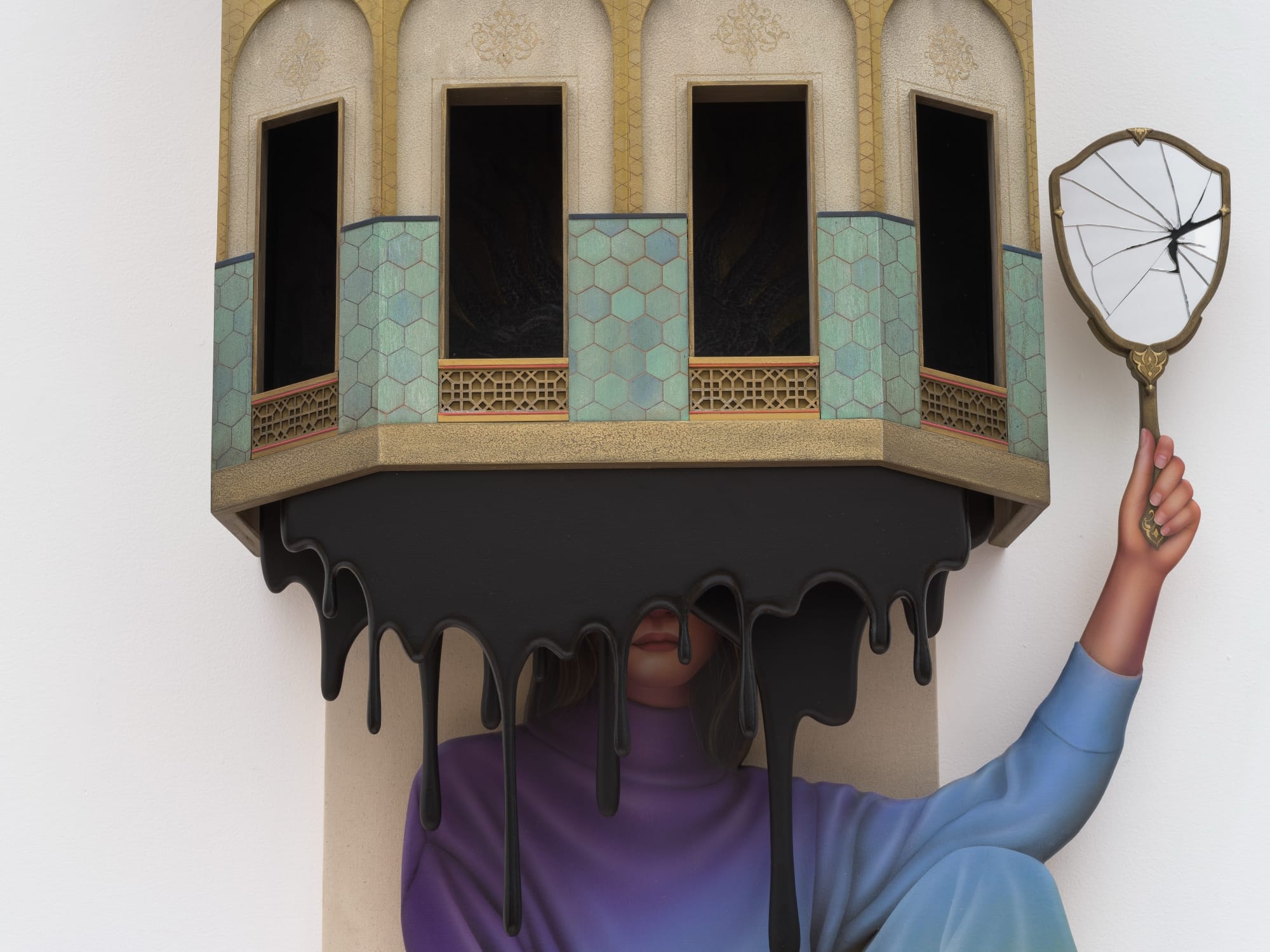
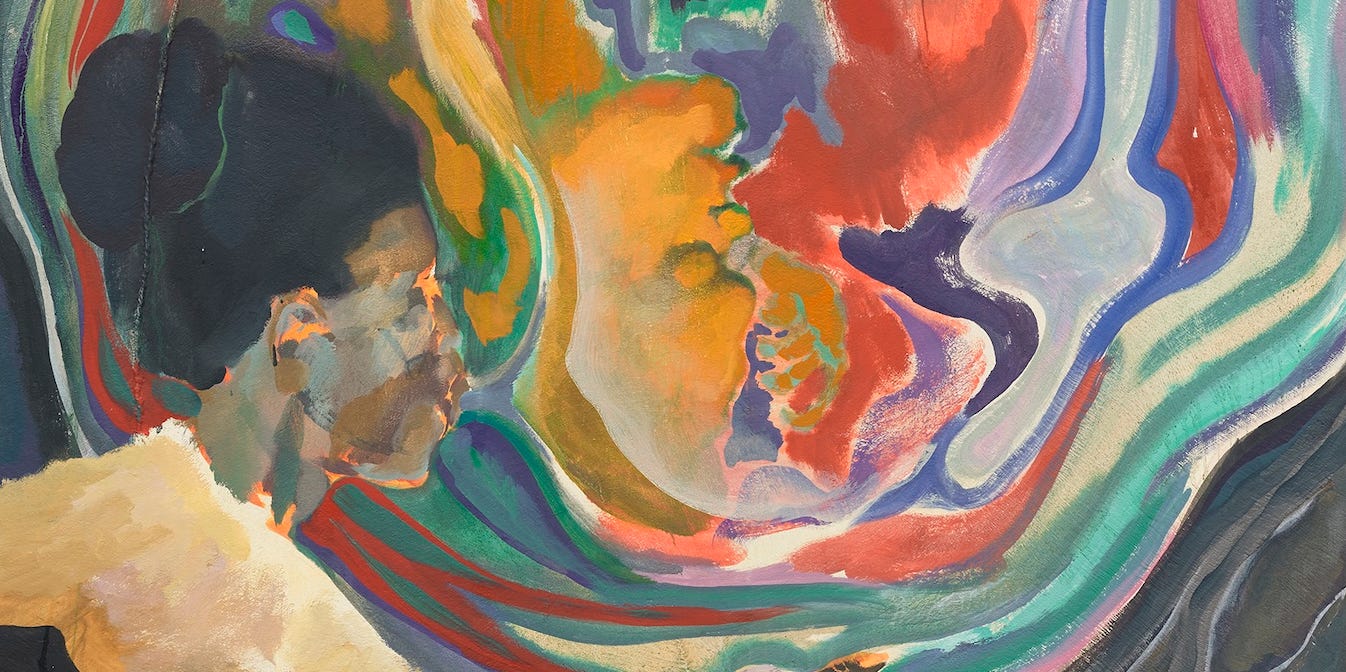
Arghavan Khosravi's solo exhibition "What Remains" opens today at Uffner & Liu in New York, presenting a new body of sculptural paintings that fuse Persian architecture with Christian altarpieces. The works explore women's fight for equality under censorship and religious dogma in Iran, featuring figures restricted by domestic objects, hinged shutters, and suspended cords, with fragments of limbs or faces visible. Key pieces include "Suspended" (2026), "Bearing" (2026), and "The Whisper" (2026), running through July 2.

'Something Borrowed, Something New' at Sarasota Art Museum features 85 works from 10 private collections

Ten art collectors from Tampa, St. Petersburg, and Sarasota have loaned 85 works from their private collections to the Sarasota Art Museum for the exhibition 'Something Borrowed, Something New.' The show features pieces by renowned artists including Kara Walker, Ai Weiwei, Alex Katz, Robert Mapplethorpe, Chuck Close, Hank Willis Thomas, and Yoko Ono, with many prints coming from Graphicstudio at the University of South Florida. The exhibition was conceived by executive director Virginia Shearer after visiting collectors' homes and was inspired by a trip to the Renwick Museum at the Smithsonian.

What not to miss at the 2026 Venice Biennale

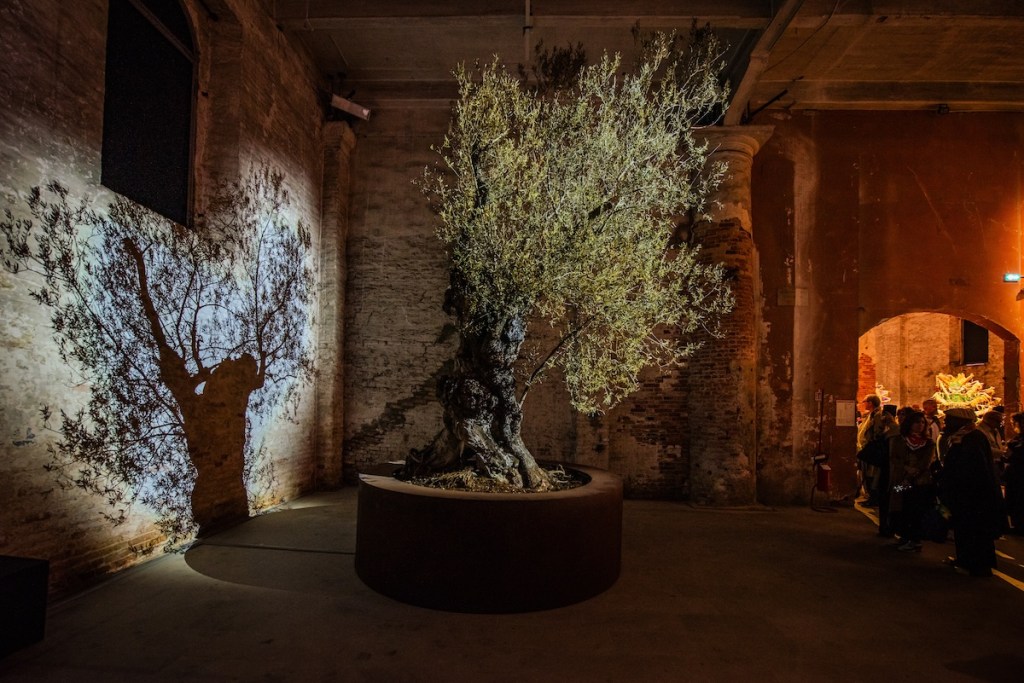
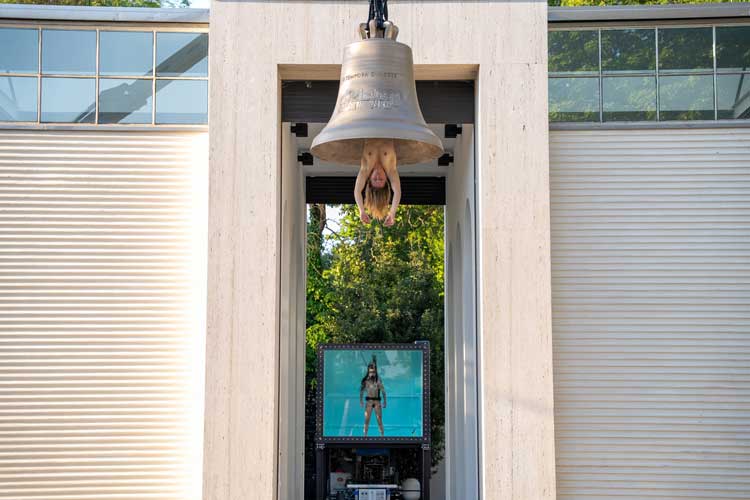
The article highlights five standout pavilions and installations at the 2026 Venice Biennale. Florentina Holzinger's Austrian pavilion features extreme, nude performances including a woman submerged in a urine-purified tank, drawing police attention. Sanya Kantarovsky presents eerie paintings and a Murano glass sculpture in a historic palazzo. Gabrielle Goliath's 'Elegy'—a hypnotic mourning performance for women killed in violence—was banned by South Africa but staged with London's Ibraaz. Carrie Schneider's 1.5km photographic curl in the Arsenale references Chris Marker's 'La Jetée'. Lydia Ourahmane's delicate sculptural show uses materials sourced from Venice, including a bead curtain made by inmates.

What Has the American Inquisition Done to Art?

An exhibition titled "American Inquisition" opened in mid-March at No Place Gallery, an artist-run space in Columbus, Ohio. Featuring paintings by Shiva Addanki and Nikholis Planck, the show draws its name from a statement by the Popular Front for the Liberation of Palestine supporting detained activist Mahmoud Khalil, and its critical framework from Mike Davis's book "Buda's Wagon." Addanki's works depict scenes of US imperial violence, including downed drones and counterinsurgents at detention centers, while Planck's paintings map extractive infrastructure, subverting traditional landscape painting with industrial detritus and petroleum tankers.

"One of the most dramatic Biennales": 11 unmissable art shows to see at Venice

Theo Christelis reports from the opening week of the 2024 Venice Biennale, describing it as one of the most dramatic editions in recent memory. Key events include the death of main curator Koyo Kouoh and German Pavilion artist Henrike Naumann, the resignation of the prize jury over the participation of Israel and Russia, a protest by Pussy Riot, and a boycott by half the participating artists. Amid the turmoil, Christelis highlights unmissable shows including the Indian Pavilion (returning after seven years), Jenny Saville at Ca' Pesaro, Michael Armitage at Palazzo Grassi, and presentations at the British, Japanese, and Saudi Arabian Pavilions.

Venice Biennale 2026 Roundup

The 61st Venice Biennale, titled "In Minor Keys" and curated by the late Koyo Kouoh, opened in May 2026 amid significant turmoil. The Austrian Pavilion features Florentina Holzinger's performance piece "Seaworld Venice," centered on a giant bell that chimes hourly. The biennale has been marked by the death of its curator, the resignation of the international jury over the inclusion of Russia and Israel, protests by Pussy Riot and the Art Not Genocide Alliance, and the cancellation of the South African Pavilion over Gabrielle Goliath's "Elegy," which honors murdered women including a Palestinian poet. The US Pavilion's state-sponsored offerings have also drawn criticism.

Who’s Afraid of____? at Turquoise

Turquoise gallery in New York is presenting a group exhibition titled "Who’s Afraid of____?" from March 27 to May 10, 2026. The show features works by Anna-Sophie Berger, K.P. Brehmer, David Diao, Gaylen Gerber, Joseph Grigely, John Heartfield, Nandi Loaf, and Alicia Riccio, with images courtesy of the artists, The Heartfield Community of Heirs / Artists Rights Society (ARS), New York, and the gallery.

As Democracy Falters, a New York Museum Champions Activism

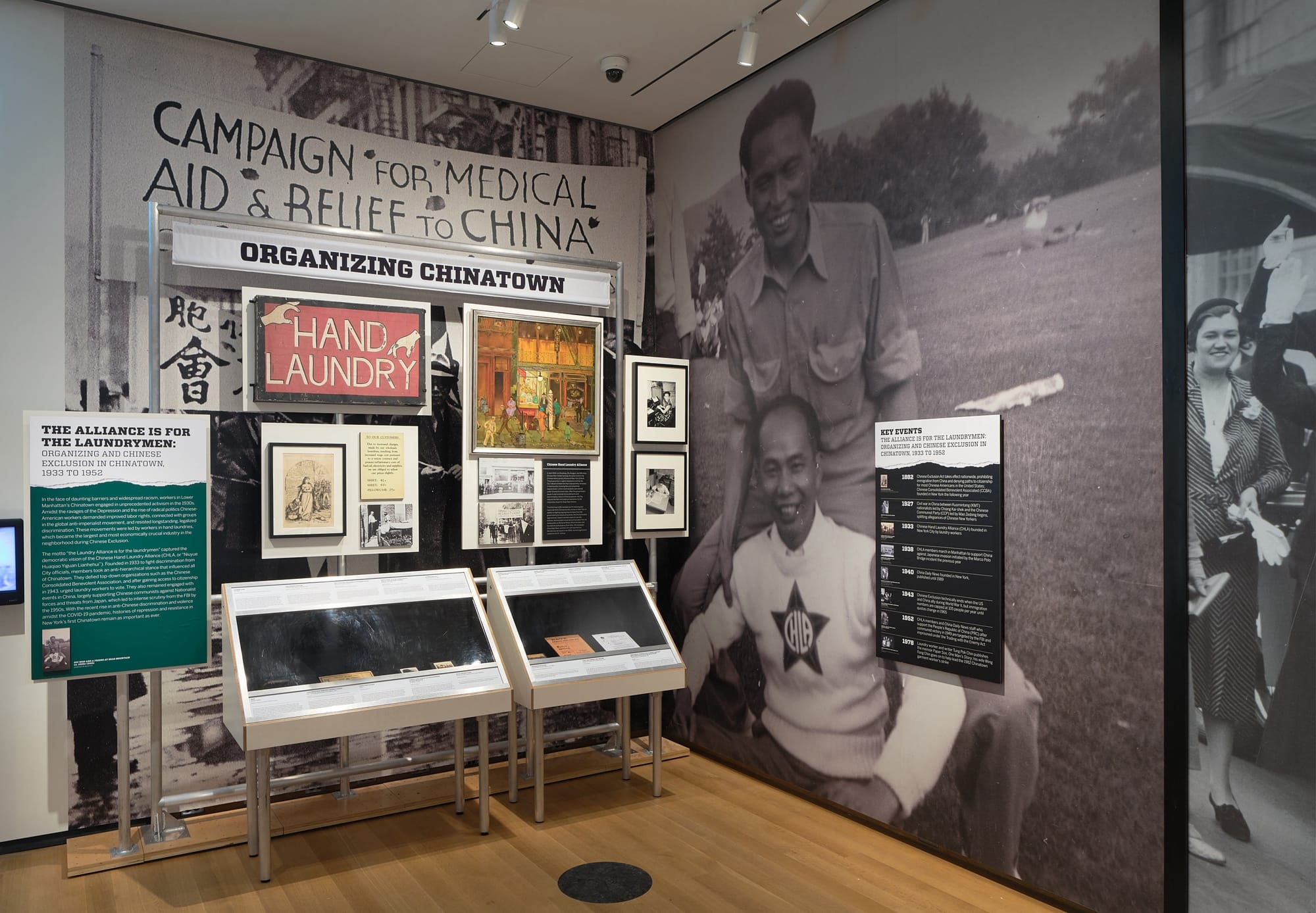
The Museum of the City of New York (MCNY) in East Harlem will open the Puffin Foundation Center for Social Activism this fall, replacing its existing Puffin Foundation Gallery. The expanded center, funded by an $8 million donation from the Puffin Foundation, will feature a new version of the permanent exhibition "Activist New York," along with temporary shows, public programs, and an annual fellowship. The inaugural temporary exhibition, "Halumii Ktapihna: Lenape Legacies and Future," marks the 400th anniversary of Manhattan's purchase from Indigenous peoples.

Artist appointed, axed then reinstated from Venice Biennale triumphs

Khaled Sabsabi, a Lebanese Australian artist, presents his installation 'conference of one's self' at the Australia Pavilion of the Venice Biennale, alongside a second work 'khalil' in the main exhibition 'In Minor Keys' curated by Koyo Kouoh. His participation follows a tumultuous period in February 2025 when he was initially appointed to represent Australia, then controversially sacked by Creative Australia's board after a political dispute triggered by Senator Claire Chandler's comments, and later reinstated. Sabsabi is now one of only three artists in the Biennale's 131-year history to show in both a national pavilion and the main exhibition.

"Hier darf laut gelacht werden"

During the opening week of the Venice Biennale, multiple reports detail controversies surrounding the Israeli and Russian pavilions. According to Hyperallergic, artist Belu-Simion Fainaru of the Israeli pavilion threatened legal action against the Biennale after the jury sought to exclude Israel and Russia from prizes over alleged human rights violations, citing antisemitism and nationality-based discrimination. This may have prompted the jury's sudden resignation. Meanwhile, taz reports that Russia's pavilion is a macabre 'dance of death' blending techno and political denial, while Israel's pavilion faces a 'silent boycott' and social ostracism. Zeit describes protests by Pussy Riot and Femen outside the Russian pavilion as a defining image, with activists chanting 'blood sticks to the art of this country.'

Yosra Mojtahedi, Iranian artist who moved from painting to astonishing living sculptures

Yosra Mojtahedi, artiste iranienne passée de la peinture à de stupéfiantes sculptures vivantes

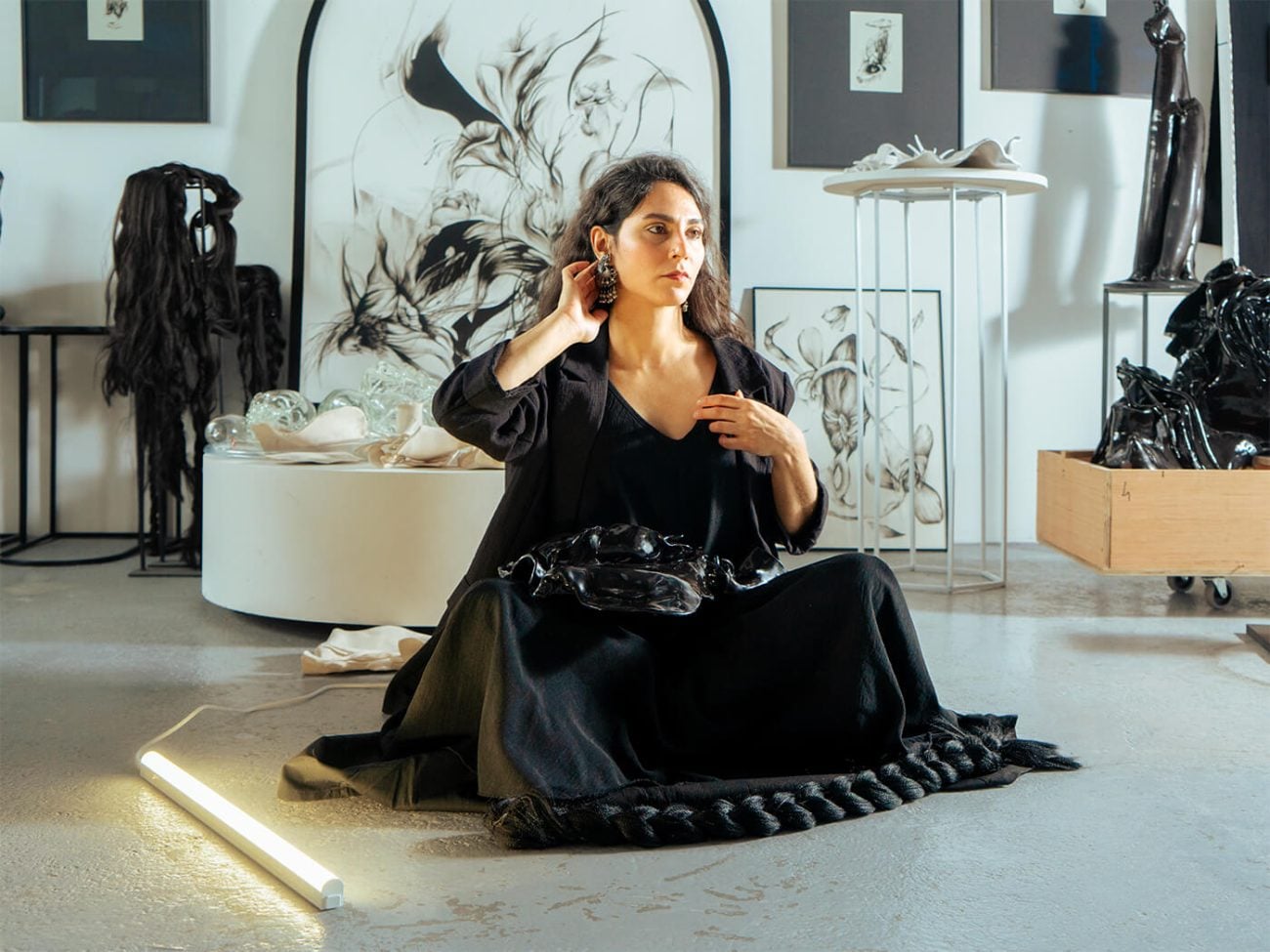
Yosra Mojtahedi, an Iranian artist born in 1986, has transitioned from painting to creating stunning living sculptures. Her work, characterized by black and white contrasts, features sculptures that breathe, have hair, and incorporate torn tights and synthetic locks, evoking themes of identity, censorship, and bodily autonomy. She recently presented a spectacular installation titled "Isthme noir" at the Espace Monte-Cristo in Paris and an exhibition at the Abbaye de Maubuisson, where her spiritual universe unfolds across multiple rooms. Mojtahedi's practice includes sound elements in Persian or Kurdish, and she views her sculptures as "bodies" that are both intimate and political.

Oleg Prokofiev’s Lost Trove of Paintings Comes to Light After Decades in Hiding

A trove of abstract paintings and sculptures by Russian artist Oleg Prokofiev, hidden for decades in Moscow after he fled the Soviet Union, has been rediscovered and is now on public display for the first time. Prokofiev concealed the works in the 1950s and 1960s to avoid state persecution—abstract art was banned in the USSR, and his relationship with British scholar Camilla Gray made marriage impossible until 1969. After Gray's death and his move to England, the artworks remained safely stored in Moscow, where he found them intact after the Soviet collapse. The collection, including paintings, sculptures, sketchbooks, and letters, is now exhibited at the newly founded Prokofiev Studio in Hackney, London, established by his four children and curator Anzhela Popova.

New space dedicated to Oleg Prokofiev—whose abstract art was censored by Soviet Russia—opens in London

A new art space called Prokofiev Studio has opened in Hackney, London, dedicated to the Russian artist Oleg Prokofiev. Its inaugural exhibition, 'Bending Time,' presents abstract works from the 1950s that were banned under Soviet censorship and long thought lost. The space was founded by Prokofiev’s children, including composer Gabriel Prokofiev, in collaboration with curator Anzhela Popova. The works were rediscovered in 1994 when Prokofiev returned to his former Moscow home and found them preserved by the new owner.

Read a book, flip off a Nazi: when reading meant resistance – in pictures

A new exhibition at Poster House in New York, titled "Reading Under Fire: Arming Minds & Hearts During Wartime," showcases vintage posters from World War I and World War II that promoted reading and book donations to support troops. The posters, drawn from the collections of the American Library Association, the YMCA, and other organizations, encouraged the public to supply soldiers with reading material as a form of morale-boosting and education. The exhibition runs until 1 November and is curated by Molly Guptill Manning.

Khaled Sabsabi’s Rocky Road From Australia to the Biennale

Lebanese-Australian artist Khaled Sabsabi was nearly removed from his commission for the Venice Biennale after being accused of supporting terrorism, but was later reinstated. He is now arriving in Venice to present not one but two works at the prestigious international exhibition.

'ART FROM WAR TO WAR: CHASING BUTTERFLIES OVER THE VERGE OF A CLIFF' at Beck & Eggeling International Fine Art, Düsseldorf, Germany on 28 May–15 Aug 2026

An exhibition titled 'ART FROM WAR TO WAR: CHASING BUTTERFLIES OVER THE VERGE OF A CLIFF' is on view at Beck & Eggeling International Fine Art in Düsseldorf, Germany, from 28 May to 15 August 2026. Curated by Antonio Geusa and Kay Heymer, the show features selected works from the Valeria Rodnianski collection, spanning artists from Germany and the Soviet/post-Soviet space. It is structured around two historical turning points—the construction of the Berlin Wall in 1961 and Russia's full-scale invasion of Ukraine in 2022—and organized into three thematic sections: Topos, Anthropos, and Logos, exploring place, human experience, and language.

A Theatre Group of Exiled Belarusian Artists Arrive in Venice, With an Exhibition That Shows What Repression Feels Like

The Belarus Free Theatre, an exiled underground theater group, will stage its first official collateral exhibition at the 61st Venice Biennale, titled “Official. Unofficial. Belarus.” The show, held in the historic La Chiesa di San Giovanni Evangelista di Venezia, features site-specific paintings, a sound installation, and large-scale sculptures that aim to immerse visitors in the experience of repression under authoritarian rule. This marks only the fifth time Belarus has been present at the Biennale, and the first time it appears not as a state but as a self-governing cultural body, challenging the official narratives of nations like Russia.

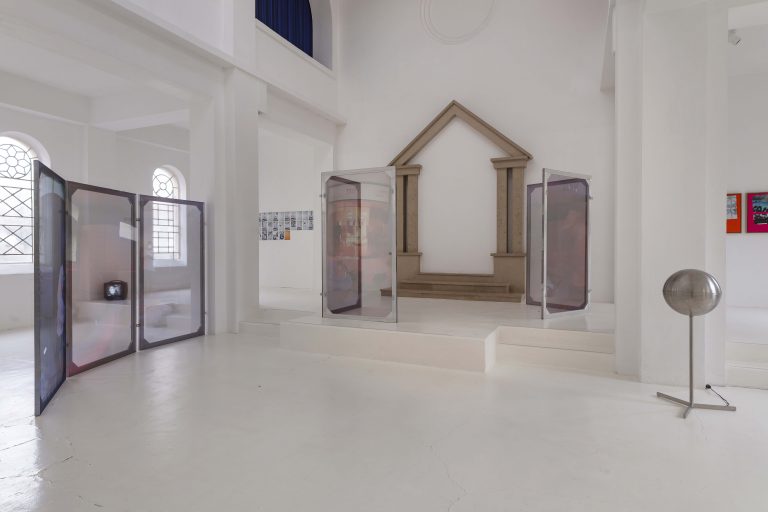
“Paroles, Paroles” at Centre d’Art Contemporain—la synagogue de Delme

The article announces the group exhibition “Paroles, Paroles” at the Centre d’Art Contemporain—la synagogue de Delme, featuring six artists, performers, and poets (including one duo). The show examines how language—its words, accents, and expressions—reflects political, social, and technological shifts, and how linguistic hybridization, transformation, and adaptation reveal both freedoms and constraints.