
filter_list Showing 4 results for "Facial" close Clear
search
dashboard All 8 museum exhibitions 4article news 3article culture 1
date_range Range Today This Week This Month All
Subscribe

Our pick of the best pavilions at the 61st Venice Biennale

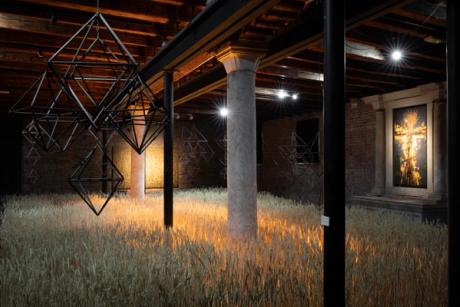
The article highlights standout national pavilions at the 61st Venice Biennale. The Belarus Pavilion features a powerful installation by the Belarus Free Theatre, including a wheat field built by former political prisoners, straw spiders made from prison bars, and a confession booth that runs facial recognition. The Brazil Pavilion presents a joint exhibition by Rosana Paulino and Adriana Varejão, focusing on colonial wounds and trauma through works like Paulino's 'Aracnes' and Varejão's 'Still Life amid Ruin'. The Bosnian Pavilion by Mladen Bundalo invites tactile engagement with themes of diaspora and migration, while the Austrian Pavilion by Florentina Holzinger draws attention with nude performers in water-filled pools.
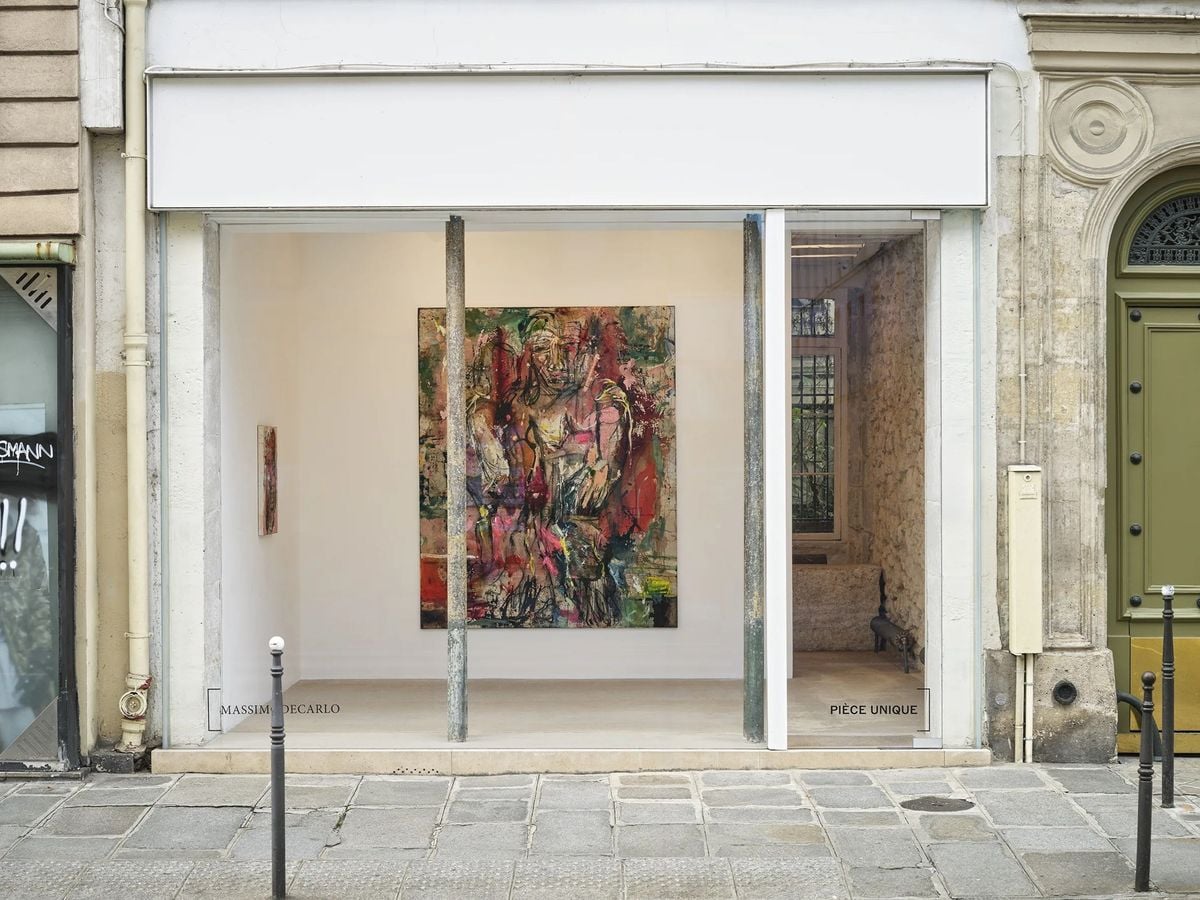
Exhibition | Daniel Crews-Chubb, 'Pareidolia' at MASSIMODECARLO Pièce Unique, Pièce Unique, Paris, France

MASSIMODECARLO Pièce Unique in Paris presents 'Pareidolia,' an exhibition of new paintings by London-based artist Daniel Crews-Chubb. The show explores the psychological phenomenon of pareidolia—the brain's tendency to see faces in random patterns—through heavily layered works created with hands, ink, oil, sand, and collage. Three paintings are featured: 'Immortal XXXVIII' and 'Immortal XXXIX' (2026), large-scale works drawing on cultural memory of ancient sculpture, and 'Mask XXIV' (2026), which tests the minimal cues needed for facial recognition. Crews-Chubb's process involves building up and tearing back surfaces over weeks, with charcoal lines added last to define emergent figures.

Sheung Yiu “(Inter)faces of Predictions” at C/O Berlin

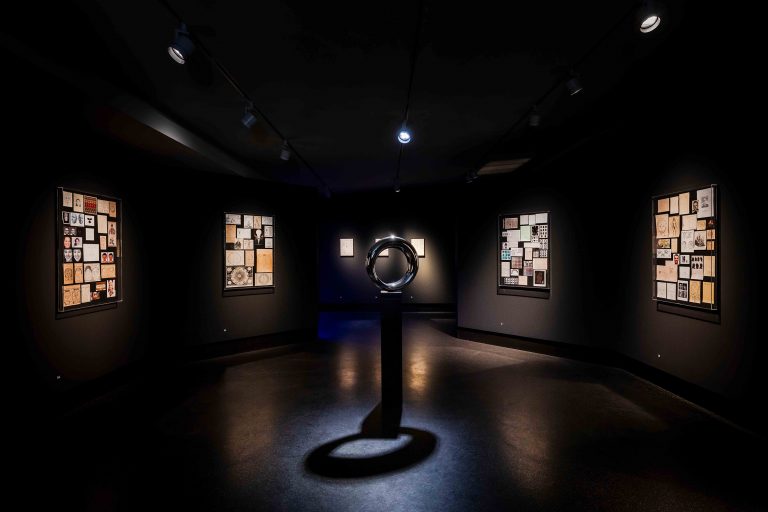
Finland-based artist researcher Sheung Yiu presents his long-term project "(Inter)faces of Predictions" at C/O Berlin, exploring how faces have been used across cultures and the implications of facial reading technologies. The exhibition examines the shift from spiritual to economic imperatives in facial interpretation, highlighting the progressive deterioration of human agency.

Portrait adds a dusting of mystery to exhibition in Bishop Auckland

A mystery portrait has prompted a public appeal in County Durham as a major new exhibition celebrating miner-artist Tom McGuinness opens at Bishop Auckland’s Mining Art Gallery. Visitors are being asked to help identify an unknown man depicted in a 1963 charcoal drawing, *Portrait of an Unknown Man*, now on display as part of *Tom McGuinness: Out of the Darkness*, which marks the centenary of the artist’s birth and runs throughout 2026. McGuinness, born in Witton Park, worked in the mines for nearly four decades, and his art captures the physical and emotional realities of mining life. The portrait was initially thought to depict the artist’s father-in-law, but his daughter Corinne Aspel has challenged that assumption, noting clear differences in facial features.