filter_list Showing 6 results for "Gele" close Clear
search
dashboard All 8 museum exhibitions 6article culture 1article policy 1
date_range Range Today This Week This Month All
Subscribe

Photographer Catherine Opie is everywhere all at once this spring

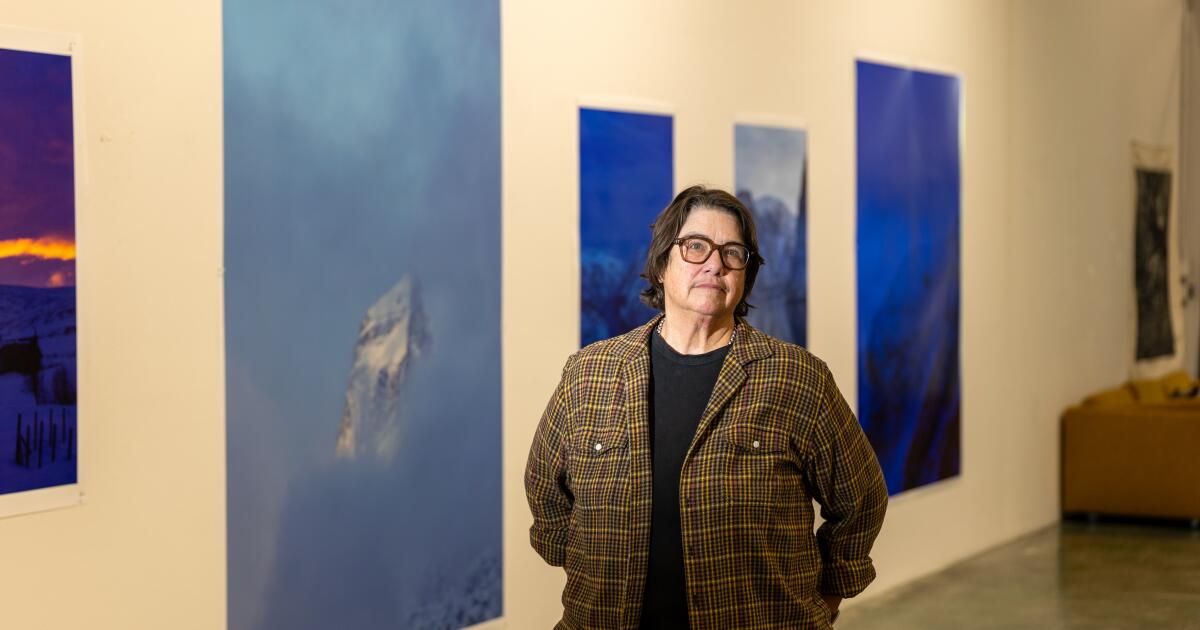
Photographer Catherine Opie is experiencing an extraordinary year in 2026, with multiple major exhibitions opening simultaneously across Europe and Los Angeles. A career-spanning survey at London’s National Portrait Gallery will travel to Edinburgh’s Royal Scottish Academy, while other shows appear in Kassel, Germany, and Trondheim, Norway. In Los Angeles, her new exhibition “Holding Blue” opens May 28 at Regen Projects, featuring 44 images of Norwegian mountain landscapes shot over 20 days in early 2024, accompanied by nine ceramic sculptures. Her work also appears in group shows at the Autry Museum of the American West, Hauser & Wirth, and David Zwirner. Opie, who retired from UCLA after serving as chair of the art department and teaching photography for more than 20 years, describes this period as the “Catherine Opie World Tour 2026.”

Au Mémorial de Caen, les artistes africains font face à l’histoire de la colonisation

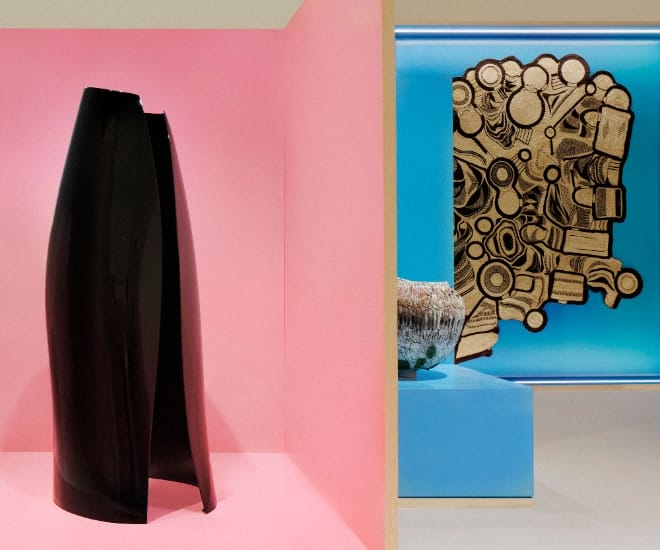
The Mémorial de Caen, a museum dedicated to World War II and the Cold War, has opened a new exhibition titled "(Dé)colonisations: des artistes africains interrogent l'histoire" (Decolonizations: African Artists Question History). Curated by Ayoko Mensah and Jean-Yves Marin, the show features 80 works by contemporary artists of sub-Saharan African origin, including Omar Victor Diop and Roméo Mivekannin. Swiss collector Jean Claude Gandur, who is building a foundation adjacent to the museum, lent 23 works, and his foundation's curator Olivia Fahmy helped organize the exhibition. The show is a prelude to a planned permanent section on colonial history at the memorial.

8 Mind-Bending Digital and Art Exhibitions To Visit

LUXUO highlights eight immersive exhibitions that integrate digital technologies, AI, and sensory engagement to redefine contemporary art experiences. Featured venues include DATALAND in Los Angeles, the world's first museum dedicated to AI-generated art, opening in June 2026 with its inaugural show "Machine Dreams: Rainforest"; the Museum of the Future in Dubai, which uses narrative simulations to explore speculative futures; and Moco Museum Amsterdam's "Digital & Immersive Art" by Studio Irma, focusing on interactive light-based installations. Other exhibitions blend projection mapping, 3D environments, and data-driven installations to transform how audiences perceive and interact with art.

A burned Altadena lot becomes an art exhibit, sourced from remnants and sounds of Eaton fire

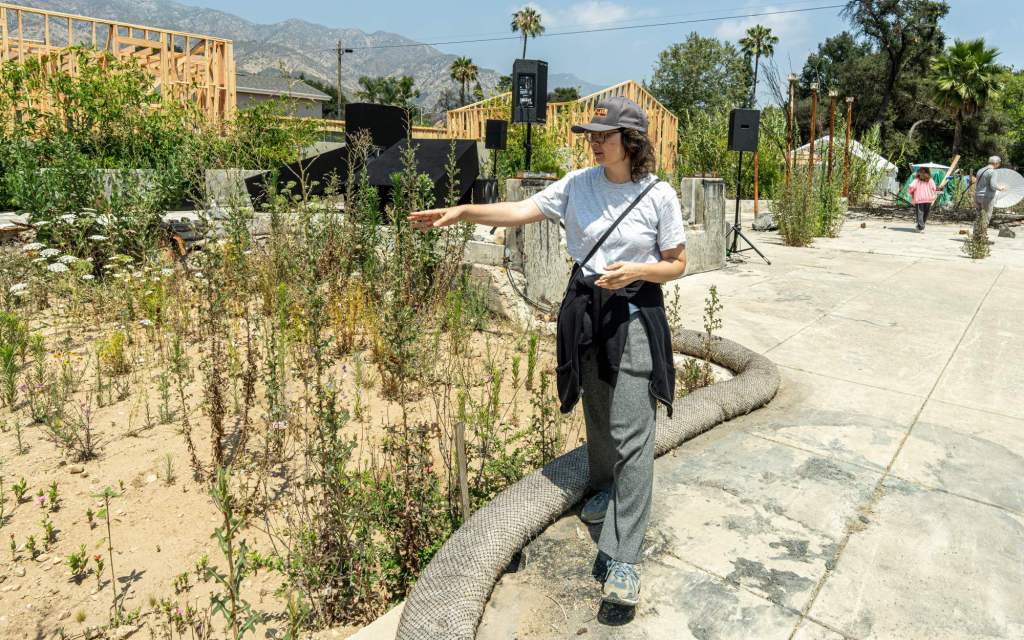
Artist Kelly Akashi, whose Altadena home and studio were destroyed in the January 2025 Eaton fire, has transformed the burned lot at 2650 Highview Ave. into a two-day art exhibition titled "Field Set," held May 23–24, 2026. The exhibit features Akashi's sculptural works made from fire remnants and a sound installation by collaborator Phil Peters, who used custom microphones to record the ongoing demolition and rebuilding sounds. Visitors were invited to sit on speakers and feel the low-frequency vibrations, creating an immersive experience that blends art with the physical memory of the disaster.

Widline Cadet brings first solo U.S. show to Milwaukee Art Museum

Widline Cadet presents her first solo U.S. museum exhibition, "Currents 40: Widline Cadet," at the Milwaukee Art Museum, on view through August 9. The show features her hypnotic triptych of photographs, her debut photography book "Seremoni Disparisyon (Ritual [Dis]Appearance)," and works across photography, installation, video, and ceramic that explore Black femininity, Haitian folklore, and the immigrant experience. Cadet, born in Haiti and raised in New York, has gained prominence through residencies at the Studio Museum in Harlem and publications in The New Yorker and Aperture Magazine.

Zum Lachen aufgelegt

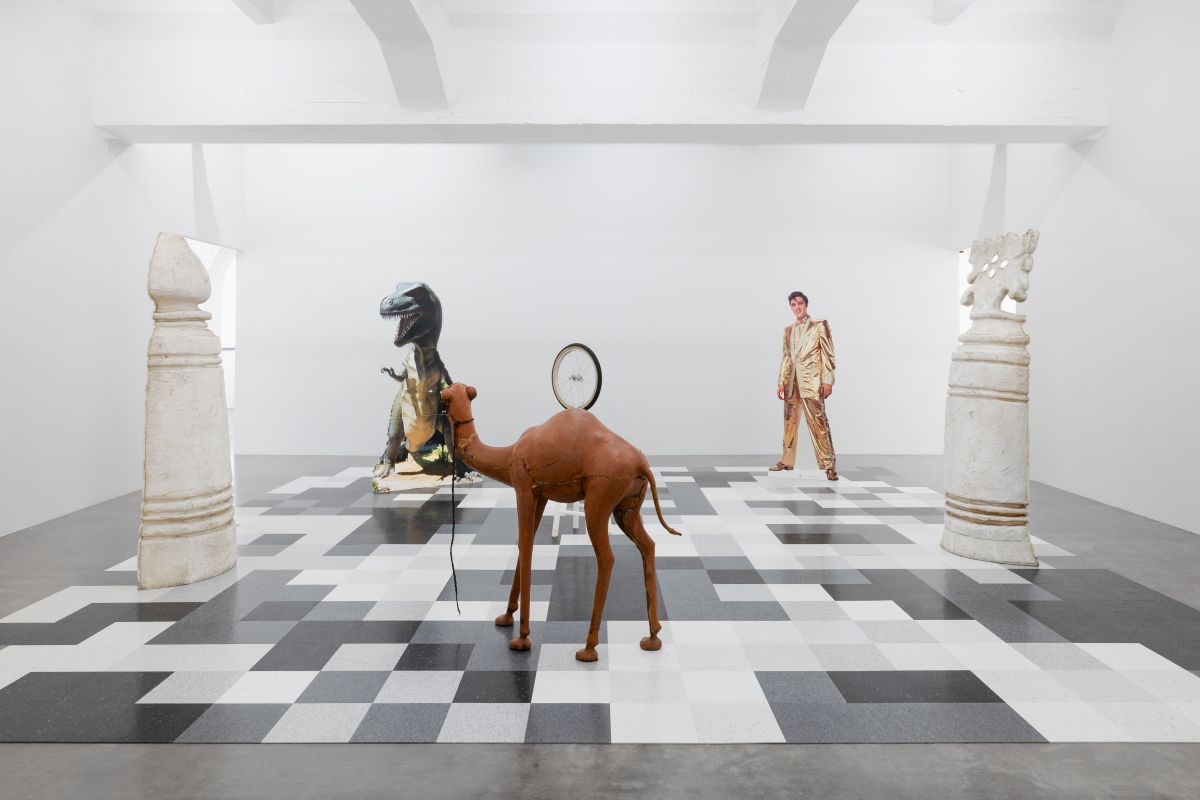
A brilliant retrospective at the Wiels art center in Brussels examines how Lutz Bacher used bitter humor and readymades to dissect American visual culture, power, and gender roles—all while keeping her own identity hidden. The exhibition highlights Bacher's practice of working under a pseudonym since the 1970s, refusing interviews, and letting her art speak for itself.