filter_list Showing 6 results for "Handmade" close Clear
search
dashboard All 8 museum exhibitions 6article culture 1article local 1
date_range Range Today This Week This Month All
Subscribe

Where Parts Meet: Yu Ji’s “Origin of the Tiger”

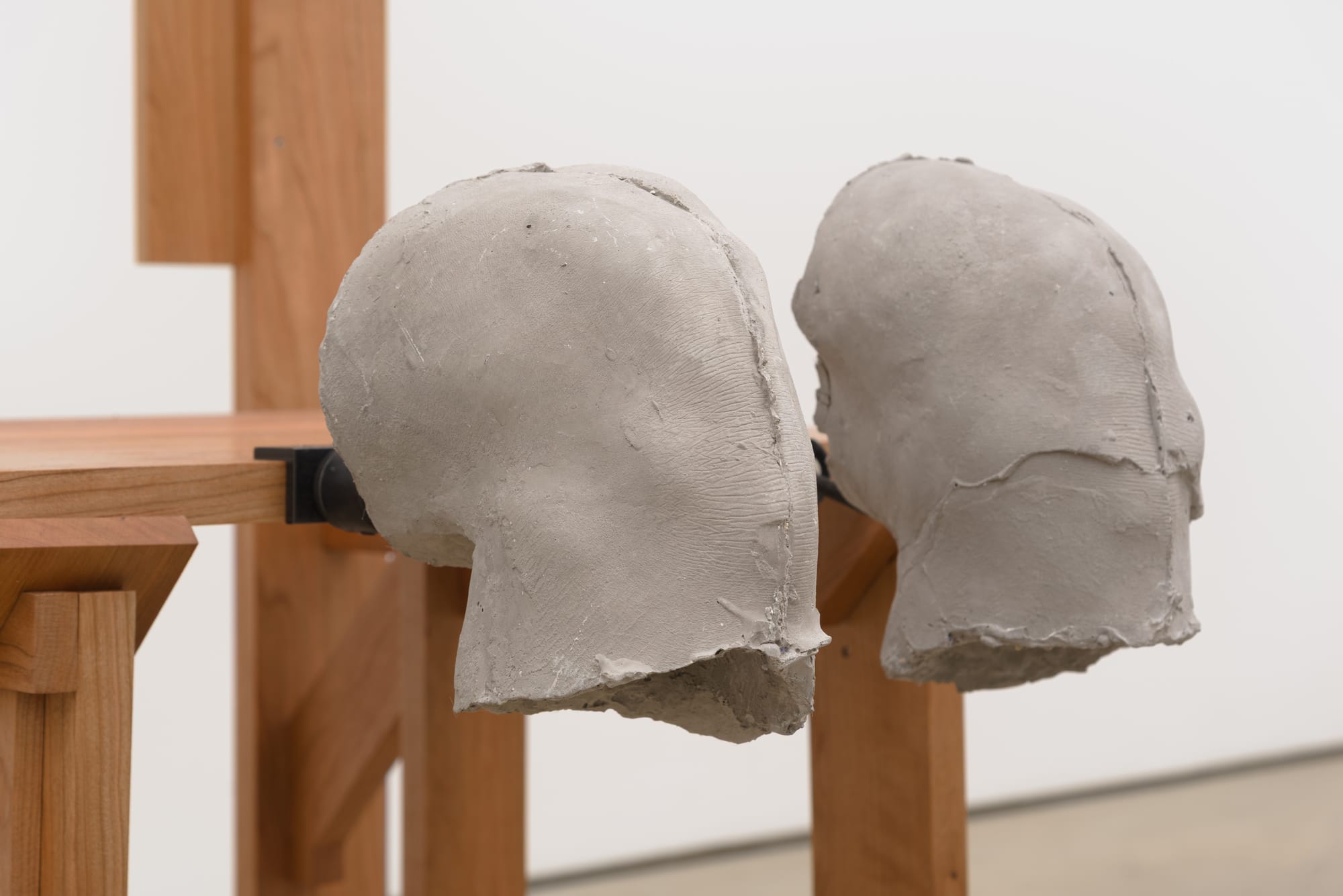
Shanghai-based artist Yu Ji presents her first solo exhibition in New York, "Origin of the Tiger," at P.P.O.W gallery from March 6 to April 11, 2026. The show features multimedia sculptures and installations made during a self-organized residency in Phnom Penh, Cambodia, where she collaborated with Khmer artisans and local children through the project PKA (PLAY KNOW ATTENTION). Works incorporate reed mats, concrete knees, snail shells, and modular furniture, emphasizing joints, fragmentation, and reassembly.
'Plants and Animals' at Perrotin, Los Angeles, United States on 1–30 May 2026

Perrotin Los Angeles is presenting 'Plants and Animals,' a special focus exhibition running from May 1–30, 2026, in conjunction with Kyungmi Shin's solo show 'My Fantasy's Burdens.' The exhibition is anchored by Shin's installation 'ready to fly,' which includes 15 handmade ceramics and planters, and also features works by Theodora Allen, Chiho Aoshima, Amy Cutler, Jean-Michel Othoniel, and Austyn Weiner, all centered on plant, flower, fruit, and animal subjects.

Color in Full Bloom: Chihuly Transforms Meijer Gardens

Frederik Meijer Gardens & Sculpture Park in Grand Rapids, Michigan, will host "CHIHULY at Meijer Gardens" from May 2 to November 1, 2026, featuring the largest exhibition of Dale Chihuly's work ever held at the institution. The show includes 12 large-scale outdoor installations, over 80 indoor glass pieces, and 40 related drawings, with a 30-foot tower and glass boats in the Japanese Gardens. This marks the third Chihuly exhibition at Meijer Gardens, following shows in 2002 and 2010, and is one of only two 2026 exhibitions of the artist's work worldwide—the only one in America.

Faig Ahmed Weaves Mysticism, Science, Technology, and Craft into ‘The Attention’

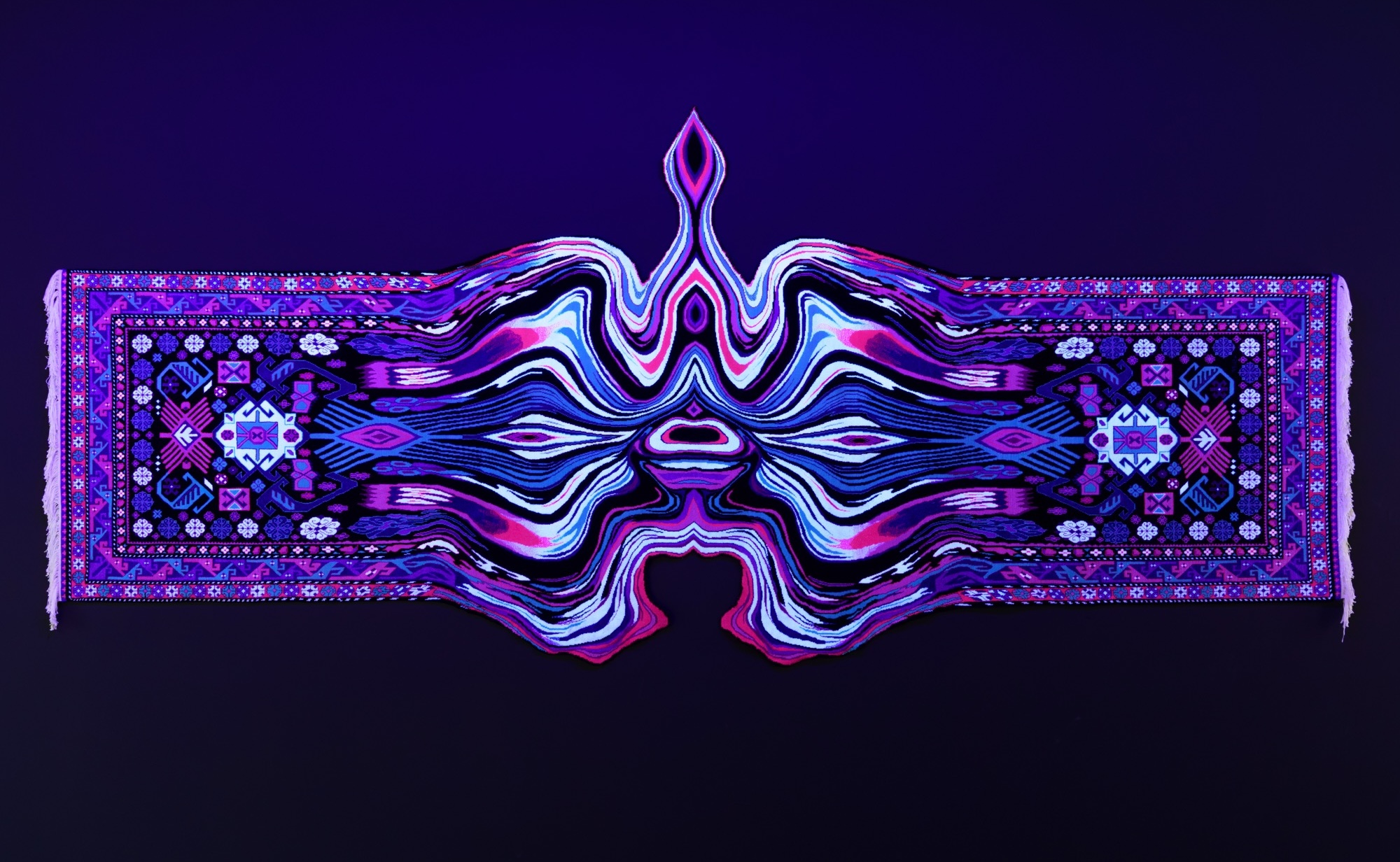
Faig Ahmed, the Baku-based artist known for transforming traditional Azerbaijani carpets into melting, glitching textile sculptures, has opened a solo presentation at the 61st Venice Biennale, where he represents Azerbaijan. Titled 'The Attention,' the sprawling, maze-like installation curated by Gwendolyn Collaço explores science, alchemy, spirituality, and self-perception, weaving together digital processes with handcrafted techniques. Works include monumental machine-woven carpets like 'I Can Contain Both Worlds But I Do Not Fit Into This One,' a handwoven piece called 'Ancestors' that glows under black light, and 'Entropy Altar,' which uses a quantum random number generator to respond to visitors. The exhibition bridges 15th-century Hurufi mysticism with modern information theory, reflecting Ahmed's interest in consciousness, quantum physics, and the dialectic between measurable science and subjective experience.

Inside Saudi Arabia’s pavilion at the Venice Biennale

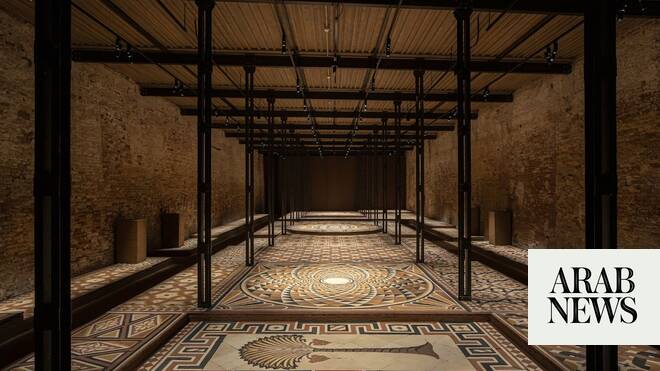
Saudi Arabia's national pavilion at the 61st Venice Biennale features a new installation by Saudi-Palestinian artist Dana Awartani titled "May your tears never dry, you who weep over stones." Curated by Art Jameel's director Antonia Carver and assistant curator Hafsa Alkhudairi, the work comprises over 29,000 handmade clay bricks arranged in intricate mosaics referencing 23 threatened cultural heritage sites across the Arab world, including Syria, Lebanon, and Palestine. The installation, which took more than 30,000 labor hours with 32 artisans, has become a crowd favorite since the biennale opened on May 9.

How Do You Curate an Exhibition on Genocide? Faisal Saleh and the Palestinian Question That Crosses the Venice Biennale

“Come si cura una mostra sul genocidio?”: Faisal Saleh e la domanda palestinese che attraversa la Biennale di Venezia

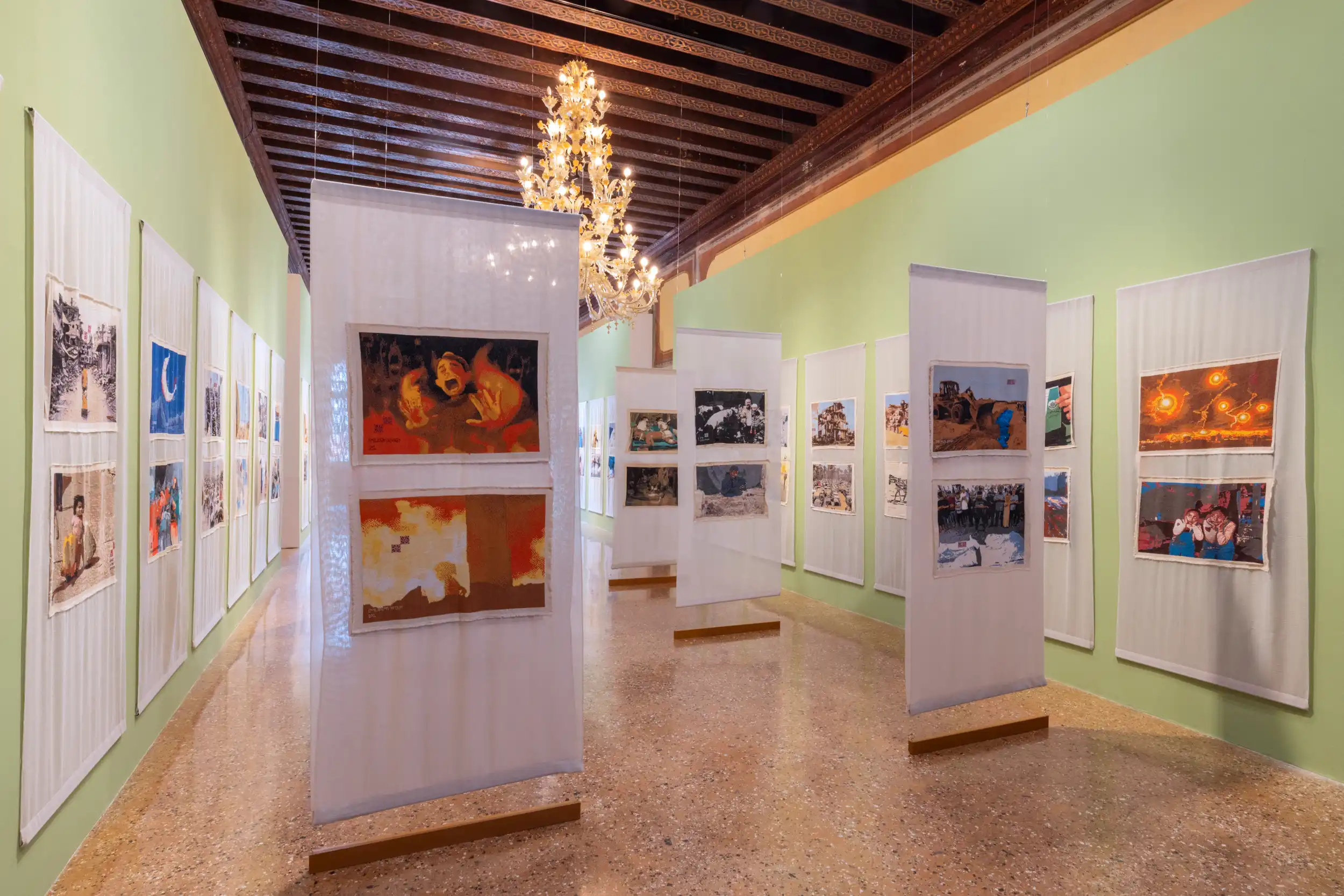
At the 2026 Venice Biennale, a collateral exhibition titled “Gaza – No Words – See the Exhibit” presents 100 embroidered works using the traditional Palestinian technique of Tatreez. Curated by artist Faisal Saleh, founder of the Palestine Museum US, the show transforms embroidery from decoration into political testimony, reconstructing scenes from Gaza over the past two and a half years: shrouded bodies, killed children, mothers bidding farewell, bombed hospitals. The exhibition is housed at Palazzo Mora and has been called by many visitors “the real Palestinian Pavilion” of the Biennale, though it is not an official national pavilion.