
filter_list Showing 3 results for "INDEX" close Clear
dashboard All 7 museum exhibitions 3article local 2article culture 1article policy 1
date_range Range Today This Week This Month All
Subscribe

Berlin is the capital of contemporary performance. Here's why

Berlino è la capitale della performance contemporanea. Ecco perché

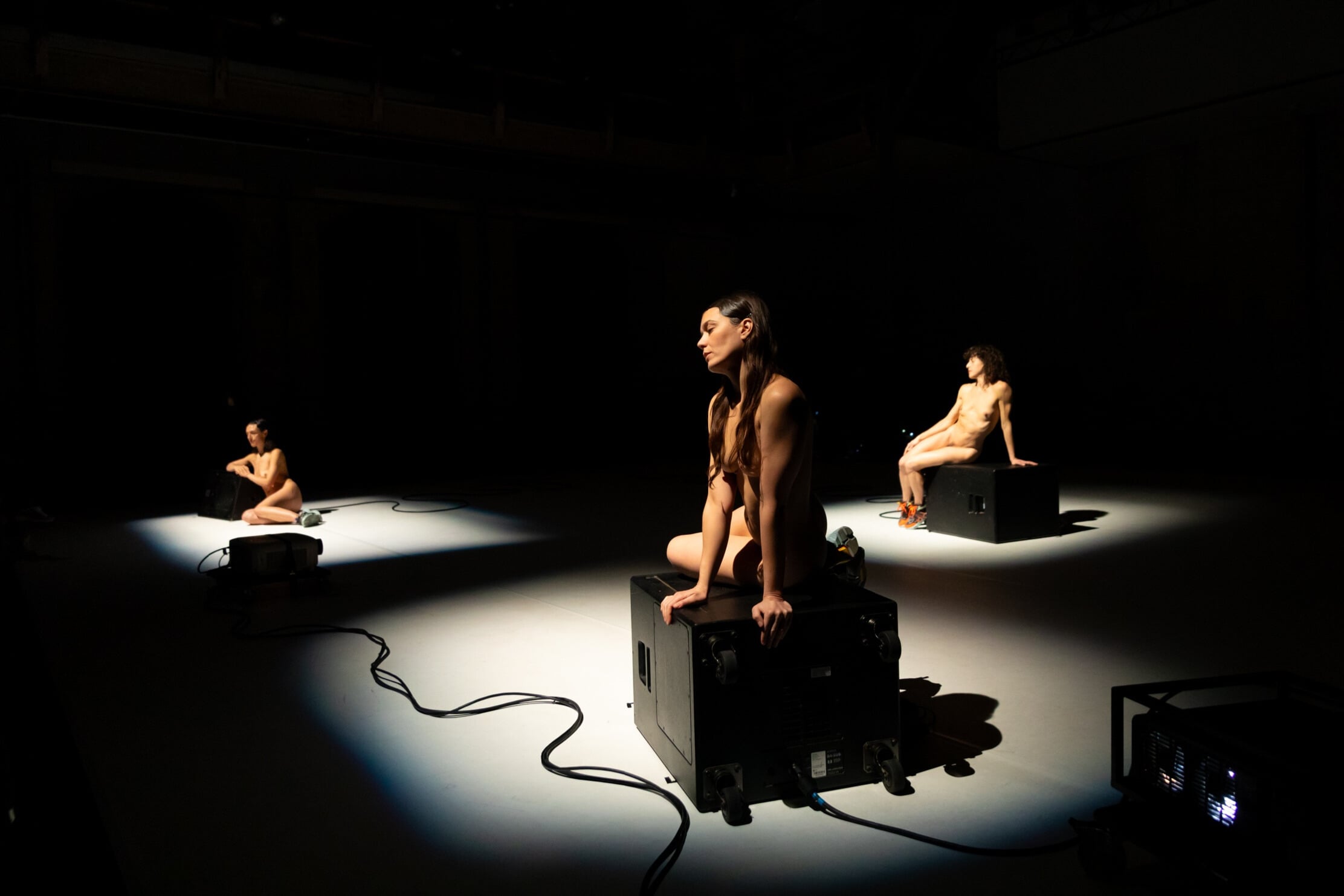
Berlino si conferma capitale della performance contemporanea, con musei e spazi non teatrali che diventano luoghi di azione e sperimentazione. L'articolo descrive quattro recenti performance: 'Glitch Choir – Vocal Variations' di Deva Schubert allo Schinkel Pavillon, dove il corpo e la voce esplorano il glitch come condizione fisica e politica; 'Roses Rising – The Movement' di Leila Hekmat al Gropius Bau, un rituale collettivo di danza e musica; e altre opere che trasformano istituzioni come l'Hamburger Bahnhof in dispositivi di produzione sensoriale. Anche il Bode Museum partecipa con 'The Healing Museum', uno spazio di meditazione interreligioso.

Jemima Wyman

Jemima Wyman's retrospective "Deep Surface" surveys three decades of her work exploring DIY aesthetics of concealment, protest iconography, and political solidarity. Born in Sydney and based in Los Angeles since 2004, Wyman is known for collages of masked protesters, activist signage, and street rally residues, as seen in works like *Aggregate Icon (RBW)* (2016) and *Mass Monument (Y & B)* (2018). The exhibition highlights her early inspiration from Fluxus, Minimalism, and Yayoi Kusama, as well as the influence of Brisbane's late-1990s art scenes and postcolonial Indigenous Australian art debates. Wyman, who has Indigenous (Palawa) heritage, uses camouflage and disguise to blur boundaries between visibility and concealment, figure and ground.

Portland artist Ami Maki debuts body-positive ‘Obese Landscapes’ exhibit at Multnomah Arts Center

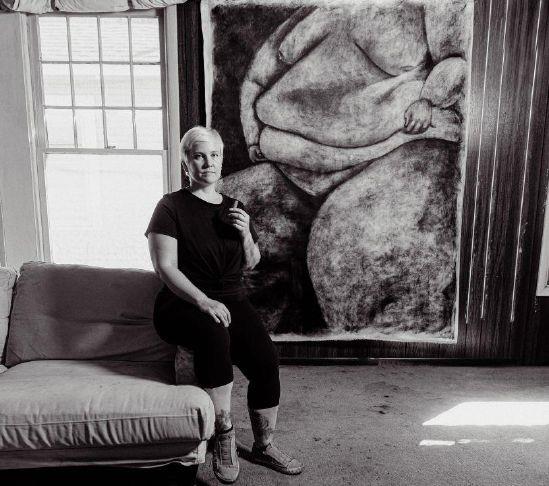
Portland-based artist Ami Maki has unveiled her latest exhibition, "Obese Landscapes," at the Multnomah Arts Center. The showcase features eight large-scale charcoal drawings, some reaching seven feet in height, that draw visual parallels between the human form and natural topographies like rolling hills and rock formations. By utilizing earth tones and monumental scale, Maki seeks to reframe bodies often marginalized by societal beauty standards as majestic, natural environments.