filter_list Showing 17 results for "In Between" close Clear
search
dashboard All 20 museum exhibitions 17article local 1article news 1rate_review review 1
date_range Range Today This Week This Month All
Subscribe

In Venice, 22 unmissable exhibitions on the sidelines of the biennial

À Venise, 22 expositions incontournables en marge de la biennale

The article highlights 22 must-see exhibitions happening alongside the 61st Venice Biennale, which is expected to be affected by geopolitical tensions but still promises artistic vibrancy. Notable events include Bvlgari's dual projects featuring artists Lotus L. Kang, Lara Favaretto, and Monia Ben Hamouda; the unveiling of the Asscher collection at the Ama Venezia foundation with works by Charles Ray, Jenny Saville, and Richard Serra; and the inaugural exhibition "The Only True Protest Is Beauty" at the Fondation Dries Van Noten, showcasing 200 objects across fashion, design, and art. Other highlights include a dialogue between Picasso, Morandi, and Parmiggiani at the Fondazione Bevilacqua La Masa.
Venice Biennale 2026 Highlights: Off-Site Exhibitions

ArtReview editors highlight off-site pavilions and exhibitions at the 61st Venice Biennale, running from 9 May through 22 November 2026. Featured works include Li Yi-Fan's film *Screen Melancholy* at Palazzo delle Prigioni, which uses motion capture and a free-trial videogame engine to explore digital alienation and the 'enshittosphere,' and Roberto Diago's installation *Free Men* at the Pavilion of Cuban Republic, comprising rusted iron heads, fragmented wooden figures, and text works critiquing political oppression in Cuba.

Collateral Events Not to Miss at 61st Venice Biennale

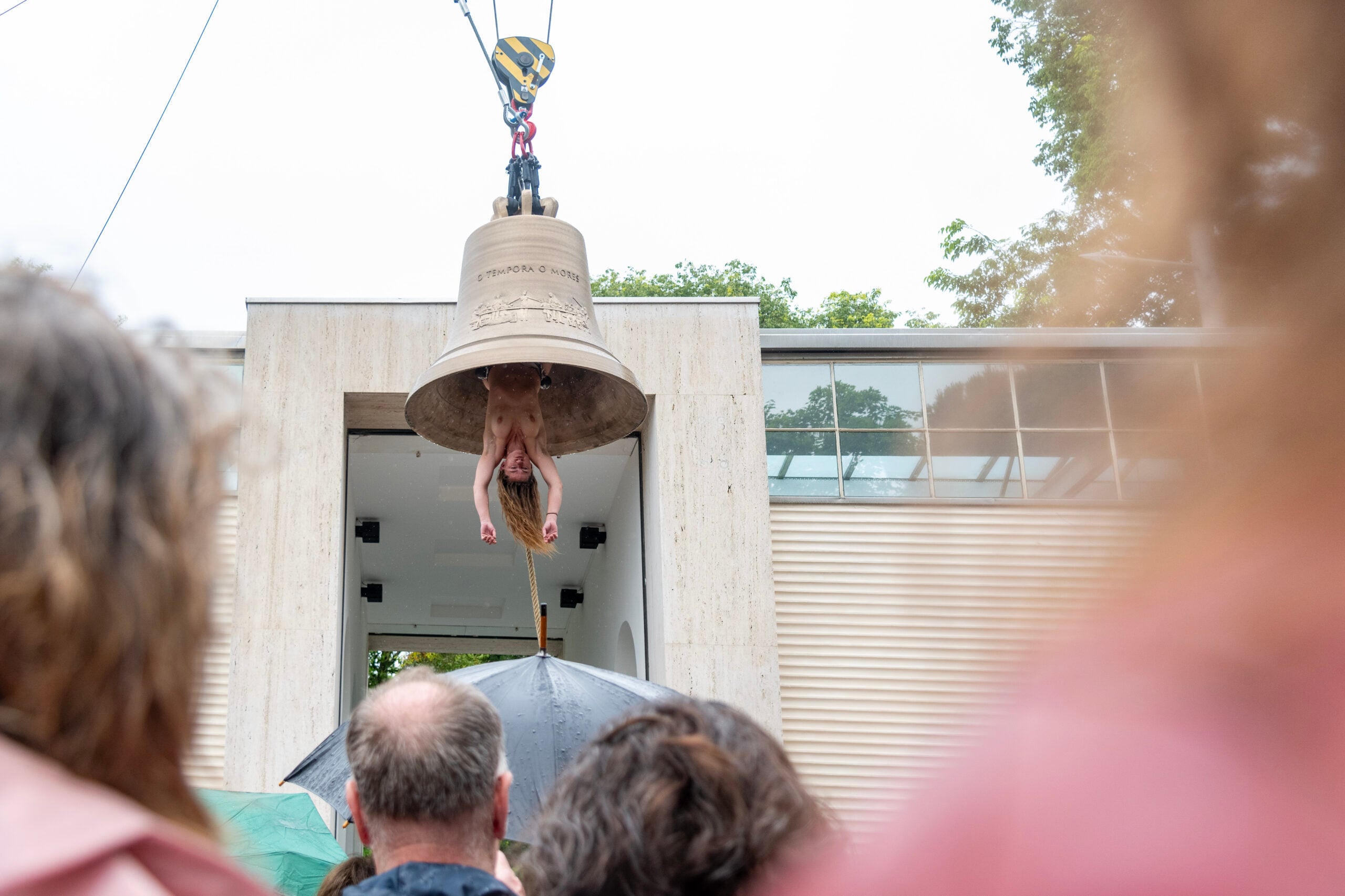
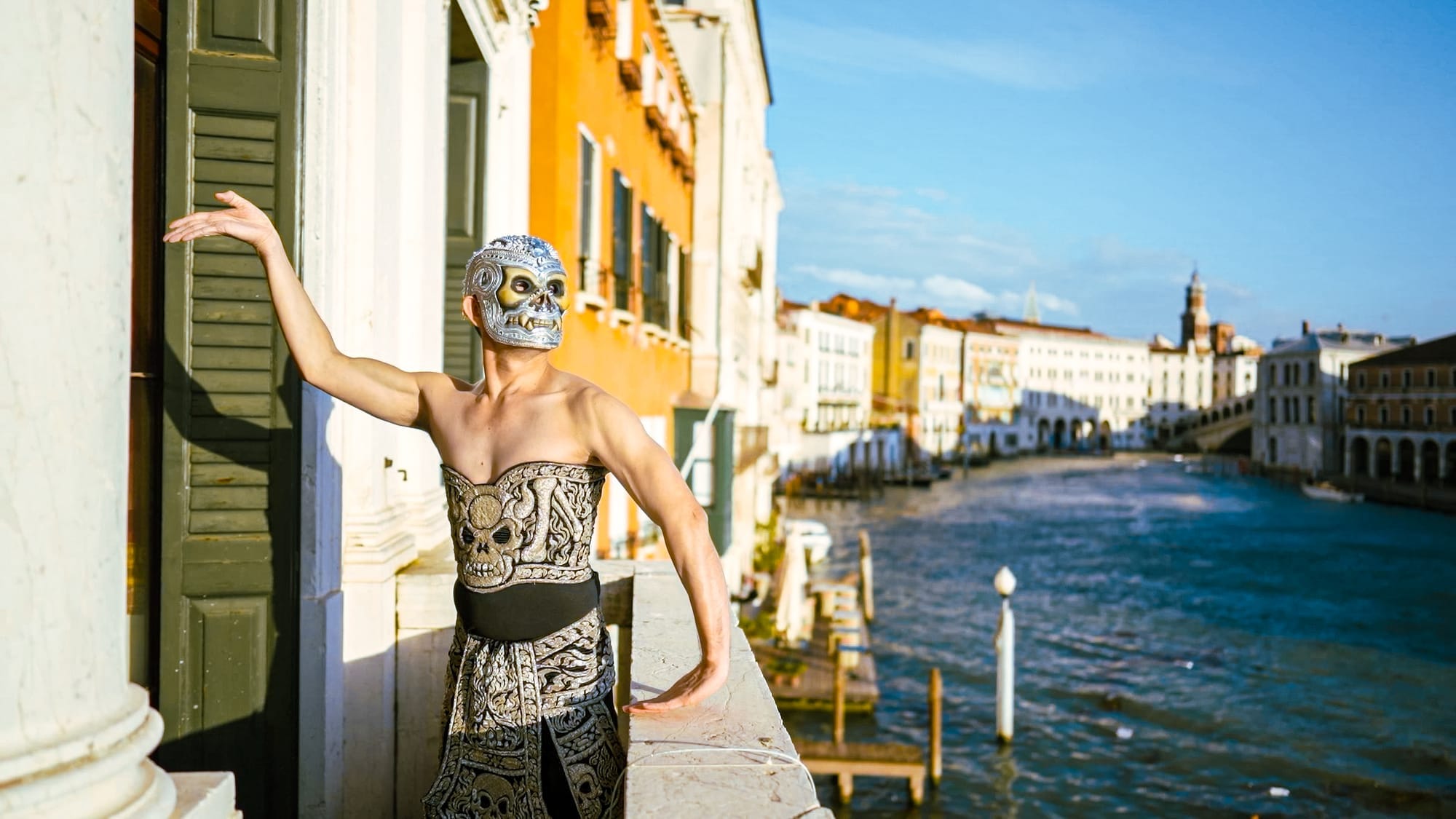
The article highlights several collateral events not to miss at the 61st Venice Biennale, including "The Spirits of Maritime Crossing 2026" at Palazzo Rocca Contarini Corfù, featuring 20 artists from Southeast Asia, Ireland, and Serbia, anchored by Marina Abramović's performance piece "Sea Punishing" (2006). Other notable exhibitions include a seven-decade survey of Korean artist Lee Ufan at San Marco Art Centre, "TURANDOT: To the Daughters of the East" at ACP Palazzo Franchetti featuring 11 female artists from Central Asia, Li Yi-Fan's "Screen Melancholy" at Palazzo delle Prigioni, and Nalini Malani's "Of Woman Born" at Magazzini del Sale.

5 very different art fairs throughout two days in New York City

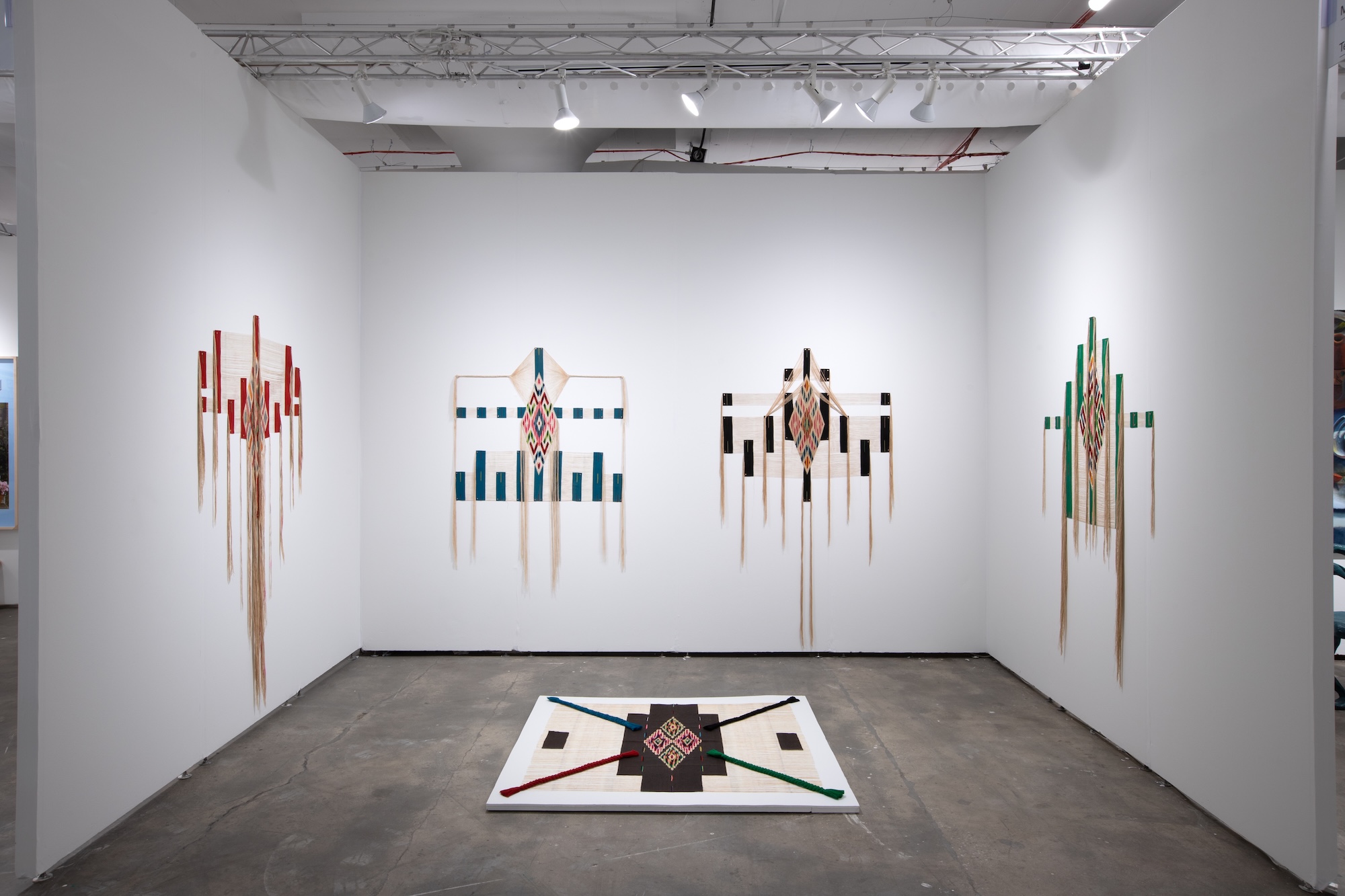
The article reports on five distinct art fairs—Frieze, NADA, Independent, 1-54, and Esther III—visited during New York Art Fair Week. It highlights key artists and works, including Kelly Tapia-Chuning's deconstructed serapes at NADA, Esaí Alfredo's queer nighttime paintings, Alex Burke's textile dolls at 1-54, and Laetitia KY's photographic self-sculpture. The fairs collectively emphasized themes of environmentalism, globalism, decolonization, and a growing textiles sector, with curation varying widely from commercial to conceptually driven.

Venice Diary Day 3: Offsite Highlights Include Fleshy Films and Vegetarian Videos

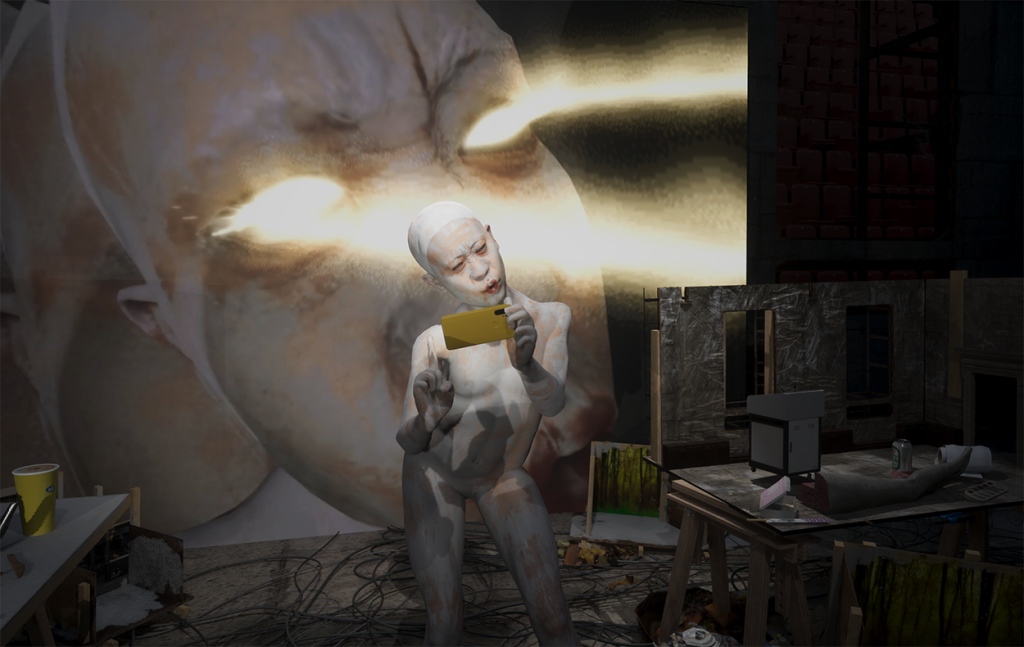
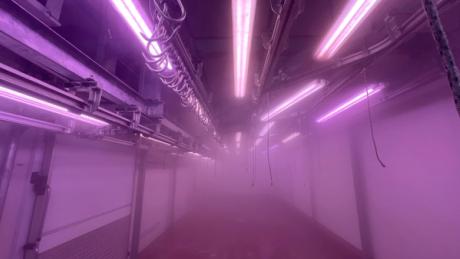
The article reports on the author's third day at the Venice Biennale, focusing on offsite exhibitions. Highlights include Li Yi-Fan's animated video "Screen Melancholy" (2026) at the Taiwan Pavilion, described as chaotic, absurdist, and uncanny, featuring a naked CGI character interacting with ChatGPT. The author also praises Janis Rafa's video installation "Baby I'm Yours, Forever" (2026) at Fondazione In Between Art Film, which transforms scenes from a meat refrigeration plant into haunting surreal imagery. The piece notes the resurgence of video art, aided by LED screens that create immersive environments.

Female nudity and art that stinks: key takeaways from Venice Biennale 2026

The 2026 Venice Biennale opened with 99 participating countries, including first-timers Somalia and Qatar, under the shadow of curator Koyo Kouoh's death. Her planned theme of "enhancement" and the main show "In Minor Keys" were disrupted by political protests: Pussy Riot objected to Russia's inclusion, and a strike against Israel's participation forced several national pavilions (UK, Austria, France) to close. Key takeaways include pervasive female nudity across pavilions, debates over Russia's presence, criticism of the US pavilion's lackluster art, maritime themes dominating several shows, and the rise of olfactory art.

Turin's new art gallery is an apartment where works are displayed in the kitchen, bathroom, and bedroom

La nuova galleria d’arte di Torino è un appartamento dove le opere si espongono in cucina, bagno e camera da letto

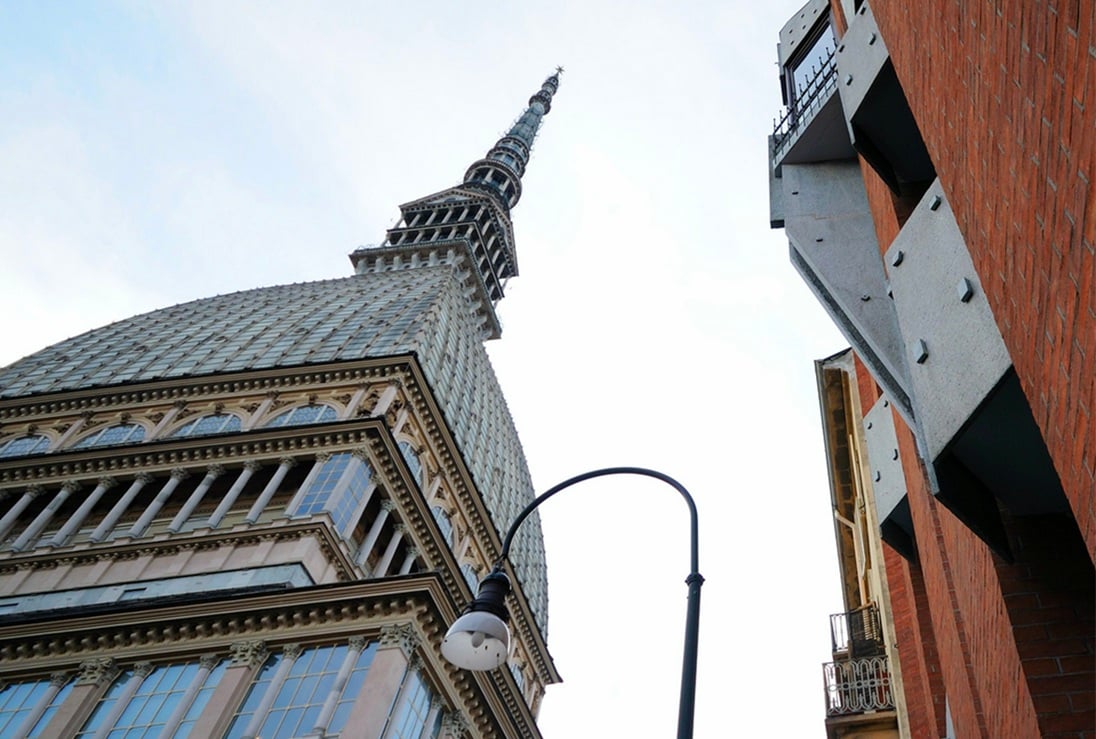
The Italian branch of Paris-based gallery CiacciaLevi is relocating from Milan to Turin in September 2026, opening a new space that is an apartment where artworks will be displayed in the kitchen, bathroom, and bedroom. Founders Antoine Levi and Nerina Ciaccia, who first met and began their careers in Turin between 2005 and 2010, describe the move as both a professional and personal life choice, deepening their ties to the city where they previously worked with Galleria Franco Noero and a.titolo.

How much Berlin fits on 230 square meters?

Wie viel Berlin passt auf 230 Quadratmeter?

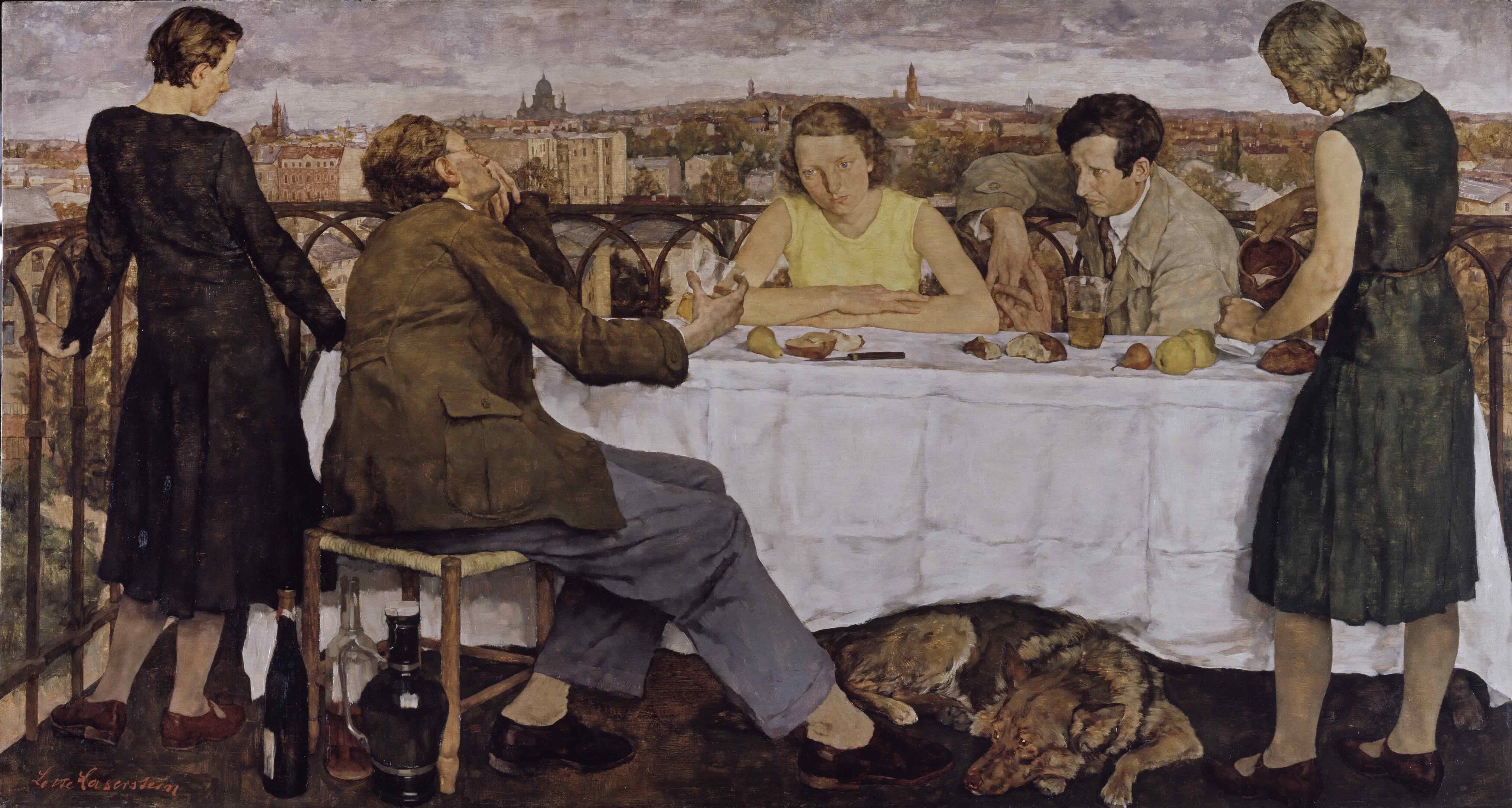
The Neue Nationalgalerie in Berlin has opened a compact exhibition titled "Ruin und Rausch: Berlin 1910–1930," featuring 35 works across just 230 square meters in a side cabinet of the lower floor. The show uses paintings, sculptures, film clips, and audio poems to tell the story of Berlin between World War I and the Nazi takeover, contrasting themes of excess and poverty, emancipation and extremism. It is structured in three chapters: "Berlin im Taumel" (Berlin in Frenzy), "Schatten der Großstadt" (Shadows of the Big City), and "Die Urbane Frau" (The Urban Woman), with works by artists such as Ernst Ludwig Kirchner, Otto Dix, and Otto Nagel.

And We Shall Go Through Their Hills Without Much Delay

This article documents three journeys into and out of Yunnan, China, spanning from 1874 to 2023. It begins with British interpreter Augustus Raymond Margary's failed colonial expedition to establish a trade route, which ended in his violent death and contributed to unequal treaties opening Southwest China. It then follows a Naxi student named Xueshan in 1937, whose railway journey introduced modern timekeeping to the region, and finally describes the construction of the Burma Road, a critical WWII supply route. The narrative concludes with the artist Cheng Xinhao retracing these routes on foot from Kunming toward Burma over a year and a half, reflecting on history, bodily experience, and the layers of infrastructure that have reshaped the landscape.

Alfonso Gonzalez Jr. Gives New Context to Street Art and Commercial Signage in New LACMA Show

Alfonso Gonzalez Jr., a second-generation Los Angeles artist with roots in graffiti, sign painting, and muralism, has opened his first museum exhibition at LACMA. Titled “In Between Stops,” the show features 12 benches installed along the museum’s Kendall Concourse, each serving as a functional sculpture that honors the street art and vernacular signage of LA. Gonzalez Jr., who learned the sign-painting trade at Los Angeles Trade Tech College and worked for outdoor advertisement companies like Wall Dogs and Colossal Media, draws on his background to create fictitious ads that critique advertising tactics while preserving rapidly disappearing elements of LA culture, such as mom-and-pop shops and barber shops.

The best and worst we saw at the Venice Art Biennale 2026. Artribune's hits and flops

Il meglio e il peggio che abbiamo visto alla Biennale d’Arte di Venezia 2026. Top e flop di Artribune

The 61st Venice Biennale, titled "In Minor Keys" and directed by Koyo Kouoh, opened amid significant turmoil: the death of a newly appointed curator, diplomatic tensions over the presence of Russia and Israel, political protests, and the unprecedented collective resignation of the jury, which led to the Golden Lions being awarded by public vote for the first time. Despite this chaotic backdrop, the exhibition—featuring a record 100 national pavilions—has been widely praised for avoiding moralistic pedagogy and instead embracing visual seduction, formal quality, and sensory joy while addressing themes of identity, memory, colonialism, ecological crisis, and violence. The article highlights top and flop moments from the opening week, including strong showings by Biennale president Pietrangelo Buttafuoco and a standout exhibition at Fondazione Prada.

What not to miss at the 2026 Venice Biennale

The article highlights five standout pavilions and installations at the 2026 Venice Biennale. Florentina Holzinger's Austrian pavilion features extreme, nude performances including a woman submerged in a urine-purified tank, drawing police attention. Sanya Kantarovsky presents eerie paintings and a Murano glass sculpture in a historic palazzo. Gabrielle Goliath's 'Elegy'—a hypnotic mourning performance for women killed in violence—was banned by South Africa but staged with London's Ibraaz. Carrie Schneider's 1.5km photographic curl in the Arsenale references Chris Marker's 'La Jetée'. Lydia Ourahmane's delicate sculptural show uses materials sourced from Venice, including a bead curtain made by inmates.

Venice exhibition of site-specific films aims to capture the hyper stimulating times we are living in

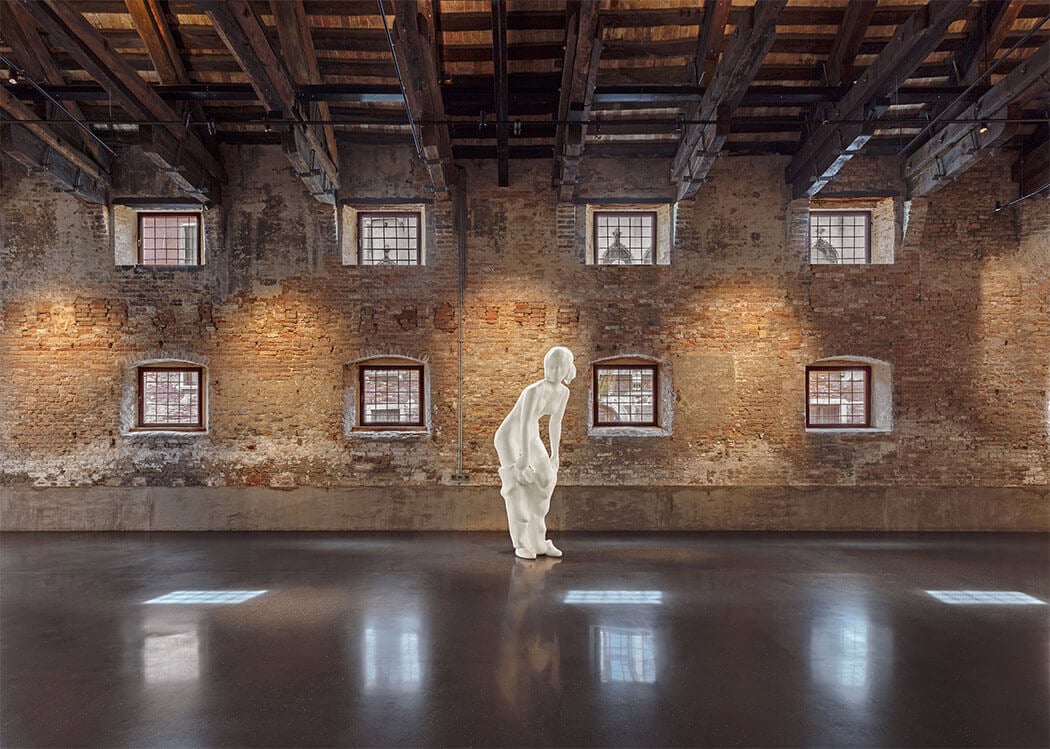
The Fondazione In Between Art Film presents "Canicula," the third and final exhibition in its Trilogy of Uncertainties, opening on 6 May at the Complesso dell’Ospedaletto in Venice. Curated by Leonardo Bigazzi, the show features eight newly commissioned site-specific films that explore themes of excess, sensory overload, and geopolitical tension. Works include Roman Khimei and Yarema Malashchuk's "Affirmations" (2026), depicting fictional deathbed testimonies of Russian soldiers, Lawrence Abu Hamdan's "450XL: The Story of a Fugitive Sound" (2026) about a sonic attack in Belgrade, and Maya Watanabe's "Jarkov" (2025-26) reflecting on Arctic ice melt and Pleistocene remains.

Alessandro Rabottini on the Impact of Artists’ Moving Image

Alessandro Rabottini, artistic director of Fondazione In Between Art Film, reflects on the closing of 'Canicula', the final chapter of the foundation's 'Trilogy of Uncertainties' exhibition series in Venice. The article explores how staging time-based moving-image works interacts with the fast-paced environment of the Venice Biennale, and how artists' film and video have evolved as a medium within the art world.

Uzbek Artist Saodat Ismailova Makes Her U.S. Museum Debut at the Smithsonian

Uzbek artist Saodat Ismailova is making her U.S. museum debut at the Smithsonian Institution. The exhibition introduces her multimedia works, which often explore Central Asian history, spirituality, and female identity, to an American audience for the first time.

"In Between" Art Exhibition Comes to Plymouth This April

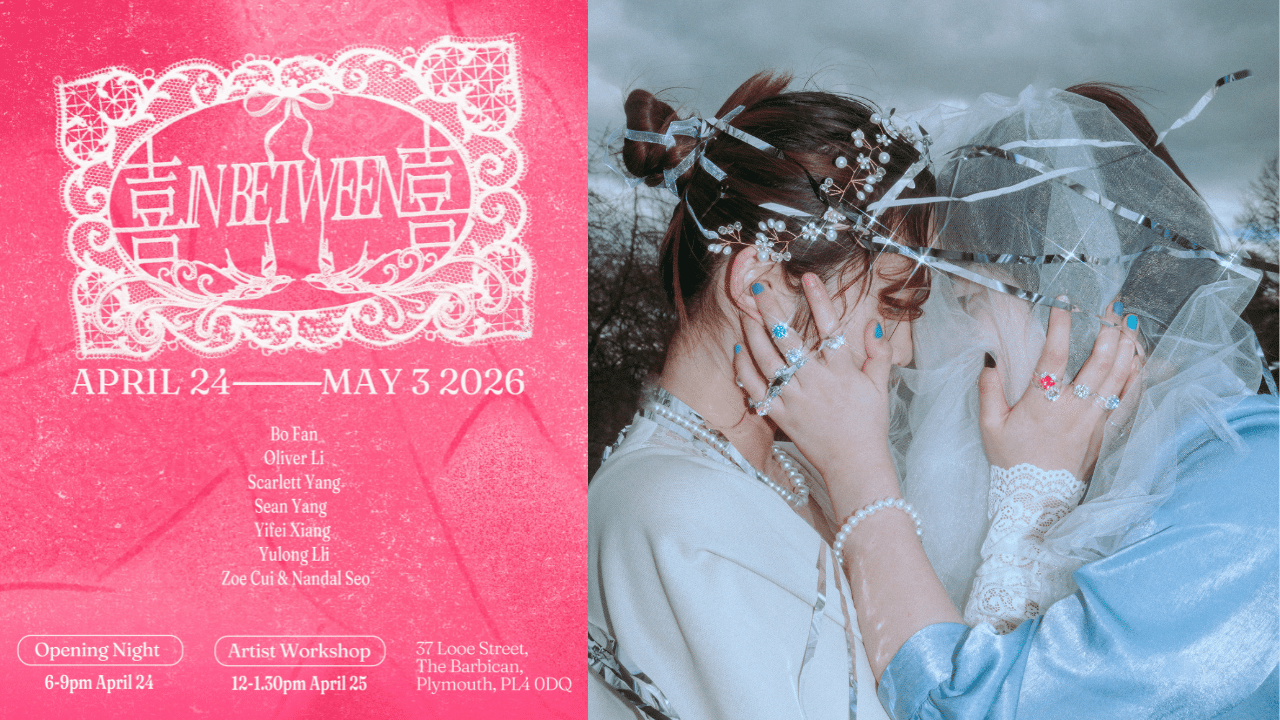
A new exhibition titled 'In Between' opens in Plymouth, featuring work from artists of East Asian backgrounds. The show, curated by Oliver Li, includes photography, illustration, and image-based works from artists Bo Fan, Sean Yang, Yifei Xiang, Yulong Li, and the duo Zoe Cui and Nandal Seo, as well as Scarlett Yang's 'Her Feast' series. It explores themes of intimacy, gender, and navigating multiple cultural identities. The exhibition runs from April 24 to May 3 at a gallery space on 37 Looe Street, with an opening night event and an artist-led workshop scheduled.

NOBODY: The Latin American Project at Milano Design Art Week

DON NADIE THE LATIN AMERICAN PROJECT AT MILANO DESIGN ART WEEK

The design collective DON NADIE, founded by Ecuadorian industrial designers Lisandro Carrasco and Mono Alvarado, is presenting its project "1 m² / 1 second" at Milano Design Week. The installation, part of the IN BETWEEN collective at the Fuorisalone circuit, consists of sixteen folded-paper pieces within a cubic meter, each referencing native plant morphology. It translates the rate of deforestation into a tangible measure of time, representing one square meter of forest lost every second.