
filter_list Showing 3 results for "Longfellow" close Clear
search
dashboard All 4 museum exhibitions 3article culture 1
date_range Range Today This Week This Month All
Subscribe

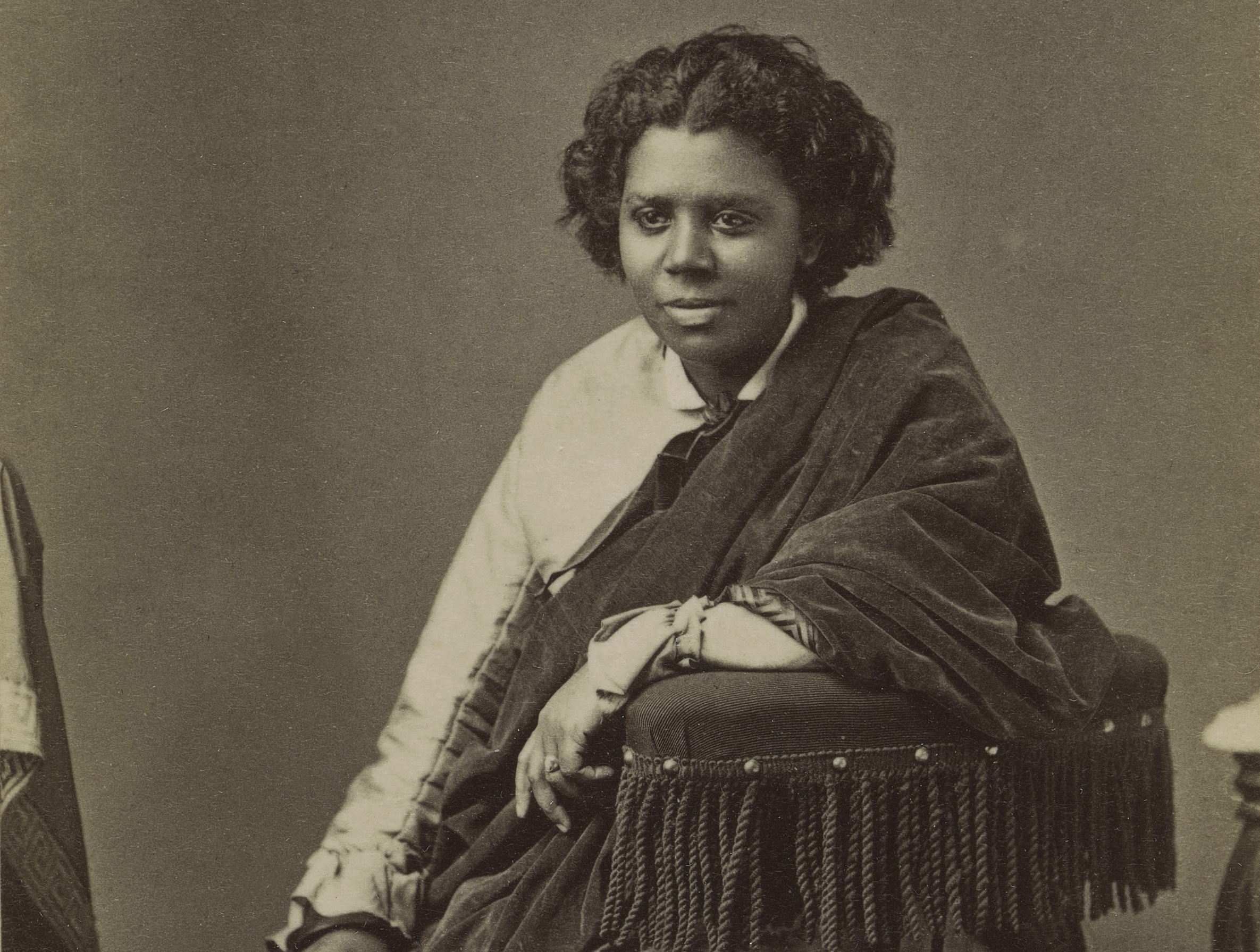
The Incredible Story of Edmonia Lewis, America’s First Black and Indigenous International Art Star

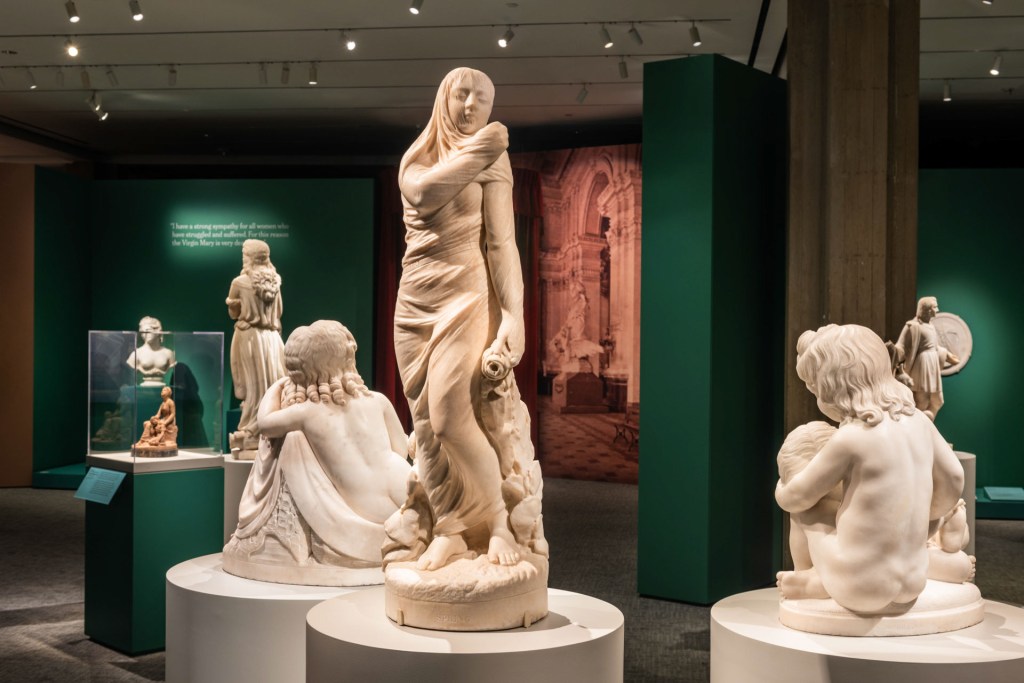
The Peabody Essex Museum has launched "Edmonia Lewis: Said in Stone," the first-ever retrospective dedicated to the 19th-century sculptor who was the first Black and Indigenous American artist to achieve international fame. Curated by Shawnya L. Harris and Jeffrey Richmond-Moll, the exhibition is the culmination of seven years of research and detective work to locate surviving marble sculptures and archival fragments. The show tracks her journey from her early life as "Wildfire" to her education at Oberlin College and her eventual professional success in Boston and Rome.

the detroit museum of arts confronts art history while wrestling with its future

The Detroit Institute of Arts (DIA) has reinstalled its African American galleries, moving them from the back of the museum to a prominent location beside Diego Rivera's iconic "Detroit Industry Murals" (1932–33). The reinstallation is framed by a quote from Alain Locke's 1925 essay "The Legacy of the Ancestral Arts," envisioning the museum as an instrument of cultural education and repair. Complementing this is "Contemporary Anishinaabe Art: A Continuation" (through April 5), the first comprehensive survey of art from the Indigenous inhabitants of the Great Lakes region. The DIA began collecting African American art in 1943 and in 2001 became the first US museum to name a curator devoted to that field, Valerie J. Mercer, who still serves as curator and head of African American art.

Edmonia Lewis Was the Earliest Known Black Artist to Depict Emancipation. This Is Her First Retrospective.

The Peabody Essex Museum is hosting "Said in Stone," the first-ever comprehensive retrospective dedicated to Edmonia Lewis, a pioneering 19th-century sculptor of Black and Ojibwe heritage. The exhibition assembles a significant body of her marble works, including the landmark sculpture "Forever Free" (1867), which is recognized as the first formal visual representation of emancipation by a Black American artist. The show traces her journey from her upbringing with her Ojibwe family and her traumatic years at Oberlin College to her eventual success as an expatriate artist in Rome.