
filter_list Showing 3 results for "Tehran" close Clear
search
dashboard All 5 museum exhibitions 3trending_up market 1article news 1
date_range Range Today This Week This Month All
Subscribe

Still in 'war mode': Tehran Museum of Contemporary Art reopens with exhibitions about conflict

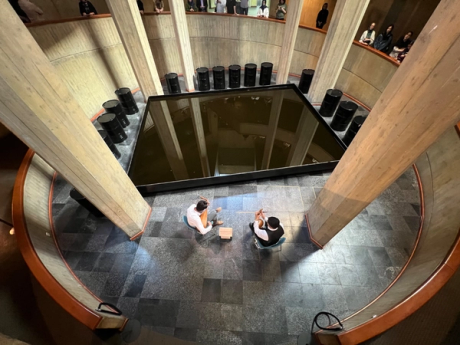
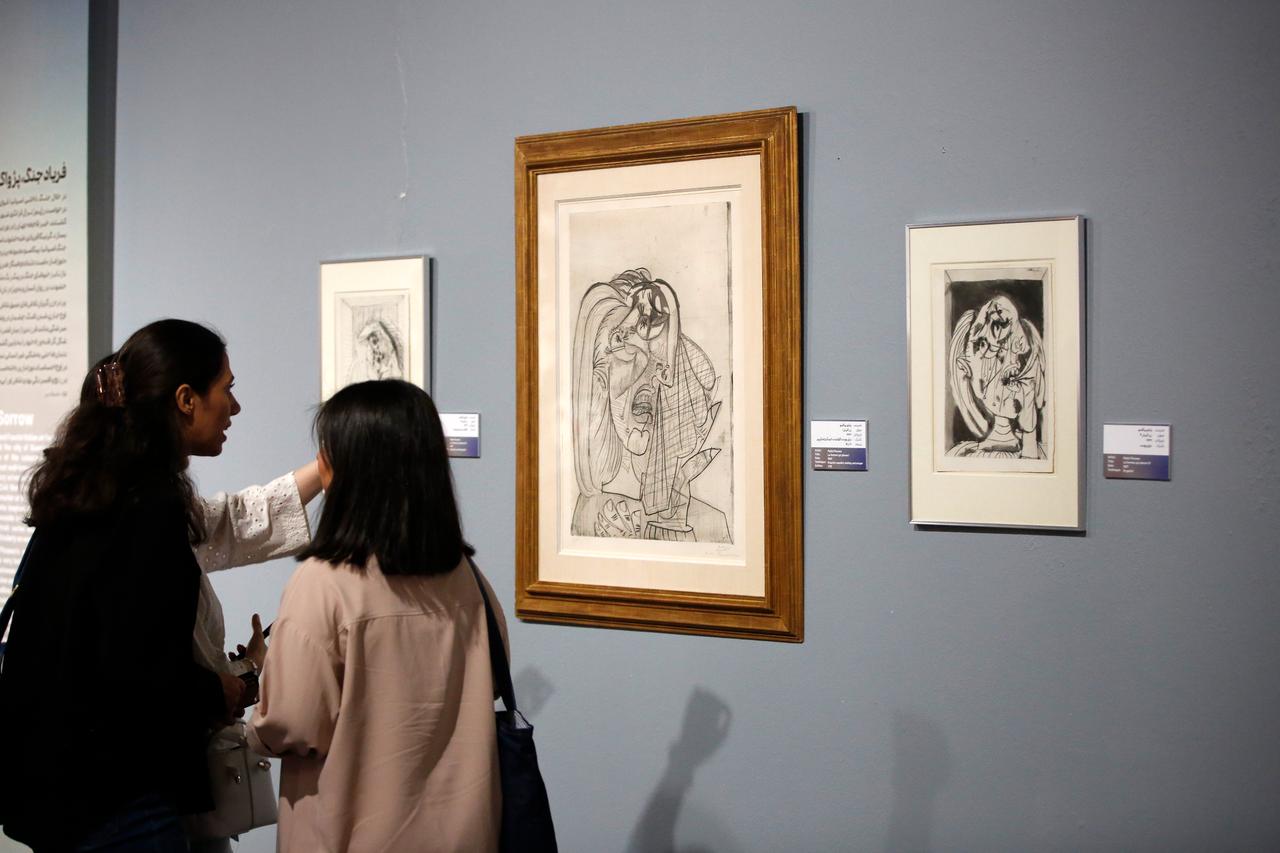
The Tehran Museum of Contemporary Art (TMoCA) has reopened with a weekly rotating post-ceasefire program called 'Art and War,' following weeks of bombardment that forced its closure and prompted emergency efforts to protect its collection. The program began with works by American Pop artists James Rosenquist, Roy Lichtenstein, and Robert Indiana, and this week features three works from Pablo Picasso's Weeping Woman series, focusing on Spain. Museum director Reza Dabirinezhad described the challenges of safeguarding the collection during US-Israeli strikes, including removing 80% of the oil from Noriyuki Haraguchi's installation 'Matter and Mind' (1977) to prevent fire risk, and protecting outdoor sculptures by Henry Moore, René Magritte, and Max Bill.
A Persian Garden Blooms on Governors Island

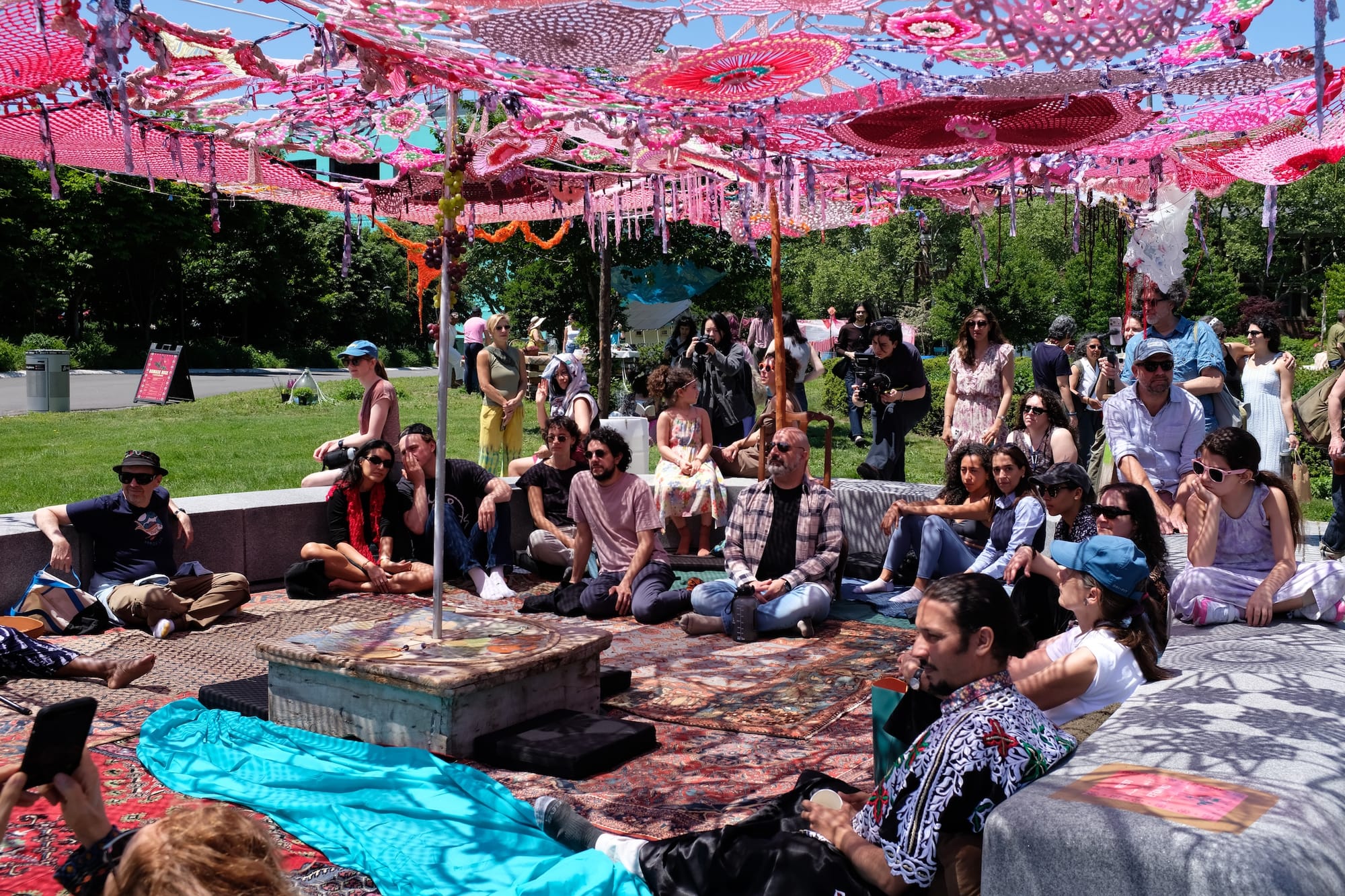
Artist Bahar Behbahani organized a four-hour event called "Damask Rose: A Gathering" on Governors Island, transforming three shallow fountains with handwoven carpets and crocheted canopies. The gathering featured West African musical improvisation, Kurdish poetry, a cyanotype workshop, and communal activities like hair braiding and tea ceremonies, involving over two dozen community groups including the Asia Contemporary Art Forum and Eat Offbeat. The event was part of Governors Island Arts's annual Interventions series, curated with associate curator Juan Pablo Siles.

Tehran exhibition gives voice to war’s silent burden through modern art

An exhibition titled "Art and War" opened on May 11, 2026, at the Museum of Contemporary Art in Tehran, featuring works by Pablo Picasso, Antoni Tapies, Robert Motherwell, and Juan Gris that explore the impact of conflict on modern art. The show includes Spanish anti-war artists from the post-WWII era, such as Juan Genoves, and aims to give voice to those suffering under war's burden. Visitors like student-artist Kiyana Niknam described the paintings as a universal language expressing personal pain and resilience, while project adviser Fuad Necmeddin noted that museums in Iran had reopened after wartime closures due to cultural demand.