
filter_list Showing 5 results for "Tsuruko Yamazaki" close Clear
search
dashboard All 5 museum exhibitions 5
date_range Range Today This Week This Month All
Subscribe

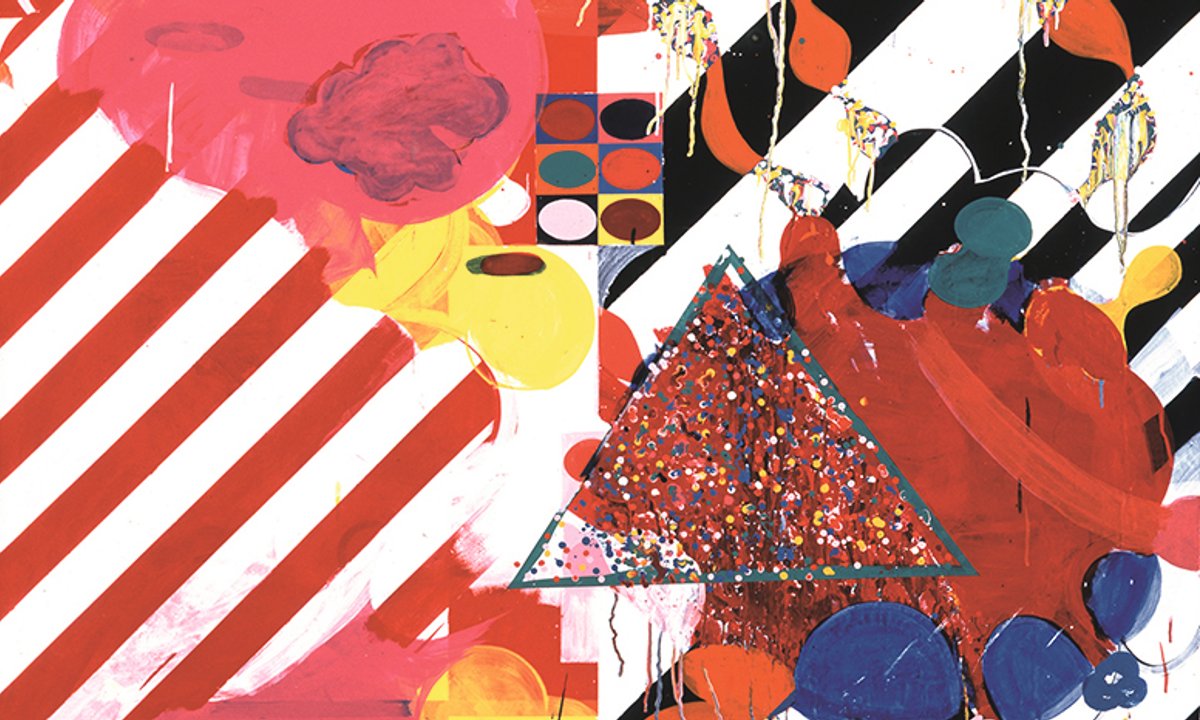
At Tokyo's National Museum of Modern Art, the anti-action art of Japan’s women artists finds a new lease of life

The National Museum of Modern Art, Tokyo (Momat) is presenting "Anti-Action: Artist-Women’s Challenges and Responses in Post-war Japan," an exhibition that highlights the work of women artists in 1950s and 1960s Japan. Curated by Hajime Nariai, the show features Yayoi Kusama alongside figures like Atsuko Tanaka, Tsuruko Yamazaki, and Hideko Fukushima, as well as ten lesser-known artists whose names have been largely forgotten. The exhibition uses the term "anti-action," coined by art historian Izumi Nakajima, to describe these artists' shared determination to resist the dominant masculine ethos of action painting and Eurocentric art trends, instead forging their own unique practices.
New Exhibition Explores Immersive Art Created by Women Artists in the 1960s and 1970s

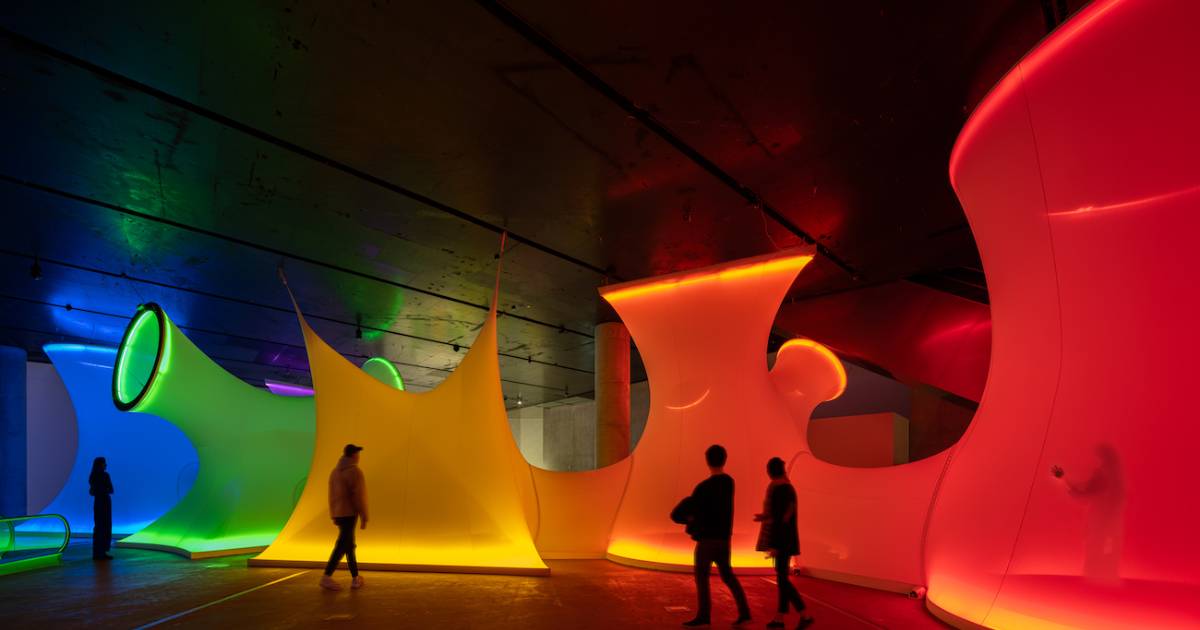
Leeum Museum of Art in Seoul has opened "Inside Other Spaces: Environments by Women Artists 1956–1976," an exhibition that reconstructs immersive environments created by women artists from Europe, Asia, and the Americas. Originally organized with Munich’s Haus der Kunst, the Seoul presentation expands the project with additional works by Korean and Asian artists, including Jung Kangja’s "Muche-Jeon (Incorporeal Exhibition)." The show features reconstructed works by pioneers such as Lygia Clark, Marta Minujín, Nanda Vigo, and Tsuruko Yamazaki, whose 1956 piece "Red" is the earliest environment included. Visitors are invited to physically enter installations made of mirrors, translucent materials, sound, and light, experiencing art that dissolves boundaries between artwork, architecture, and viewer participation.

Forgotten 'environment' of 11 women artists brought back to life at Leeum

The Leeum Museum of Art in Seoul has opened "Inside other spaces: Environments by women artists 1956-1976," an exhibition restoring immersive artworks by 11 women artists from Asia, Europe, and South America, including Jung Kang-ja, Judy Chicago, Tsuruko Yamazaki, and Aleksandra Kasuba. The show revives pieces that were often dismantled after their original displays, such as Jung Kang-ja's "Incorporeal Exhibition," which was destroyed in 1970 after being deemed political propaganda under South Korea's authoritarian regime. Curators Andrea Lissoni and Marina Pugliese, who first organized the project at Haus Der Kunst in Munich, worked with researchers to reconstruct the works using archival materials, correspondence, and blueprints.

Groundbreaking Art Takes Spotlight at O’Donnell Athenaeum Exhibit

A new exhibition titled “Groundbreakers: Post-War Japan and Korea from the Dallas Museum of Art and The Rachofsky Collection” has opened at the Edith and Peter O’Donnell Jr. Athenaeum at The University of Texas at Dallas, running through July 2026. Curated by Dr. Natalia Di Pietrantonio of the Crow Museum of Asian Art, the show features works from three major postwar movements—Mono-ha, Dansaekhwa, and Gutai—using unconventional materials like white glue, bells, wires, tin, and rocks. Highlights include Kazuo Shiraga’s foot-painted canvases, Takesada Matsutani’s vinyl glue sculptures, Atsuko Tanaka’s interactive wire installation, and Do Ho Suh’s translucent polyester corridor inspired by homesickness.

‘Into Other Spaces' to reexamine trailblazing women artists across decades

The Leeum Museum of Art in Seoul is hosting 'Inside Other Spaces: Environments by Women Artists, 1956-1976,' an exhibition that reconstructs immersive room-scale works by 11 women artists from underrepresented regions. Co-curated by Andrea Lissoni and Marina Pugliese, the show traces two decades of experimental environments made from light, sound, plastic, and foam, which anticipated installation and media art. The Seoul edition features a new version of Jung Kang-ja's 1967 work 'Muche-jeon (Incorporal Exhibition),' a smoke-filled chamber that evokes the tension of 1970s authoritarian Korea.