filter_list Showing 6 results for "calder" close Clear
search
dashboard All 13 museum exhibitions 6trending_up market 6article local 1
date_range Range Today This Week This Month All
Subscribe

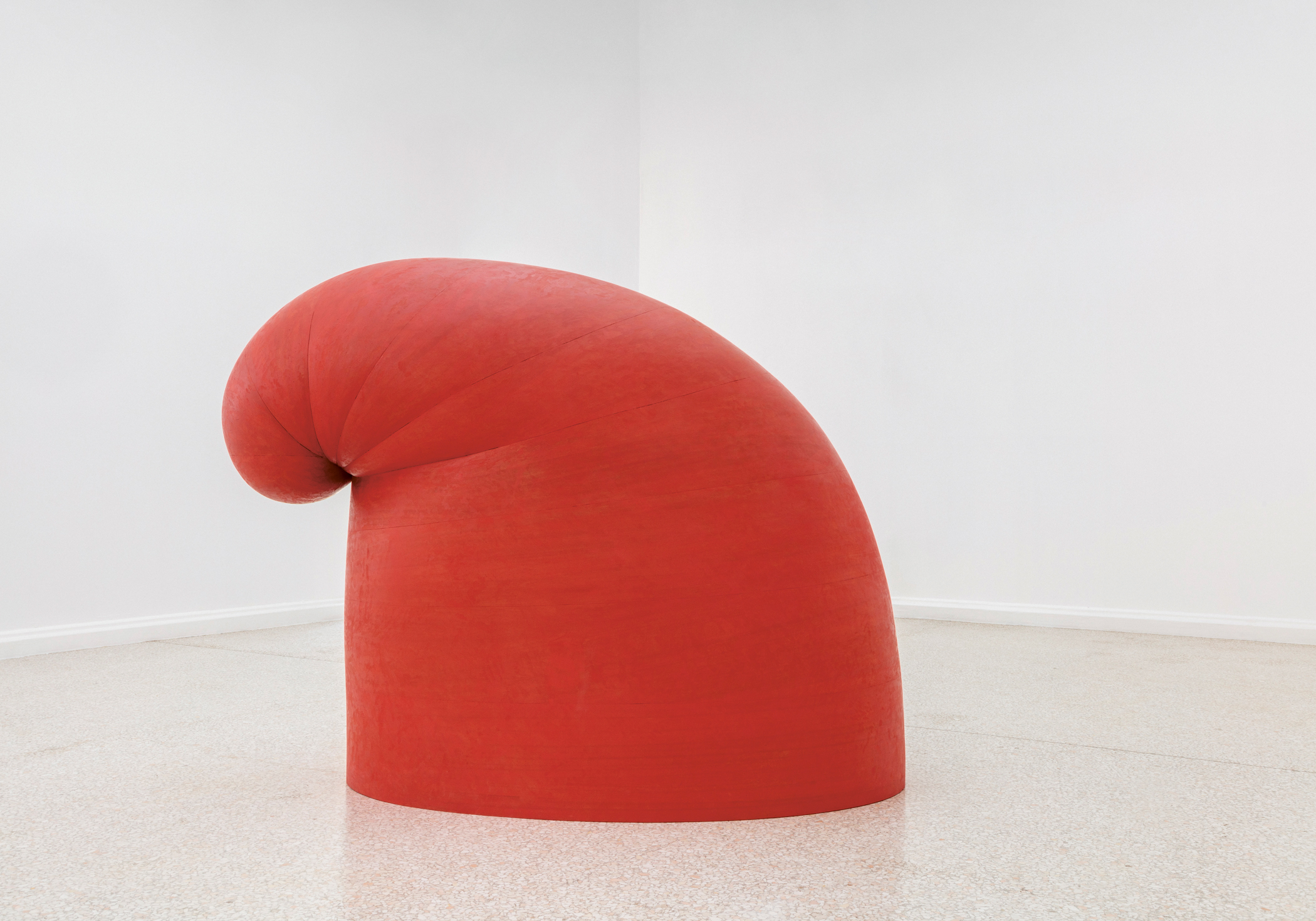
A Major Martin Puryear Retrospective Reveals an Artist Who Has Never Stopped Evolving

The Cleveland Museum of Art has opened "Nexus," a major retrospective of Martin Puryear featuring over 50 works, the first comprehensive survey of the artist's career in some time. The exhibition includes rarely displayed early pieces from Puryear's personal collection alongside recent works, organized in consultation with the 84-year-old artist. Highlights include the titular 1979 piece "Nexus" made of Alaskan yellow cedar, and other works like "Night and Day" and "Alien Huddle" that showcase his mastery of wood and cold-molding techniques.
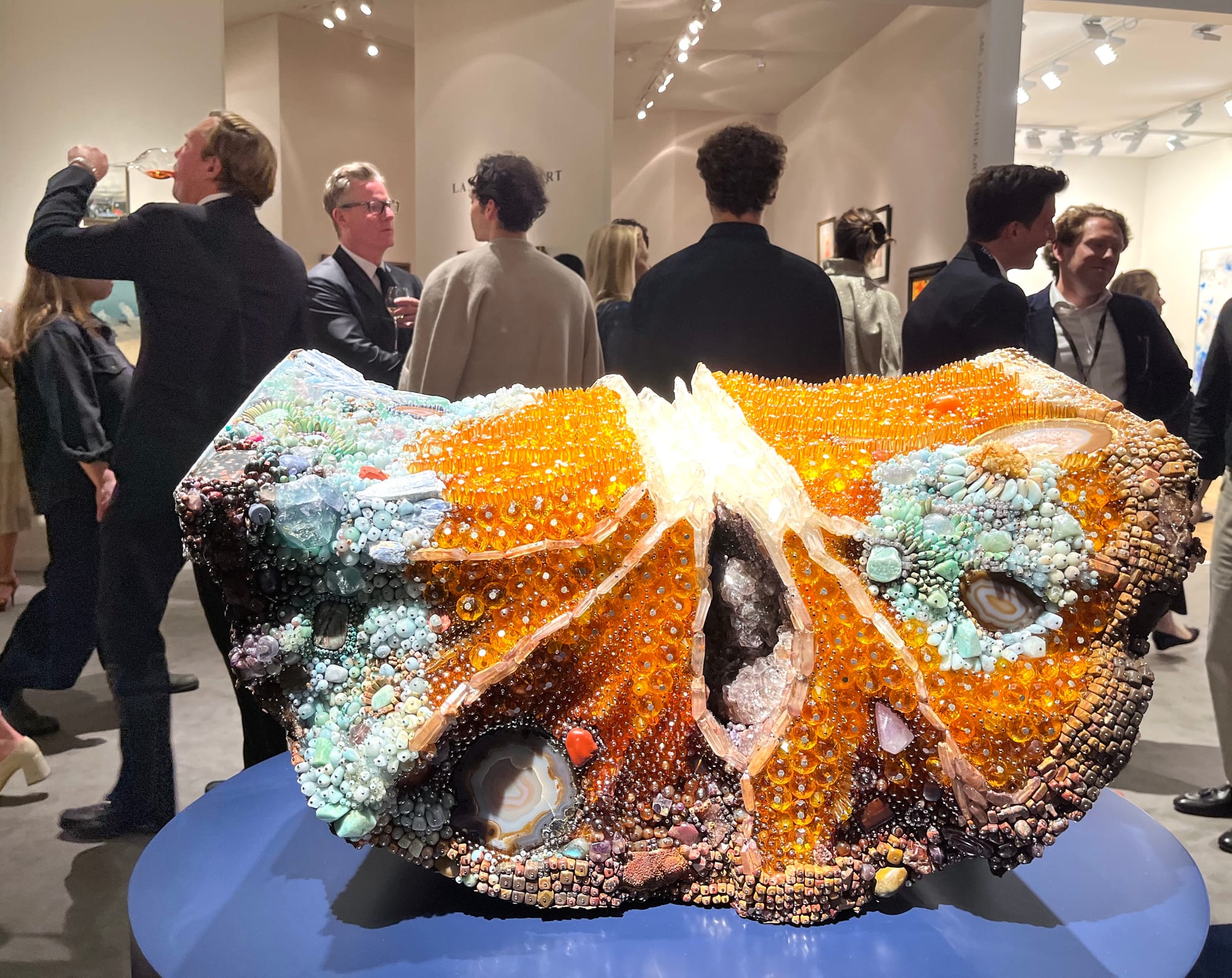
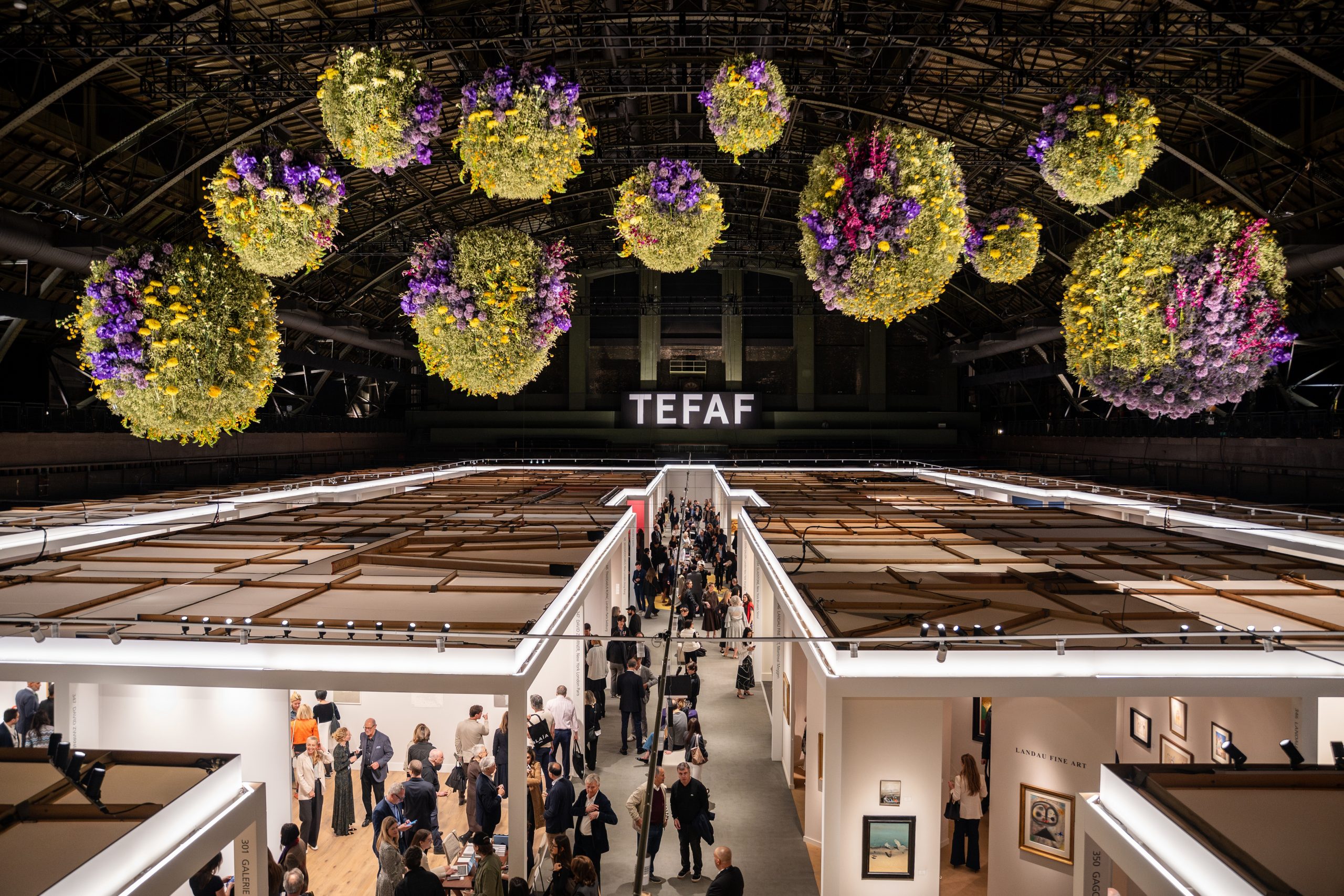
Inside TEFAF New York’s Annual Wealth Pageant

The 12th annual TEFAF New York fair took place at the Park Avenue Armory from May 15 to 19, attracting wealthy collectors with a mix of blue-chip art, design objects, and jewelry. Highlights included Kathleen Ryan's bejeweled 'Bad Fruit' sculptures at Gagosian, Cai Guo-Qiang's gunpowder paintings at White Cube (which sold 11 of 12 works), Sheila Hicks's textiles at Demisch Danant, and a new David Hockney painting at Annely Juda Fine Art. The fair featured 88 galleries from 14 countries, with VIP previews drawing art advisors and high-net-worth clients.

The Can’t-Miss Moments at TEFAF New York 2026

TEFAF New York 2026 opened to packed crowds at the Park Avenue Armory, showcasing a mix of historic and contemporary works. Highlights include Gagosian’s solo booth of Kathleen Ryan’s bejeweled “Bad Fruit” sculptures, Thaddaeus Ropac’s presentation of monumental canvases by Danish painter Eva Helene Pade, and Axel Vervoordt Gallery’s spotlight on overlooked Italian painter Ida Barbarigo. The fair also features collectible design and perennial favorites like Alexander Calder mobiles and Alighiero Boetti tapestries.

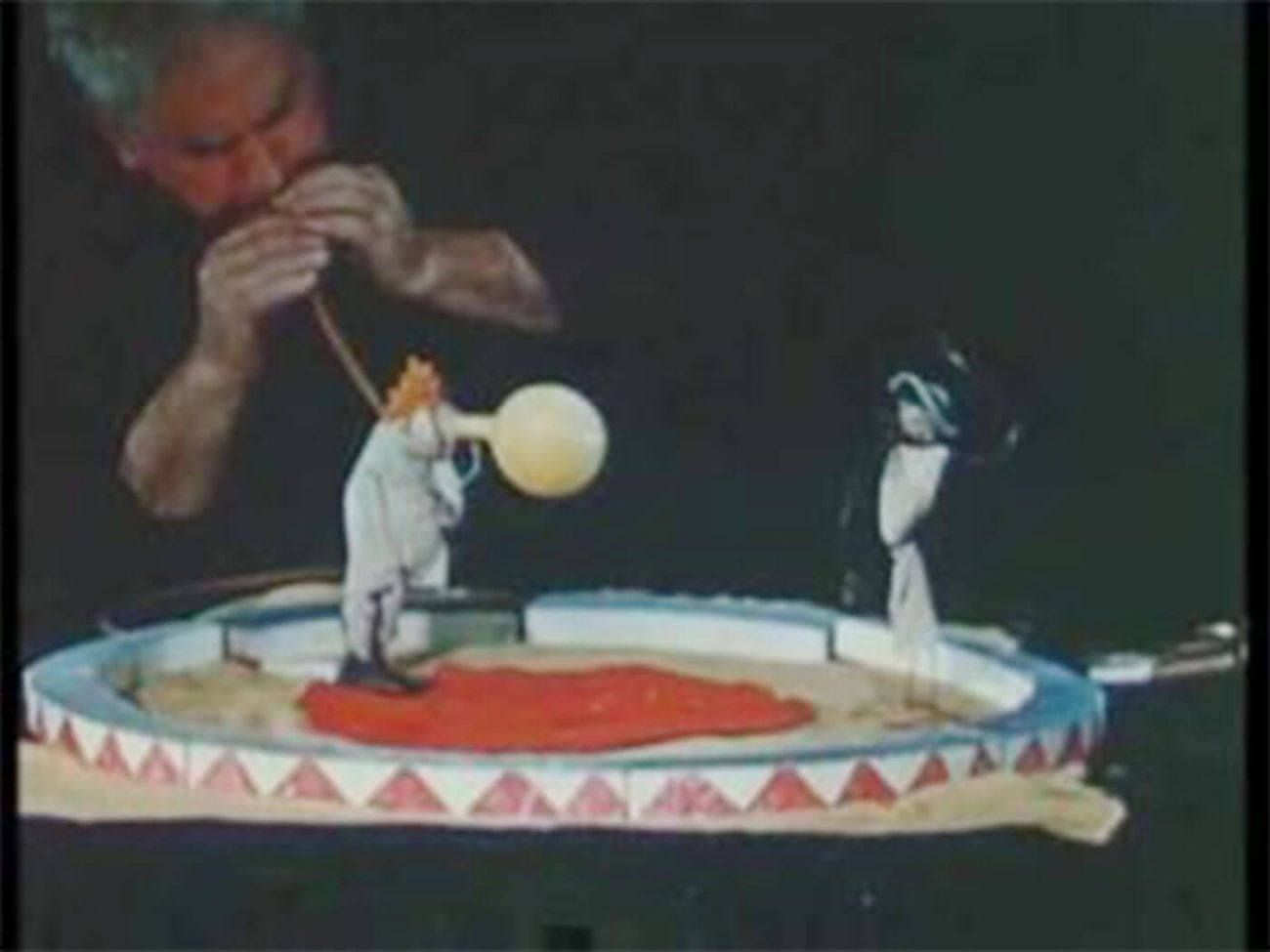
In 1955, Calder brings his famous 'Cirque' to life in front of Jean Painlevé's camera

En 1955, Calder active son célèbre « Cirque » face à la caméra de Jean Painlevé

A 1955 film by Jean Painlevé captures Alexander Calder performing his famous "Cirque" (Circus), a handmade miniature circus he created between 1926 and 1931 in Paris. The film shows Calder manipulating fragile wire-and-wood figures—weightlifters, trapeze artists, clowns, and dancers—while a gramophone plays. The work, now preserved at the Whitney Museum of New York, is on loan for a major Calder retrospective at the Fondation Louis Vuitton in Paris (April 15–August 16, 2026). Painlevé's film is also the subject of a concurrent exhibition at the Musée de Pont-Aven (February 7–May 31, 2026).

A new, monochromatic perspective on Alexander Calder at SAM

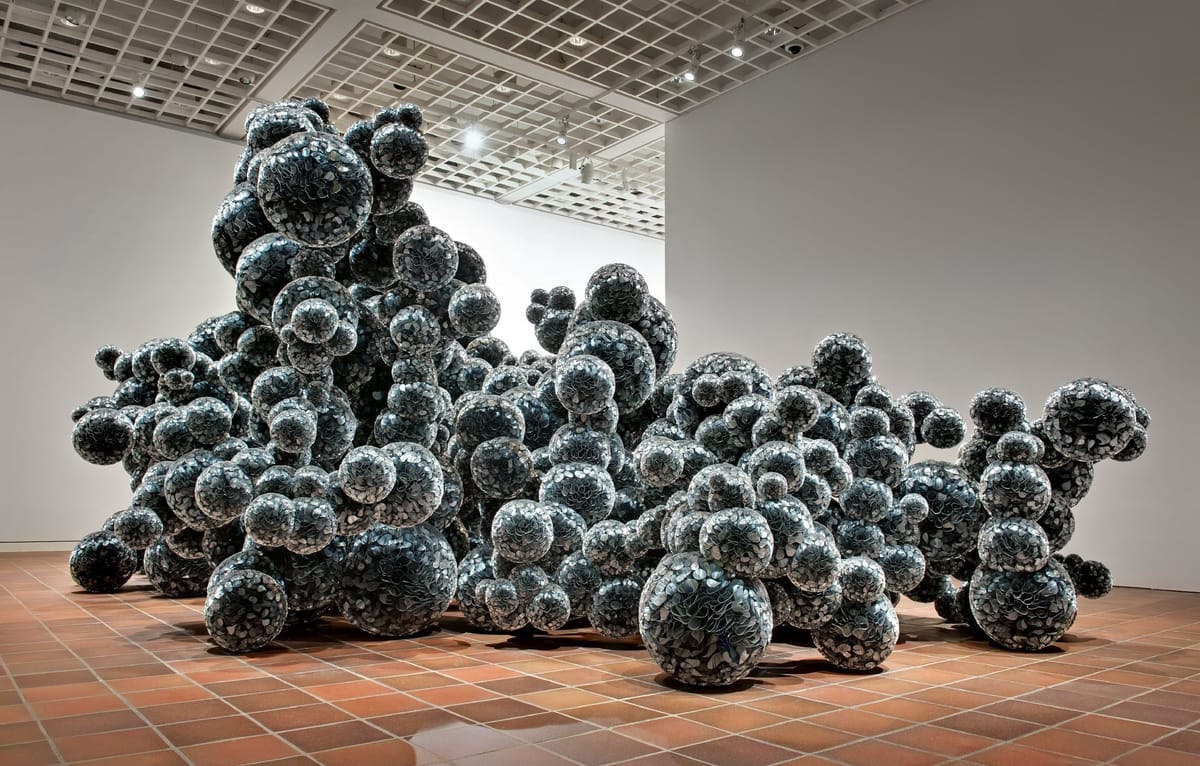
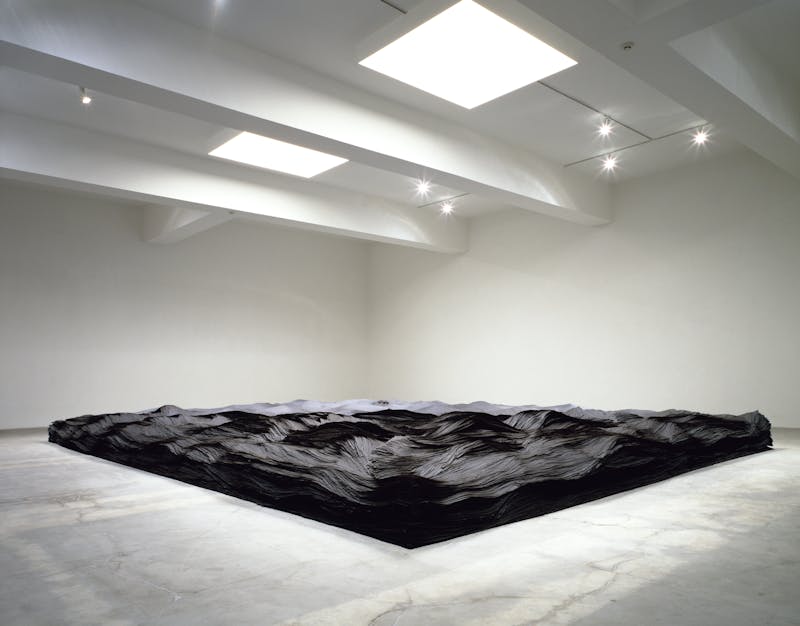
The Seattle Art Museum (SAM) has opened "Monochrome: Calder and Tara Donovan," a new exhibition in its Calder at SAM series that pairs two matte-black Alexander Calder sculptures with works by Brooklyn-based artist Tara Donovan. Curated by Donovan alongside SAM curator Catharina Manchanda, the show uses black as its sole color to highlight materials, texture, and form. Highlights include Calder's 1949 mobile "Jacaranda" and 1976 maquette "Mountains (1:5 intermediate maquette)," juxtaposed with Donovan's sculptures made from industrial materials like plastic stir sticks, slinkys, tar paper, and mylar. The exhibition runs through January 17, 2027.

‘Monochrome’ at the Seattle Art Museum bridges contemporary art between decades

The Seattle Art Museum's new exhibition, 'Monochrome: Calder and Tara Donovan,' opened May 13, pairing works by mid-20th-century American artist Alexander Calder with newly developed pieces by contemporary artist Tara Donovan. Curated by Catharina Manchanda, the show features Calder's iconic mobile 'Jacaranda' and his massive 'Mountains' stabiles alongside Donovan's site-specific works like 'Transplanted,' a slab of layered roofing tiles, and other pieces made from slinkys, mylar, and stir sticks. Donovan's process emphasizes letting materials dictate form, creating contrasts in mass and movement while engaging with the gallery space.