
filter_list Showing 3 results for "engadin" close Clear
search
dashboard All 5 museum exhibitions 3article culture 1trending_up market 1
date_range Range Today This Week This Month All
Subscribe

massimiliano gioni interview 1990662

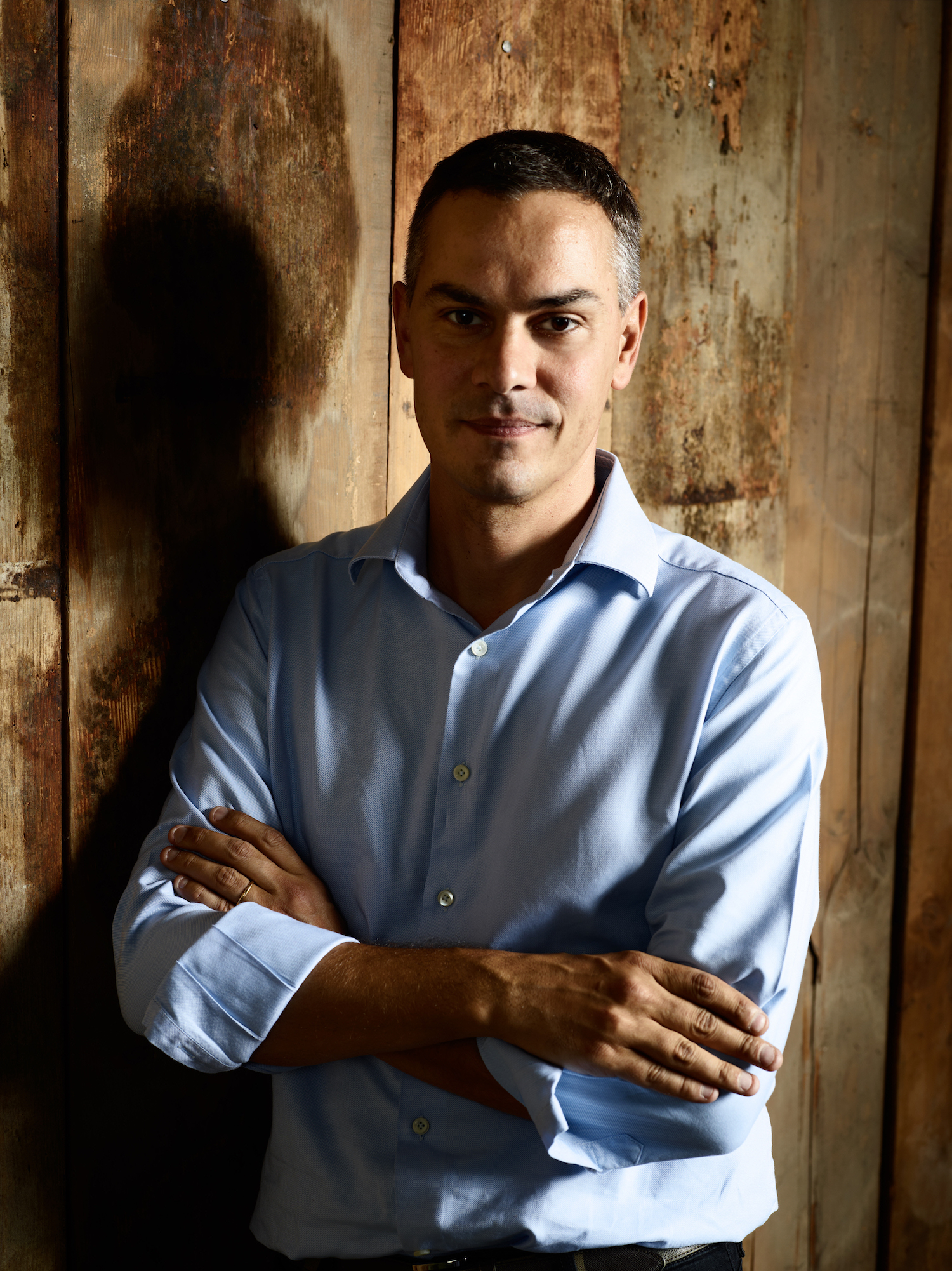
Massimiliano Gioni and Beatrice Trussardi have launched the Beatrice Trussardi Foundation, a nomadic art initiative that debuted with an installation by Polish artist Paweł Althamer in a remote 17th-century hut in Switzerland's Engadin Valley. The project, featuring a sculpture of St. Francis and a series of happenings, marks a new chapter for the duo who previously spent two decades staging ephemeral public art projects in Milan. The foundation aims to operate without a permanent home, bringing site-specific contemporary art to unexpected global locations.
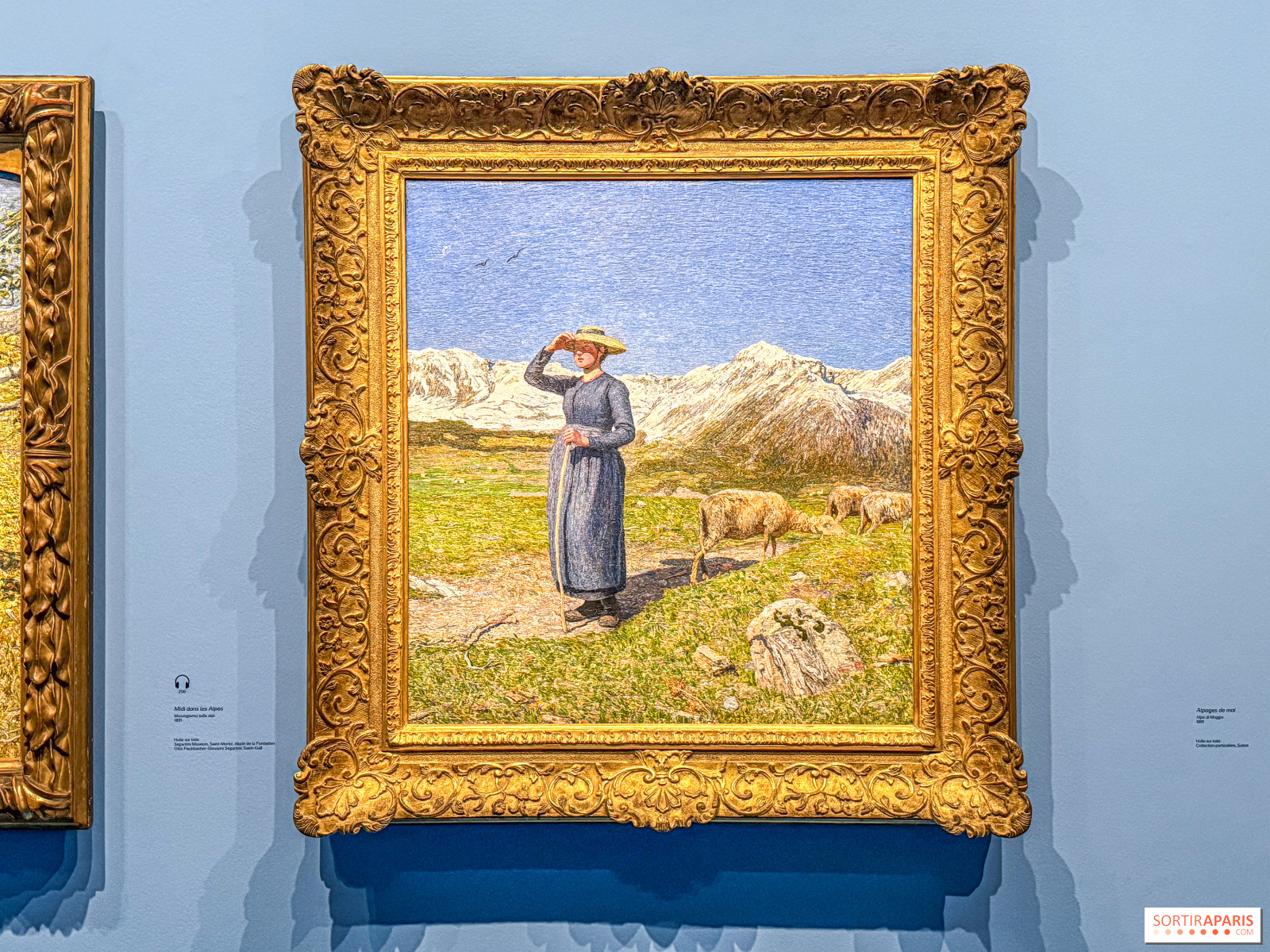
Giovanni Segantini at the Marmottan Monet Museum: our photos from the exhibition on the painter of the Alps

The Marmottan Monet Museum in Paris has opened a major retrospective of Giovanni Segantini, an Italian painter known for his Symbolist and Divisionist Alpine landscapes. Titled "I Want to See My Mountains," the exhibition runs from April 29 to August 16, 2026, and features over 60 works including oil paintings, pastels, and drawings, plus around 30 works on paper from European collections. Curated by Gabriella Belli and Diana Segantini, the show traces Segantini's artistic journey from his early days in Italy to his time in the Engadine Valley in Switzerland, where he found inspiration in mountain landscapes. The exhibition is divided into ten sections and also includes a contemporary tribute to Anselm Kiefer, whose works create a dialogue with Segantini's vision.

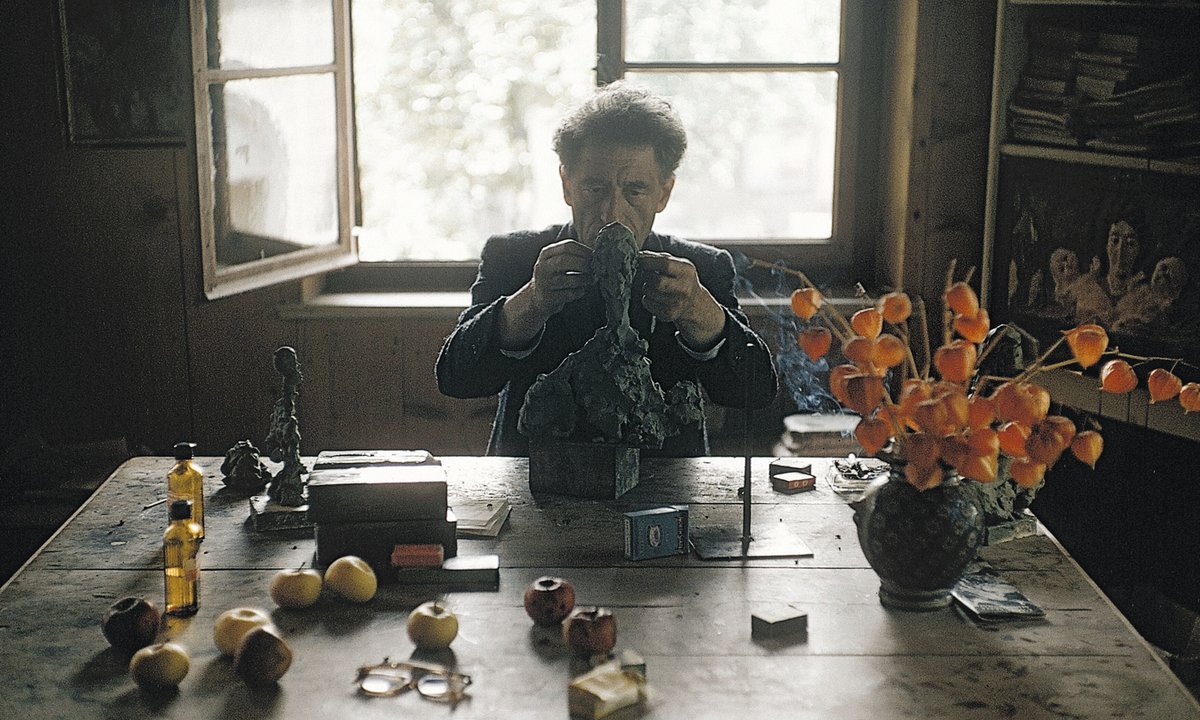
Drawn to home: how landscape and locals inspired Alberto Giacometti

A new exhibition at Hauser & Wirth in St. Moritz, titled "Alberto Giacometti: Faces and Landscapes of Home," explores the Swiss artist's deep connection to his birthplace, the Alpine village of Stampa. Curated by Tobia Bezzola, the show features around 20 paintings, sculptures, and drawings from 1918 through the 1960s, including portraits of Giacometti's family and depictions of the local landscape. It highlights how Giacometti, after initially escaping to Paris in 1922, returned increasingly to the Engadine valley from the 1950s onward, working in his father's studio and producing works distinct from his Parisian output.