
filter_list Showing 4 results for "hever castle" close Clear
search
dashboard All 8 museum exhibitions 4article news 3article culture 1
date_range Range Today This Week This Month All
Subscribe

Anne Boleyn Exhibition at Hever Castle

anne boleyn hever castle

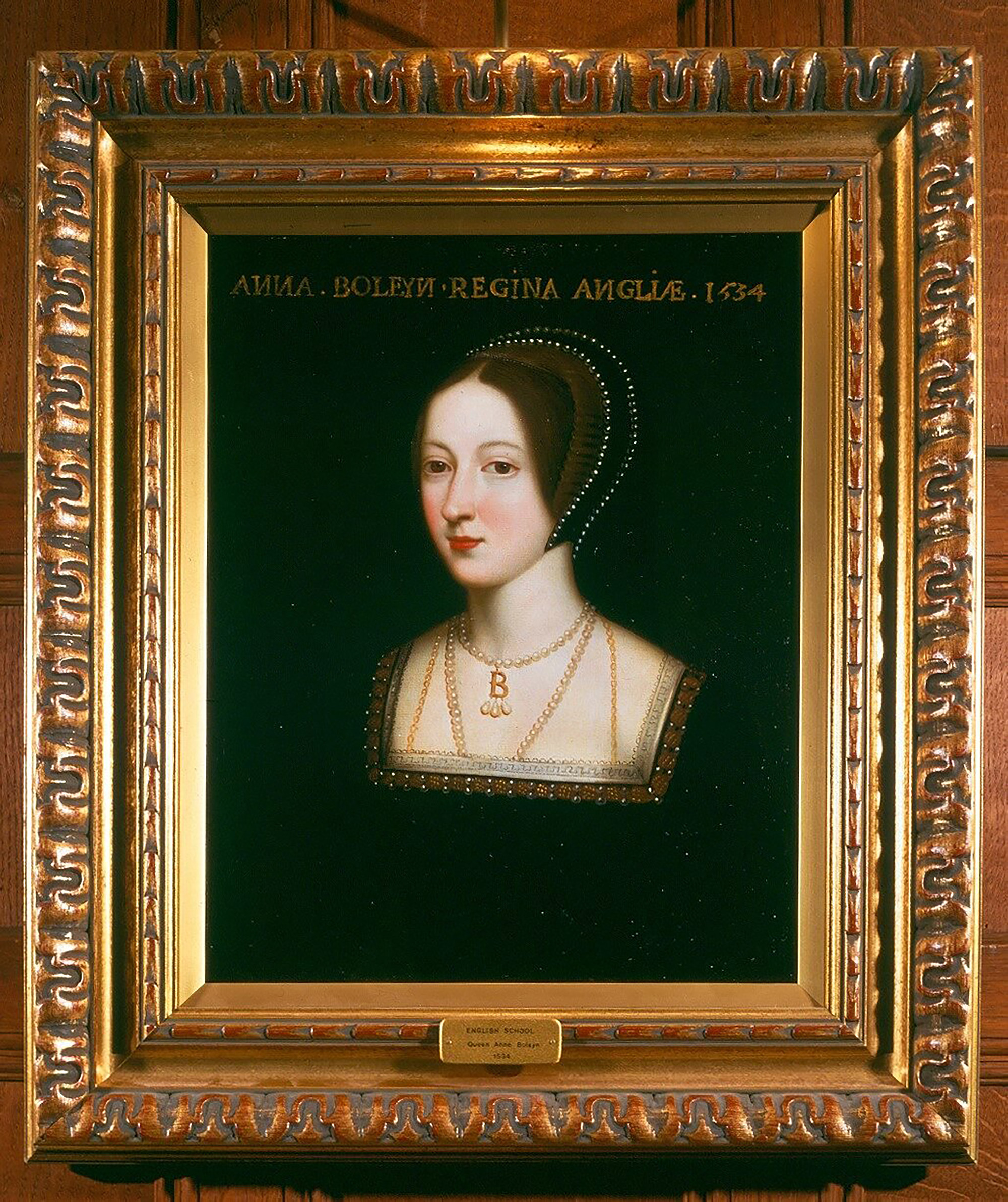
Hever Castle has launched "Capturing a Queen: The Image of Anne Boleyn," a landmark exhibition exploring the visual legacy of King Henry VIII’s second wife at her childhood home. The show brings together an unprecedented collection of portraits, woodcuts, and costumes to challenge the long-held myth that all contemporary likenesses of Anne were destroyed after her execution. Key highlights include infrared analysis of the 1583 "Rose" Portrait and research suggesting that some famous posthumous depictions actually blended her features with those of her daughter, Elizabeth I, to solidify Tudor legitimacy.

anne boleyn portrait elizabeth i

New research by Tudor historian Owen Emmerson suggests that the most famous portrait of Anne Boleyn, displayed at London’s National Portrait Gallery, actually depicts her daughter Queen Elizabeth I. Emmerson argues the late-16th-century painting was deliberately made to resemble Elizabeth I, reinforcing a legitimate Tudor succession. The theory is supported by comparisons with another portrait of Elizabeth at Compton Verney and by Lawrence Hendra of Philip Mould gallery. An upcoming exhibition at Hever Castle, "Capturing a Queen: The Image of Anne Boleyn," will present this and other evidence, alongside newly identified contemporaneous images of Boleyn, including a miniature from the British Museum and a drawing by Hans Holbein the Younger.

anne boleyn portrait witch rumors

A portrait of Anne Boleyn at Hever Castle in England has been revealed through infrared reflectography to have been altered to show her hands, countering rumors that she was a witch with six fingers. Tree-ring analysis dates the painting to around 1583, during the reign of her daughter Elizabeth I, making it the earliest known likeness of Boleyn. The underdrawing lacked hands, suggesting the unknown artist deliberately added them to rebut claims by Catholic activist Nicholas Sanders that Boleyn had six fingers.

Twisting tale of ‘Henry VIII’s lost dagger’ to be told in London exhibition

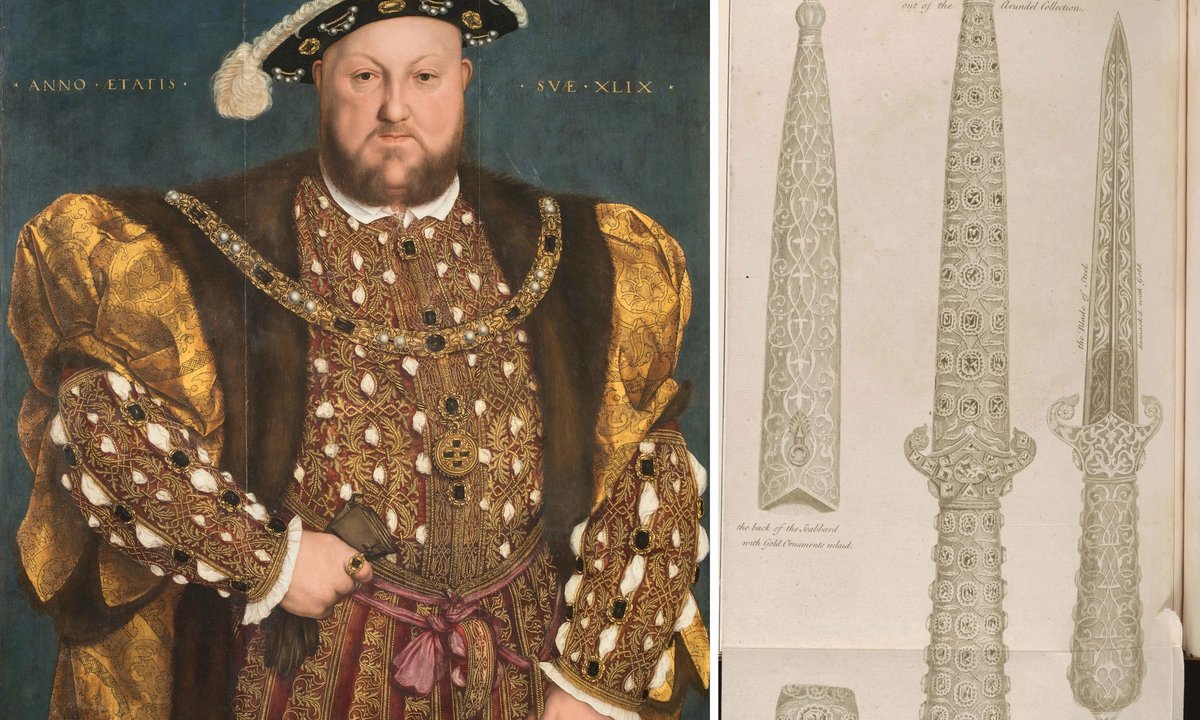
An exhibition opening at Strawberry Hill House in London on November 1 will explore the history of a jewel-encrusted Ottoman dagger long believed to have belonged to Henry VIII. Curator Silvia Davoli has uncovered that the dagger was actually made in late 16th-century Istanbul, decades after Henry's death, and was mistakenly attributed to the king by 18th-century engraver George Vertue. The dagger was owned by Horace Walpole, then passed through several hands before being stolen in a 1946 heist at Hever Castle, where it was kept by the Astor family. Though the original dagger remains missing, the exhibition will display two similar Ottoman daggers from Welbeck Abbey and Vienna's Kunsthistorisches Museum.