filter_list Showing 10 results for "indigenous knowledge systems" close Clear
search
dashboard All 11 museum exhibitions 10article culture 1
date_range Range Today This Week This Month All
Subscribe

claudia alarcon silat weaving venice biennale james cohan

Claudia Alarcón, a Wichí artist from Argentina, learned the traditional yica stitch from her mother and grandmother at age 12. Her weavings, created in collaboration with the all-female collective Silät, were a standout at the 2024 Venice Biennale, earning critical praise from Barry Schwabsky in The Nation. The works are now featured in a solo show at James Cohan Gallery in New York, as well as in Brazil’s Bienal do Mercosul, and will travel to the De La Warr Pavilion in England, the Museo de Arte de São Paulo, and the Guggenheim Bilbao.

sandy rodriguez ringling museum of art exhibition

Los Angeles-based artist and researcher Sandy Rodriguez has opened her most ambitious exhibition to date, "Currents of Resistance," at the Ringling Museum of Art in Sarasota, Florida, running through August 10. The centerpiece is "Resistance Map of the Gulf of Mexico" (2025), a 94.5-inch amate paper map from her ongoing "Codex Rodriguez-Mondragón" series. Rodriguez creates her own pigments from foraged minerals and botanical specimens, and uses handmade amate bark paper from San Pablito, Mexico, a sacred Mesoamerican material once outlawed during the colonial era. The map layers 500 years of cartographic tradition with historic and contemporary acts of resistance, including the Mixtón War, the Calusa resistance, and modern police violence in New Orleans. For this exhibition, she also introduced ocean water from the Gulf of Mexico to thin her pigments, referencing climate change as ongoing colonial aggression.

art cannupa hanska luger aspen air installation

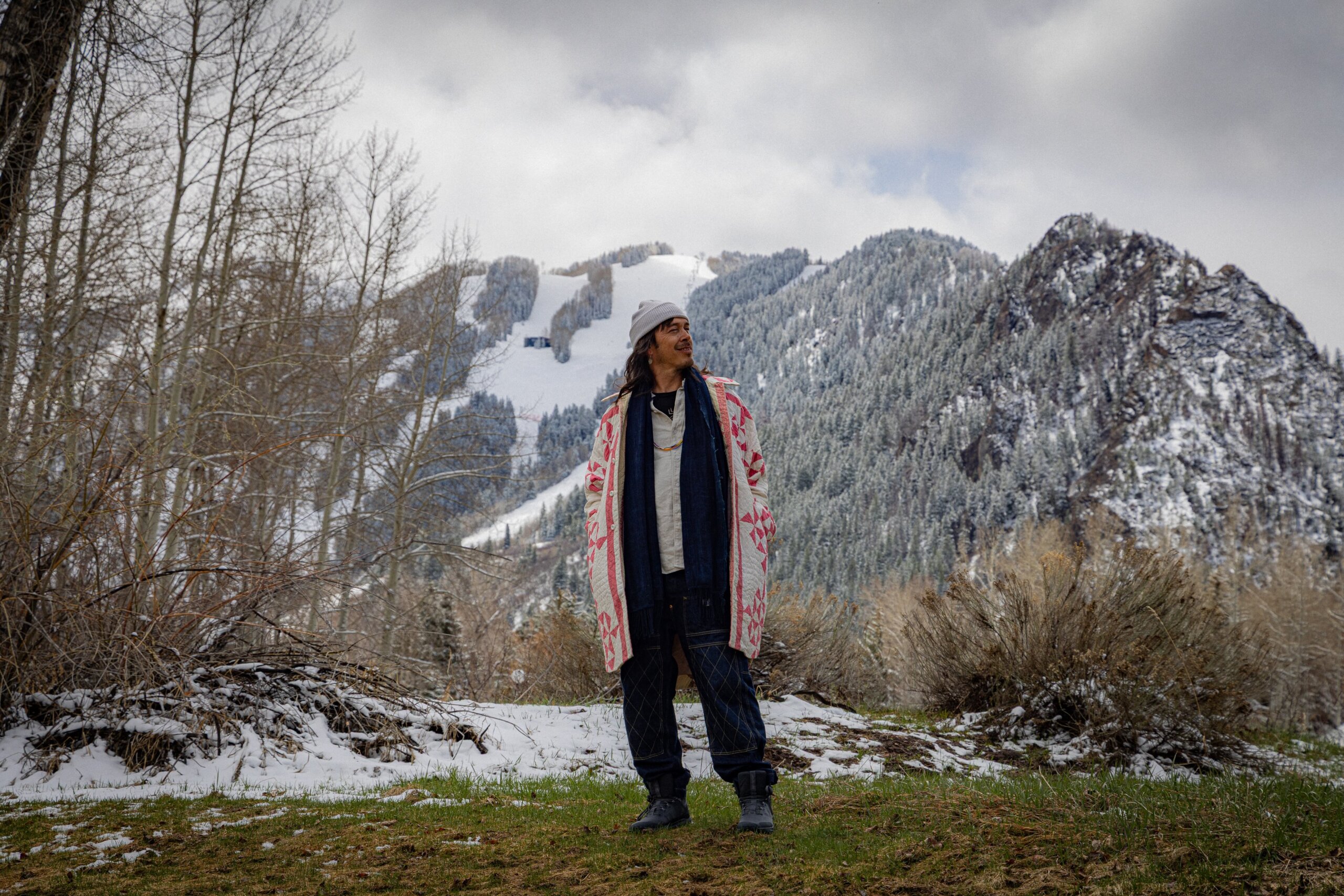
Cannupa Hanska Luger, a New Mexico-based artist, has created "Volume," an installation of clay whistles shaped like animal skulls that produce sound hourly using sensors and mechanical breath. The work is part of AIR, the Aspen Art Museum's inaugural retreat and festival, which explores the role of art in an era of rapid technological transformation. Luger discusses how the whistles, fired using multiple techniques, serve as a memento mori and draw on ancient globular whistle technology, Indigenous knowledge systems, and the idea that objects carry life.

Interview with the artist of the enchanting New Zealand Pavilion at the 2026 Venice Biennale

Intervista all’artista dell’ammaliante Padiglione Nuova Zelanda alla Biennale Arte 2026

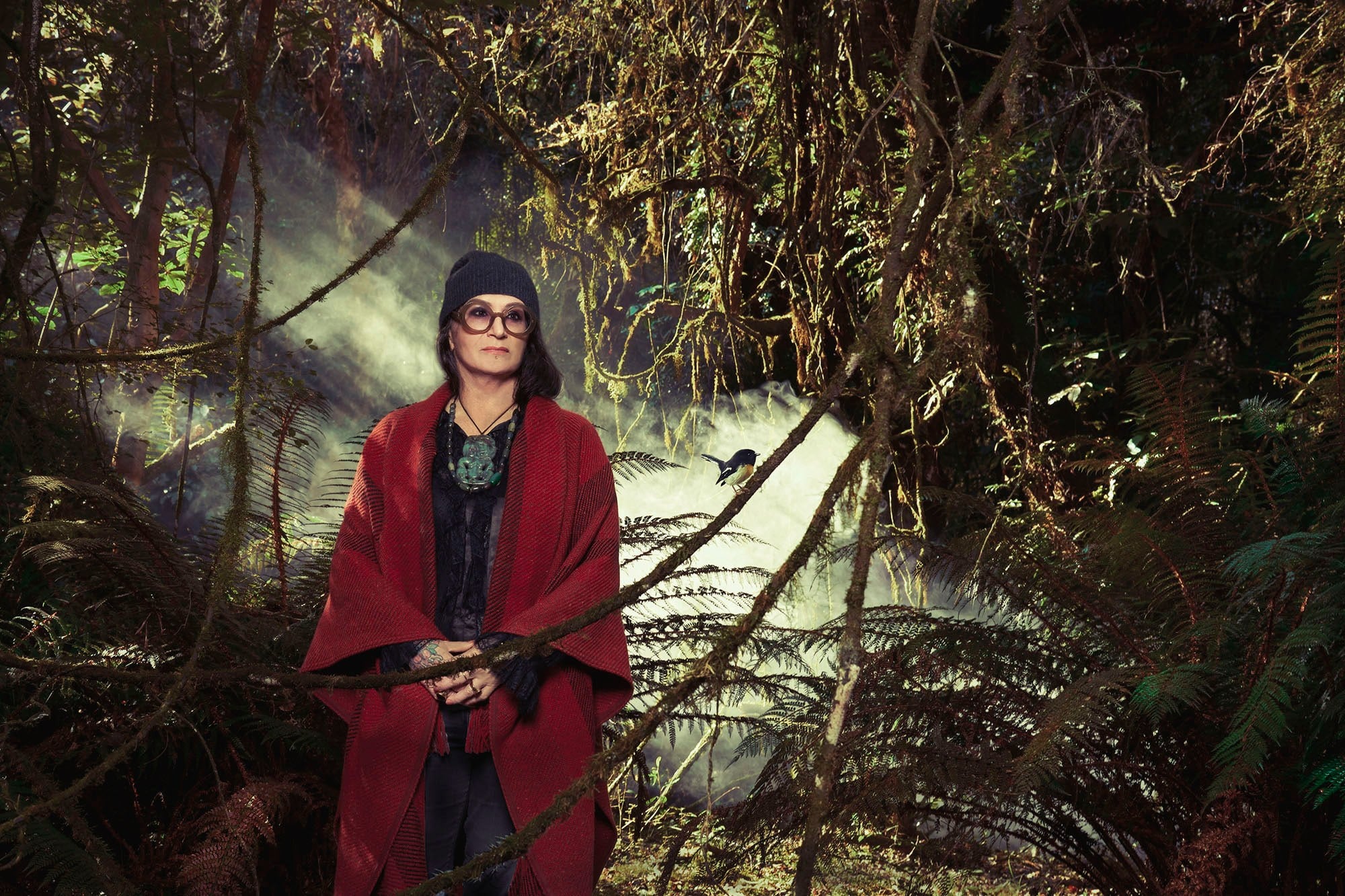
Fiona Pardington, a Māori artist from Devonport (1961), will represent New Zealand at the 2026 Venice Biennale with a deeply spiritual and ecologically conscious installation in the national pavilion. Her project centers on the takahe, a bird long thought extinct, using photography, sound, and immersive space to evoke loss, memory, and transformation. Pardington’s work draws on Ngāi Tahu culture, colonial history, and natural history, featuring a taxidermied takahe specimen from the British Museum that she re-photographed and chromatically restored.

‘Tide of Returns’: Ocean Space in Venice

The Repatriates Collective has launched 'Tide of Returns' at Ocean Space in Venice, an exhibition that redefines repatriation as a continuous process of spiritual and communal repair rather than a singular legal transaction. Set within the historic Church of San Lorenzo, the installation features immersive works such as 'From My Mother’s Country,' which utilizes thousands of handmade dolls from Namibia, and Verena Melgarejo Weinandt’s textile and video works exploring the symbolic power of water and braiding.

Zimbabwean artist Option Nyahunzvi explores cultural values in a bold new exhibition

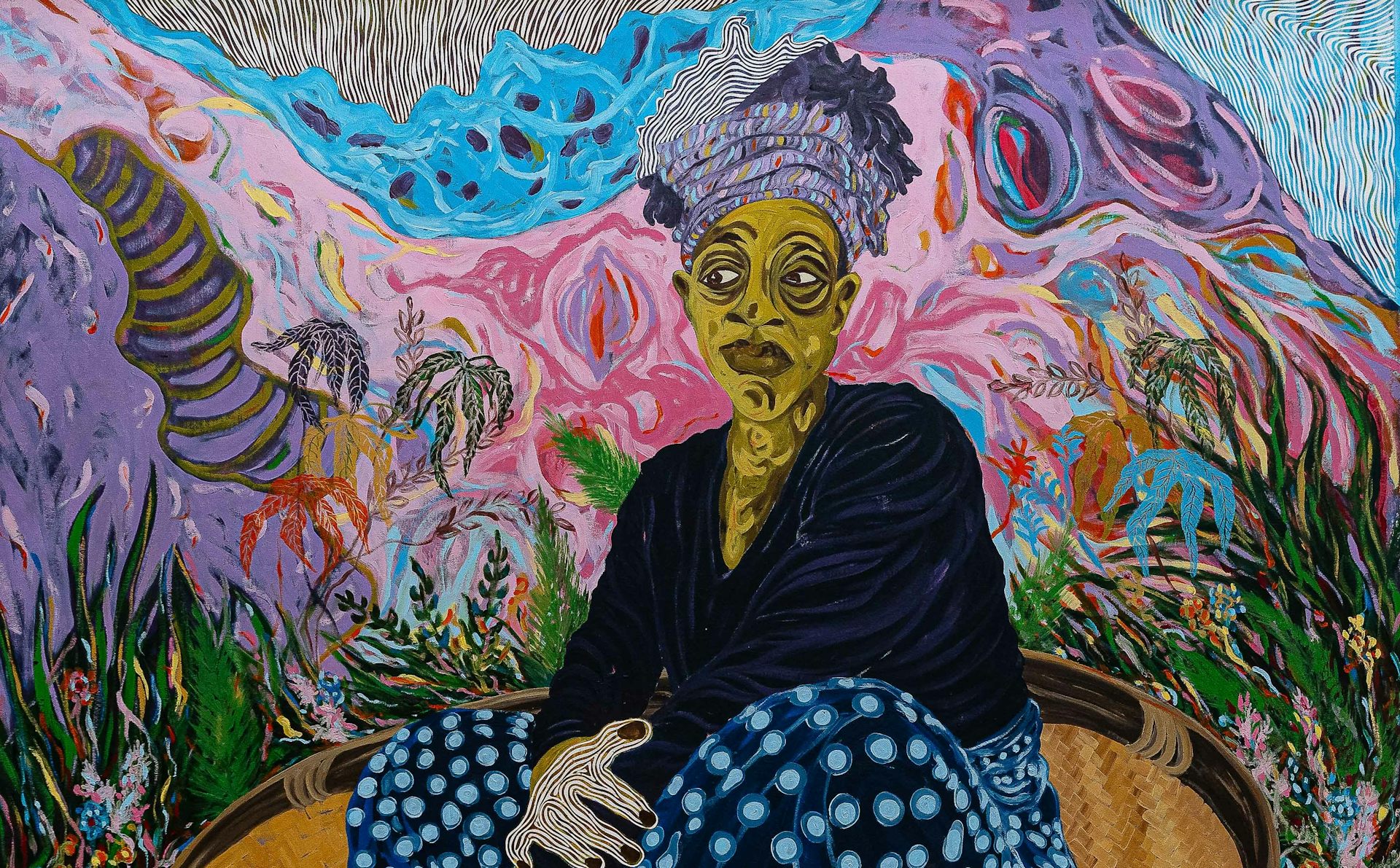
Zimbabwean artist Option Dzikamai Nyahunzvi has launched a major solo exhibition titled 'Zvatiri' (Who We Are) at the National Gallery of Zimbabwe. The show features a multidisciplinary approach, combining installations, live-art performances, and paintings created with a unique technique of layering and etching Fabriano paper onto canvas. The works heavily reference Shona identity, specifically the 'hunhu' (or ubuntu) belief system and the artist's own Mbizi (zebra) totem, aiming to reconnect contemporary audiences with ancestral wisdom.

OSCAR SANTILLAN TO REPRESENT ECUADOR AT THE 61ST VENICE BIENNALE

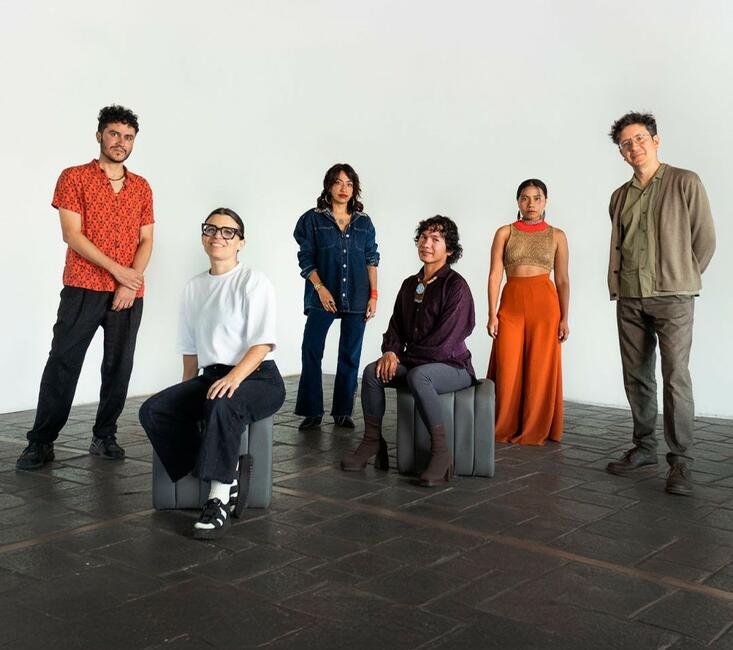
Ecuador has selected artist Oscar Santillán to represent the nation at the 61st Venice Biennale in 2026. Curated by Manuela Moscoso and organized by the Museum of Anthropological and Contemporary Art (MAAC), the pavilion will feature a collaboration between Santillán and the collective Tawna. The exhibition, titled after the collective, will explore Andean-Amazonian contexts through a dialogue on territory, indigenous knowledge systems, and coexistence.

‘Apoi’ and Weaving What Remains

Ugandan artist Acaye Kerunen presents her first solo museum exhibition in Germany, titled 'Apoi,' at the Kunstmuseen Krefeld. The show, installed across the modernist spaces of Haus Lange and Haus Esters, features handwoven textiles, sculpture, sound, and film that draw on Indigenous knowledge systems and intergenerational exchange. It is part of the museum's ongoing 'HL HE Dialog: What Comes After Art' series.

WAYS OF REMEMBERING YAHUARCANI AND MUNOZ AT MASP

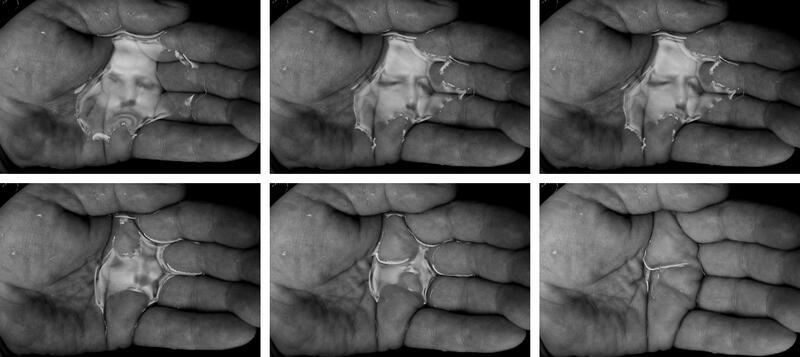
The Museu de Arte de São Paulo (MASP) is currently presenting two distinct exhibitions that explore memory, identity, and historical violence in Latin America. 'Santiago Yahuarcani: The Beginning of Knowledge' features 35 works by the Peruvian artist that weave together Uitoto cosmology with the traumatic history of the Amazon rubber boom, while 'Video Room: Oscar Muñoz' showcases three video works by the Colombian artist that use ephemeral materials to reflect on political disappearance and the instability of the image.

MASP Contested Narratives Between Replica and Weaving

MASP CONTESTED NARRATIVES BETWEEN REPLICA AND WEAVING

The Museu de Arte de São Paulo (MASP) has opened two simultaneous exhibitions that critically examine how narratives in Latin American art are formed. 'Réplica (Replica)' is a retrospective of Peruvian artist Sandra Gamarra Heshiki, featuring over 70 works that appropriate and alter historical pieces to expose the exclusionary mechanisms of museums. 'Vivir, tejer (Living, Weaving)' presents the collaborative textile work of Claudia Alarcón and the Silät collective, a group of over one hundred Wichí women weavers, foregrounding ancestral knowledge and collective creation.