filter_list Showing 15 results for "political protest" close Clear
search
dashboard All 35 article news 18museum exhibitions 15article culture 2
date_range Range Today This Week This Month All
Subscribe

5 Under-Recognized Artists Getting Their Due in New York This Season

The article highlights five under-recognized artists whose exhibitions are on view in New York this season, focusing on Domenico Gnoli at Lévy Gorvy Dayan and Raquel Rabinovich at Hutchinson Modern and Contemporary. Gnoli, an Italian painter who died in 1970, is known for his pallid, claustrophobic depictions of everyday subjects, while Rabinovich, who died at 102 in January 2026, created somber minimalist paintings exploring silence and withholding. The piece notes that New York galleries often use the pre-fair period to showcase less prominent artists of great promise.
Queer eyes in focus, sculpture hits pay dirt and Whistler’s world – the week in art

This week's art roundup from The Guardian highlights a major exhibition of James McNeill Whistler at Tate Britain, showcasing the American artist's impact on Victorian Britain with avant-garde influences from Paris and Japan. Other notable exhibitions include "Gender Stories" at the Walker Art Gallery in Liverpool, featuring works by David Hockney and Grayson Perry; Delcy Morelos's earthy sculptures at the Barbican Centre; and Henry Moore's sculptures at Kew Gardens. The article also covers news of a Nazi-looted portrait found in the home of a Dutch SS leader's family, protests at the Venice Biennale over Israel's inclusion, and the unveiling of Zineb Sedira's film installation at Tate Britain.

It’s the Most Controversial Venice Biennale in Years. Can the Art Stand Up to the Noise?

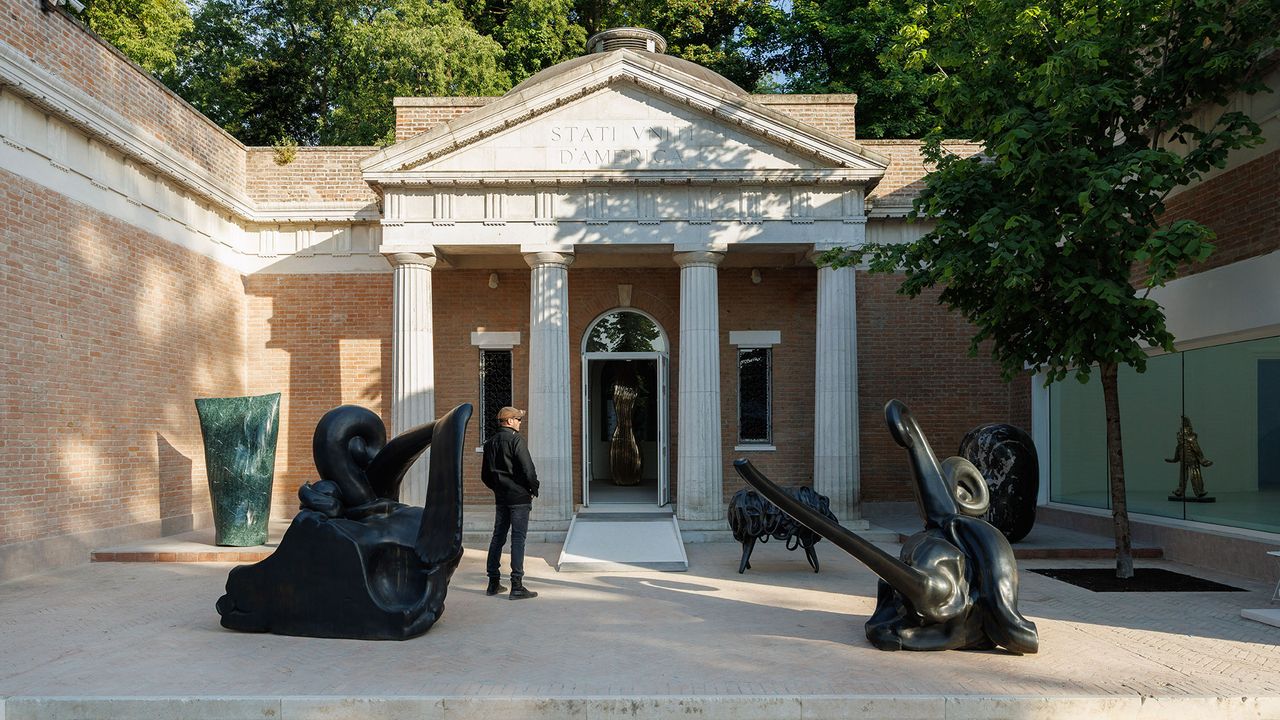
The 2026 Venice Biennale is embroiled in controversy, with the US Pavilion at the center of a political storm. The Trump administration's State Department overhauled the selection process, bypassing the usual NEA panel and commissioning a nonprofit, the American Arts Conservancy, to organize the pavilion. Artist Alma Allen, who accepted the invitation despite threats from galleries and curators, presents a show that critics find politically muted. The Biennale's jury resigned days before the opening, and annual prizes were canceled, adding to the turmoil.

Female nudity and art that stinks: key takeaways from Venice Biennale 2026

The 2026 Venice Biennale opened with 99 participating countries, including first-timers Somalia and Qatar, under the shadow of curator Koyo Kouoh's death. Her planned theme of "enhancement" and the main show "In Minor Keys" were disrupted by political protests: Pussy Riot objected to Russia's inclusion, and a strike against Israel's participation forced several national pavilions (UK, Austria, France) to close. Key takeaways include pervasive female nudity across pavilions, debates over Russia's presence, criticism of the US pavilion's lackluster art, maritime themes dominating several shows, and the rise of olfactory art.

How Can Art Depict Everyday Violence?

Anuar Maauad and Roger Muñoz have cocurated the exhibition "La Alegría de Vivir" at Estudio Anuar Maauad in Mexico City, featuring works by Jorge de León, Benjamin Orlow, Miguel Ángel Rojas, Berenice Olmedo, Miguel Ventura, Paul McCarthy, and Teresa Margolles. The show confronts themes of necropolitics and systemic violence through sculptures, photographs, and installations that depict war, state power, and human suffering as ongoing, normalized conditions.

The best and worst we saw at the Venice Art Biennale 2026. Artribune's hits and flops

Il meglio e il peggio che abbiamo visto alla Biennale d’Arte di Venezia 2026. Top e flop di Artribune

The 61st Venice Biennale, titled "In Minor Keys" and directed by Koyo Kouoh, opened amid significant turmoil: the death of a newly appointed curator, diplomatic tensions over the presence of Russia and Israel, political protests, and the unprecedented collective resignation of the jury, which led to the Golden Lions being awarded by public vote for the first time. Despite this chaotic backdrop, the exhibition—featuring a record 100 national pavilions—has been widely praised for avoiding moralistic pedagogy and instead embracing visual seduction, formal quality, and sensory joy while addressing themes of identity, memory, colonialism, ecological crisis, and violence. The article highlights top and flop moments from the opening week, including strong showings by Biennale president Pietrangelo Buttafuoco and a standout exhibition at Fondazione Prada.

Venice in Crisis Mode

Venedig im Krisenmodus

The 61st Venice Biennale has opened under extraordinary circumstances, marked by political protests, a jury resignation, and canceled awards. The Biennale's jury resigned en masse after announcing they would exclude Israeli and Russian contributions from their decisions, leading to the cancellation of the Golden Lion awards and a crisis over the international competition's legitimacy. A newly introduced audience prize also faced boycotts from artists in solidarity. Protests, closed pavilions, and pro-Palestinian actions dominated the preview days, with artists pasting protest posters directly onto their works, reflecting heightened tensions.

Biennale Arte 2026: which national pavilions strike us and why

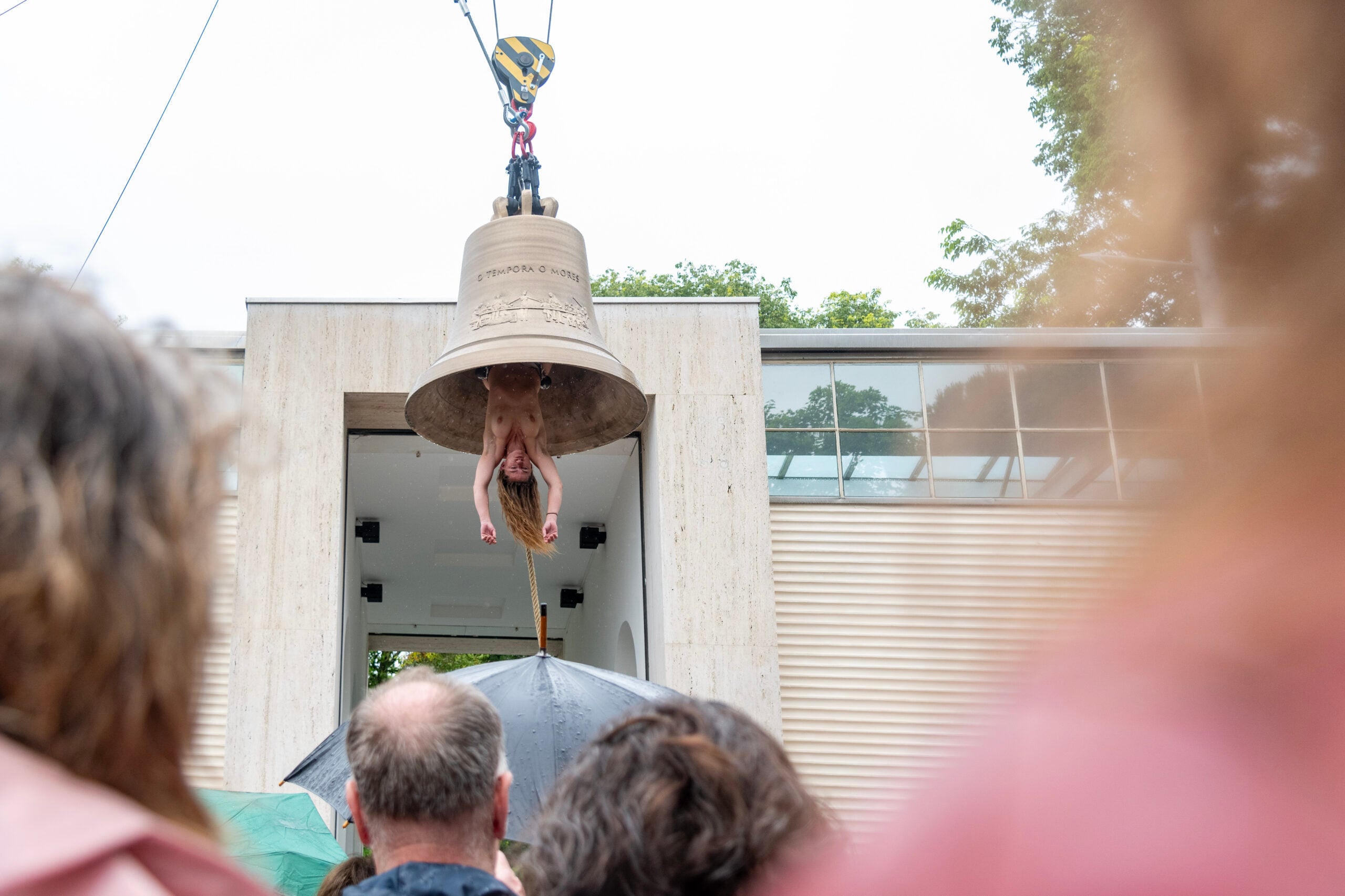
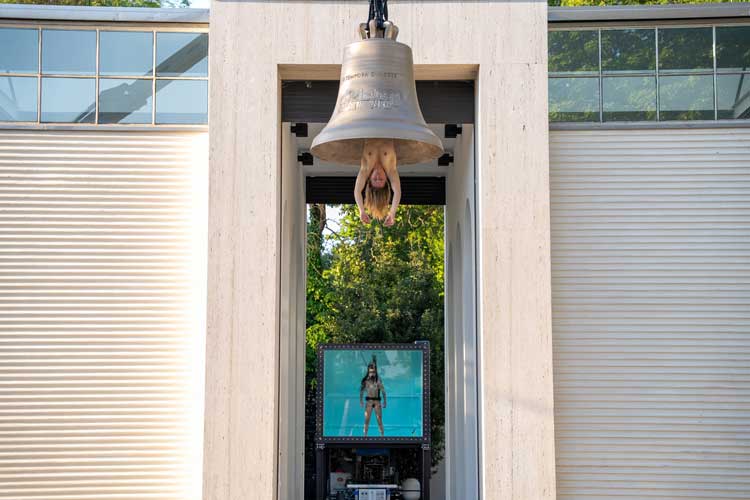
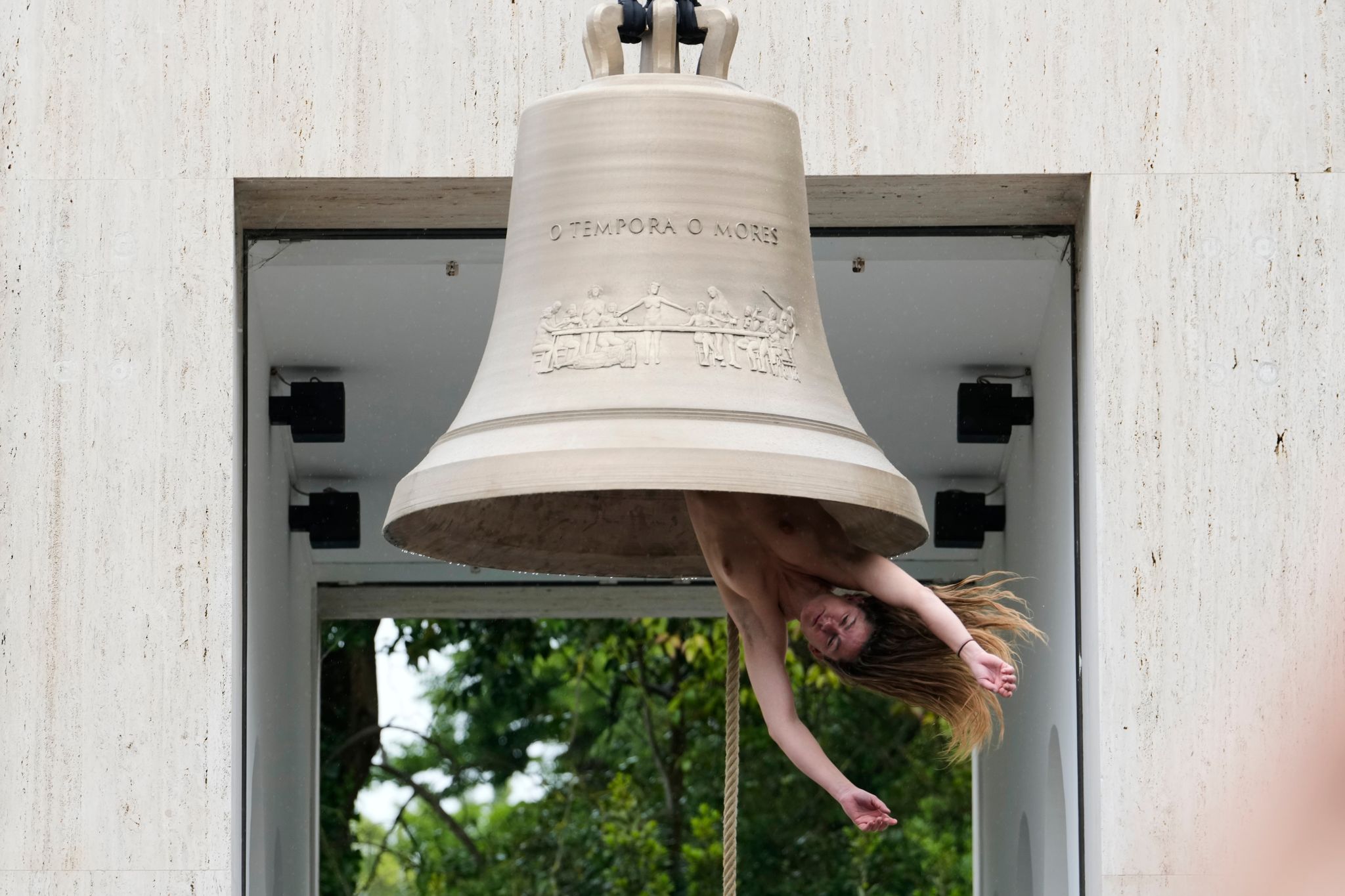
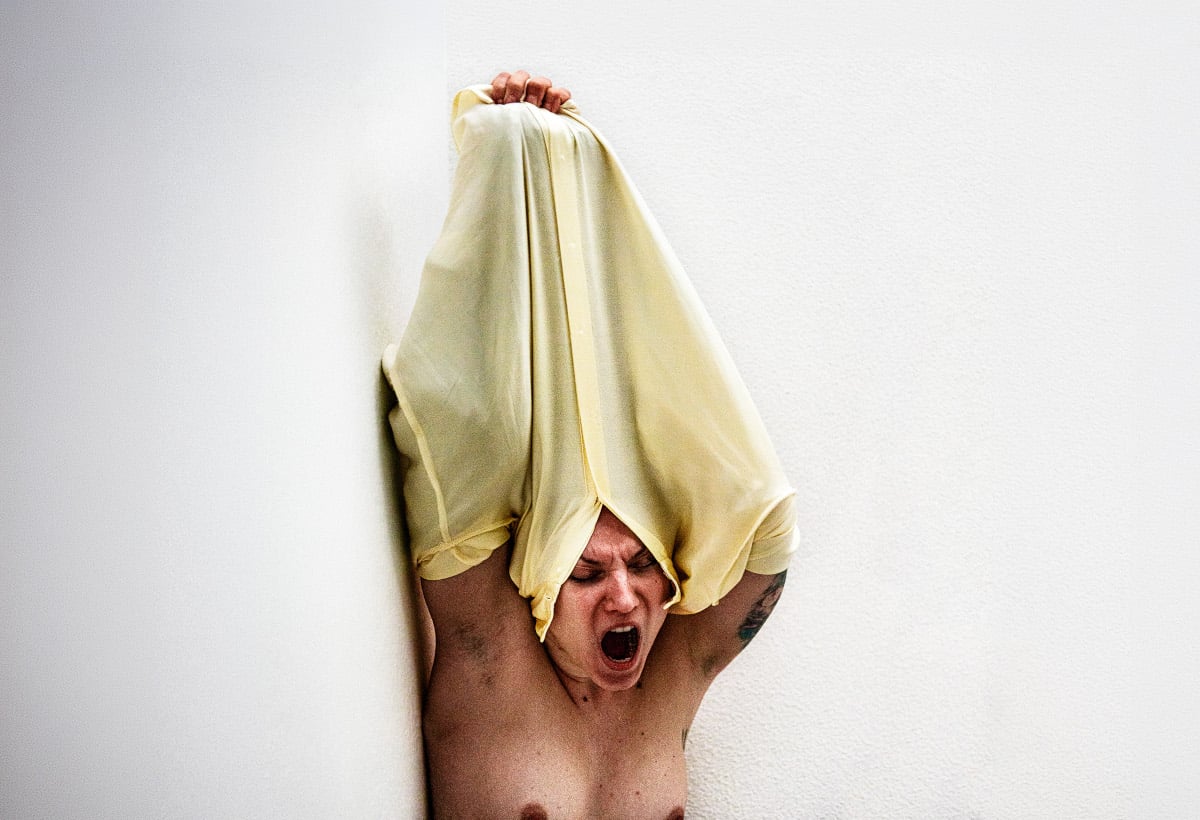
The 61st International Art Exhibition of La Biennale di Venezia, titled "In Minor Keys" and curated by Koyo Kouoh (who passed away in May 2025), opened amid intense controversy over its artist list and geopolitical tensions. Protests erupted against the participation of Israel and Russia, with a petition signed by 22 countries to exclude Russia, threats from the European Commission to suspend funding, and the resignation of the international jury. Around 18 national pavilions staged strikes and partial closures to denounce the normalization of Israel's presence and precarious labor in the art world. The Austria Pavilion's performance by Florentina Holzinger, featuring a girl hanging upside down inside a tilting bell, became a viral symbol refocusing attention on art itself.

"One of the most dramatic Biennales": 11 unmissable art shows to see at Venice

Theo Christelis reports from the opening week of the 2024 Venice Biennale, describing it as one of the most dramatic editions in recent memory. Key events include the death of main curator Koyo Kouoh and German Pavilion artist Henrike Naumann, the resignation of the prize jury over the participation of Israel and Russia, a protest by Pussy Riot, and a boycott by half the participating artists. Amid the turmoil, Christelis highlights unmissable shows including the Indian Pavilion (returning after seven years), Jenny Saville at Ca' Pesaro, Michael Armitage at Palazzo Grassi, and presentations at the British, Japanese, and Saudi Arabian Pavilions.

Venice Biennale 2026 Roundup

The 61st Venice Biennale, titled "In Minor Keys" and curated by the late Koyo Kouoh, opened in May 2026 amid significant turmoil. The Austrian Pavilion features Florentina Holzinger's performance piece "Seaworld Venice," centered on a giant bell that chimes hourly. The biennale has been marked by the death of its curator, the resignation of the international jury over the inclusion of Russia and Israel, protests by Pussy Riot and the Art Not Genocide Alliance, and the cancellation of the South African Pavilion over Gabrielle Goliath's "Elegy," which honors murdered women including a Palestinian poet. The US Pavilion's state-sponsored offerings have also drawn criticism.

At this year's Venice Biennale, a clash of politics and art exposes the need for a rethink

The 2026 Venice Biennale is plagued by controversy and structural issues. Curator Koyo Kouoh died of cancer in 2025, leaving her team to execute the main exhibition "In Minor Keys" without her. The Biennale's jury resigned after refusing to judge entries from countries charged with war crimes, and media coverage during preview week focused on protests against the Israeli and Russian pavilions rather than the art. The sprawling exhibition features 96 national pavilions and 110 artists, with works ranging from Daniel Lind-Ramos's found-material figures to María Magdalena Campos-Pons's tribute to Toni Morrison and Kouoh.

Venice Biennale opens without a jury amid strife over Russian and Israeli participation

The Venice Biennale, one of the world's most prestigious contemporary art exhibitions, opens its most contested edition in memory without a jury after the jury resigned in protest over the participation of Israel and Russia, both under investigation by the International Criminal Court for human rights abuses. Protests have erupted outside the Israeli and Russian pavilions, with demonstrators clashing with police, while feminist groups from Ukraine and Russia converged on the Russian Pavilion and Palestinians remembered artists killed in Gaza. The Biennale has replaced the jury with a public vote via email, with winners announced at the close on November 22.

Baby dolls, whale songs and swimming in urine: The Venice Biennale’s must-see national pavilions

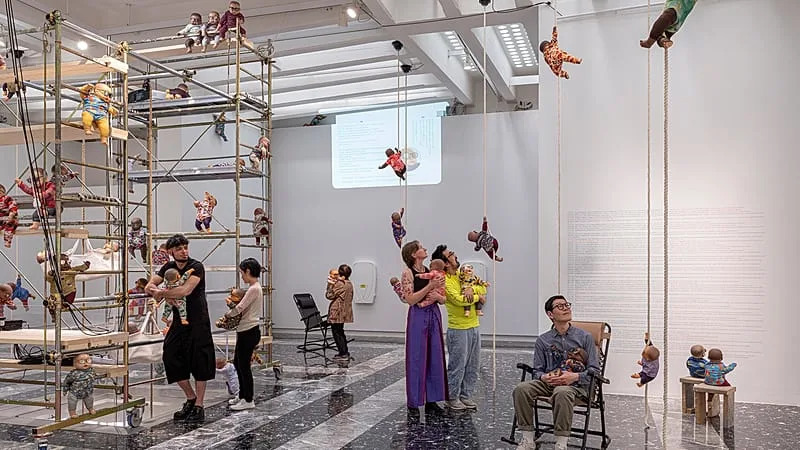
The 61st Venice Biennale, themed 'In Minor Keys' by late curator Koyo Kouoh, has been marked by political protests against Russia and Israel's participation, pavilion closures, and threats to funding. Despite this tense atmosphere, several national pavilions quietly embody Kouoh's vision of nurture, intimacy, and reflection. Highlights include the Japan Pavilion's 'Grass Babies, Moon Babies' by Ei Arakawa-Nash, where visitors carry and care for baby dolls, and the Polish Pavilion's 'Liquid Tongues' by Bogna Burska and Daniel Kotowski, an immersive sound installation exploring Deaf culture and marginalized communication.

Hong Kong wows the crowds to sleep at the 2026 Venice Biennale

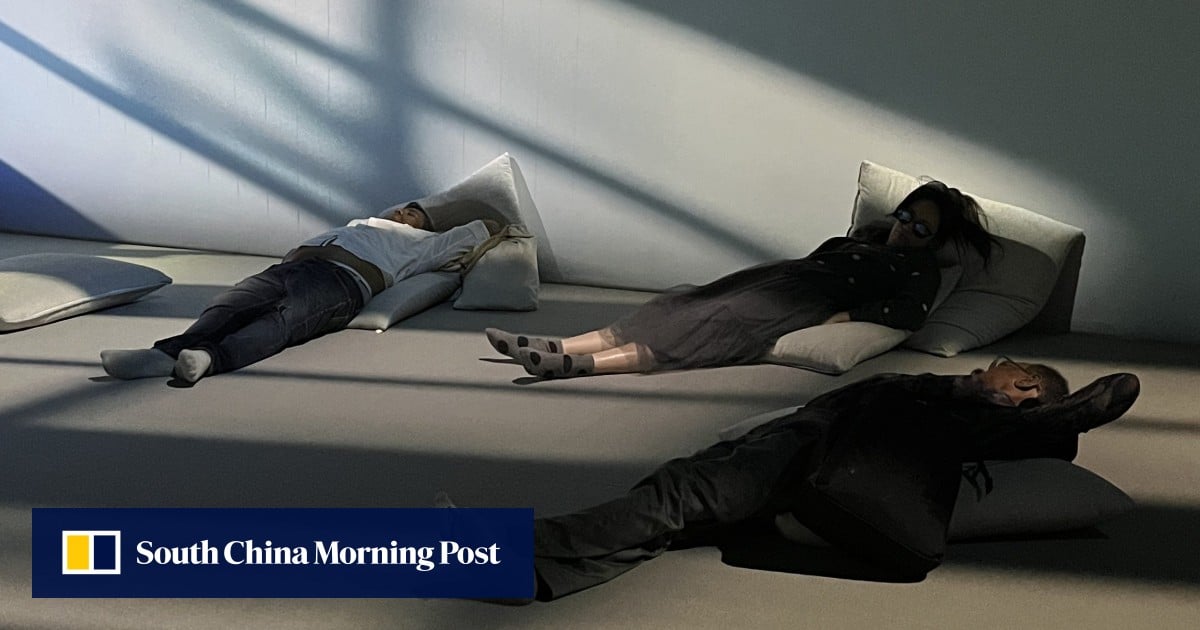
The 2026 Venice Biennale, titled "In Minor Keys" by its late artistic director Koyo Kouoh, has been marked by loud protests and urgent environmental alarms, notably at Florentina Holzinger's Austria pavilion. Amid this chaos, the Hong Kong collateral exhibition "Fermata" at Campo della Tana offers a quiet counterpoint, featuring Kingsley Ng Siu-king's installation *Laundry Nocturne (2026)*, a rest lounge with padded floors and cushions that has caused visitors to doze off. The exhibition follows Kouoh's curatorial vision of creating space for silenced voices and convivial collectivity.

The Dutch Pavilion at the Venice Biennale is a political protest (also against the Biennale itself)

Il padiglione dei Paesi Bassi alla Biennale di Venezia è una contestazione politica (anche della Biennale stessa)

The Dutch Pavilion at the 2026 Venice Biennale, titled "The Fortress" by artist Dries Verhoeven and curator Rieke Vos, transforms the modernist Rietveld Pavilion into a fortress-like enclosure. Inside, a rotating group of thirteen international performers will stage a series of performances throughout the Biennale, focusing on themes of geopolitical uncertainty, social disorder, and the search for stability in an unbalanced world. This marks the first time the Netherlands has used the Rietveld Pavilion for a performance-based project.