filter_list Showing 6 results for "protest" close Clear
dashboard All 28 article news 19museum exhibitions 6article culture 2person people 1
date_range Range Today This Week This Month All
Subscribe

5 Under-Recognized Artists Getting Their Due in New York This Season

The article highlights five under-recognized artists whose exhibitions are on view in New York this season, focusing on Domenico Gnoli at Lévy Gorvy Dayan and Raquel Rabinovich at Hutchinson Modern and Contemporary. Gnoli, an Italian painter who died in 1970, is known for his pallid, claustrophobic depictions of everyday subjects, while Rabinovich, who died at 102 in January 2026, created somber minimalist paintings exploring silence and withholding. The piece notes that New York galleries often use the pre-fair period to showcase less prominent artists of great promise.
Previews: 61st Venice Biennale: In Minor Keys

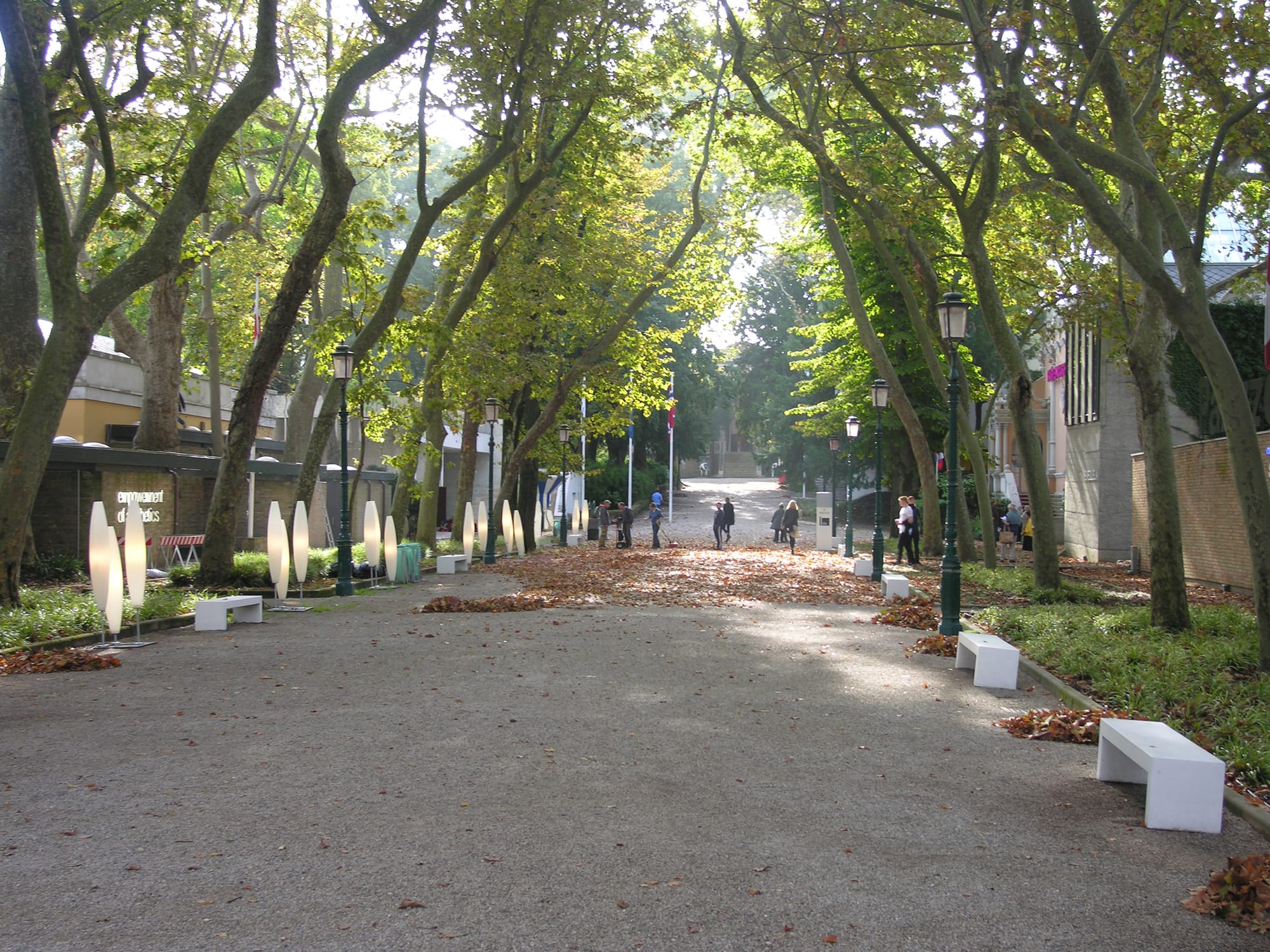
The 61st Venice Biennale, titled "In Minor Keys" and curated by the late Koyo Kouoh, opens amid global turmoil and internal controversy. Kouoh, who passed away in May 2025, conceived the exhibition around the metaphor of a "creole garden," emphasizing deep affinities between 111 artists from diverse locations such as Dakar, Beirut, and Salvador. The Biennale is overshadowed by recent geopolitical events, including US-Israeli airstrikes on Iran, and faces protests: over 70 participating artists signed an open letter opposing the participation of Israel, Russia, and the US, while the Australian pavilion saw the reinstatement of Khaled Sabsabi after being dropped, and South Africa withdrew its official pavilion over Gabrielle Goliath's femicide project, which she will still present independently.

A Theatre Group of Exiled Belarusian Artists Arrive in Venice, With an Exhibition That Shows What Repression Feels Like

The Belarus Free Theatre, an exiled underground theater group, will stage its first official collateral exhibition at the 61st Venice Biennale, titled “Official. Unofficial. Belarus.” The show, held in the historic La Chiesa di San Giovanni Evangelista di Venezia, features site-specific paintings, a sound installation, and large-scale sculptures that aim to immerse visitors in the experience of repression under authoritarian rule. This marks only the fifth time Belarus has been present at the Biennale, and the first time it appears not as a state but as a self-governing cultural body, challenging the official narratives of nations like Russia.

Jemima Wyman

Jemima Wyman's retrospective "Deep Surface" surveys three decades of her work exploring DIY aesthetics of concealment, protest iconography, and political solidarity. Born in Sydney and based in Los Angeles since 2004, Wyman is known for collages of masked protesters, activist signage, and street rally residues, as seen in works like *Aggregate Icon (RBW)* (2016) and *Mass Monument (Y & B)* (2018). The exhibition highlights her early inspiration from Fluxus, Minimalism, and Yayoi Kusama, as well as the influence of Brisbane's late-1990s art scenes and postcolonial Indigenous Australian art debates. Wyman, who has Indigenous (Palawa) heritage, uses camouflage and disguise to blur boundaries between visibility and concealment, figure and ground.

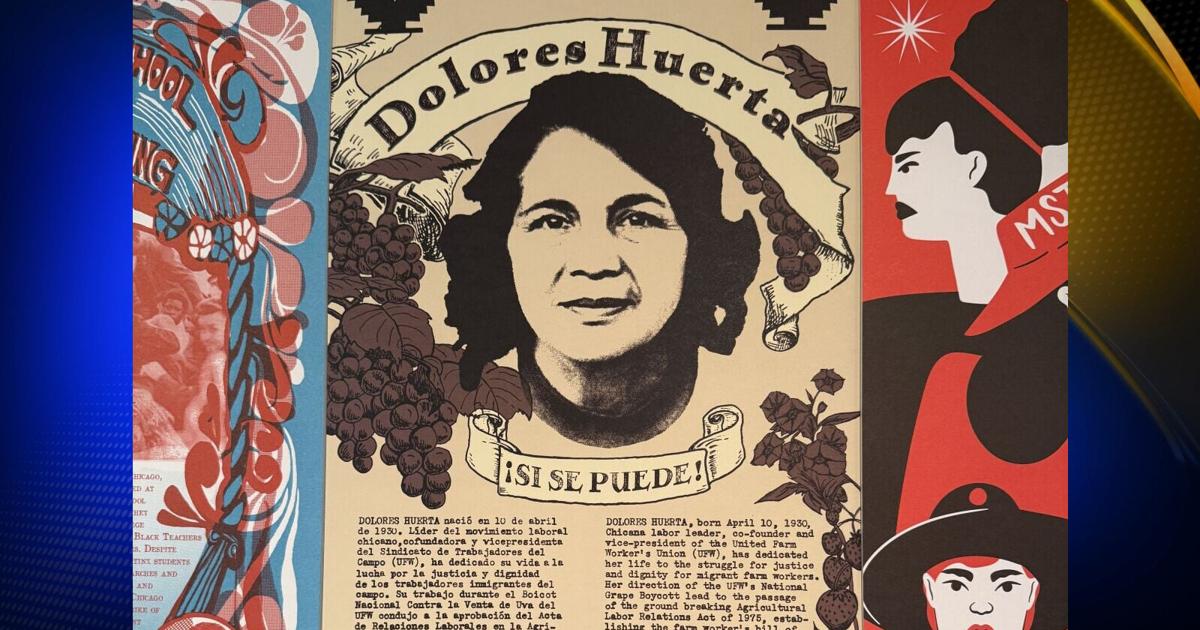
Chico State Museum of Anthropology exhibition centered on protest art

An exhibition titled "Celebrate People's History: Latin America and the Art of Protest" has opened at the Chico State Museum of Anthropology in Chico, California. Housed in the Meriam Library Building, the show features protest art from Latin America and Latinx communities in the U.S., addressing topics such as Dolores Huerta, ICE raids, and local issues like the killing of Desmond Phillips. The exhibition includes works from Pedal Press, a Chico-based organization, and offers interactive print materials for K-12 and college students, with free field trips available for school groups.

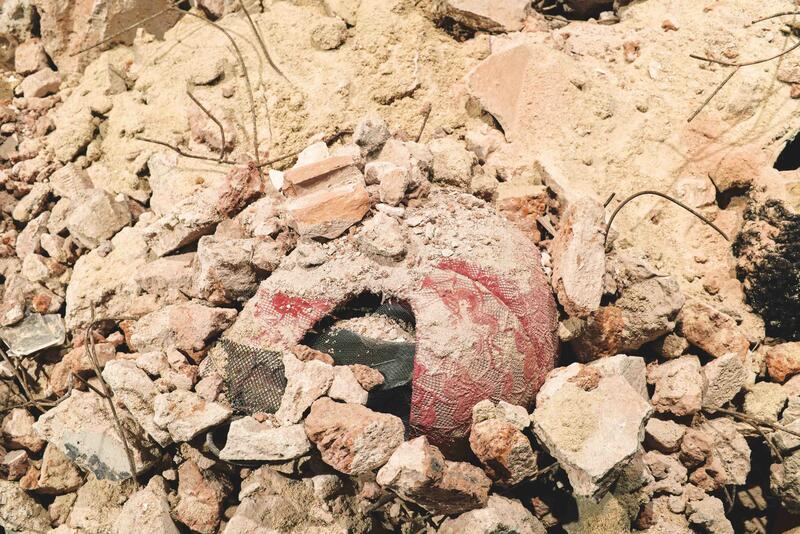
MARGARET WHYTE TURNS FRAGILITY INTO LANGUAGE AT THE 2026 VENICE BIENNALE

The Uruguay Pavilion at the 2026 Venice Biennale presents "ANTIFRAGIL," a new installation by artist Margaret Whyte, curated by Patricia Bentancur. The work combines textiles with obsolete technological objects such as old machines, motorcycle helmets, and waste fragments, embodying the concept of antifragility developed by Nassim Taleb—systems that grow stronger through disorder and instability. Whyte's practice transforms fragility and vulnerability into poetic resistance, challenging traditional hierarchies between craft and contemporary art.