filter_list Showing 10 results for "Cision" close Clear
search
dashboard All 143 article news 53museum exhibitions 32article policy 18trending_up market 10article culture 9rate_review review 6person people 6article local 5gavel restitution 3candle obituary 1
date_range Range Today This Week This Month All
Subscribe

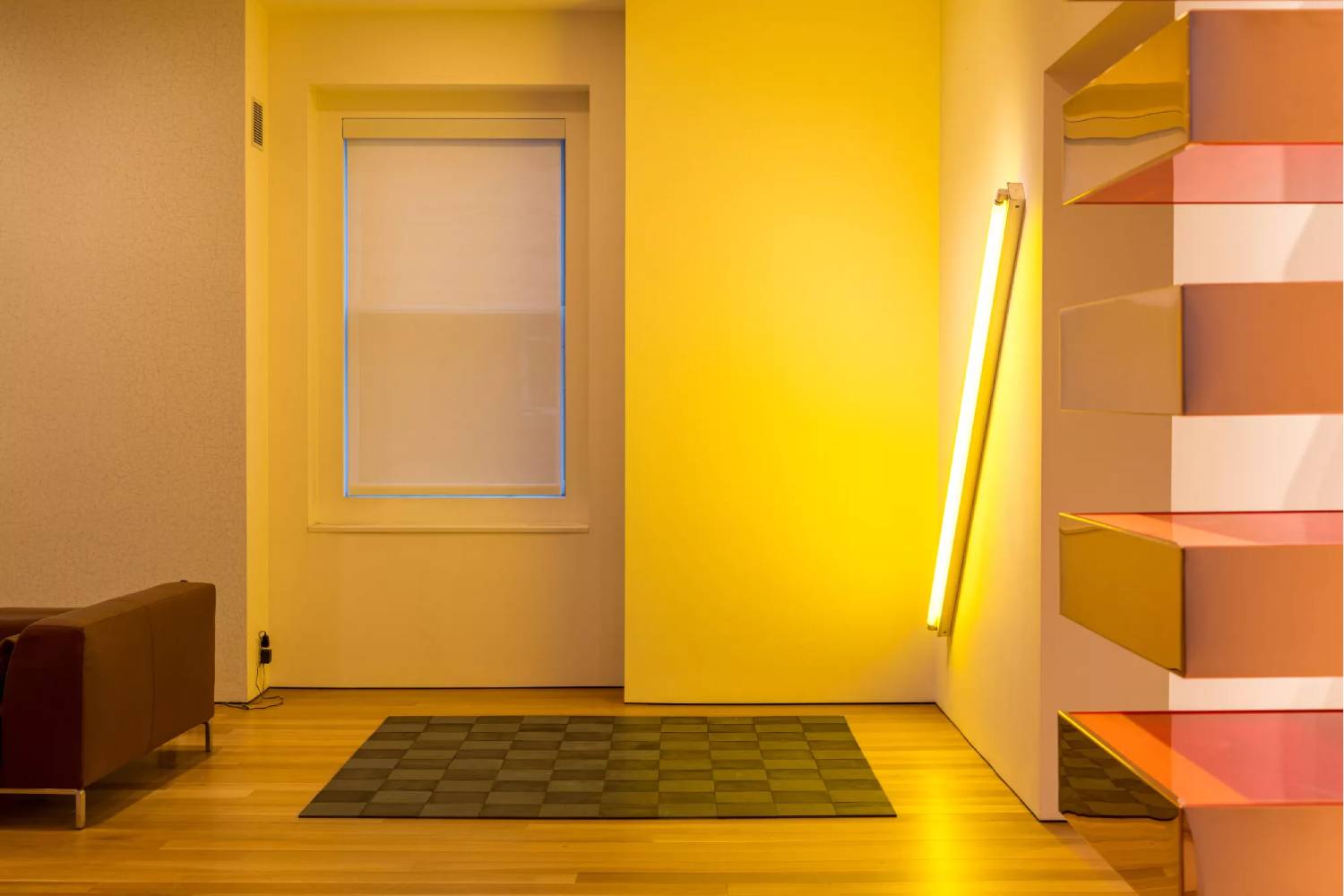
Robert Therrien Estate Leaves Gagosian After Nearly Three Decades and Joins David Zwirner

The Robert Therrien estate has left Gagosian after nearly three decades and joined David Zwirner, a rival mega-gallery. The move follows a major survey of the late sculptor's work at the Broad museum in Los Angeles, which featured 120 works and was the largest exhibition of his career. Therrien, who died in 2019, is best known for monumental sculptures of domestic objects, such as Under the Table (1994), and his towering plate columns held by institutions including the Tate and Glenstone.

Artist Foundations’ Net Worth Has Nearly Tripled to $9 B., Led by Cy Twombly Foundation’s $1.5 B. in Art and Assets

New research from the Aspen Institute’s Artist-Endowed Foundation Initiative (AEFI) reveals that artist-endowed foundations in the U.S. now control roughly $9 billion in assets, nearly triple the $3.5 billion reported in 2011 and up 17% from $7.7 billion in 2018. The Cy Twombly Foundation leads with $1.5 billion in art and assets, followed by foundations for Alexander Calder, Joan Mitchell, Helen Frankenthaler, and Robert Rauschenberg, each holding over $500 million. The data, drawn from public tax forms, shows that just five of roughly 500 foundations account for more than half the total, with most established by postwar American artists born before 1931.

Behind Christie’s $1 B. Blockbuster Result, the Market Still Looks Uneven

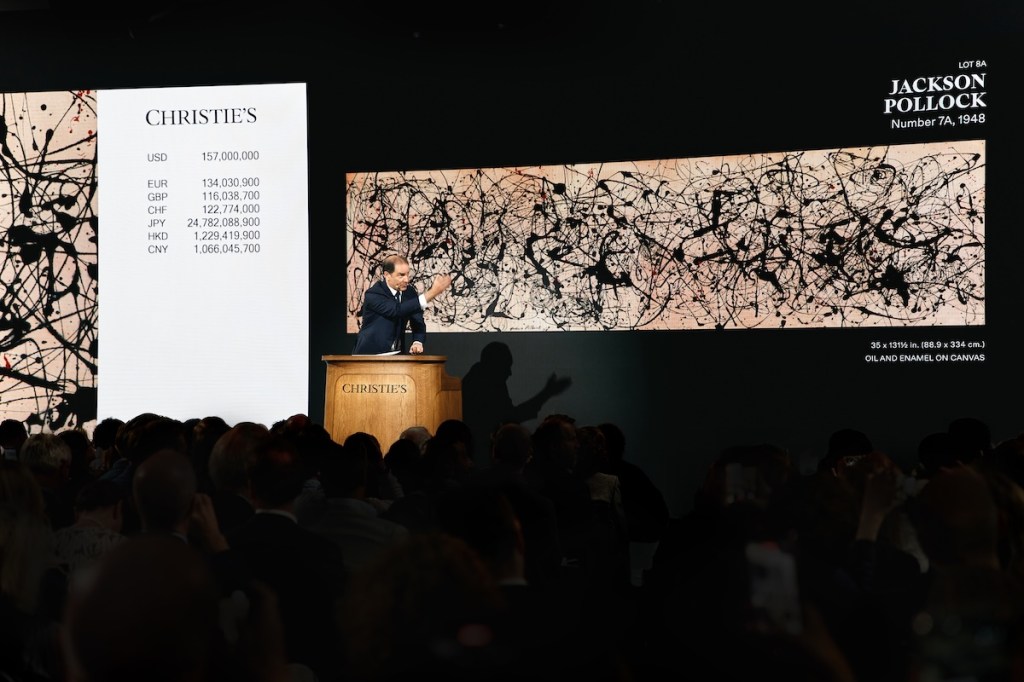
Christie’s New York achieved over $1 billion in sales during a two-part evening auction, led by Jackson Pollock’s *Number 7A, 1948* which sold for $181.2 million. The sale, the first billion-dollar night since the Paul G. Allen collection in 2022, also saw records for other works and active bidding from a small group of buyers, including dealer Jeffrey Deitch. However, the blockbuster results mask a more cautious middle market, where works priced between $100,000 and $1 million remain slow to sell.

How to Buy Minimalist Art

Artsy Editorial offers a guide on buying Minimalist art, explaining the movement's core principles of geometric shapes, limited color palettes, and material reduction. The article highlights key artists such as Carl Andre and Polly Apfelbaum, and emphasizes that Minimalism focuses on the idea behind the work rather than the artist's technical skill.

Cindy and Howard Rachofsky’s Dallas Home Could Be Yours at a Discount, for $17.5 M.

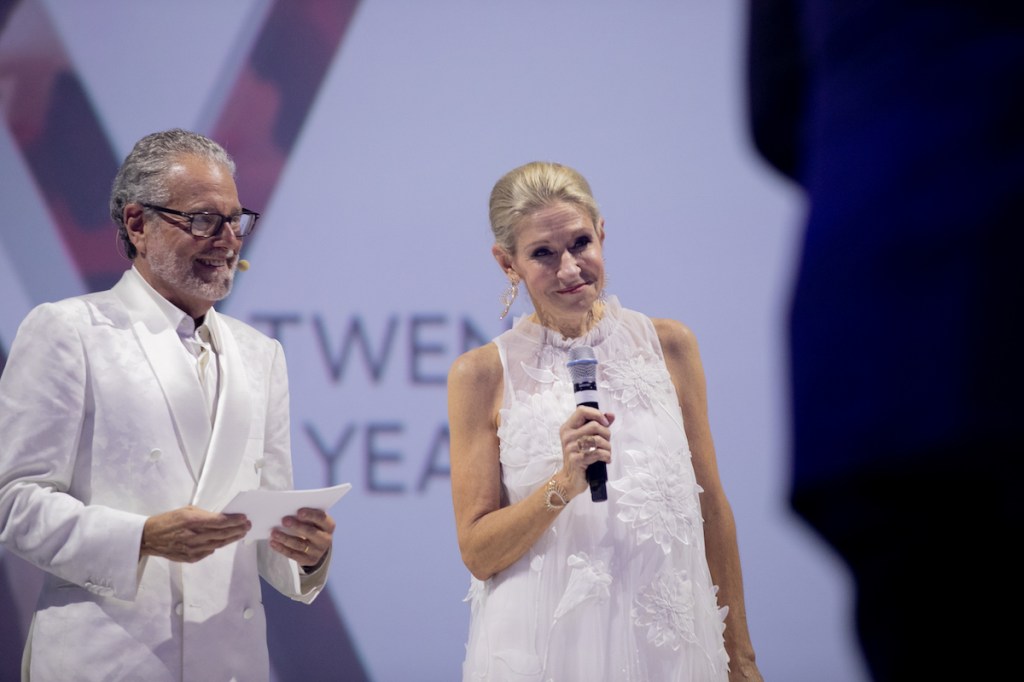
Cindy and Howard Rachofsky, prominent art collectors and mainstays on the ARTnews Top 200 Collectors list, have reduced the asking price of their Dallas home, the Richard Meier–designed Rachofsky House, from $23 million to $17.5 million. The property, completed in 1996 and located in the affluent Preston Hollow neighborhood, has been on the market since October 2024. The Rachofskys, whose collection includes over 800 works, previously hosted the Two x Two gala in support of AIDS- and art-focused initiatives in Dallas, but stopped hosting the event in 2024.

British billionaire's £200m art collection most expensive ever offered in UK

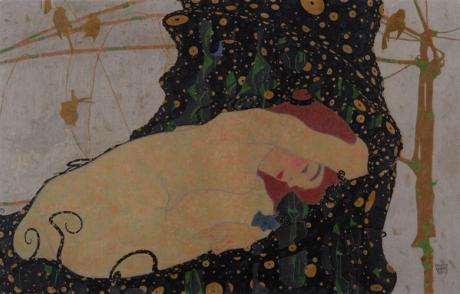
British billionaire Joe Lewis will sell a tranche of his art collection in a standalone sale at Sotheby’s in London this June, estimated at £150m–£200m. This makes it the most valuable single-owner collection ever offered in the UK, surpassing the Pauline Karpidas collection which totalled £101m. Highlights include Gustav Klimt’s *Bildnis Gertrud Loew* (est £20m–£30m), Amedeo Modigliani’s *Homme à la pipe* (est £12m–£18m), and Francis Bacon’s *Two Studies for Self-Portrait* (est £8m–£12m). The sale follows a smaller March auction of four works from the Lewis collection that focused on School of London artists.

Leading French Gallery Air de Paris Is Declaring Bankruptcy and Closing After 36 Years

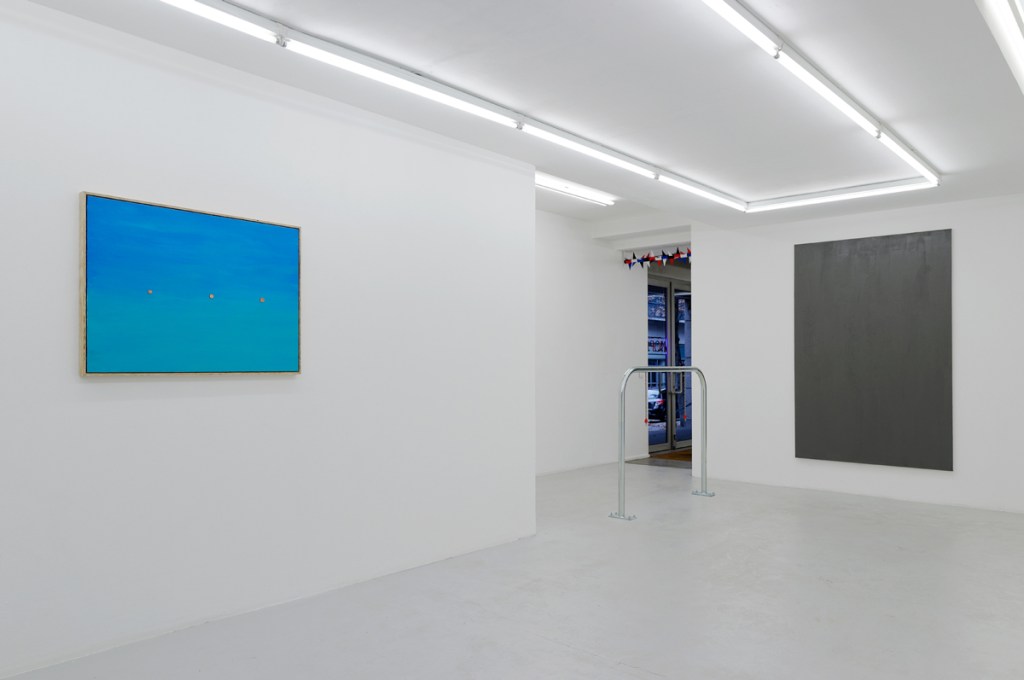
Air de Paris, a leading French gallery, is declaring bankruptcy and closing after 36 years, as announced by cofounders Florence Bonnefous and Edouard Merino to Cultured. The gallery owes money only to its landlord and bank, not to its artists. The closure is attributed to fragile finances and health issues, including Bonnefous's Chronic Obstructive Pulmonary Disease. The gallery's farewell exhibition, “Oh What a Time,” featured artists such as Trisha Donnelly, Joseph Grigely, Pati Hill, Pierre Joseph, Allen Ruppersberg, Lily van der Stokker, Mona Varichon, and Amy Vogel. Bonnefous will continue to manage the estates of Guy de Cointet, Pati Hill, Dorothy Iannone, Bruno Pelassy, and Sarah Pucci, and work as a curator.

Harper’s Bangkok Gallery Opens its Doors, Bringing Western Artists to Thailand

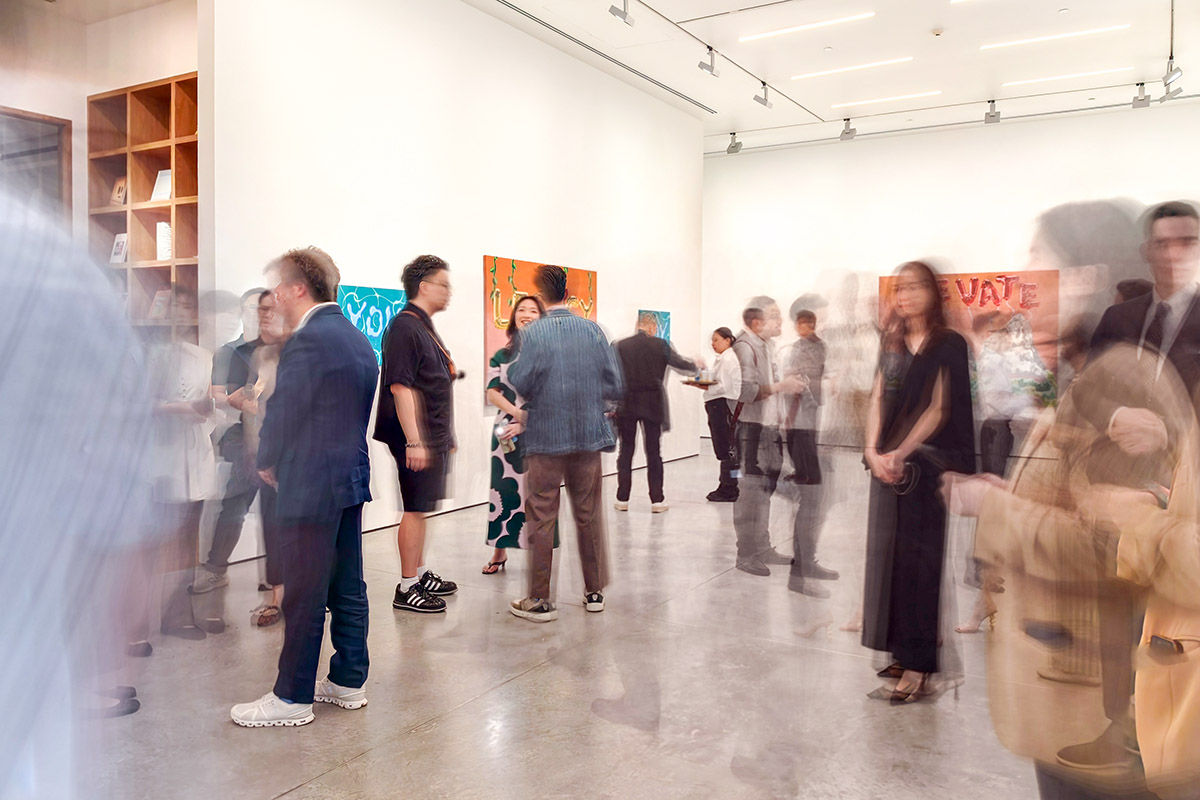
Harper's Bangkok, a new outpost of the New York-based gallery group founded by Harper Levine, opened in late March 2026 on the ground floor of the Siam Pathumwan House building. Its debut exhibition, 'Lost and Found', is a solo show by American artist Joel Mesler featuring 18 new vibrantly colored works, marking his first presentation in Southeast Asia. The gallery is the first major Western commercial gallery to establish a permanent space in Bangkok, joining a rapidly maturing local art ecosystem.

A Large Dalpayrat Jardinière Acquired by Orsay

Une grande jardinière de Dalpayrat acquise par Orsay

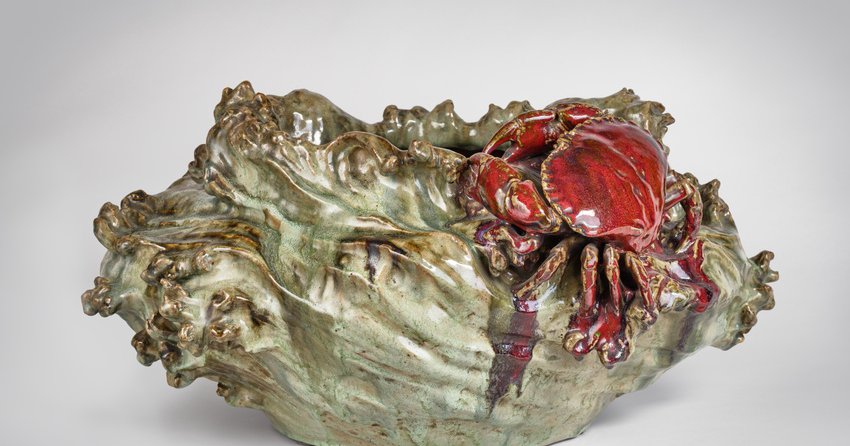
The Musée d'Orsay in Paris has acquired a large jardinière (planter) by French ceramicist Adrien Dalpayrat, along with a jewelry coffer by Henri-Auguste Fourdinois. The purchases were made from a sale at Hôtel Drouot by the Thierry de Maigret auction house, where the museum notably did not exercise preemption rights on other works by Jean-Marie Pointu, Eugène Lion, and Paul Jeanneney. The museum justified its inaction by citing the cost of these two acquisitions.

Dealers Face a Choice: Show Solo Artists? Or Groups?

Art dealers are weighing the strategic decision of whether to present solo artist booths or group shows at art fairs. Solo booths allow visitors to focus deeply on a single artist's work, avoiding the sensory overload of multiple artists, while group booths offer variety and broader market appeal. The choice often varies depending on the fair and the dealer's goals.