filter_list Showing 33 results for "collector behavior" close Clear
search
dashboard All 41 trending_up market 33museum exhibitions 4article culture 2article local 1article news 1
date_range Range Today This Week This Month All
Subscribe

2026 asian art market preview

Artnet Pro's 'The Asia Pivot' newsletter previews the 2026 Asian art market, highlighting a hopeful recovery after signs of improvement in late 2025. Key events include Art SG in Singapore (hosting S.E.A. Focus for the first time), the inaugural Art Basel Qatar in February, and Art Basel Hong Kong in March. Auction houses will align spring sales with these fairs. The article also notes regional shifts: South Korea's Art Asia partners with KINTEX for a new fair in India, Hong Kong's Kwai Fung Hin opens in Singapore, and Shanghai's Antenna Space expands to Hong Kong. Japan's Prime Minister Sanae Takaichi meets with artist Takashi Murakami to promote culture abroad, while geopolitical tensions with China threaten cultural exchanges.
one takeaway from art basel it remains a buyers market

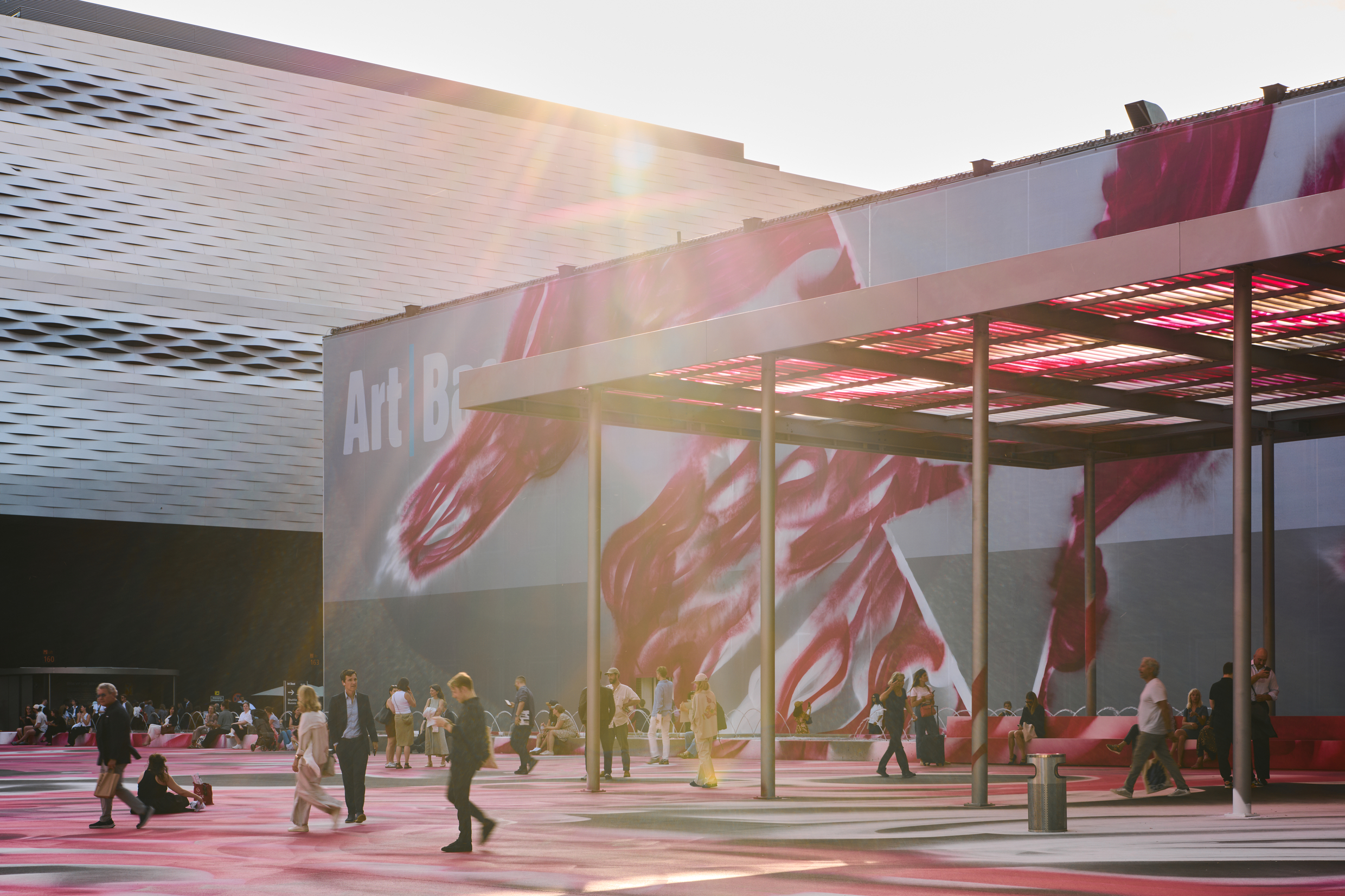
Art Basel 2025 saw cautious buying despite optimistic statements from major dealers like Pace's Marc Glimcher, who claimed sales velocity was as vigorous as any year. However, collector attendance was thin, with American attendance down for the second year running due to trade tensions and geopolitical concerns. Deals were closing at 20 to 30 percent below asking prices, confirming a buyer's market. Sales ranged from a $245 collectible Labubu figurine by Kasing Lung to works by Wei Libo, Joyce Joumaa, Lonnie Holley, Joan Jonas, Hao Ling, Sarah Lucas, and Rosemarie Trockel, with most activity under $1 million.

art basel 2025

Art Basel 2025 opened in Basel with VIP previews, featuring a mix of high-priced works like Félix González-Torres's $16 million performance piece and Yu Nishimura's fresh-to-market triptych at €375,000. The fair adapts to a shifting market with lower price points, faster decisions, and new sectors like Premiere for ultra-contemporary art, alongside global expansion including a new fair in Doha. Satellite events like Liste and the Basel Social Club offer alternative experiences, while curated booths, such as Gagosian's 30th-anniversary presentation, blend curatorial idealism with the fair format.

ifpda print fair expands drawings dealers 2026

The International Fine Print Dealers Association (IFPDA) is expanding its annual print fair to include drawings dealers, rebranding as the International Fine Prints & Drawings Association. The 2026 edition, running April 9–12 at New York's Park Avenue Armory, will feature 77 exhibitors, including new drawings-focused member Sigrid Freundorfer Fine Art and returning dealers like Crown Point Press and Hauser & Wirth. The change follows a membership vote and legal restructuring, driven by record attendance of over 21,000 visitors at the 2025 fair and a 57% jump in VIP registrations, fueled by Gen Z and millennial collectors.

tefaf new york 2025 sales report

TEFAF New York 2025 opened with 91 exhibitors, featuring a mix of blue-chip and emerging artists. Galleries reported sales including a €250,000 relief by Anne Imhof at Sprüth Magers, a $500,000 Sean Scully painting at Lisson Gallery, and multiple Ruth Asawa works at David Zwirner ranging from $50,000 to $2.8 million. Thaddaeus Ropac sold works by Daniel Richter for €840,000. The fair aims to attract younger buyers while maintaining its prestige, with fewer objects priced above $10 million than in previous years.

morgan stanley intelligence report triumph contemporary

Morgan Stanley and Artnet have released an Intelligence Report analyzing the explosive growth of the ultra-contemporary art market—defined as work by artists born after 1974. Auction sales in this category surged 305% from 2019 to 2021, reaching $742.2 million last year, driven by strong demand in the U.S. and China. The report breaks down sales by region, price band, and leading artists, highlighting how galleries, fairs, museums, and collectors are capitalizing on this trend.

shanghai art021 west bund art recap

Shanghai's West Bund Art & Design fair and Art021 opened last week with unexpectedly strong sales, despite economic headwinds and regional competition. Many galleries reported brisk first-day sales, with Thaddaeus Ropac placing five works including a Martha Jungwirth painting for €500,000, and Hauser & Worth selling two works for over $1 million. However, major blue-chip galleries like Gagosian and Pace opted out entirely, while others like Almine Rech, White Cube, and David Zwirner scaled back their participation. The fairs took place against a backdrop of China's ongoing property slump and the overlapping Art Collaboration Kyoto, which siphoned attention from international collectors.

art basel 2025 sales report

Art Basel 2025 in Switzerland, now in its 55th edition, opened with 289 exhibitors amid a soft and unpredictable art market. Major sales included a Ruth Asawa sculpture for $9.5 million at David Zwirner, a Gerhard Richter painting for $6.8 million, and a Keith Haring from 1983 for $3.5 million at Gladstone. The top reported sale was David Hockney's 'Mid November Tunnel' (2006) for $13-17 million at Annely Juda Fine Art. Hauser & Wirth headlined with a moody Mark Rothko from the early 1960s, while galleries adopted strategies of offering wide price ranges and diverse styles to hedge against market uncertainty.

Art Basel’s Soft Opening Belies Strong, Swift Sales Across Tiers

Art Basel's 2025 edition opened with a soft atmosphere that belied strong and swift sales across all price tiers. Major galleries reported significant transactions: David Zwirner sold 68 works including a $9.5 million Ruth Asawa sculpture and a $6.8 million Gerhard Richter painting; Gladstone placed a $3.5 million Keith Haring piece; and Thaddaeus Ropac sold a €1.8 million Georg Baselitz and a $1.8 million James Rosenquist painting to a European institution. White Cube, Hauser & Wirth, and Tina Kim Gallery also reported robust sales, with works by artists such as Dana Schutz, Marlene Dumas, Yayoi Kusama, and Ha Chong-Hyun moving quickly. However, mid-tier galleries like Marianne Boesky Gallery noted more cautious, eye-driven buying rather than the frenzied chasing of past years.

art basel miami beach dispatch 2025

The article recounts the author's experience at Art Basel Miami Beach 2025, beginning with a moment of reflection on the beach before the fair week's chaos. Three veteran attendees—an artist, an advisor, and a gallery owner—chose to skip the event this year, citing lackluster parties, declining collector interest in Miami compared to Paris, and poor sales attrition. Despite these doubts, the fair saw strong sales, with Hauser & Wirth reporting a 40% increase in the first three hours, and a new digital art sector boosting optimism. Pop-up exhibitions, like "The Body is The Body" at the Rice Hotel, were highlights, while Vanity Fair's party remained the most coveted invite.

‘To this day, I can’t get it out of my mind’: Tobias van Gils on missing out on Maurizio Cattelan's orchid

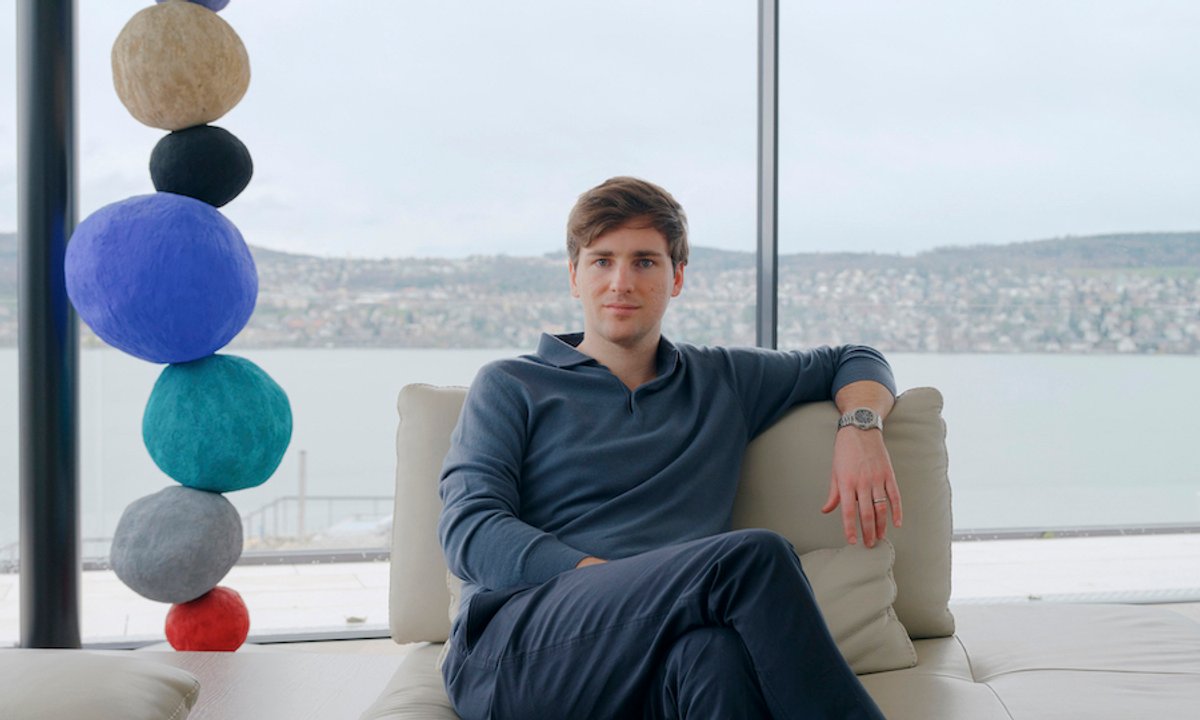
Tobias van Gils, founder of the Zurich-based investment firm MLT Capital, discusses his art collection in an interview with The Art Newspaper. He shares his early collecting journey, recent acquisitions like a large mountainscape by Harold Ancart, and his regret over missing out on Maurizio Cattelan's blue orchid work "Meat" (2024). Van Gils also mentions launching the MLT Art Foundation with his wife to house their collection and support art programming focused on children. He offers personal insights on his decision-making process, favorite artworks, and tips for navigating Art Basel.

What New York’s $2.1B Auction Week Means for the Market

New York’s spring auction week generated $2.1 billion in sales, with major auction houses posting dramatic gains over the previous spring. The results were driven by trophy artworks, high-profile collections, and a renewed willingness among top collectors to spend at the highest level, signaling a robust rebound in the art market.

The Art Market’s Uneven Recovery, Explained

Global auction sales saw a 13 percent increase in 2025, signaling the first market recovery in several years. However, this growth was largely concentrated in New York through the sale of high-value masterpieces, while other regions like China continued to experience a decline in activity.

strategic pause trend

A growing number of art fairs and galleries are publicly announcing a 'strategic pause'—a hiatus from their regular exhibition schedules to reassess their models. This week, Vienna's Spark Art Fair invoked the phrase to take a year off, following Berlin dealer Mehdi Chouakri's decision to suspend his gallery's exhibition program after 30 years. Last July, ADAA's Art Show coined the term when it announced a year-long break to reimagine the New York fair, and Taipei Dangdai in Taiwan followed suit days later. In December, an unprecedented number of galleries skipped Art Basel Miami Beach. The trend reflects a broader shift in the art world's willingness to openly acknowledge the need for rest and reinvention.

the view from paula tsai

Paula Tsai, a key figure in Asia's art market, discusses the evolving landscape of collecting in the region, focusing on mainland China and Korea. She notes a surge of new buyers from China, many of whom are young entrepreneurs, while the Korean market remains more mature and stable. Tsai addresses the impact of tariffs on importing art, particularly for Chinese collectors, but asserts that passionate collectors will continue to buy, adjusting timing rather than abandoning purchases. She also highlights the growing Thai market and the complexity of the Chinese market, where established collectors are cautious but new entrants keep activity high.

Record Prices, New Buyers and Global Reach: Design’s Moment Has Arrived

Global auction sales for design, decorative arts, and furniture surged 20.4 percent to $172 million in the first half of 2025, according to ArtTactic, while other art market segments declined. Sotheby’s design sales in New York and Paris reached $75 million combined, among the highest totals ever for the category, with Christie’s and Phillips also posting strong results. Record prices were set for works by Tiffany Studios, including the Danner Memorial Window ($12.4 million) and a Frank Lloyd Wright lamp ($7.5 million), fueled by new and younger buyers and institutional acquisitions.

End of investment art? Why the bottom of the market is flourishing

The art market in 2024 saw an aggregate 12% decline in sales to an estimated $57.5bn, driven by a slowdown at the ultra-premium end, according to the Art Basel and UBS Art Market Report and Artprice. However, the lower end of the market is flourishing: auction sales of works under $5,000 grew 7%, dealers with turnover under $250,000 reported a 17% increase, and sales of works under $20,000 reached record levels. Online platforms like Avant Arte, which sold $23m in print and sculpture editions (up 53% year-on-year), are key drivers, attracting younger and first-time collectors with affordable, editioned works.

Show me the money: UK gallery and auction house accounts reveal reality of a tough market

Recent financial filings from UK-based art businesses reveal a stark downturn in the art market, highlighted by the sudden liquidation of Stephen Friedman Gallery. The gallery's collapse followed expensive expansion projects in London and New York, compounded by a £1.7m loss in 2023 and a significant debt of £11.4m to creditors. Other major players, including Thaddaeus Ropac, reported substantial revenue drops, with Ropac’s turnover falling from £49.6m to £36.4m as the industry grapples with rising overheads and economic volatility.

Auction record

A new auction record has been set, with a significant artwork selling for a high price at a major auction house. The sale took place recently, drawing attention from collectors and the art market.

taipei dangdai cancels 2026 edition art assembly

Taipei Dangdai, the art fair in Taiwan, has canceled its 2026 edition as organizers undertake a "strategic re-evaluation" of the fair's model, timing, scale, and format. The fair, which held its sixth edition in May 2025, is part of The Art Assembly, a conglomerate overseeing three regional Asian fairs including Art SG and Tokyo Gendai. The number of participating galleries dropped from over 90 in its 2019 inaugural edition to 54 in 2025, with no mega-galleries participating this year. The announcement follows a similar "strategic pause" by the Art Dealers Association of America (ADAA) for its flagship fair, The Art Show, and comes amid broader challenges for the fair's organizer, Angus Montgomery Arts, which also canceled recent editions of Photofairs in Hong Kong and New York.

The Art Market Enters 2026 With Renewed Confidence and a Sharper K-Shape Divide

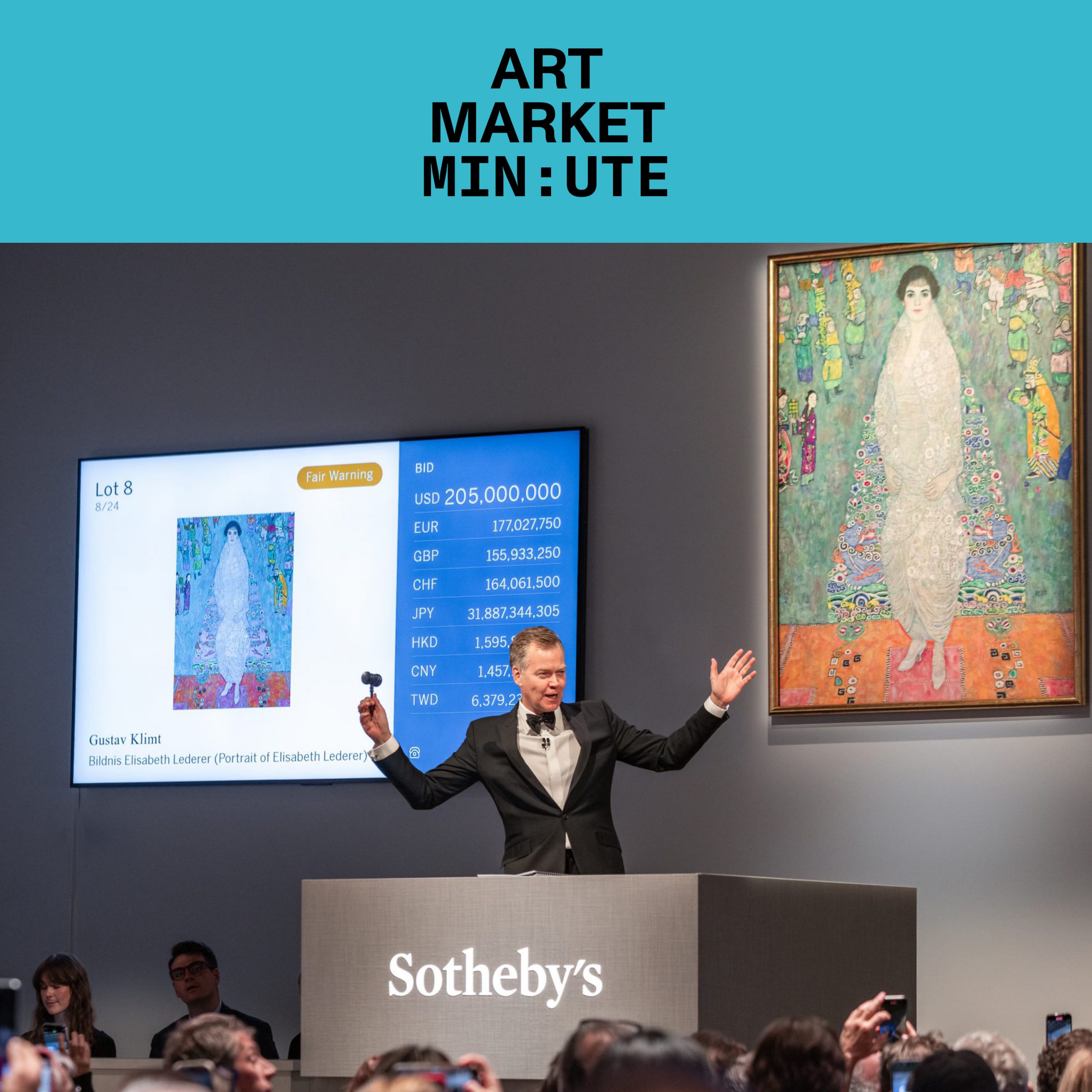
ArtTactic's Global Art Market Outlook 2026 report reveals renewed confidence in the art market, with 51% of participants expecting growth and 42% anticipating stability. Strong sales in London, Paris, and Miami Beach, along with multi-billion-dollar November auction results, have buoyed sentiment. The recovery is uneven but meaningful, driven by selective demand for established names: Impressionist art rose 80.4%, Modern art 19.4%, and Old Masters 68.7%. The K-shaped divide is sharpening, with robust performance at the top end (above $1 million) and accessible tiers (below $50,000), while the middle market remains sluggish. Top performers include Klimt, Picasso, Rothko, and Calder, while ultracontemporary artists like Nicolas Party and Matthew Wong have seen significant declines.

The Price Points Powering the Art Market

The article, part of the Artnet Intelligence Report: Year Ahead 2026, analyzes art market performance by price bracket in 2025. The $1 million-to-$10 million range was the strongest segment, with sales totaling $3.5 billion—a 20.8% increase from 2024. Sales above $10 million rose 36.1% to $2.3 billion, boosted by high-priced masterpieces at New York's November auctions. The $100,000-to-$1 million bracket saw $3.2 billion in sales, up 6%. Meanwhile, works under $10,000 and in the $10,000-to-$100,000 range grew less than 1%, indicating cautious buyer behavior.

Gagosian Plays the Hits: Picasso and de Kooning

The article titled "Gagosian Plays the Hits: Picasso and de Kooning" appears to be a news piece from Puck.news about Gagosian Gallery's exhibition or sales strategy focusing on blue-chip artists Pablo Picasso and Willem de Kooning. However, the actual article content is blocked by a security verification page, so the specific details of what happened cannot be extracted.

The Slow Death of the Contemporary Art Gallery

The article reports on the decline of the traditional contemporary art gallery model, driven by rising rents, changing collector behavior, and the rise of new artist categories. Tim Blum closed his Blum & Poe galleries in Los Angeles and Tokyo, citing systemic issues rather than market conditions. Art Basel and UBS data show the art market shrank overall but the number of sales increased, indicating a shift toward mid-priced works. Collectors are moving away from "blue-chip" artists toward "red-chip" artists who gain value through viral hype and cultural relevance, exemplified by Olaolu Slawn's accessible solo show at Saatchi Yates. Celebrities like actor Adrien Brody are also entering the market, though his work has been criticized as derivative. Meanwhile, smaller galleries like Tiwa Gallery, Landdd, and Marta are thriving by focusing on genuine connection, and retail spaces like Gentle Monster and Dover Street Market are blending art with commerce.

asian art market

The Chinese art market experienced a 31% year-on-year decline in sales to $8.4 billion in 2024, its lowest level since 2009, according to the latest Art Basel and UBS Art Market Report. The downturn is attributed to slower economic growth, a property market slump, and broader economic uncertainties. However, other Asia Pacific markets showed resilience: Japan saw a 2% increase in sales, Australia's dealer market grew 11%, and China remains the second-largest auction market for postwar and contemporary art. Dealer sentiment is improving, with half expecting stronger sales in 2025.

Last Year’s Art Market: Only Works by Proven Artists Survived

The Korea Art Authentication and Appraisal Institute (KAAAI) released its "2025 Art Market Analysis Report" on January 21, 2026, revealing that the Korean art market grew 5.16% in total auction sales to 142.7 billion won, despite a decline in the number of lots offered. The global market saw a similar trend: combined sales at Christie's, Sotheby's, and Phillips rose 11.1% to $4.56 billion, but the number of works sold fell by 33.3%. Demand concentrated on high-priced blue-chip works by artists like Gustav Klimt, Claude Monet, Mark Rothko, René Magritte, and Jean-Michel Basquiat, while ultra-contemporary art sales plunged 39.1%.

Art auctions see millennials, Gen-Z, snap up Asian art, blue-chip artists

A 2024 report by Artprice shows global art auction sales fell by a third to US$9.9 billion, the lowest since 2009, reflecting cautious collector behavior amid economic uncertainty. Despite the downturn, major auction houses—Sotheby’s, Christie’s, Phillips, and Bonhams—have opened new flagship showrooms in Hong Kong, signaling confidence in recovery. Phillips, Christie’s, Sotheby’s, and Bonhams all unveiled spaces in the West Kowloon Cultural District, The Henderson, Landmark Chater, and Six Pacific Place respectively. Online auctions and private sales are growing, with digital innovation helping engage younger buyers.

art ralph deluca art market downturn recession

Art advisor Ralph DeLuca, in his 'Street Smarts' column for Cultured, observes that amid political turmoil, tariffs, and art market jitters, wealthy collectors are shifting away from blue-chip contemporary art. Instead, they are investing in pop culture icons, historic artifacts, and natural history items like fossils, viewing them as safer bets. DeLuca notes that the May auction season saw high pass rates, failed guarantees, and lower prices, while galleries continue to close this summer.

Amid uncertainty over Trump’s tariffs, many collectors pause purchases while others ‘hold their noses and pay’

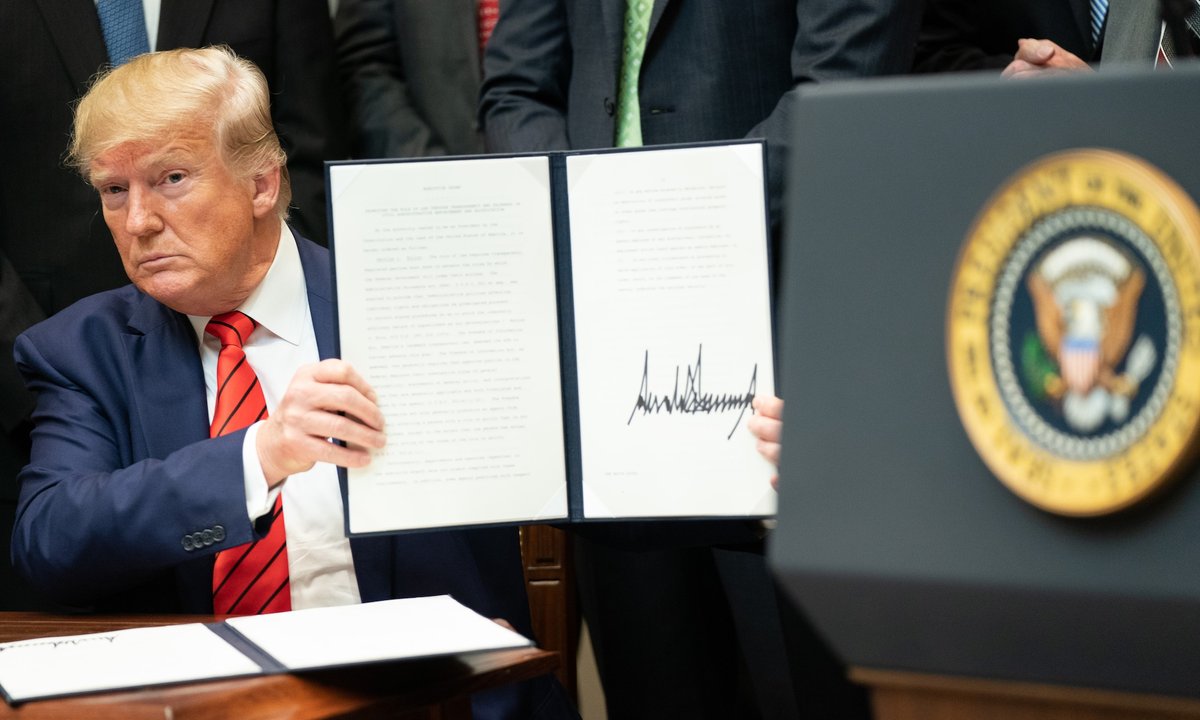
US President Donald Trump's proposed tariff regime for around 60 countries has created uncertainty in the art and antiques markets. Dealers and collectors are grappling with questions about whether art, antiques, and decorative objects are exempt, and how import duties might affect pricing and attendance at US art fairs. Margo Thoma of Tai Modern in Santa Fe reports that a 24% tariff on Japanese goods would likely have prevented two out of four recent sales. Steven J. Chait of Ralph M. Chait Galleries notes that while top-tier collectors may accept higher prices for extraordinary objects, the middle market may balk. Art adviser Todd Levin warns that newer, younger collectors could be most affected, and dealer Eric Zetterquist has canceled his spring buying trip to Asia due to economic uncertainty.

Anxious collectors are increasingly turning to freeport havens, experts say

Rising tariffs, geopolitical instability, and extreme weather events are driving art collectors to move valuable items into secure, tax-friendly freeports, particularly in Switzerland. Experts Alexandre Ducamp of Natural le Coultre and Fritz Dietl of Delaware Freeport report a significant increase in clients over the past three years, citing the war in Ukraine, multiple ongoing conflicts, and President Trump's April 2025 'Liberation Day' tariffs as key factors. Collectors are using freeports in Geneva, Zurich, Basel, and Chiasso, as well as foreign trade zones in Delaware, to delay or avoid import duties on items like design furniture, antiques, and Chinese-origin artworks, with some purchases being cancelled due to new tariffs.