
filter_list Showing 3 results for "Chet" close Clear
search
dashboard All 30 museum exhibitions 15article culture 4trending_up market 4article local 3article news 3rate_review review 1
date_range Range Today This Week This Month All
Subscribe

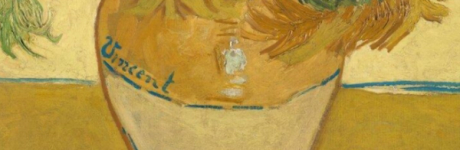
Why did Van Gogh sign his paintings as ‘Vincent’?

Art historian Julia Engelmayer has published a study titled 'Simply ‘Vincent’: An Overview of Van Gogh’s Signed Paintings' on the Van Gogh Museum's website, analyzing why and how Vincent van Gogh signed his works. The research reveals that only 133 of his 840 surviving paintings bear a signature (16%), an unusually low proportion for a 19th-century artist. Van Gogh signed with only his first name due to strained family relations and the difficulty non-Dutch speakers had pronouncing his surname. The study also highlights his predominant use of red signatures (on 75 works), angled signatures on over half of his signed pieces, and a distinctive horseshoe-shaped 'V' used during his Arles period.
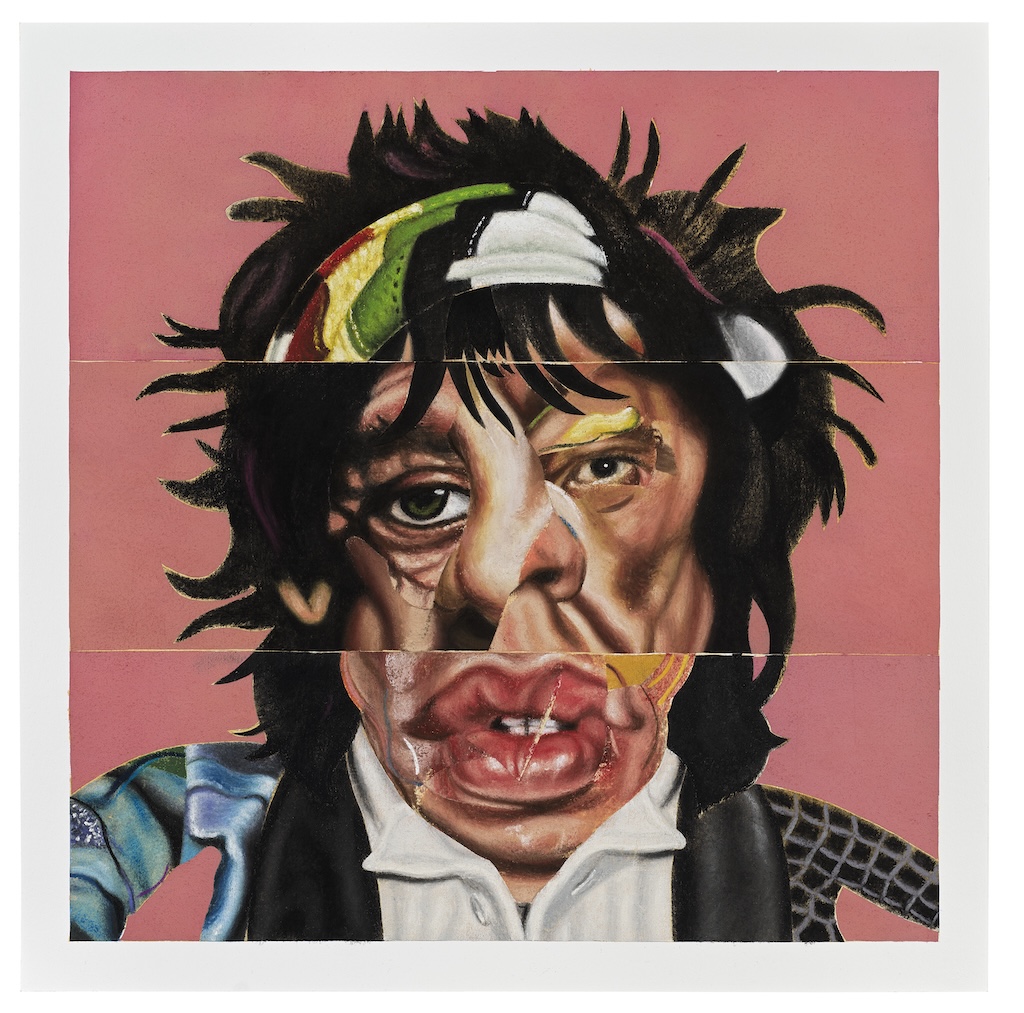
The Wild Nine-Month Journey that Led to Nathaniel Mary Quinn Designing the Rolling Stones’ New Album Cover

Nathaniel Mary Quinn was commissioned to create the cover art for the Rolling Stones' new album *Foreign Tongues*, due July 10, after a three-way call with Mick Jagger and producer Andrew Watt. Over nine months, Quinn developed a composite portrait merging the faces of Jagger, Keith Richards, and Ronnie Wood, and also redesigned the band's iconic tongue-and-lips logo. The process involved regular conversations with Jagger and Richards, a private rehearsal session, and a lunch at the Baccarat Hotel, culminating in the band choosing Quinn's original composite over a second option featuring a vintage sports car.

Cannes 2026 Dispatch, Part 1: Breaking False Unities

On May 8, during the pre-opening of the Venice Biennale, the independent collective ANGA (Art Not Genocide Alliance) organized a strike protesting genocide and precarity in the art world. Pro-Palestinian activists entered the Arsenale, where part of the exhibition "In Minor Keys" curated by the late Koyo Kouoh was installed, and hung posters on artworks calling for the liberation of Palestine and denouncing what they described as the Biennale's "art-washing" of Israel's reputation. The disruption blurred the line between activist intervention and the exhibition itself, as many works already addressed Palestine directly, including a poem by Refaat Alareer placed at the entrance.