Expansion plans for Rome's Galleria Borghese draw fierce response
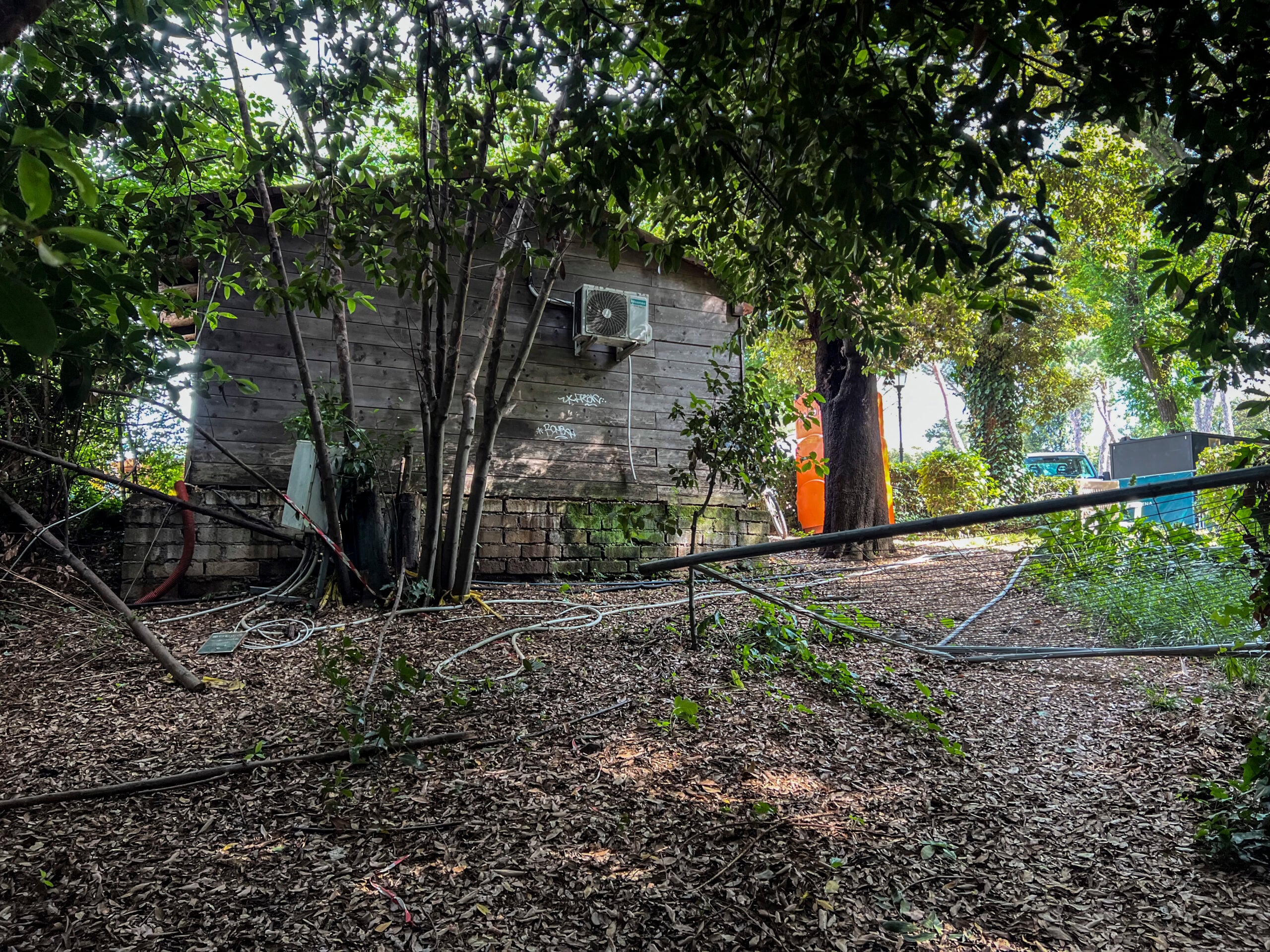
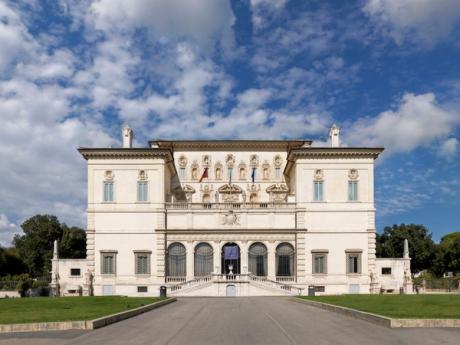
Rome's Galleria Borghese, a 17th-century villa museum housing masterpieces by Caravaggio, Bernini, and Canova, is facing controversy over a privately funded feasibility study for a potential expansion. Sponsored by Italian engineering firm Proger, the €900,000 initiative would fund an international architecture competition to explore adding exhibition and visitor space to the Villa Borghese Pinciana grounds. Museum officials cite operational constraints: the historic interiors limit access to 360 visitors per two-hour slot (about 4,000 daily), reservations require weeks of waiting, many works remain in storage, and accessibility is poor. Visitor numbers hit a record 630,760 in 2025, up from 506,000 a decade earlier. Preservation groups including Italia Nostra Roma and Amici di Villa Borghese have objected to any new construction in the sensitive historic landscape. Director Francesca Cappelletti emphasized at a May 18 press conference that no project exists yet and the museum is only beginning a study process, with a winner possible by year's end.