
filter_list Showing 3 results for "Insects" close Clear
search
dashboard All 29 museum exhibitions 16article local 4trending_up market 3article news 3rate_review review 2article culture 1
date_range Range Today This Week This Month All
Subscribe

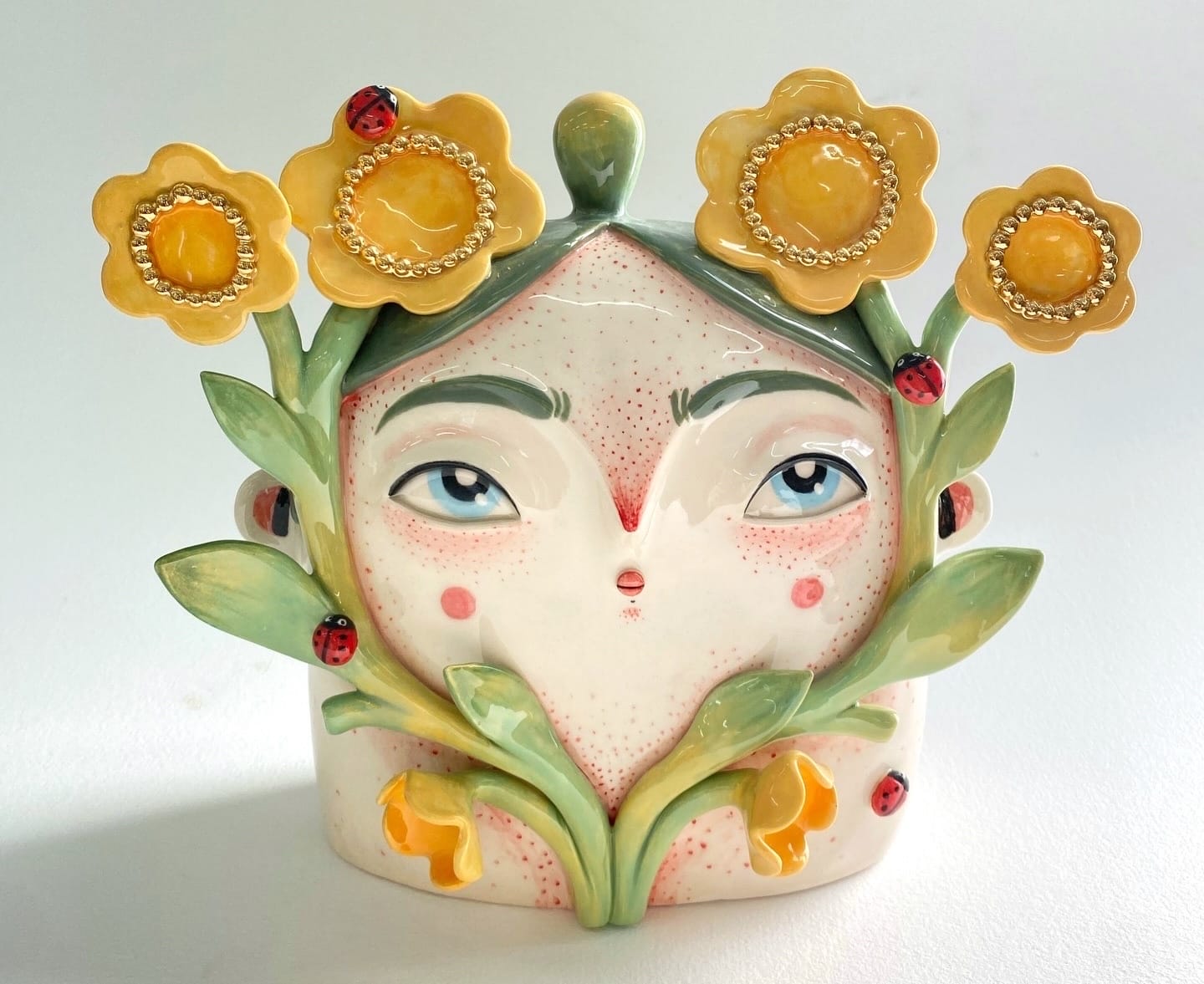
Abi Castillo’s Ceramic Beings Contrast Delicacy With the Natural World

Galician artist Abi Castillo has unveiled a new series of ceramic self-portraits that explore the intersection of femininity, mysticism, and the natural world. Her latest sculptures feature signature wide-eyed figures adorned with organic elements like coral, insects, and flora, which act as a form of delicate armor for the emotive personas. This new body of work was produced in Castillo’s recently acquired larger studio space, which has allowed for expanded creative freedom and scale.
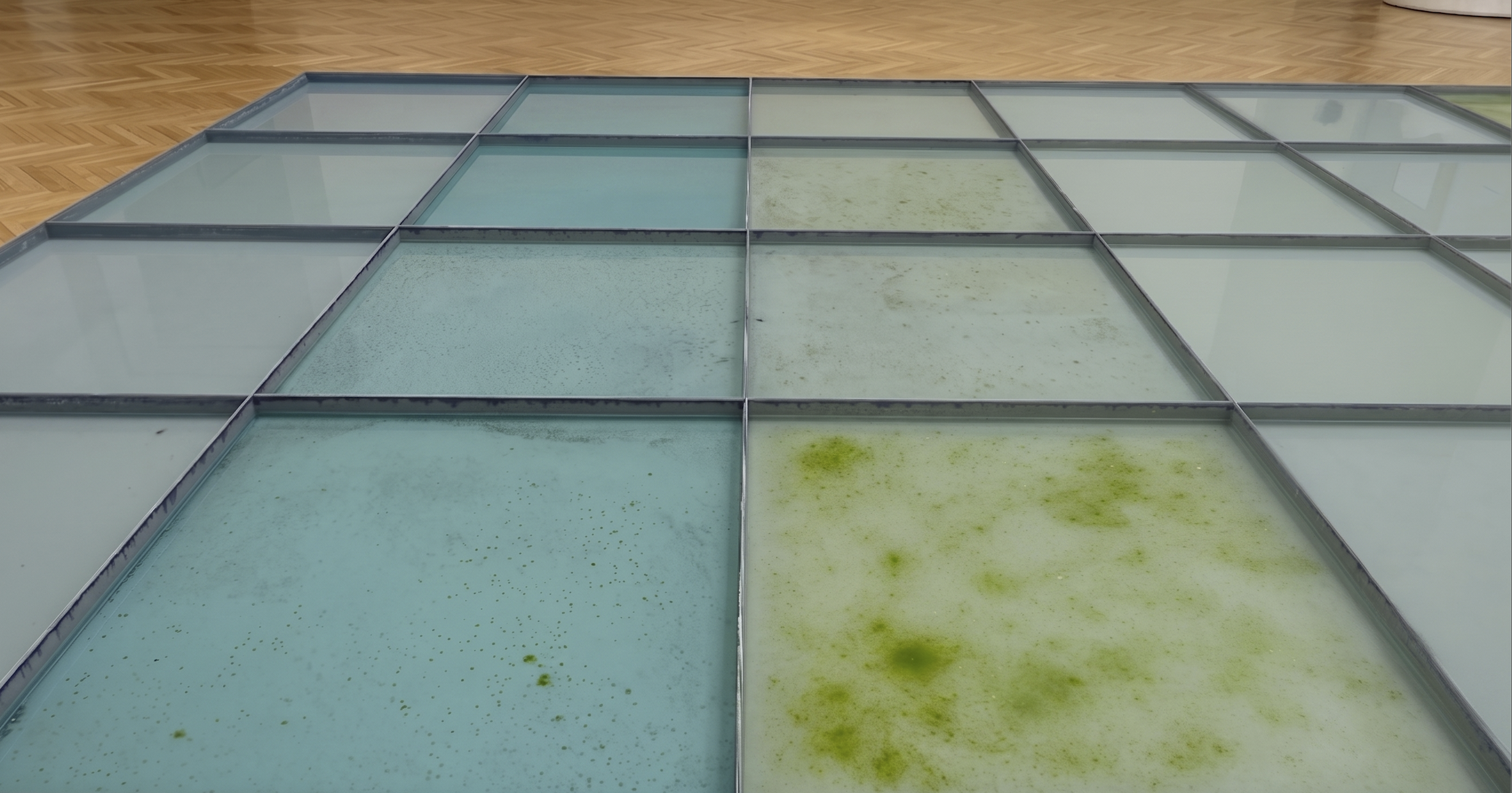
Una delle opere più importante esposte alla Galleria Nazionale di Roma sta ammuffendo

An article by Laura Carlotta Cortoni on Artribune reports that Pino Pascali's iconic 1967 work "32 mq di mare circa" ("32 square meters of sea approximately"), on display at the Galleria Nazionale d'Arte Moderna e Contemporanea (GNAMC) in Rome, is covered in mold, dust, and insects due to a total lack of maintenance. The author describes the installation as resembling a neglected warehouse and notes that visitors unfamiliar with the piece mistake the decay for an intentional environmental statement, creating a critical paradox given Pascali's own series of works titled "Muffe" (Molds).

Insects, Dresses, and Rebellion: Why 'The Law of Lidia Poët' is Different from All Other Costume Dramas

Insetti, abiti e ribellione: perché “La legge di Lidia Poët” è diversa da tutte le altre serie in costume

The third and final season of the Netflix series "The Law of Lidia Poët" concludes the story of Italy's first female lawyer in 1880s Turin. While the narrative follows her legal battles and social defiance, the production distinguishes itself through a rigorous and symbolic approach to costume design led by Stefano Ciammitti. Rather than modernizing the past, the series uses historical aesthetics—specifically gothic literature and naturalistic obsessions—to construct a visual language of rebellion.