filter_list Showing 61 results for "Monopol" close Clear
search
dashboard All 319 museum exhibitions 128article news 61article culture 40article policy 25trending_up market 17candle obituary 16person people 12gavel restitution 10rate_review review 7article local 3
date_range Range Today This Week This Month All
Subscribe

art industry news january 23 2020

A high-profile fundraising campaign led by the Art Fund is underway to save Prospect Cottage, the former home of artist and filmmaker Derek Jarman. Supported by figures like Tilda Swinton and Jeremy Deller, the initiative seeks to raise £3.5 million to preserve the site and its archive for public tours and artist residencies. Meanwhile, the Philadelphia Museum of Art's CEO, Timothy Rub, has issued an apology regarding the institution's handling of sexual harassment allegations against former manager Joshua Helmer.


A Launchpad for the Future

"Eine Startrampe für die Zukunft"

The article is a media roundup covering several stories from the art world. It includes an interview with Jeff Koons discussing his artistic process and philosophy, a portrait of artist Jorinde Voigt, a report on the robust Art Düsseldorf fair, a news piece about two valuable Gerhard Richter paintings on loan to a museum, and a review of the new LACMA building's non-linear curatorial approach.

An Era Ends When the Illusions Underlying It Are Exhausted

"Eine Ära endet, wenn die ihr zugrunde liegenden Illusionen erschöpft sind"

A media roundup covers several art world stories. The Art Newspaper reports that the ongoing Middle East conflict is unsettling the Gulf art market, causing fair postponements and shaking Dubai's image as a stable luxury hub, though galleries emphasize they continue to work. Meanwhile, the search for a new director for Germany's Kulturstiftung Dessau-Wörlitz continues after a protracted legal battle, with applications open until May 31. The New Yorker presents a reading of Johannes Vermeer's quiet scenes as fragile refuges from a violent historical context, while the Berliner Zeitung critiques the global commercialization of Frida Kahlo into a licensed brand.

Berlin Modern Museum Delayed Again as Moisture Damage Pushes Opening to 2030

Berlin's long-awaited Berlin Modern museum has been delayed again, with its opening now pushed to 2030 due to moisture damage in the building's shell and microbial contamination in other parts of the structure. The Prussian Cultural Heritage Foundation announced the delay after the Berlin-Brandenburg Broadcasting Corporation broke the story. The Herzog & de Meuron-designed building, originally scheduled to open this year as the Museum of the 20th Century, has faced multiple setbacks since groundbreaking in December 2019, with completion dates slipping from 2026 to 2028, then 2029, and now 2030. The project's cost has ballooned from €200 million to €507 million.

There Has Never Been an Apolitical Venice Biennale

"Es hat niemals eine unpolitische Venedig-Biennale gegeben"

The Venice Biennale is embroiled in political controversy, with the US Pavilion's selection process criticized for bypassing traditional curatorial expertise in favor of a politically connected outsider. Simultaneously, a collective of artists and academics is protesting Russia's return to the Biennale, arguing it uses art as a political instrument to normalize its actions amid the war in Ukraine. An analysis in ArtReview contends the Biennale has never been apolitical, serving as a stage for geopolitical power plays since its inception.

Italy’s Uffizi Hit by Cyberattack, Says Security Wasn’t Compromised

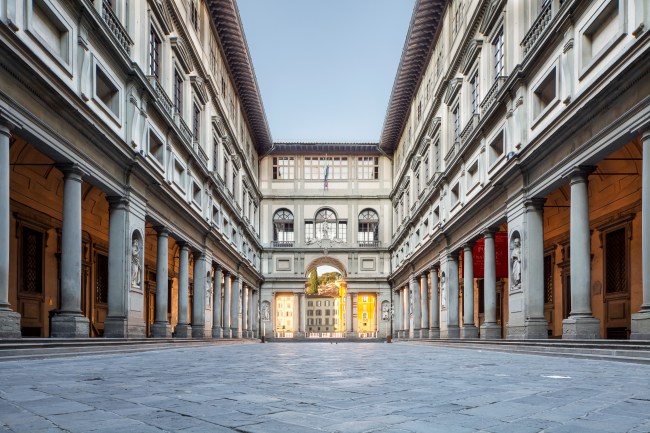
The Uffizi Galleries in Florence suffered a significant cyberattack in February, with hackers reportedly stealing access codes, internal maps, CCTV camera information, and the institution's entire photographic archive. The attackers issued a ransom demand to director Simone Verde. In response, the museum moved valuable jewels to the Bank of Italy, sealed emergency exits at the Palazzo Pitti with bricks, and closed a section of the palace, though it attributes some actions to planned renovations and fire-safety compliance.

cyberattack dresden state art collections

A cyberattack targeted the Dresden State Art Collections (SKD), a network of 15 museums in eastern Germany, on Wednesday. The attack disrupted large parts of the digital infrastructure, including the online shop and visitor services, but the museums remain open and physical security is intact. IT specialists and forensic experts are working to clean up and rebuild systems, with no timeline yet for full restoration. The SKD is cooperating with the Dresden Police and State Criminal Police Office, as confirmed by the Saxon State Minister for Culture and Tourism.

Shared Crafting, Touching, and Lying Down

"Gemeinsames Basteln, Anfassen und Hinlegen"

Christie's in New York achieved record auction results, with Jackson Pollock's "Number 7A, 1948" selling for $181.2 million and Constantin Brâncuși's bronze sculpture "Danaïde" reaching $107.6 million, both from the S. I. Newhouse collection. Meanwhile, critic Gesine Borcherdt published a scathing review of the Marina Abramović exhibition "Balkan Erotic Epic" at Gropius Bau Berlin, arguing that museums increasingly demand audience participation—crafting, touching, lying down—under the guise of democracy, which she likens to group therapy and warns carries authoritarian tendencies. In London, makeup artist and designer Isamaya Ffrench opened a hybrid gallery and concept store called Studio Iron, featuring works by Abramović, Paul McCarthy, Kelly Wearstler, and Anne Imhof, aiming to blur boundaries between art, design, and function.

Metropolitan Museum und Neue Galerie in New York fusionieren

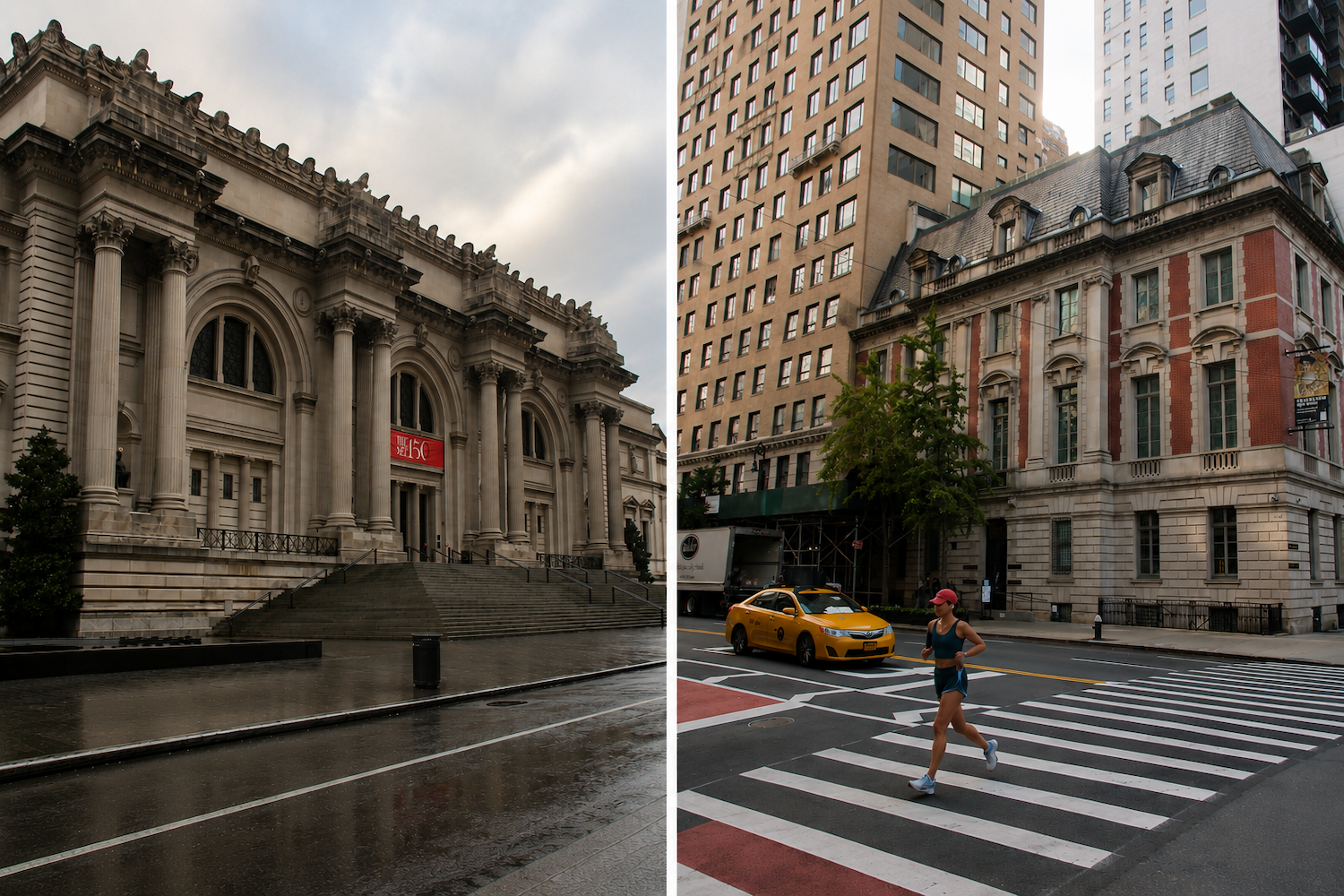
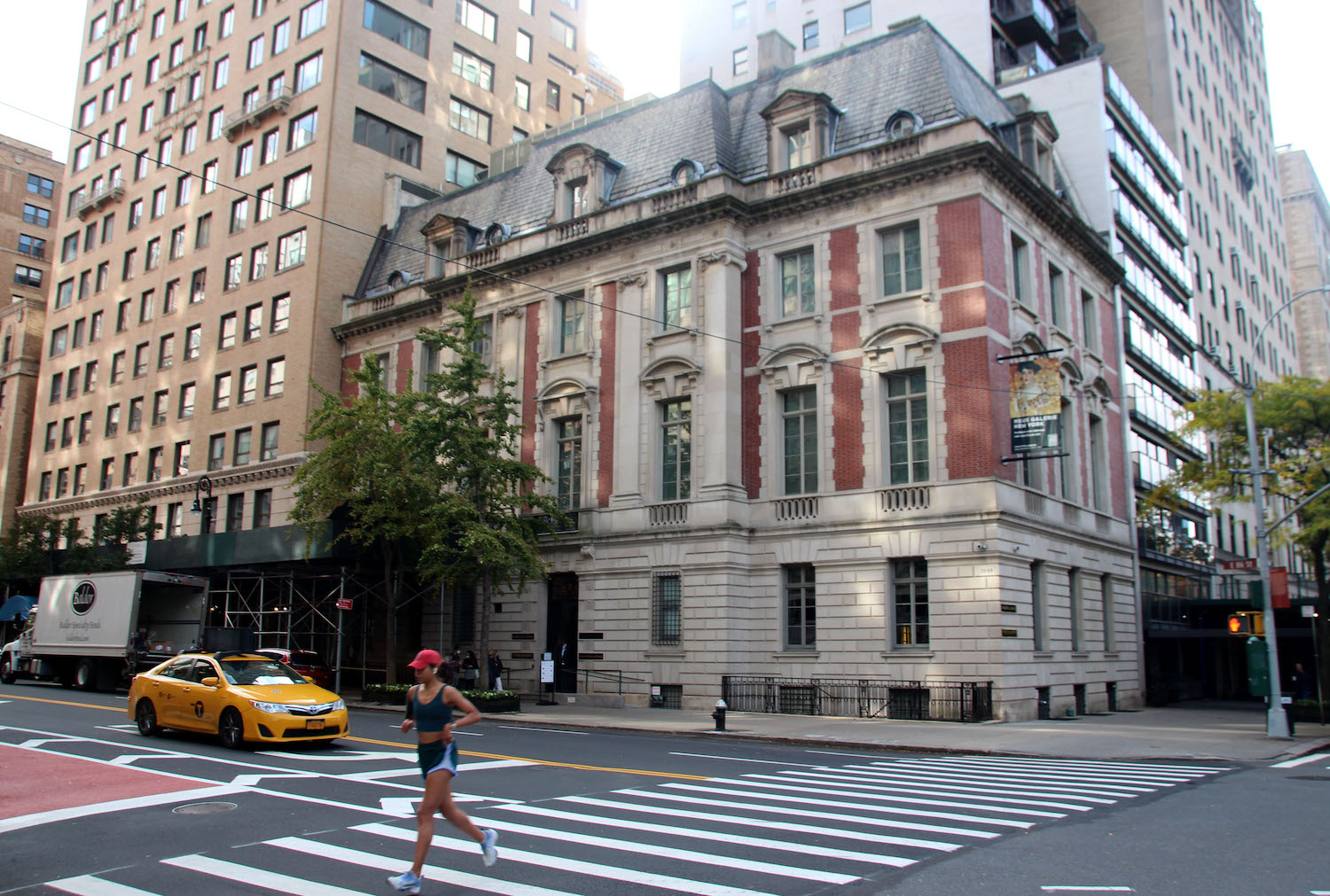
The Metropolitan Museum of Art and the Neue Galerie in New York are merging. Starting in 2028, the Neue Galerie will operate as a satellite of the Met, renamed "The Met Ronald S. Lauder Neue Galerie." Founded in 2001 by cosmetics entrepreneur and art collector Ronald Lauder, the Neue Galerie houses a renowned collection of German and Austrian art, including Gustav Klimt's "Adele Bloch-Bauer I." Met director Max Hollein announced the merger, which also includes a donation of 13 works from Lauder and his daughter Aerin, plus an endowment for ongoing operations.

"Kultursenator ist kein Nebenjob"

Berlin's finance senator Stefan Evers is set to additionally take on the role of culture senator following the resignation of Sarah Wedl-Wilson, a move criticized as a stopgap solution that creates a conflict of interest between austerity and cultural advocacy. Meanwhile, the Venice Biennale faces multiple controversies: critics question how to evaluate curator Koyo Kouoh's posthumous main exhibition "In Minor Keys," completed after her death in May 2025; Israeli artist Belu-Simion Fainaru speaks out against his exclusion from the Biennale competition, calling it politically biased and reminiscent of historical persecution; and German press decries the politicization of the Biennale, particularly the exclusion of Israel and Russia from the competition.

What the Met Gains from the Neue Galerie

Was das Met mit der Neuen Galerie gewinnt

The Neue Galerie, a private museum for German and Austrian art founded by billionaire collector Ronald S. Lauder, will be integrated into the Metropolitan Museum of Art (the Met) as an auxiliary branch under the new name "The Met Ronald S. Lauder Neue Galerie." The transition, announced by founding director Renée Price, is set to be completed by 2028, with the Met assuming full operational control after a planned renovation of the historic townhouse on Fifth Avenue. The merger follows years of Lauder's stewardship and ensures the long-term future of the collection, which includes masterpieces by Gustav Klimt, Egon Schiele, Wassily Kandinsky, and Max Beckmann.

No Need to Shed a Tear for the Jury

"Man muss der Jury keine Träne nachweinen"

The entire jury of the Venice Biennale resigned shortly before the opening, prompting criticism of Biennale President Pietrangelo Buttafuoco. Italian Culture Minister Alessandro Giuli accused Buttafuoco of pursuing a misguided "pacificist fantasy" by readmitting Russia to the six-month exhibition, calling it failed "side foreign policy." Commentators in German media, including Niklas Maak (FAZ) and Marcus Woeller (Die Welt), see the resignation as a symptom of a crisis in the art world, with the jury having acted as a "political tribunal" by pre-judging artists based on nationality, particularly regarding Israel. The Biennale leadership defended inclusion, but the standoff has caused significant "image damage." Separately, Dirk Knipphals (wochentaz) delivers a scathing review of Wolfram Weimer's first year as cultural policy commissioner, accusing him of empty rhetoric and failing to counter right-wing cultural politics. Juliane von Mittelstaedt (Der Spiegel) reports on Saudi Arabia's use of a spectacular new art museum in Riyadh as a stability narrative amid regional conflict.

On High Heels into the Museum

Auf High Heels ins Museum

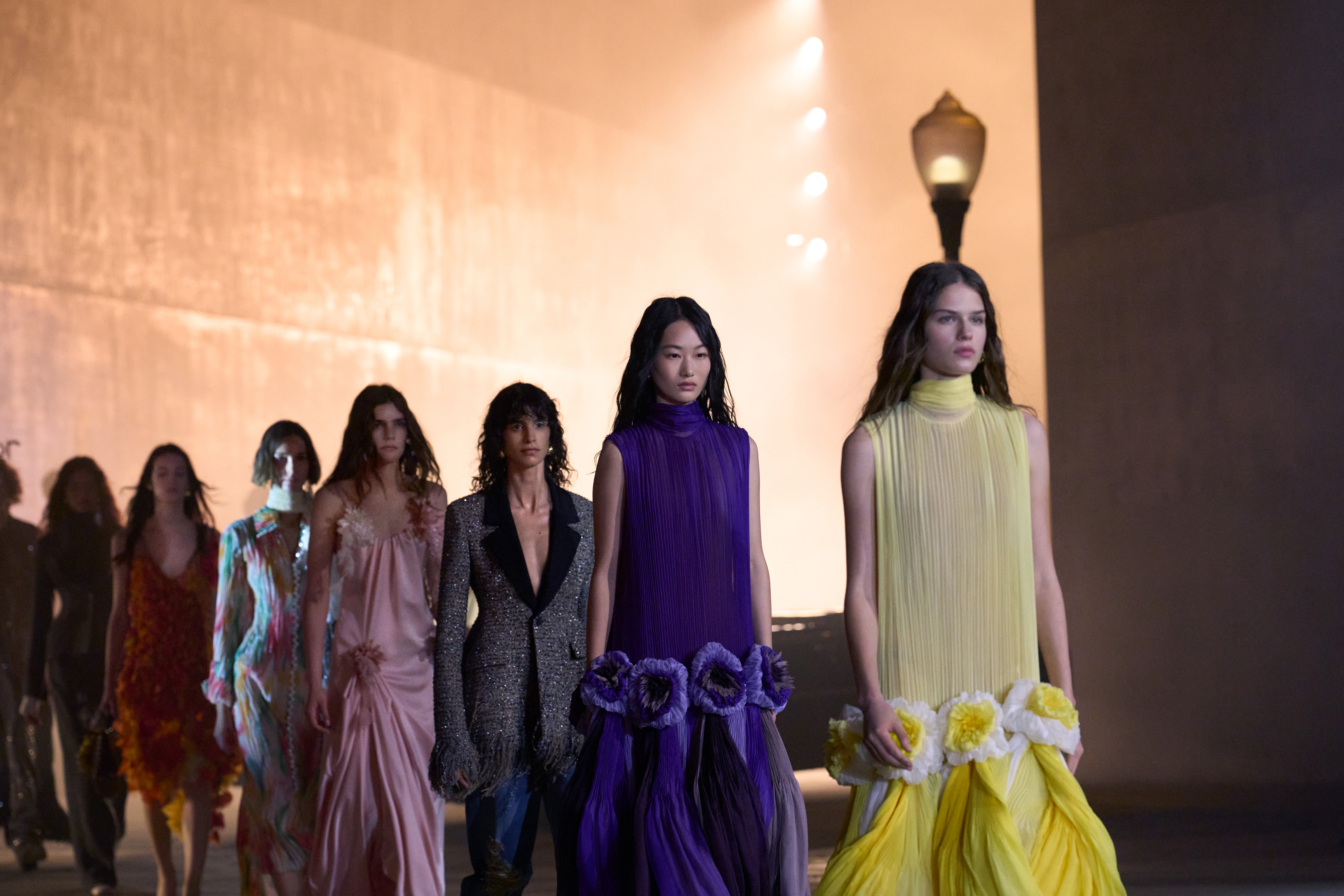
The Los Angeles County Museum of Art (LACMA) closed its newly opened David Geffen Galleries just days after their official debut to host a Dior fashion show. The show, designed by Dior creative director Jonathan Anderson, featured a Cruise collection inspired by Hollywood glamour, with models walking through the museum's outdoor spaces amid vintage cars and historical lamps. The event highlighted the ongoing tension between the museum's architectural ambitions—Peter Zumthor's amoeba-like concrete structure has drawn both criticism and praise—and its use as a venue for luxury brand marketing.

Some cry censorship, others cry antisemitism

"Die einen schreien Zensur, die anderen Antisemitismus"

A constitutional law scholar, Christoph Möllers, warns in an interview with Die Zeit about the dangerous escalation of cultural policy conflicts, sparked by Documenta 15, where accusations of censorship and antisemitism collide. In Poland, Adam Budak was removed as director of MOCAK in Krakow after just a few months, facing 79 allegations including mobbing and problematic leadership. Meanwhile, the New York spring auctions have launched, and Jason Farago's review of the Venice Biennale in the New York Times criticizes the shift from aesthetic innovation toward identity-driven art. Robin Pogrebin also reports on the merger of the Met and the Neue Galerie, described as a rare convergence of two museum models.

"Man besitzt Kunst nicht, man ist nur ihr Verwalter"

The 61st Venice Biennale opened on Saturday without ceremony or an opening celebration, amid political turmoil over the participation of Russia and Israel. Italy's Culture Minister Alessandro Giuli criticized Biennale director Pietrangelo Buttafuoco for not informing the government about Russia's participation request, suggesting it could have been used as leverage for a ceasefire in Ukraine. The entire jury resigned after attempting to exclude both Russia and Israel from prize awards, leading to the cancellation of the traditional jury decision in favor of a public vote, which over 70 participating artists have protested by withdrawing from this year's prizes. Separately, a rare photograph from the early 1940s has surfaced showing Lucas Cranach the Elder's painting "Venus with Cupid as Honey Thief" in Adolf Hitler's Munich apartment, raising unresolved questions about whether the work was looted from Jewish owners before 1935.

"Etwas zaghaft, etwas ängstlich, etwas sicher"

The article surveys recent art-world commentary, focusing on a critical review of the Turner Prize shortlist in The Guardian, where Eddy Frankel calls the selection "timid, anxious, safe" and laments a self-perpetuating, elitist system. It also covers a Hyperallergic essay by Lisa Siraganian questioning whether artworks can possess personhood, sparked by Pierre Huyghe's Venice exhibition. Additionally, it reports on controversy at the Venice Biennale, where the jury preemptively excluded countries whose leaders are sought by the International Criminal Court—namely Russia and Israel—drawing sharp criticism from Die Welt's Marcus Woeller. A podcast interview with US sculptor Alma Allen, selected for the US Pavilion, rounds out the coverage.

"Du bist nun in die ewigen Jagdgründe der Kunst entschwunden"

This week's art news roundup covers several stories: Jonathan Meese publishes an obituary for his mother Brigitte Meese in Der Spiegel, describing her as a central figure in his life and work. Pussy Riot seeks to take over the Russian Pavilion at the Venice Biennale. The European Media Art Festival (EMAF) in Osnabrück faces controversy over antisemitism allegations linked to Palestinian-American filmmaker Basma al-Sharif, leading the city and state government to distance themselves from the festival. In the NZZ, Christian Wildhagen reports on conflicts over official political portraits, citing examples like Swiss councilor Martin Neukom rejecting paintings and Donald Trump criticizing his portrait. Art historian Horst Bredekamp pays tribute to Italian philosopher Federico Vercellone (1955–2026) in the FAZ, highlighting his theory of the 'self-activity of form.'

Because the Ego Suddenly Dissolves

"Weil das Ego sich plötzlich auflöst"

The art world is facing significant structural and political shifts, highlighted by the merger of Artnet and Artsy which has resulted in mass layoffs, particularly within the Artnet News editorial team and its Berlin operations. Simultaneously, tensions are rising in German cultural policy as gallery owner Rupert Pfab raises concerns over government interference in the Stiftung Kunstfonds jury selection, reflecting a broader climate of unease that includes recent controversies at the Berlinale.

Imitations of a Mediocre Teenager on Tranquilizers

"Nachahmungen eines mittelmäßigen Teenagers auf Tranquilizern"

The Victoria & Albert Museum has reportedly censored exhibition catalogs following pressure from Chinese printing firms, removing images and maps related to sensitive topics like Tibet and Tiananmen Square. This editorial roundup also highlights artist Molly Crabapple’s sharp critique of generative AI as a massive intellectual property theft and a profile of Rirkrit Tiravanija’s communal home in Thailand, which functions as a social sculpture.

Contemporary US Art is Sick with Problems

"Die zeitgenössische US-Kunst ist von Problemen krank"

Artist Josh Kline has sparked a heated debate with a scathing critique of the American art scene, particularly targeting New York City as an unsustainable hub driven by market logic and inequality. Kline argues that contemporary art is "sick with problems" and urges young artists to abandon the city, calling for a shift from institutional critique to a broader industry-wide analysis of class and power. Meanwhile, the German art world sees significant movement with the upcoming auction of Georg Kolbe’s "Tänzerinnen-Brunnen" following a Nazi-looted art settlement, and the Berlin State Museums announcing a phased reopening of the Pergamon Altar starting in 2027.

One of the Greatest Photographic Documents of the 20th Century

"Eines der größten fotografischen Dokumente des 20. Jahrhunderts"

A New York court has concluded an eleven-year legal battle by awarding Amedeo Modigliani’s 'Seated Man with a Cane' to the heirs of Jewish art dealer Oscar Stettiner. The ruling rejected the claims of the powerful Nahmad family, with the judge determining that Stettiner never voluntarily relinquished the work during the Nazi era. Additionally, a significant photographic archive belonging to darkroom technician Roland Haupt has surfaced, containing previously unseen World War II images by Lee Miller and Cecil Beaton.

Opening of Berlin Modern postponed to 2030

L’ouverture du Berlin Modern repoussée à 2030

The opening of the Berlin Modern museum has been delayed to 2030 due to construction setbacks and cost overruns. According to German media outlet Monopol, the project has been plagued by humidity issues, including mold, algae, and bacteria on new surfaces, caused by winter dampness, concrete sensitivity, and faulty ventilation. Originally launched in 2019 with a planned opening in mid-2020, the museum's completion has been repeatedly pushed back, with costs soaring from an initial €200 million to over €500 million, making it the most expensive museum ever built in Germany. The building, designed by Swiss firm Herzog & de Meuron, is located at the Kulturforum and will house 20th-century art collections from the Nationalgalerie, the Marx Collection, the Pietzsch Collection, and holdings from the Kupferstichkabinett and the Kunstbibliothek.

Leaky Berlin Modern Museum’s Opening Delayed Until 2030

The opening of the Berlin Modern Museum, a planned extension of the Neue Nationalgalerie, has been delayed until 2030 due to significant moisture damage and microbial contamination in its foundation, floors, roof coverings, and exterior walls. Originally laid in February 2024 with a projected 2027 opening, the museum's construction costs have surged from 200 million to 507 million euros, according to Monopol. A spokesperson for the Prussian Cultural Heritage Foundation stated that repairs are underway but will push completion back by approximately eight months.

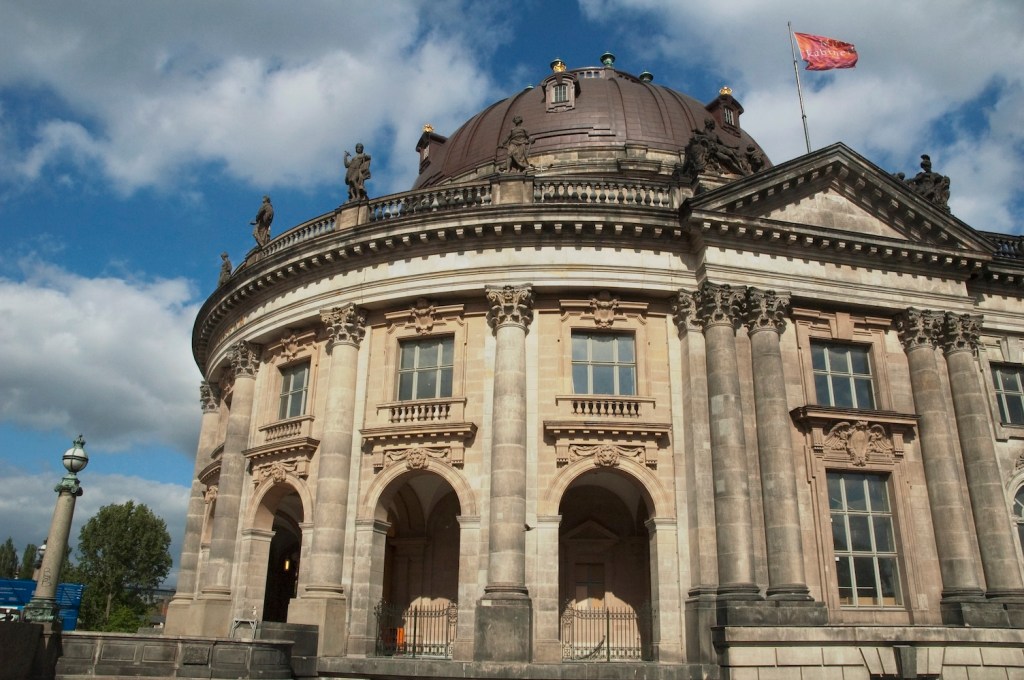
Activist Super-Glues Herself to Display Cabinet at Berlin’s Bode Museum

An activist from the group New Generation staged a protest at Berlin’s Bode Museum by super-gluing herself to a display cabinet containing coins. Dressed as Germany’s Economic Affairs Minister, Katherina Reiche, the protester aimed to criticize the minister's perceived lack of independence from corporate interests. Police successfully removed the activist, and the Prussian Cultural Heritage Foundation confirmed that no museum exhibits were damaged during the incident.

Prize commemorates Henrike Naumann – MMK takes over estate

Preis erinnert an Henrike Naumann – MMK übernimmt Nachlass

A new prize named after the late artist Henrike Naumann has been established by the Institut für Auslandsbeziehungen (ifa) and the Zeit Stiftung Bucerius, coinciding with her posthumous presentation at the German Pavilion of the Venice Biennale. The €15,000 Henrike-Naumann-Preis für Bildende Kunst, plus €5,000 in production funds, will be awarded regularly starting this year to early- to mid-career artists whose work engages with social transformation, political fault lines, or transnational contexts. Meanwhile, the Museum für Moderne Kunst Frankfurt (MMK) has acquired Naumann's estate, which will be catalogued and made publicly accessible to ensure her work receives long-term scholarly and curatorial attention.

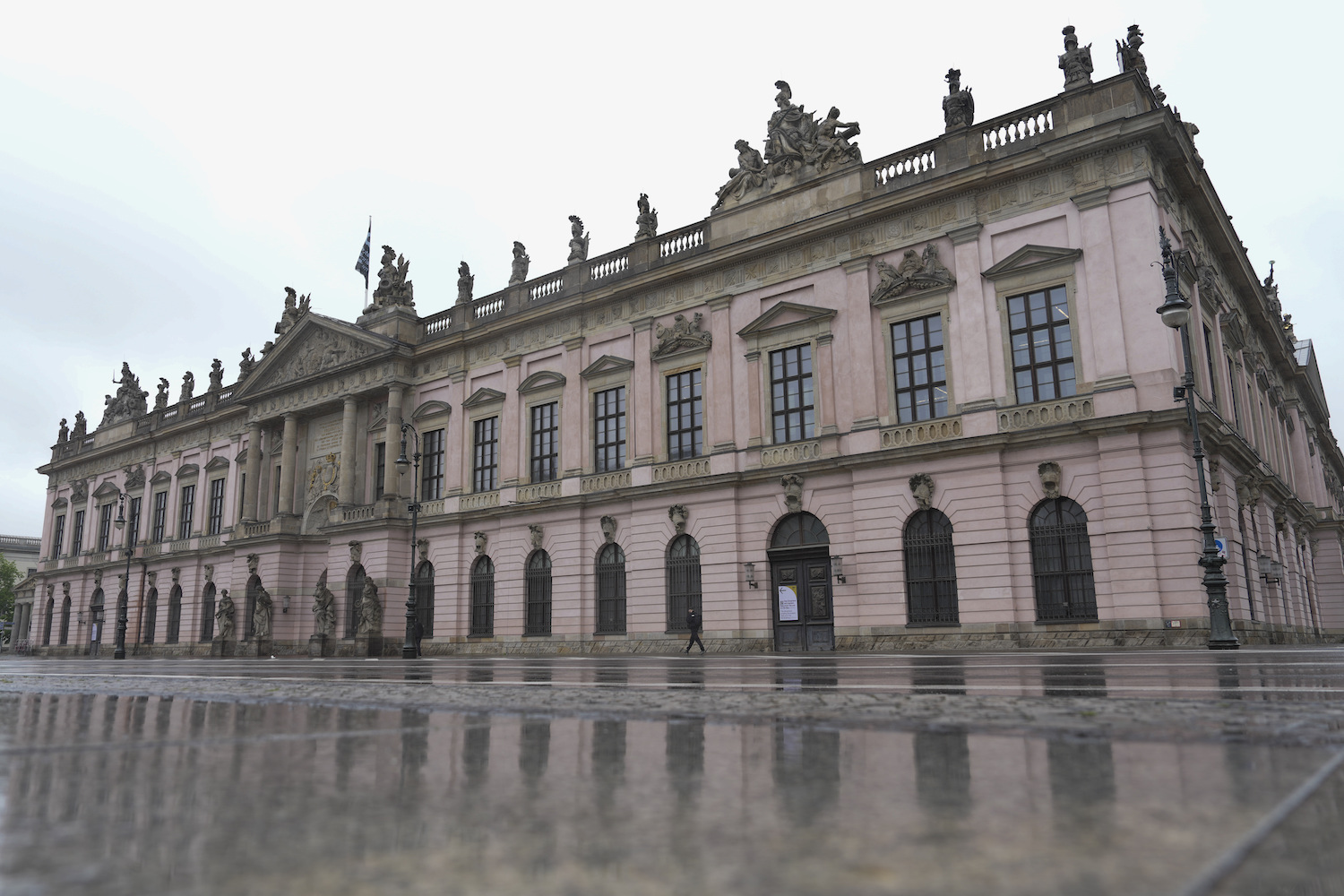
DHM main building likely closed until 2031

DHM-Hauptbau wohl bis 2031 dicht

The German Historical Museum (DHM) in Berlin will remain without its main building, the Zeughaus on Unter den Linden, until at least 2031 due to further delays in its renovation. Museum director Raphael Gross announced that a binding timeline from the property owner and the federal construction authority is not expected until 2027, and a reopening before 2031 is unrealistic. In the meantime, the museum is using its modern Pei-Bau wing to host a new exhibition titled "Objekte. Geschichte. Geschichten," featuring around 200 highlights from its collection of one million objects, including a samurai armor once gifted to Adolf Hitler and objects from a refugee shelter.

daughter of marisa merz cancels show in kassel over documentas antisemitism policy

An exhibition of work by late Arte Povera artist Marisa Merz, planned for the Fridericianum museum in Kassel, Germany, has been canceled by her daughter Beatrice Merz. Beatrice, president of the Fondazione Merz, called off the show in protest of Documenta's newly adopted Code of Conduct, which uses the International Holocaust Remembrance Alliance (IHRA) definition of antisemitism. The exhibition was originally scheduled to open in August 2025 and was replaced with a Robert Grosvenor survey. The cancellation was confirmed by Andreas Hoffmann, managing director of Documenta and the Fridericianum.

pussy riot russia prison sentences response

A Moscow court sentenced five members of the Russian activist art collective Pussy Riot in absentia to between eight and 13 years in prison. The charges stem from a 2022 music video titled *Mama, Don’t Watch TV*, which denounced the war in Ukraine, and a 2024 protest performance in Munich. The targeted artists are Maria Alyokhina, Diana Burkot, Taso Pletner, Olga Borisova, and Alina Petrova. They were found guilty of “discrediting the Russian Armed Forces” and “spreading false information” about the military.

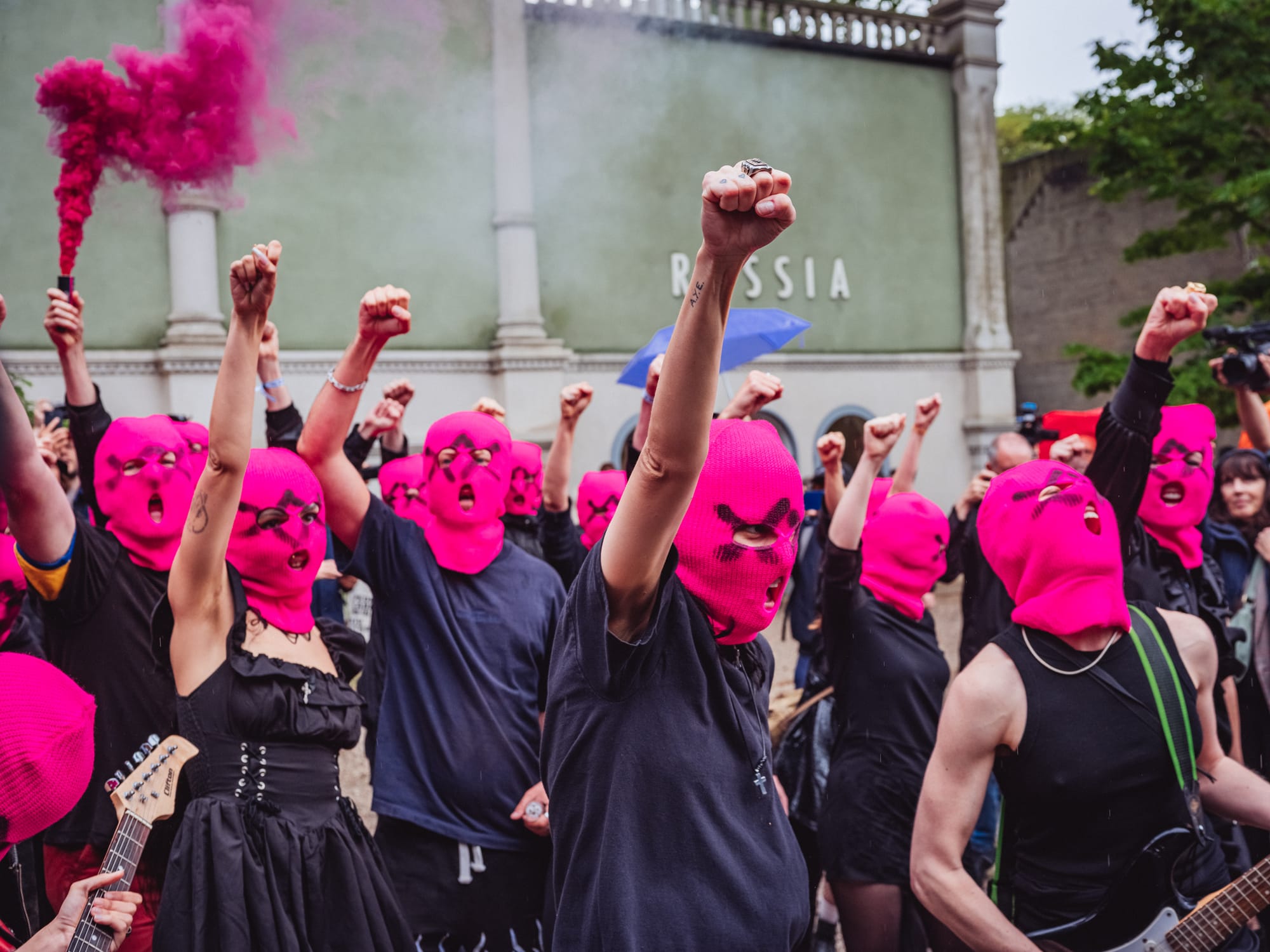
Pussy Riot and Topless Activists Rally Against Russian Pavilion at Venice Biennale

On May 6, 2026, the art collective Pussy Riot and the Ukrainian feminist group FEMEN staged a protest outside the Russian Pavilion at the 61st Venice Biennale. Approximately 50 activists released pink smoke and blue-and-yellow flares evoking the Ukrainian flag, while FEMEN members staged a topless protest with anti-war slogans like “RUSSIA KILLS, BIENNALE EXHIBITS.” Italian police and Biennale security blocked access to the pavilion, and some Pussy Riot activists were tackled after entering. The protest targeted Russia’s participation in the Biennale for the first time since its full-scale invasion of Ukraine in 2022, with activists condemning the event for lending legitimacy to Russian officials and artists aligned with the government.

Wintour: Met Gala still makes me nervous

Wintour: Met-Gala macht mich immer noch nervös

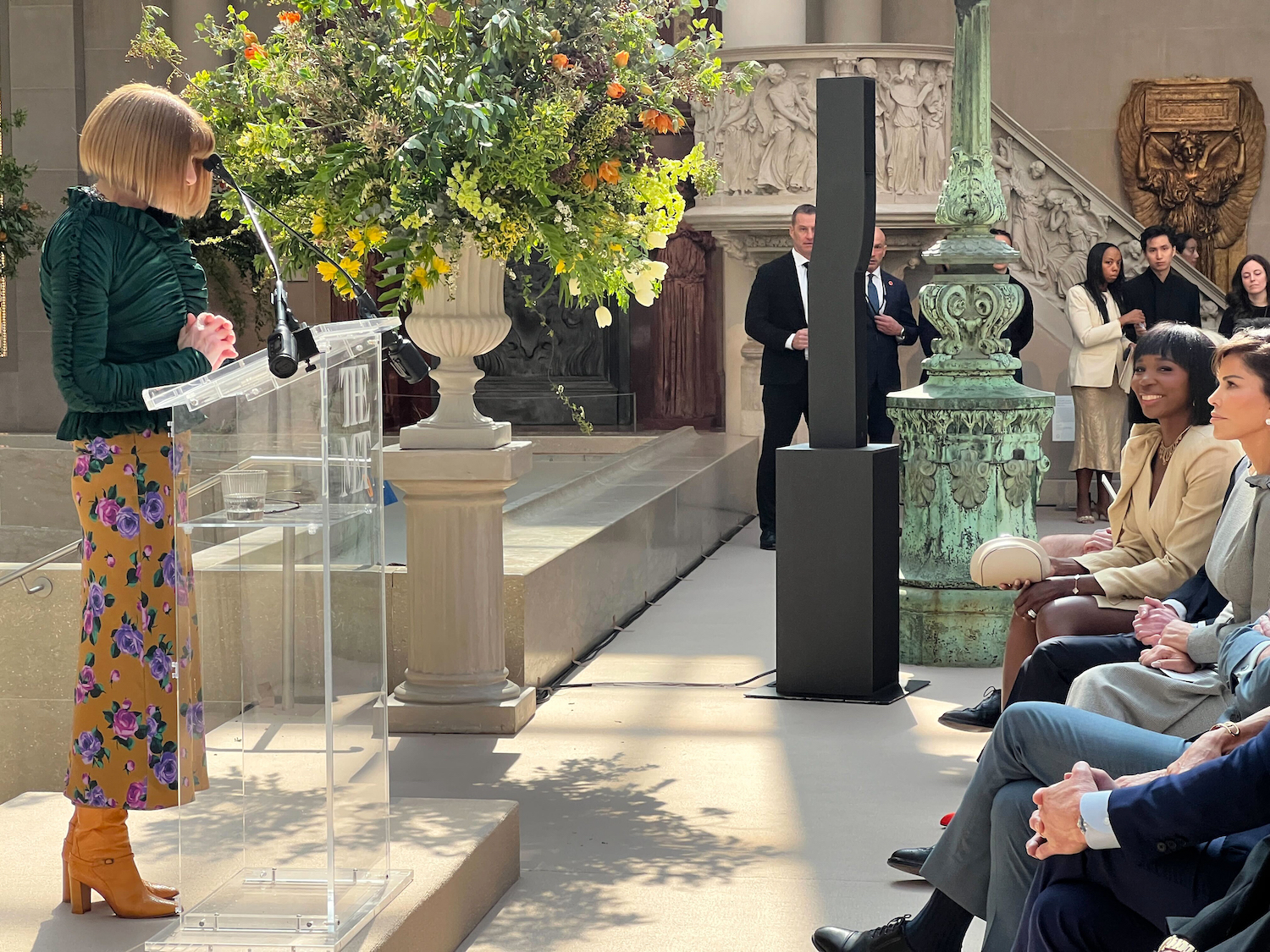
Anna Wintour, longtime host of the Met Gala, admitted at a press conference that even after nearly 30 years, the star-studded fundraiser still makes her nervous, calling it both her favorite and most terrifying time of year. The annual Costume Institute Benefit, which raises millions for the Metropolitan Museum of Art's Costume Institute, is expected to bring in more donations than ever this year, according to Wintour and museum director Max Hollein. This year's gala opens the exhibition "Costume Art" with the dress code "Fashion is Art," and new gallery spaces for the Costume Institute will debut. Co-chairs include Jeff Bezos and Lauren Sánchez Bezos, while New York Mayor Zohran Mamdani has publicly declined to attend.