filter_list Showing 11 results for "Resolve" close Clear
search
dashboard All 27 article news 11museum exhibitions 4gavel restitution 3trending_up market 3article local 2article policy 2person people 1article culture 1
date_range Range Today This Week This Month All
Subscribe

A Long-Running Case Centering on Alleged Robert Indiana Forgeries Is Resolved with a $102 M. Settlement

A New York jury has awarded $102.2 million in damages to the Morgan Art Foundation in a long-running copyright and forgery case against art publisher Michael McKenzie. The jury found that McKenzie created unauthorized and altered versions of works by Pop artist Robert Indiana, including multiple iterations of Indiana's iconic LOVE prints and sculptures, as well as works such as *The Ninth American Dream* (2001), *USA FUN* (1965), and a sculpture titled *BRAT*. The lawsuit, which began in 2018 shortly before Indiana's death at age 89, alleged that McKenzie and others sought to isolate the artist and profit from selling forged works. McKenzie's lawyer indicated he may appeal.

Authorship Dispute Erupts Over ‘Hair Dress’ at the Met’s Costume Institute

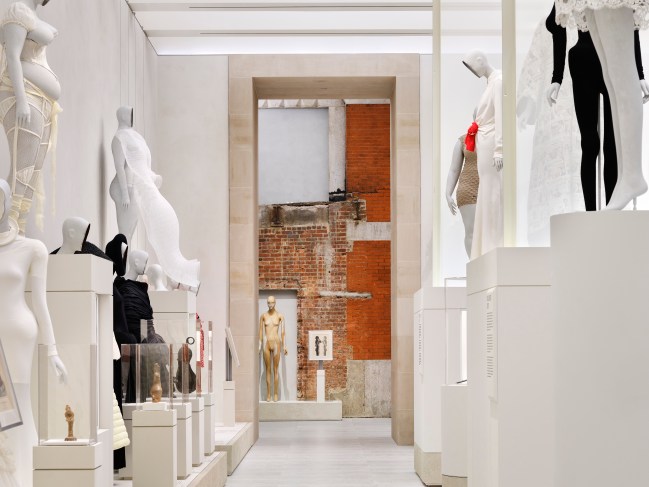
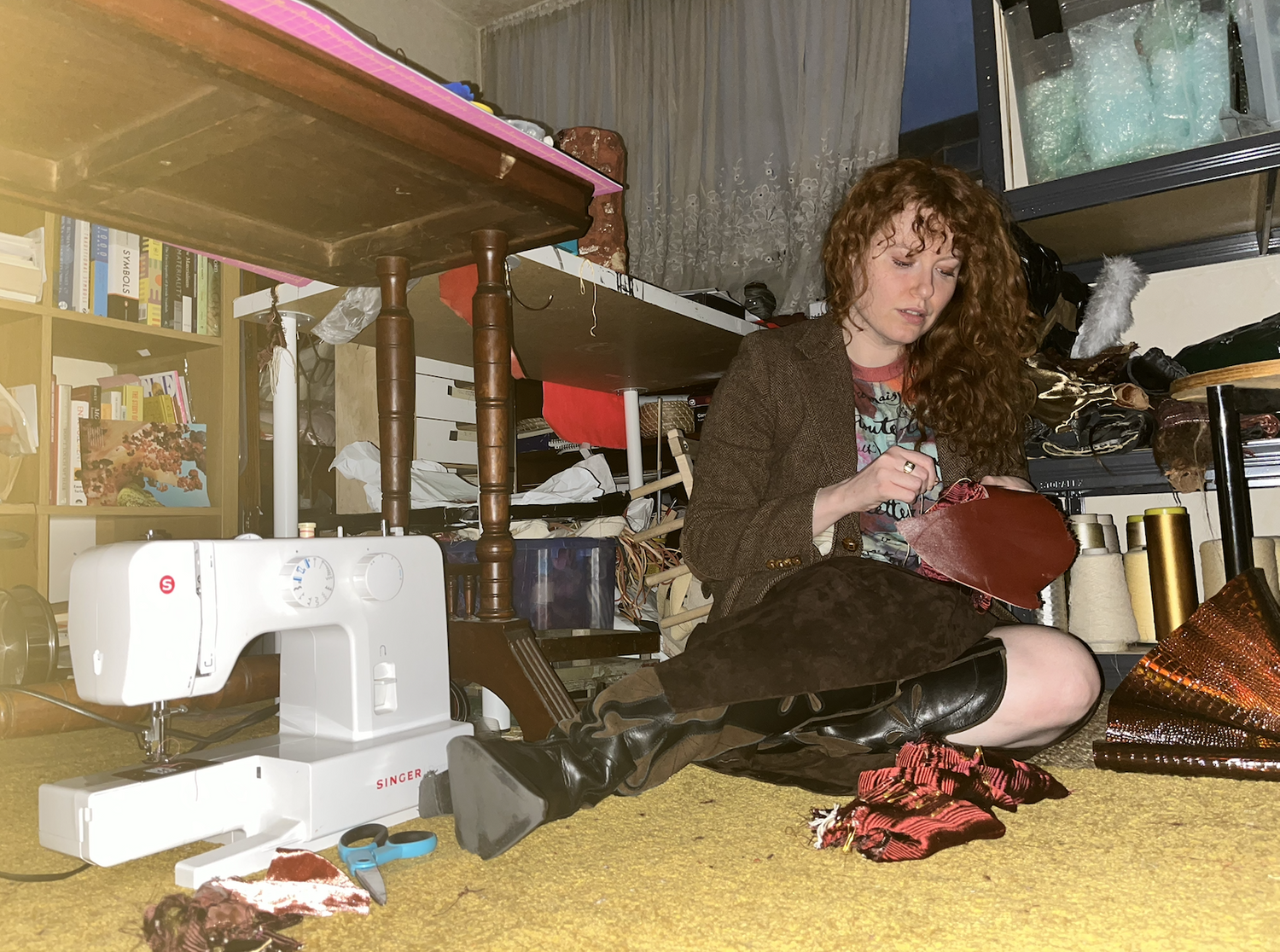
British artist Anouska Samms has publicly claimed that the Metropolitan Museum of Art's Costume Institute exhibition "Costume Art" includes a dress, Corpus Nervina 0.0 (2023-24), that was based on her collaborative work with Israeli fashion designer Yoav Hadari. Samms alleges that she co-created the original "Hair Dress" with Hadari in 2023 while both were residents at the Sarabande Foundation, and that the Met initially sought to acquire that piece. After negotiations fell through, Hadari instead provided a similar garment attributed solely to him, prompting Samms to demand proper credit via Instagram posts and through her lawyer.

"Man besitzt Kunst nicht, man ist nur ihr Verwalter"

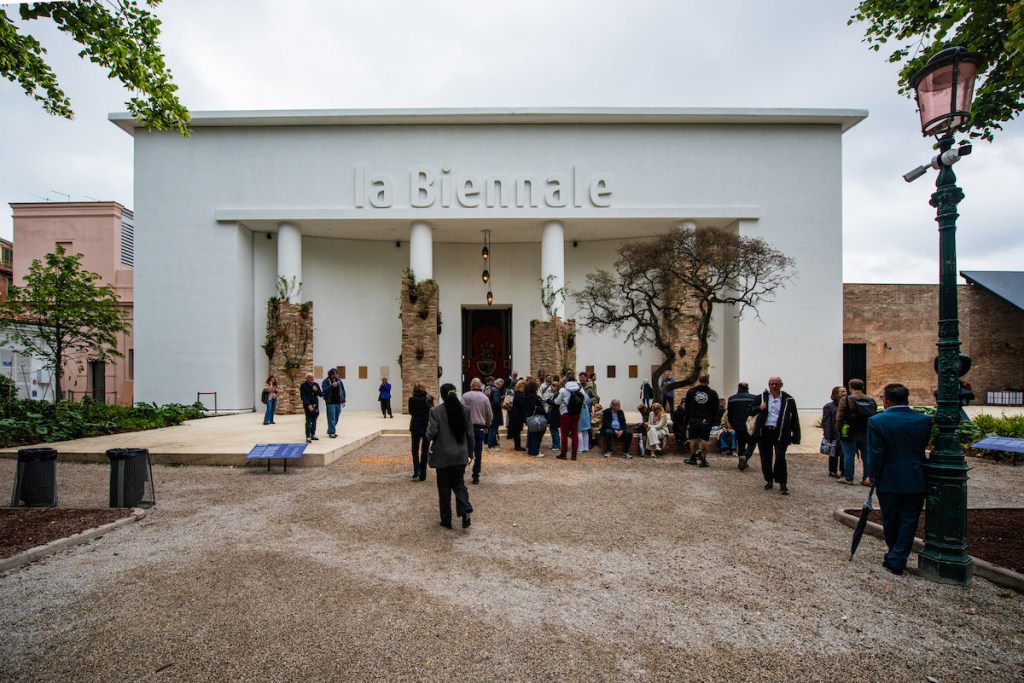
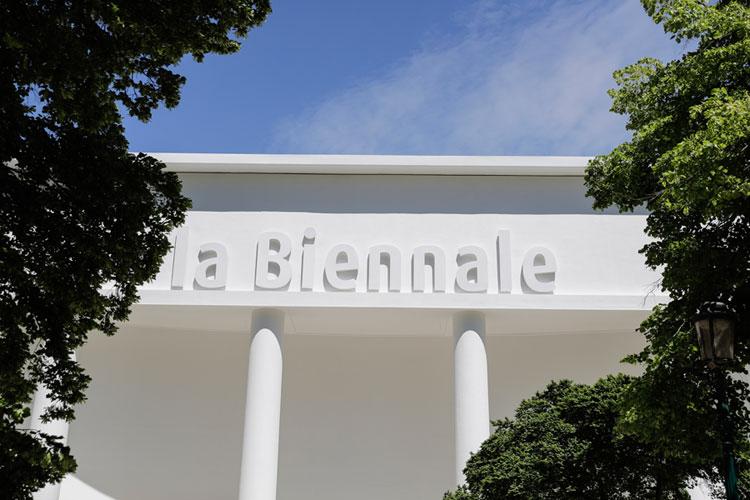
The 61st Venice Biennale opened on Saturday without ceremony or an opening celebration, amid political turmoil over the participation of Russia and Israel. Italy's Culture Minister Alessandro Giuli criticized Biennale director Pietrangelo Buttafuoco for not informing the government about Russia's participation request, suggesting it could have been used as leverage for a ceasefire in Ukraine. The entire jury resigned after attempting to exclude both Russia and Israel from prize awards, leading to the cancellation of the traditional jury decision in favor of a public vote, which over 70 participating artists have protested by withdrawing from this year's prizes. Separately, a rare photograph from the early 1940s has surfaced showing Lucas Cranach the Elder's painting "Venus with Cupid as Honey Thief" in Adolf Hitler's Munich apartment, raising unresolved questions about whether the work was looted from Jewish owners before 1935.

AI Helps UK Researchers Identify Unknown Subject in Hans Holbein Drawing as Anne Boleyn

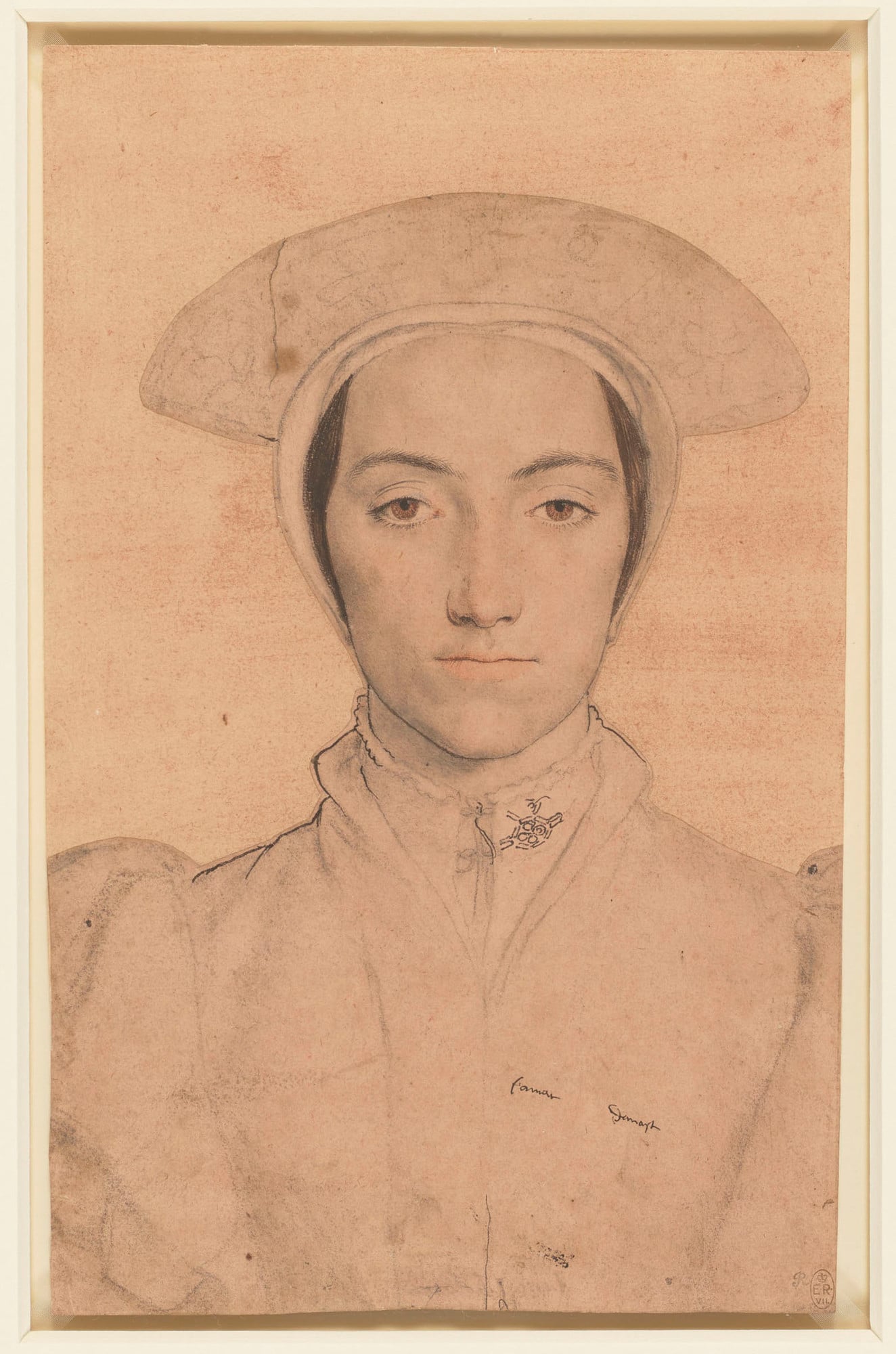
Researchers Karen L. Davies and Hassan Ugail used artificial intelligence facial recognition to analyze two Hans Holbein drawings from the Royal Collection Trust. Their study, published in npj Heritage Science, suggests that a portrait previously labeled as Anne Boleyn actually depicts her mother, Elizabeth Howard, while a drawing cataloged as an unidentified woman is the true likeness of Anne Boleyn. The findings challenge long-held identifications based on 18th-century inscriptions and align more closely with contemporary descriptions of Boleyn as slender with dark hair.

A.I. Identifies Holbein Drawing as Possible Portrait of Anne Boleyn

Researchers at the University of Bradford have used artificial intelligence to analyze preparatory drawings by Hans Holbein the Younger in the Royal Collection at Windsor Castle. The AI model, which previously identified a forgotten Raphael painting, suggests that a drawing long believed to depict Anne Boleyn actually shows her mother, Elizabeth Howard, while another drawing labeled "Unidentified Woman" likely portrays Anne Boleyn herself. The findings, published in Heritage Science, are based on biometric analysis of facial features, bone architecture, and proportional relationships, offering quantifiable evidence to resolve long-standing scholarly uncertainty about the sitters' identities.

Artists Spar Over Credit For A Dress Displayed In The Met’s ‘Costume Art’ Exhibition

London-based artist Anouska Samms has accused the Metropolitan Museum of Art's Costume Institute of exhibiting a dress that she claims is a counterfeit of her work in the ongoing "Costume Art" exhibition. The dress, titled Corpus Nervina 0.0, is credited solely to New York-based Israeli designer Yoav Hadari, but Samms alleges it closely resembles an earlier Nervina hair dress she co-developed with Hadari during their 2023 residency at the Lee Alexander McQueen Sarabande Foundation. Samms discovered the display via a social media post and has since spoken out, noting that a contract from their collaboration designated her as the sole owner of the intellectual property of the fabric. The Met has requested that the two parties resolve their dispute before the museum takes further action.

Art and politics clash at Venice Biennale, as world conflicts upstage exhibition's opening

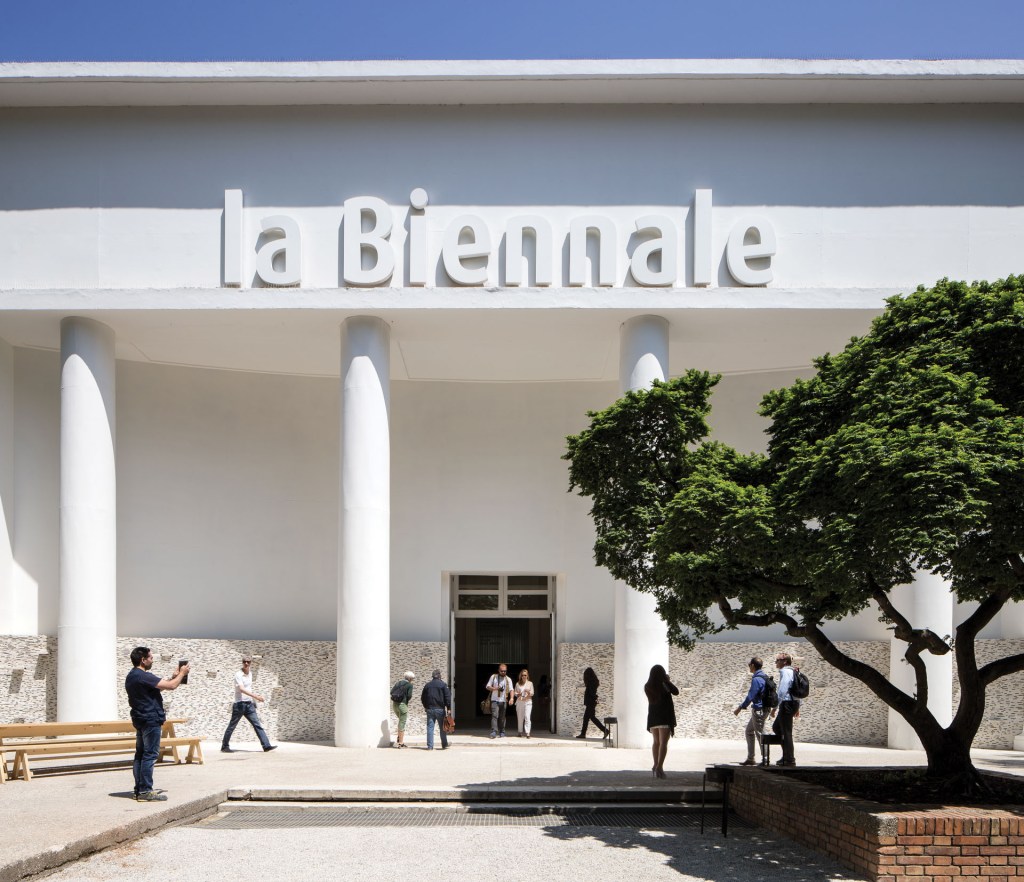
The 61st Venice Biennale, the world's most prestigious art exhibition, opens under unprecedented turmoil. For the first time, its vision was shaped by the late Cameroonian curator Koyo Kouoh, who centered artists from Africa and its diaspora. However, political conflicts over Russia and Israel have overshadowed the art. All five jurors resigned after the Italian culture minister investigated their decision to withhold prizes from Russia and Israel over alleged crimes against humanity. Protests erupted at the Russian pavilion, with Pussy Riot activists denouncing Russia's participation, while the Israeli pavilion artist threatened legal action over the jury's snub. The Biennale will proceed without a jury, with visitors voting for two awards, and the fate of the Golden Lion remains uncertain.

Venice Biennale Artists Decline Consideration for Golden Lions Chosen by Public Vote

Nearly half of the artists in the main exhibition of the Venice Biennale have signed a statement declining consideration for the Golden Lion awards, in solidarity with the jury that resigned last month. The statement, published by e-flux, includes prominent names such as Alfredo Jaar, Tuan Andrew Nguyen, Otobong Nkanga, and Walid Raad, as well as national pavilion representatives from France, Lithuania, and the Netherlands. The Biennale had planned to replace the jury-selected Golden Lions with "Visitor Lions" decided by public vote, but the artists' refusal marks an unprecedented protest within the exhibition.

Iran Pushes Back on Venice Biennale Withdrawal Reports: ‘We’re Still Coming’

Iran has pushed back against reports that it withdrew from the 2024 Venice Biennale, with Aydin Mahdizadeh Tehrani, director-general of visual arts at Iran's ministry of culture, stating that the country never withdrew and is still in negotiations to participate. Tehrani told the Iran Students News Agency that Iran submitted a plan for a pavilion and is awaiting a final response, despite unresolved issues including sanctions, high rental costs, and the ongoing war with Israel and the US. Meanwhile, a separate unofficial pavilion called the Hyperstitional Pavilion of Iran, curated by Pouya Jafari and Nazli Jan Parvar, has been announced, featuring works by Iranian artists and organized by Finland-based nonprofit Perpetuum Mobile.

Jury of the Venice Biennial resigns, Russia and Israel return to Award Contention

The five-member international jury of the 61st Venice Biennale, led by Brazilian curator Solange Farkas, has resigned effective April 30, 2026. The jury—comprising Solange Oliveira Farkas, Zoe Butt, Elvira Dyangani Ose, Marta Kuzma, and Giovanna Zapperi—announced their resignation in a written statement, referencing a prior Statement of Intention issued on April 22. In response, La Biennale di Venezia postponed the Awards Ceremony from May 9 to November 22, the final public day, and introduced two new "Visitors' Lions" awards—one for the Best Participant in the main exhibition "In Minor Keys" by Koyo Kouoh, and one for the Best National Participation—to be decided by ticket-holder vote.

Aristophil : Gérard Lhéritier reconnaît sa culpabilité et obtient une peine réduite

Gérard Lhéritier, founder of the art investment firm Aristophil, has pleaded guilty in a French court under a procedure known as comparution sur reconnaissance préalable de culpabilité (CRPC), effectively a plea bargain. On April 14, he admitted responsibility for fraud and deceptive commercial practices after more than a decade of denial. This late admission, made just before his expected incarceration, reduces his sentence from the five years of imprisonment handed down in December 2025 to two years under electronic monitoring. The case stems from Aristophil’s collapse, which involved selling shares in manuscripts and historical documents as attractive investments, leaving thousands of investors heavily impacted.