

filter_list Showing 3 results for "The Shift" close Clear
search
dashboard All 9 article news 3museum exhibitions 2trending_up market 2article culture 1rate_review review 1
date_range Range Today This Week This Month All
Subscribe

New York art world spared worst of logistics woes

New York's spring art fairs—including Frieze, Tefaf, Independent, and Nada—are proceeding largely on schedule despite ongoing disruptions from the war in Iran. Airspace closures, reduced flights, rising fuel costs, and the closure of the Strait of Hormuz have strained global art logistics, forcing rerouting, last-minute cancellations, and cost increases of up to 2,500%. Logistics firms like Hasenkamp and Gander & White report that while shipments are still arriving, the system has become fragile, with clients prioritizing safety and resilience over speed.

Some cry censorship, others cry antisemitism

"Die einen schreien Zensur, die anderen Antisemitismus"

A constitutional law scholar, Christoph Möllers, warns in an interview with Die Zeit about the dangerous escalation of cultural policy conflicts, sparked by Documenta 15, where accusations of censorship and antisemitism collide. In Poland, Adam Budak was removed as director of MOCAK in Krakow after just a few months, facing 79 allegations including mobbing and problematic leadership. Meanwhile, the New York spring auctions have launched, and Jason Farago's review of the Venice Biennale in the New York Times criticizes the shift from aesthetic innovation toward identity-driven art. Robin Pogrebin also reports on the merger of the Met and the Neue Galerie, described as a rare convergence of two museum models.

Political Fallout Rocks Venice Biennale Prize System

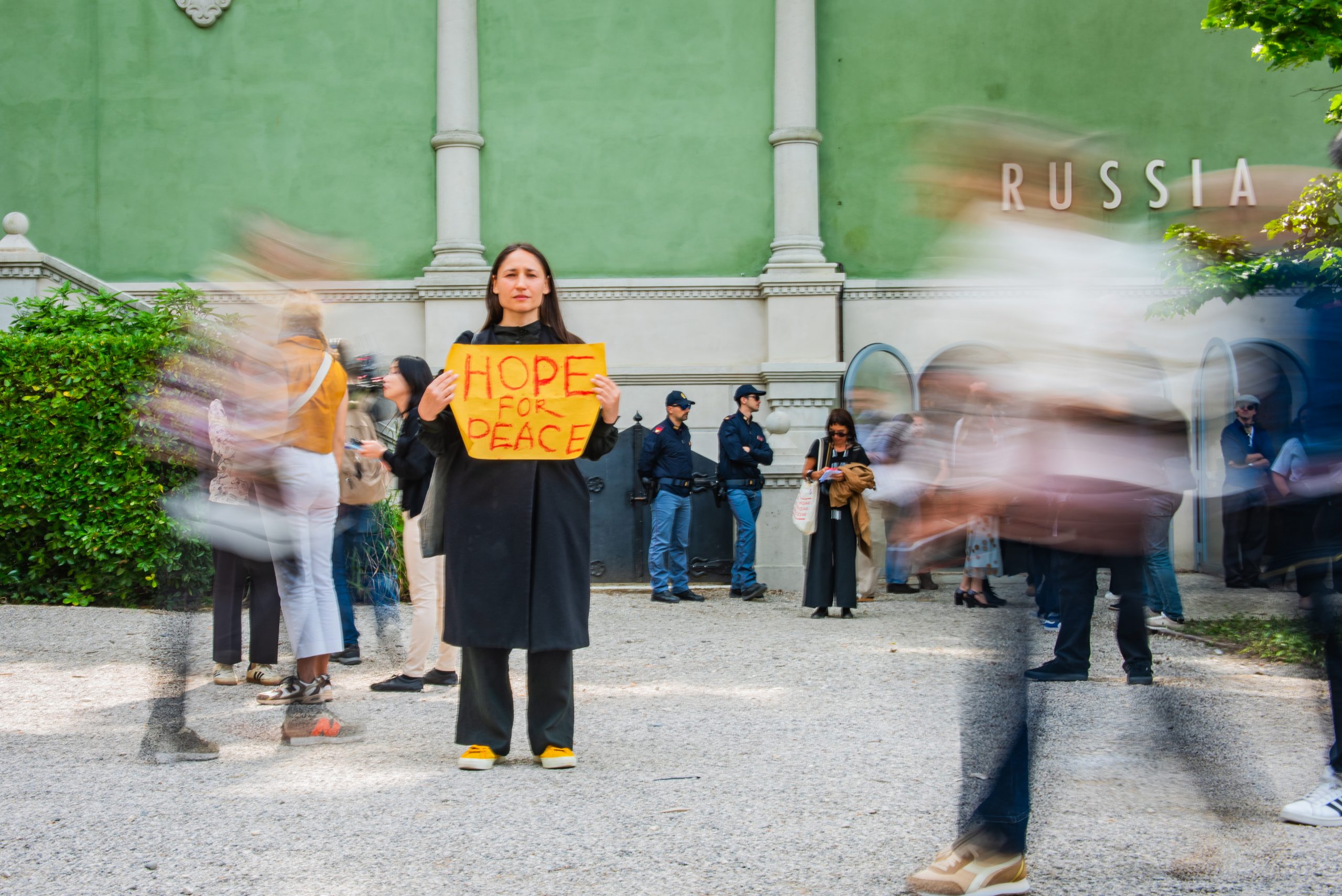
Dozens of artists participating in the 2026 Venice Biennale have withdrawn from consideration for the newly created Visitor Lion awards, replacing the traditional Gold and Silver Lion prizes. A total of 57 artists from the main exhibition and 22 national pavilions signed a statement published on e-flux on May 9, acting in solidarity with the five-person prize jury that resigned on April 30 over the continued participation of Russia and Israel. The jury had objected to awarding prizes to artists from countries whose leaders face International Criminal Court charges, including Russian president Vladimir Putin and Israeli prime minister Benjamin Netanyahu. In response, the Biennale organizers postponed the awards ceremony to November 22 and introduced visitor voting, a move they described as consistent with openness and dialogue. Meanwhile, the Russian Pavilion, which returned after lending its space to Bolivia in 2024, faced protests, closure after previews, and a €2 million funding pull by the European Union for the 2028 Biennale.