filter_list Showing 8 results for "Train" close Clear
dashboard All 52 museum exhibitions 23article news 8article local 6article culture 4article policy 4candle obituary 2trending_up market 2person people 1gavel restitution 1rate_review review 1
date_range Range Today This Week This Month All
Subscribe

May You Live in Less Interesting Times

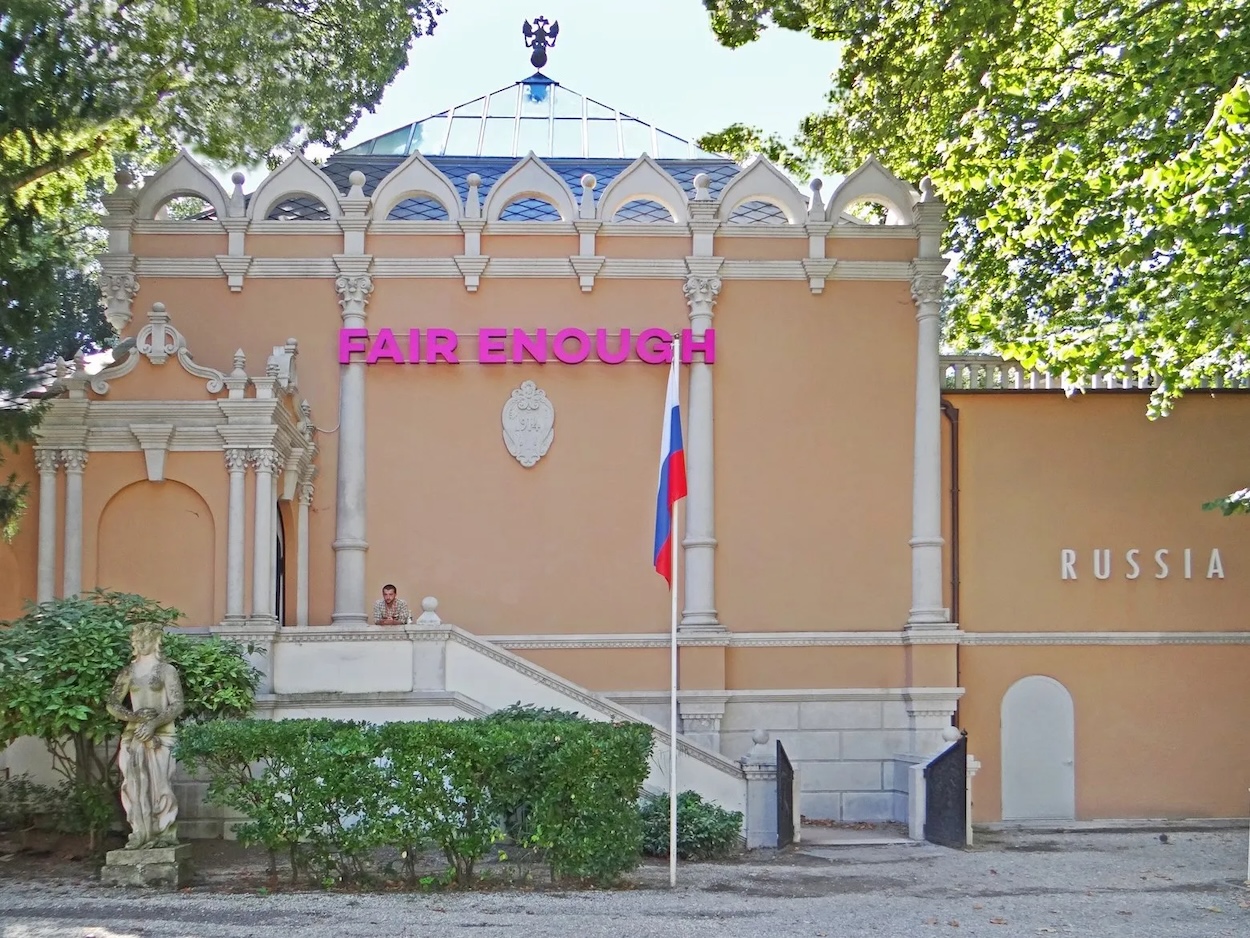
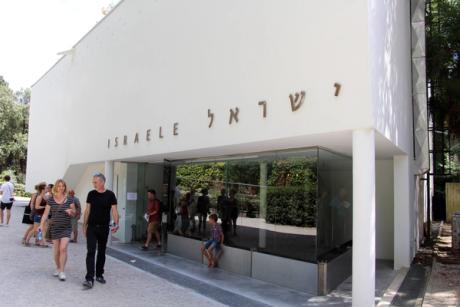
The international jury for the Venice Biennale has collectively resigned just before the press preview, following their announcement that countries accused of crimes against humanity—specifically Israel and Russia—would be excluded from award consideration. The jurors did not provide an explicit reason for their resignation. Meanwhile, Russia's return to the 61st Venice Biennale will involve workarounds to comply with international sanctions, including restricted pavilion access. The article also highlights a widely-read essay by Hakan Topal on the financialization and 'administrification' of American art schools and academia.

"Kultursenator ist kein Nebenjob"

Berlin's finance senator Stefan Evers is set to additionally take on the role of culture senator following the resignation of Sarah Wedl-Wilson, a move criticized as a stopgap solution that creates a conflict of interest between austerity and cultural advocacy. Meanwhile, the Venice Biennale faces multiple controversies: critics question how to evaluate curator Koyo Kouoh's posthumous main exhibition "In Minor Keys," completed after her death in May 2025; Israeli artist Belu-Simion Fainaru speaks out against his exclusion from the Biennale competition, calling it politically biased and reminiscent of historical persecution; and German press decries the politicization of the Biennale, particularly the exclusion of Israel and Russia from the competition.

Israel’s foreign ministry accuses Venice Biennale's jury of ‘politicising’ exhibition

Israel’s foreign ministry has accused the Venice Biennale's jury of politicizing the exhibition after jurors announced they would not consider for prizes countries whose leaders face International Criminal Court charges for crimes against humanity. The jury’s statement, which did not name specific nations, is broadly understood to apply to Israel and Russia, both returning to the Biennale for the first time since the Gaza war and the Ukraine invasion, respectively. The Israeli ministry posted on X that the jury had decided to 'boycott' Israeli sculptor Belu-Simion Fainaru, calling it 'a contamination of the art world.' The Biennale distanced itself from the jury’s announcement, stating the jury acts autonomously, while the Russian pavilion is reportedly set to open only for a limited pre-opening period due to budget constraints amid sanctions.

Russia's 2026 Venice Biennale Will Not Open to the Public, and Other News.

Russia's pavilion at the 2026 Venice Biennale will be closed to the public for nearly the entire run of the exhibition (May 9–November 22), with access limited to a brief preview period for press and invited guests. Instead of physical access, visitors will experience the pavilion's project—titled 'The Tree Is Rooted in the Sky'—via video documentation displayed on exterior screens. The arrangement is widely seen as a compromise shaped by international sanctions and political backlash over Russia's return following its absence after the 2022 invasion of Ukraine. In other news, Matthieu Blazy unveiled his first Chanel cruise collection in Biarritz; San Francisco appointed Matthew Goudeau as its first-ever executive director of arts and culture; the Saudi Arabia Museum of Contemporary Art received a $490 million construction grant from Diriyah Company; and online auction sales grew 8 percent in 2025, generating $423.9 million.

Museum diplomacy in action at ICOM UK 2026: museums in a changing world

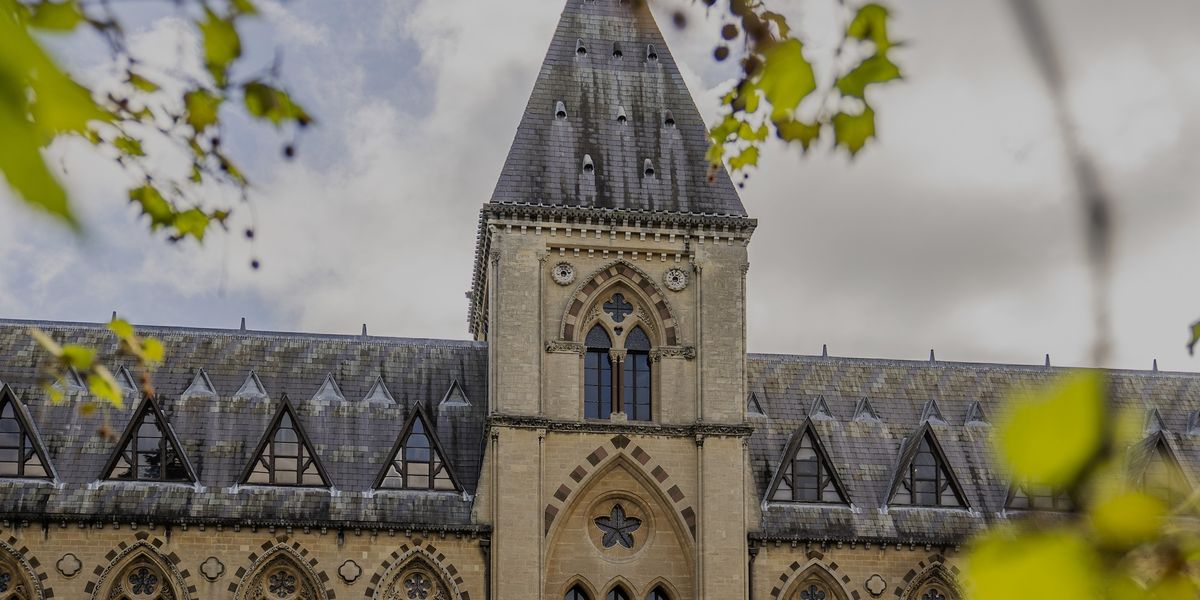
ICOM UK hosted its 2026 annual conference in Oxford, bringing together delegates from over 20 countries to explore the theme of 'Museum Diplomacy.' Keynote speaker Dr. Sascha Priewe of the Aga Khan Museum and ICOM Canada framed the current geopolitical moment as a 'GZERO World,' where no country is willing or able to lead globally, and discussed how sanctions, export controls, and shifting alliances are straining international museum collaborations. Sessions featured case studies from the Science Museum Group and International Arts & Artists, emphasizing that trust and networks, not grand gestures, are essential for enduring partnerships.

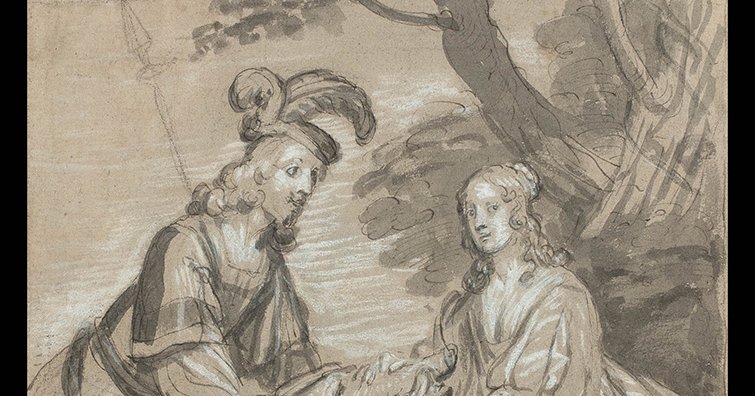
A Dismembered Album by Gerard van Honthorst (1592-1656): Unpublished Drawings and Reconstruction of a Corpus

Un album démembré de Gerard van Honthorst (1592-1656) : dessins inédits et reconstitution d'un corpus

An article in La Tribune de l'Art presents a significant expansion of the known corpus of drawings by Dutch Golden Age painter Gerard van Honthorst (1592-1656). Following the 2014 exhibition of twenty-seven drawings identified by the author, this study adds thirty-two more sheets—twenty-two of which are previously unpublished—as a preliminary step toward reconstructing a dismembered album. The research, conducted with direct observation and advanced imaging techniques (digital microscopy, ultraviolet, raking light), aims to restore the album's original order and shed light on the role of drawing in Honthorst's workshop and creative process.

Monk football and sperm whales: All About Photo awards winners 2026

The 11th edition of the All About Photo awards – The Mind's Eye has announced its 2026 winners, with first place awarded to Matt McClain for his image of an intern working in a historic millinery shop at Colonial Williamsburg, Virginia. The competition features a diverse range of winning photographs, including conceptual self-portraiture by Brooke Shaden, a street scene at the Benin-Togo border by France Leclerc, a train sleeping in Tunisia by Javier Arcenillas, freedivers with sperm whales by Khaichuin Sim, and young monks playing football in the Himalayas by Andrew Newey. Winners receive $5,000 in cash prizes.

Turin experiments with a robot guide in one of its historic palaces

Turin expérimente un robot-guide dans l’un de ses palais historiques

The Palazzo Madama in Turin, Italy, has introduced R1, a humanoid robot guide developed by the Italian Institute of Technology (IIT) in Genoa, to accompany visitors through the historic palace. Since late March, R1 has been testing its ability to navigate the building's constrained interiors, interact with diverse audiences, and provide explanations about artworks, artists, and the palace's history. The robot uses infrared cameras, lasers, pressure sensors, and a LED matrix to move, avoid obstacles, and communicate, with over 80% of users reporting positive interactions during the six-week trial. Previous tests occurred in 2022 and May 2024.