
filter_list Showing 4 results for "picasso" close Clear
search
dashboard All 53 museum exhibitions 20trending_up market 11article culture 7article local 5article policy 5article news 4candle obituary 1
date_range Range Today This Week This Month All
Subscribe

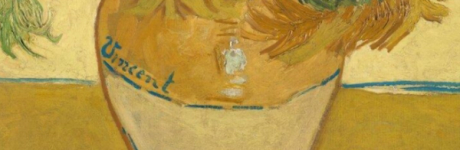
Why did Van Gogh sign his paintings as ‘Vincent’?

Art historian Julia Engelmayer has published a study titled 'Simply ‘Vincent’: An Overview of Van Gogh’s Signed Paintings' on the Van Gogh Museum's website, analyzing why and how Vincent van Gogh signed his works. The research reveals that only 133 of his 840 surviving paintings bear a signature (16%), an unusually low proportion for a 19th-century artist. Van Gogh signed with only his first name due to strained family relations and the difficulty non-Dutch speakers had pronouncing his surname. The study also highlights his predominant use of red signatures (on 75 works), angled signatures on over half of his signed pieces, and a distinctive horseshoe-shaped 'V' used during his Arles period.
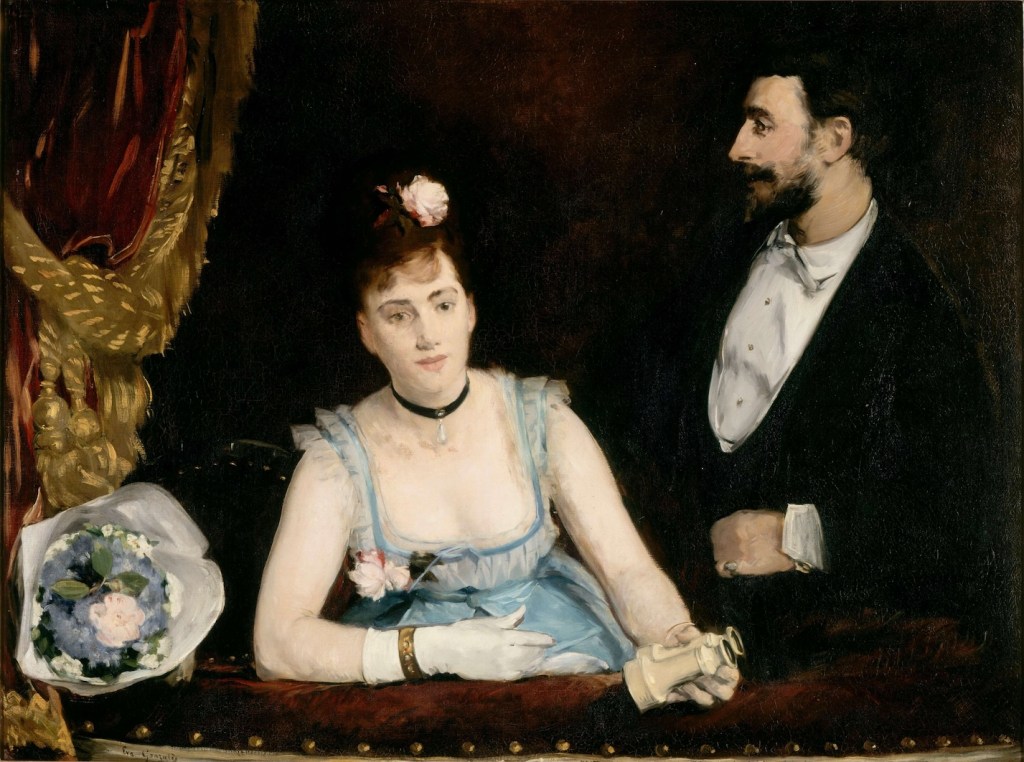
‘Woman Impressionist’ No More: A New Catalogue Raisonné Restores Eva Gonzalès’s Legacy

The Wildenstein Plattner Institute (WPI) has released a new digital catalogue raisonné for French painter Eva Gonzalès, correcting long-standing misattributions and omissions from the 1990 printed edition. The project reattributes works like *Apples in Basket* (previously assigned to Belgian painter Isidore Verheyden) and adds newly discovered pieces, including a portrait of Madame Georges Haquette and Gonzalès’s sketchbooks now held by the National Gallery of Art in Washington, D.C. WPI executive director Elizabeth Gorayeb emphasizes that the digital format allows for iterative updates and brings overlooked figures in Gonzalès’s orbit to light.

Kiev bombardé

The Journal des Arts issue of May 15, 2026, covers multiple art-world stories: the Venice Biennale opening amid controversy, France's final adoption of a law on restitution of colonial-era looted cultural property, the new V&A East museum targeting younger audiences, tensions in Giverny where Monet's legacy does not benefit all, and the structuring of the Nabis art market.

Relaxe pour le coupeur de tête

The latest issue of Le Journal des Arts (n°677, May 15, 2026) covers several major art-world stories: the Venice Biennale opening amid controversy, the final adoption of a French law on the restitution of cultural property looted during colonization, the V&A East museum's strategy to attract younger audiences, the uneven economic impact of Monet's legacy on the town of Giverny, and the structuring of the market for Nabis artists.