filter_list Showing 11 results for "the Tom" close Clear
dashboard All 33 article news 11museum exhibitions 8trending_up market 6article local 4article culture 2gavel restitution 1rate_review review 1
date_range Range Today This Week This Month All
Subscribe

The Untold Story of Peter Hujar and Paul Thek’s Intimate—and Complex—Bond

Andrew Durbin’s new dual biography, *The Wonderful World That Almost Was*, explores the profound and volatile relationship between photographer Peter Hujar and artist Paul Thek. Spanning from their meeting in the late 1950s to their deaths from AIDS-related complications in the 1980s, the book details how their shared experiences—most notably a 1963 visit to the Capuchin Catacombs in Palermo—fundamentally shaped their artistic trajectories. While Hujar captured the mummified remains in haunting photographs, Thek translated the encounter into his visceral "meat pieces" and wax effigies.
ancient egyptian relief disappears saqqara necropolis 1234756038

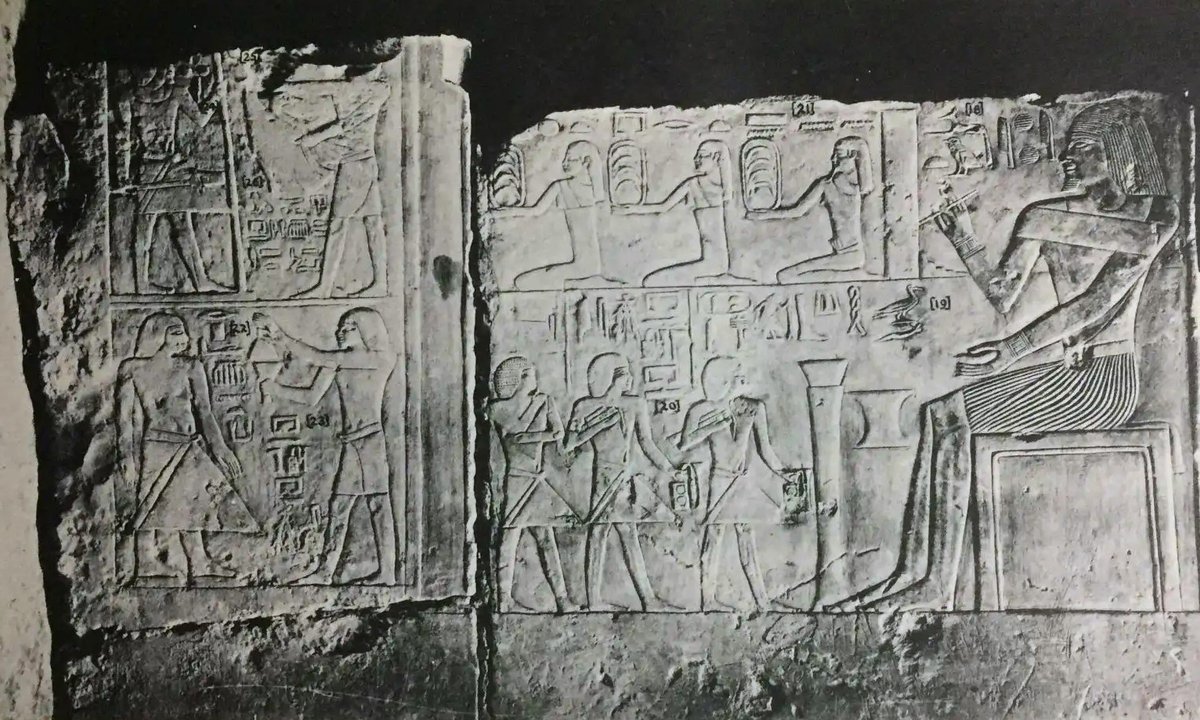
A 4,000-year-old limestone relief depicting the three seasons of the ancient Egyptian calendar has been stolen from the Saqqara necropolis near Cairo. The relief, measuring 16 by 24 inches, was cut from the wall of a Fifth Dynasty tomb belonging to high-ranking official Khenti Ka using an electric saw. Egypt's Ministry of Tourism and Antiquities reported the theft on Sunday, and an archaeological committee has been formed to inventory the tomb's contents while the matter is under investigation by the Public Prosecution.

ancient egyptians correction fluid book of the dead 1234776392

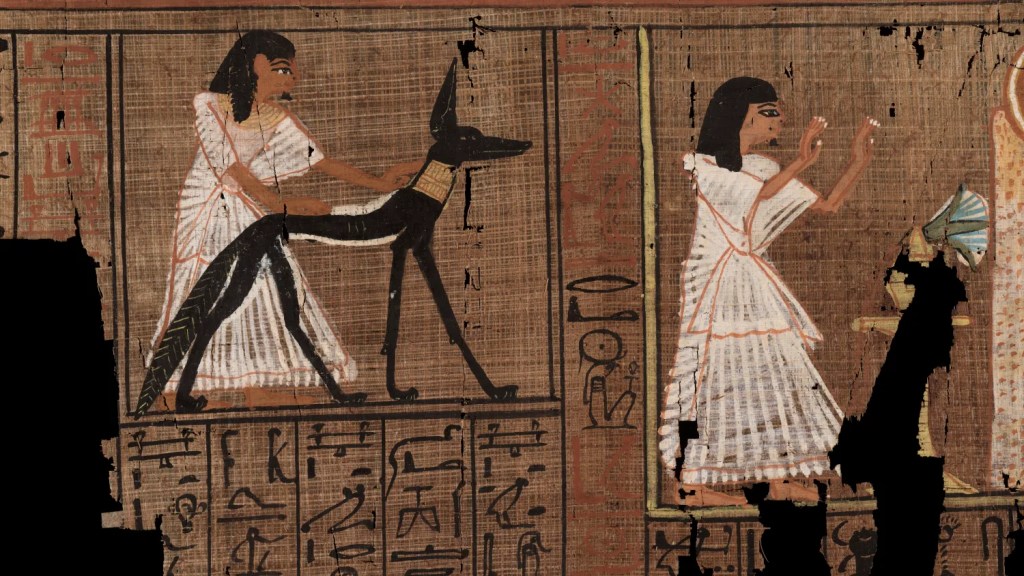
Researchers at the Fitzwilliam Museum have discovered that ancient Egyptian scribes used a primitive form of correction fluid to amend errors on papyrus scrolls. While preparing a 3,300-year-old copy of the Book of the Dead for the tomb of the scribe Ramose, conservators noticed white lines of huntite and calcite mixed with yellow orpiment used to slim down a painted jackal. This 'ancient Wite-Out' was specifically blended to match the cream-colored tone of fresh papyrus, concealing revisions made during the artistic process.

egyptian tomb reopens two decade renovation 1234755574

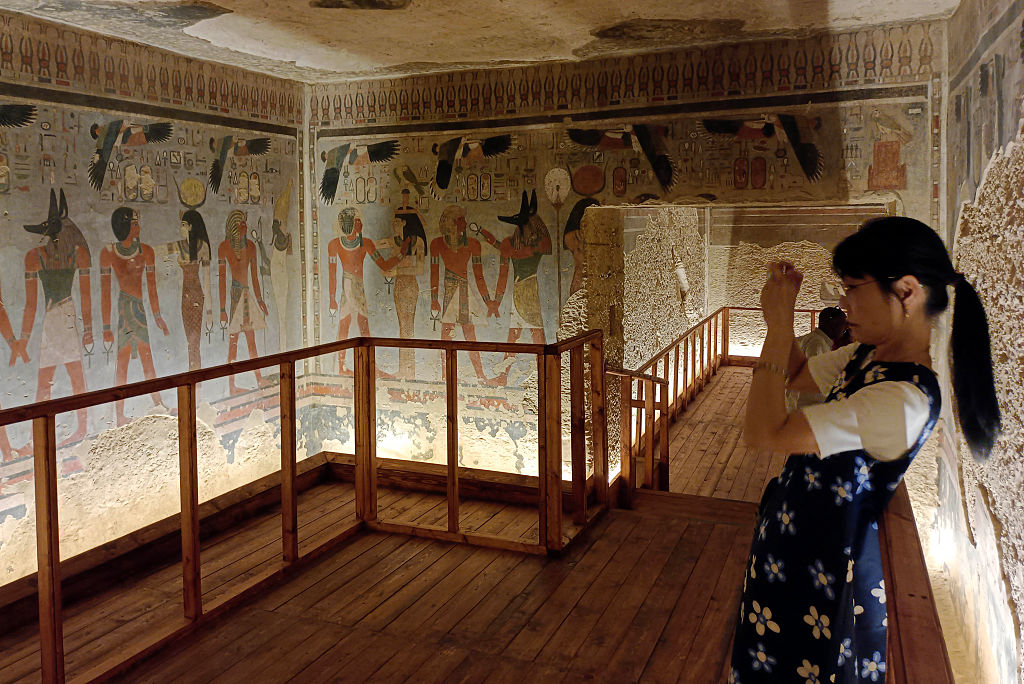
The tomb of Pharaoh Amenhotep III, one of the largest in Egypt's Valley of the Kings, has reopened to the public after a 20-year renovation led by a team from Waseda University in Tokyo. Discovered in 1799 by French engineers and looted in antiquity, the tomb features newly restored wall paintings depicting the pharaoh with ancient Egyptian gods, the structural frame of his sarcophagus, and burial chambers for his two wives. The reopening took place on October 4, 2025.

grand egyptian museum king tut treasures 2643649

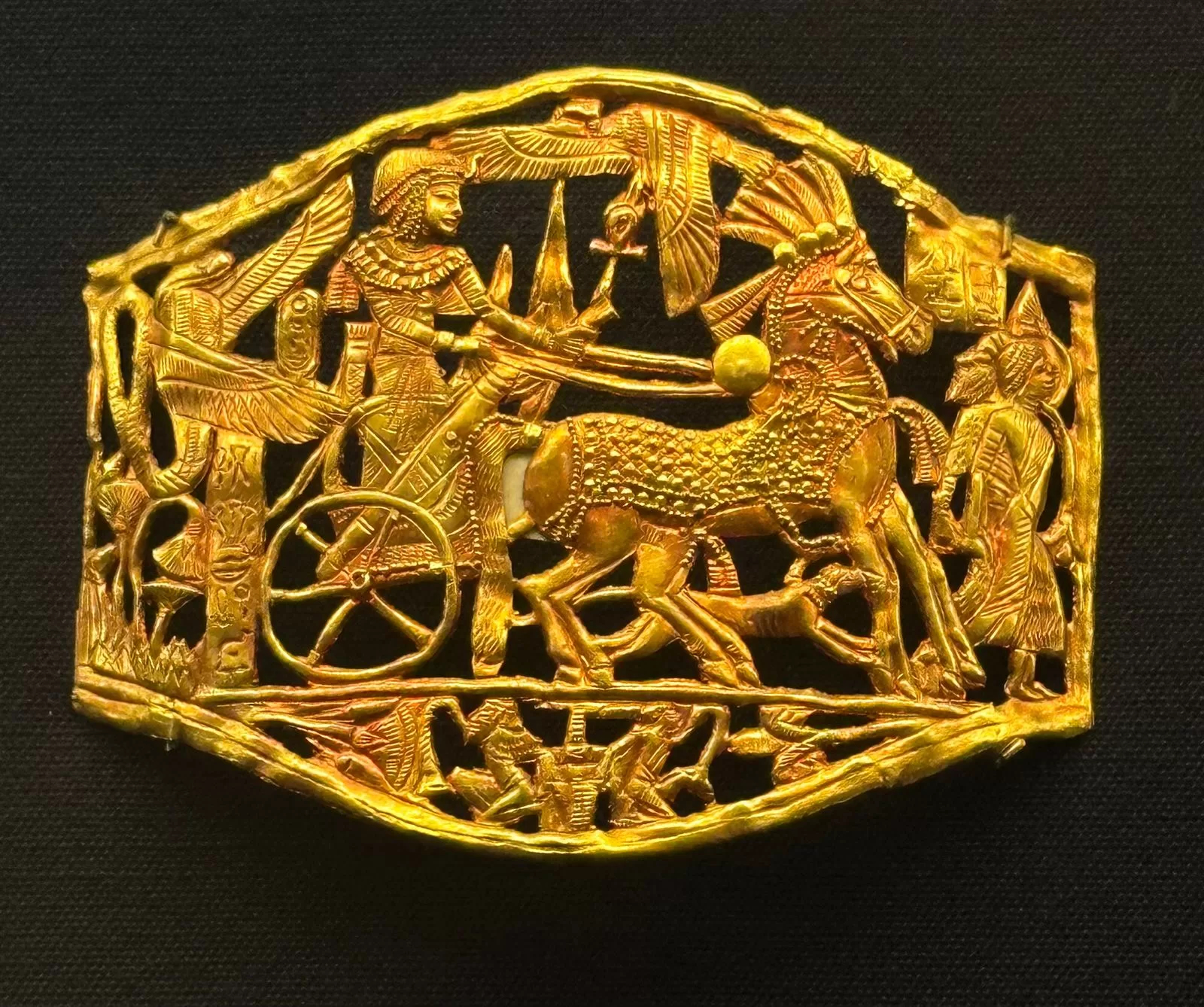
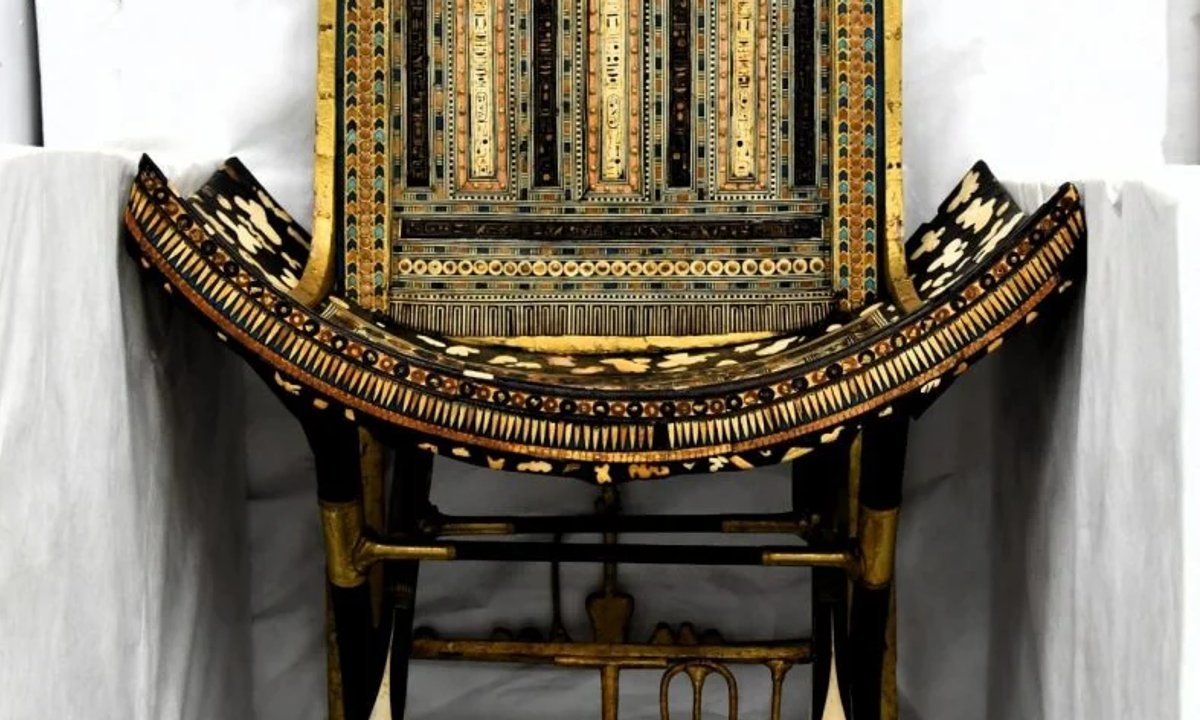
The Grand Egyptian Museum (GEM) in Giza has received another 163 artifacts from the tomb of King Tutankhamun, transferred from the Egyptian Museum in Cairo's Tahrir Square. This delivery includes the pharaoh's ceremonial chair, gilded footstool, canopic shrine, and jewelry, bringing the museum closer to staging the first-ever complete display of the boy king's treasures. The artifacts were transported with care and underwent condition reports at GEM's conservation labs. The final piece to arrive will be Tutankhamun's funerary mask, ahead of the museum's long-awaited grand opening on July 3.

amenhotep iii colossi of memnon restoration 2729898

Egypt’s Ministry of Tourism and Antiquities unveiled the newly restored Colossi of Memnon, two monumental quartzite statues of Pharaoh Amenhotep III, at the entrance of his 86-acre Luxor tomb site. The restoration, led by German-Armenian archaeologist Hourig Sourouzian and involving Waseda University, the German Archaeological Institute in Cairo, Johannes Gutenberg University Mainz, and the World Monuments Fund, began in 2006 after decades of damage from earthquakes, floods, and looting. The team cleaned, 3D-scanned, and reassembled the statues using original fragments and new additions, also uncovering nearly 300 other sculptures and fragments. The Colossi now stand 45 feet tall, with the pharaoh depicted in royal regalia alongside smaller figures of his wives.

gordion royal tomb king midas 2661601

Archaeologists from the Penn Museum and Ankara Hacı Bayram Veli University have discovered an 8th-century B.C.E. royal tomb in Gordion, Turkey, containing 88 well-preserved objects including bronze cauldrons, vessels, and iron tools. The tomb, located near the famous Midas Mound, suggests a connection to the legendary King Midas or his family, and its cremation burial method predates previous evidence of elite cremation in the region by over a century.

Limestone relief disappears from Egypt’s Saqqara necropolis

A rare limestone relief depicting the vizier Khentika painting the three seasons of the ancient Egyptian calendar has vanished from his tomb in the Saqqara necropolis. The tomb, discovered in the 1950s and used for storage until 2019, was found to be missing the relief by a British mission in May. Egypt's Ministry of Tourism and Antiquities has announced the theft and referred the matter to the public prosecutor for investigation.

egypt prince waserif re tomb discovered saqqara 1234739581

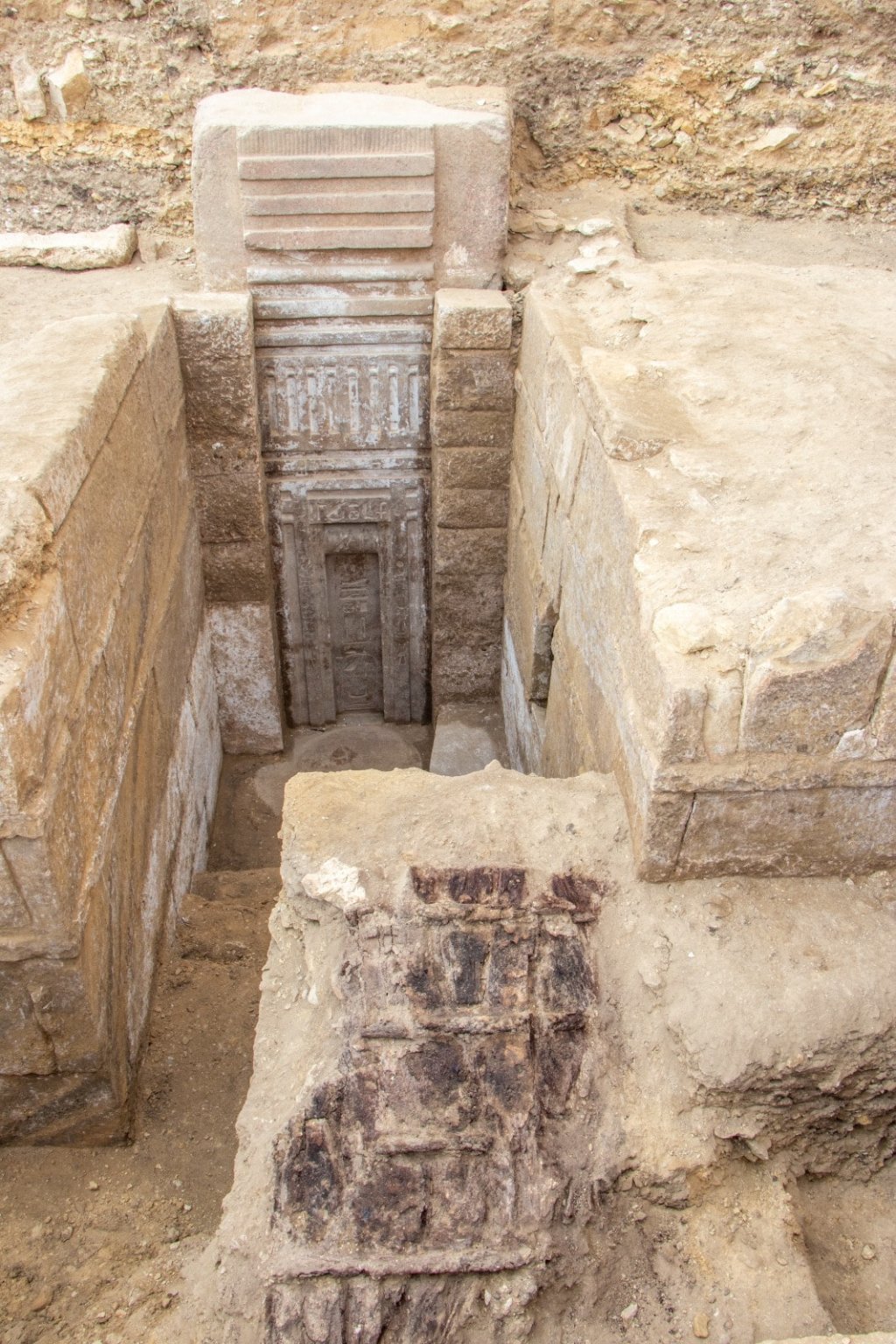
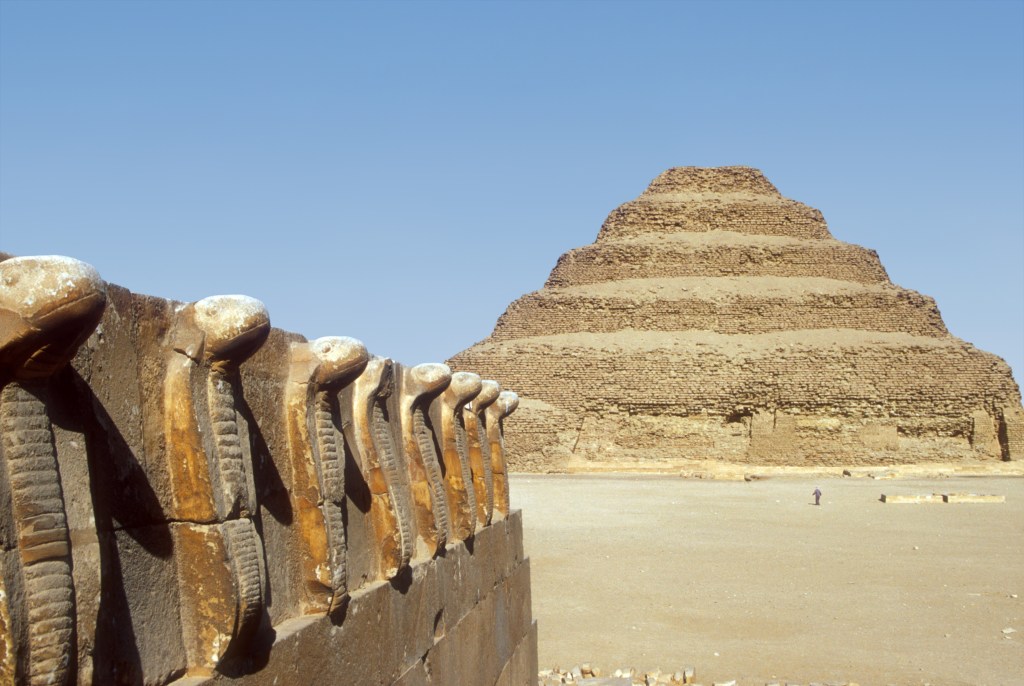
Archaeologists in Egypt have discovered the tomb of Prince Waserif Re, son of King Userkaf, founder of the Fifth Dynasty, at the Saqqara necropolis. The multi-chamber tomb features a 15-foot-tall pink granite false door inscribed with the prince's name and titles, a red granite offering table, and statues of Third Dynasty pharaoh Djoser, his wife, and ten daughters that were moved there during the Late Period. A black granite statue with hieroglyphic inscriptions from the 26th Dynasty suggests the tomb was reused nearly 2,000 years after its original construction. The joint Egyptian mission was led by the Supreme Council of Antiquities and the Dr. Zahi Hawass Foundation for Antiquities and Heritage.

zapotec tomb unearthed oaxaca mexico 600 ce 1234771635

Archaeologists in Oaxaca, Mexico, have discovered a remarkably well-preserved Zapotec tomb dating to around 600 CE. The tomb, found in San Pablo Huitzo, features intricate carvings, including a sculpture of an owl with a human head in its beak, and multicolored murals depicting a procession of figures.

More than 160 Tutankhamun treasures have arrived at the Grand Egyptian Museum

More than 160 treasures from the tomb of King Tutankhamun have been transferred from the Egyptian Museum in Cairo to the Grand Egyptian Museum in Giza, ahead of its long-awaited opening on 3 July. The items include a ceremonial chair inlaid with ivory and gold and an accompanying footstool decorated with gilded motifs. The Egyptian Ministry of Tourism and Antiquities states the move is part of a plan to display the entire Tutankhamun collection together for the first time. The famous golden mask and golden coffins remain at the Cairo museum for now and will be the last items moved.