
filter_list Showing 3 results for "Wire" close Clear
search
dashboard All 124 museum exhibitions 71article news 14article local 11trending_up market 9article culture 8rate_review review 3candle obituary 3person people 3gavel restitution 1article policy 1
date_range Range Today This Week This Month All
Subscribe

melvin edwards sculptor dead

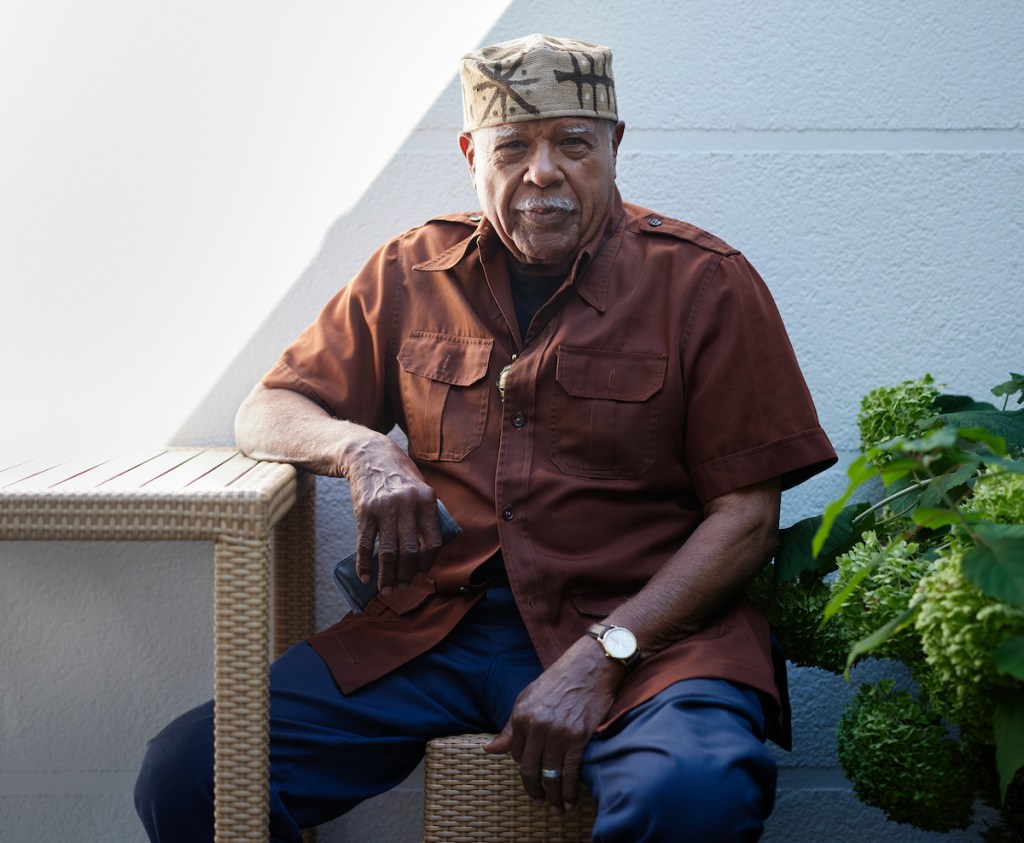
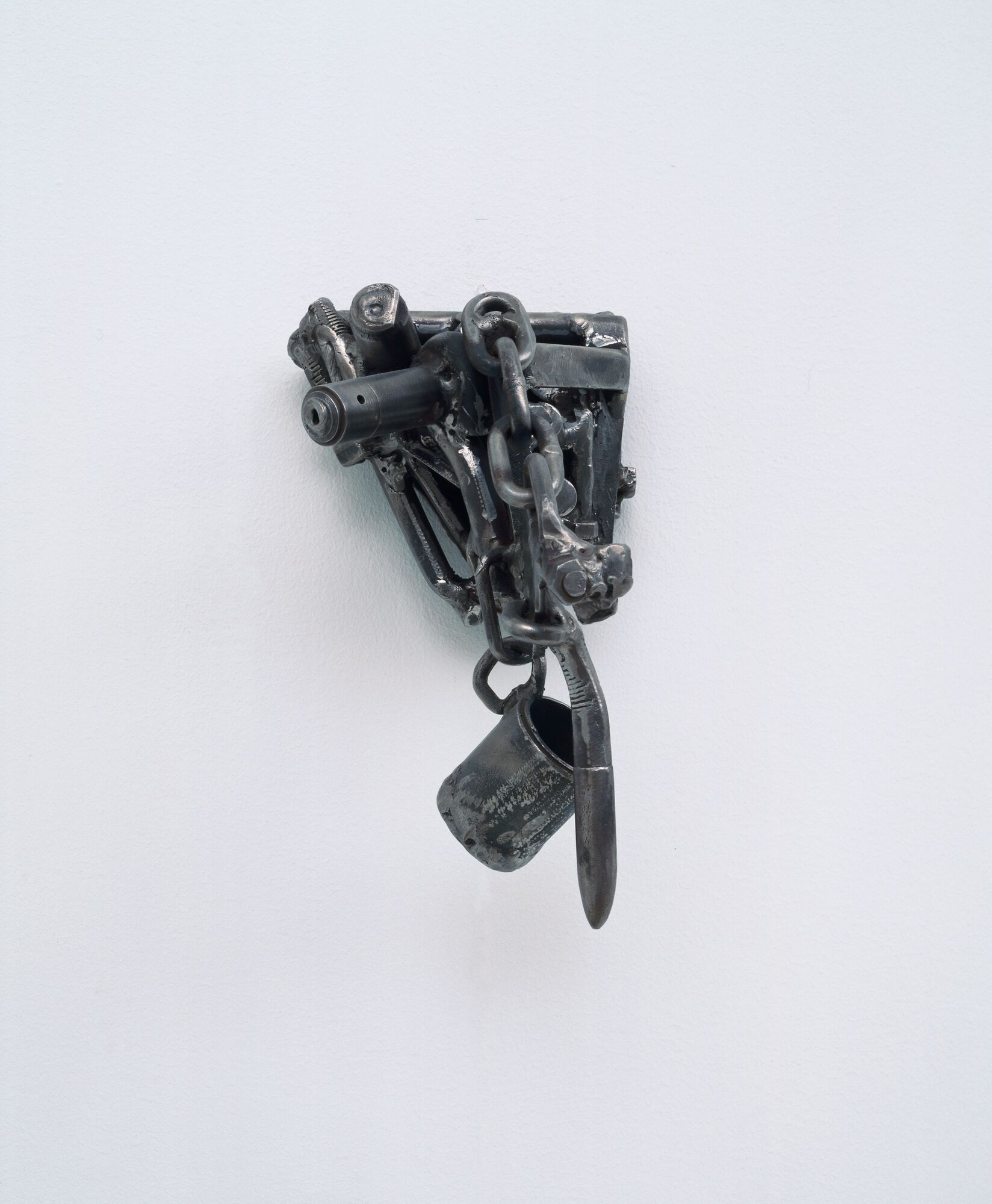
Melvin Edwards, the pioneering sculptor known for his powerful steel assemblages and "Lynch Fragments" series, has died at the age of 88 in Baltimore. Edwards was a trailblazer who reframed Minimalism by infusing it with political and cultural weight, becoming the first Black sculptor to have a solo exhibition at the Whitney Museum in 1970. His work utilized industrial materials like chains and barbed wire to address histories of enslavement, anti-Black violence, and global conflict while maintaining a sophisticated abstract language.
Remembering Melvin Edwards (1937–2026)

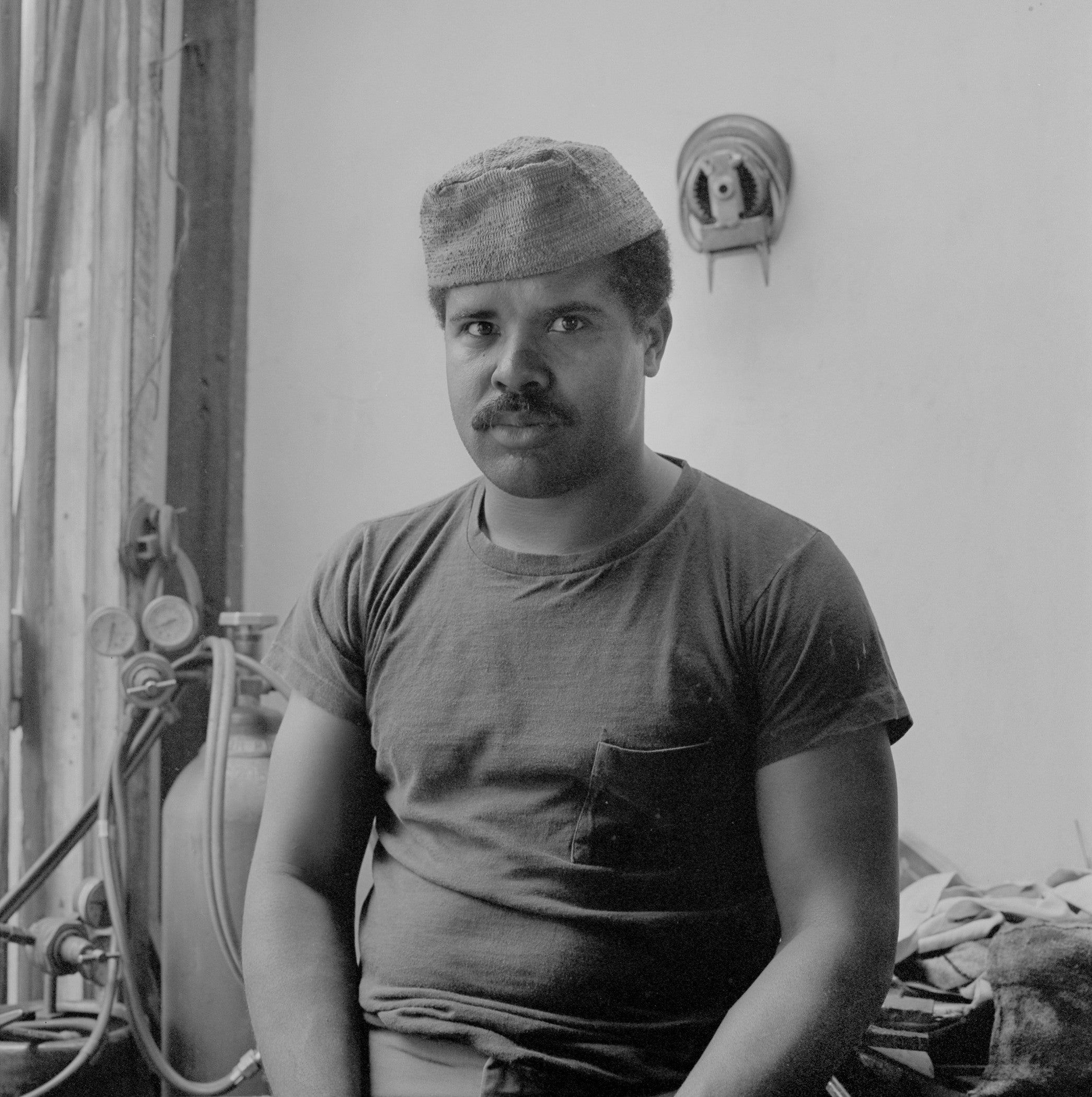
The art world mourns the passing of Melvin Edwards, a pioneering American sculptor who died on March 30, 2026. Known for his mastery of steel, iron, and barbed wire, Edwards rose to prominence in the 1960s with works that balanced formal abstraction with the heavy symbolism of chains and industrial materials. His career was marked by significant milestones, including being the first African American sculptor to have a solo exhibition at the Whitney Museum in 1970 and his long-standing presence in the permanent collection of the Museum of Modern Art.

In Memoriam: Melvin Edwards (1937–2026)

Renowned sculptor Melvin Edwards, a pioneer of the Black Art Movement who transformed welded steel into powerful explorations of African American identity, has passed away at the age of 88. Edwards was best known for his "Lynch Fragments," a series of over 300 compact, wall-mounted assemblages that utilized industrial materials like chains, meathooks, and barbed wire to evoke the history of racial violence and the struggle for civil rights. His career spanned over six decades, beginning with a breakout solo show at the Santa Barbara Museum of Art in 1965 and a landmark exhibition at the Whitney Museum of American Art in 1970.