filter_list Showing 6 results for "ARTE" close Clear
search
dashboard All 130 museum exhibitions 74article culture 12trending_up market 12article local 10article news 6person people 6article policy 5rate_review review 3candle obituary 2
date_range Range Today This Week This Month All
Subscribe

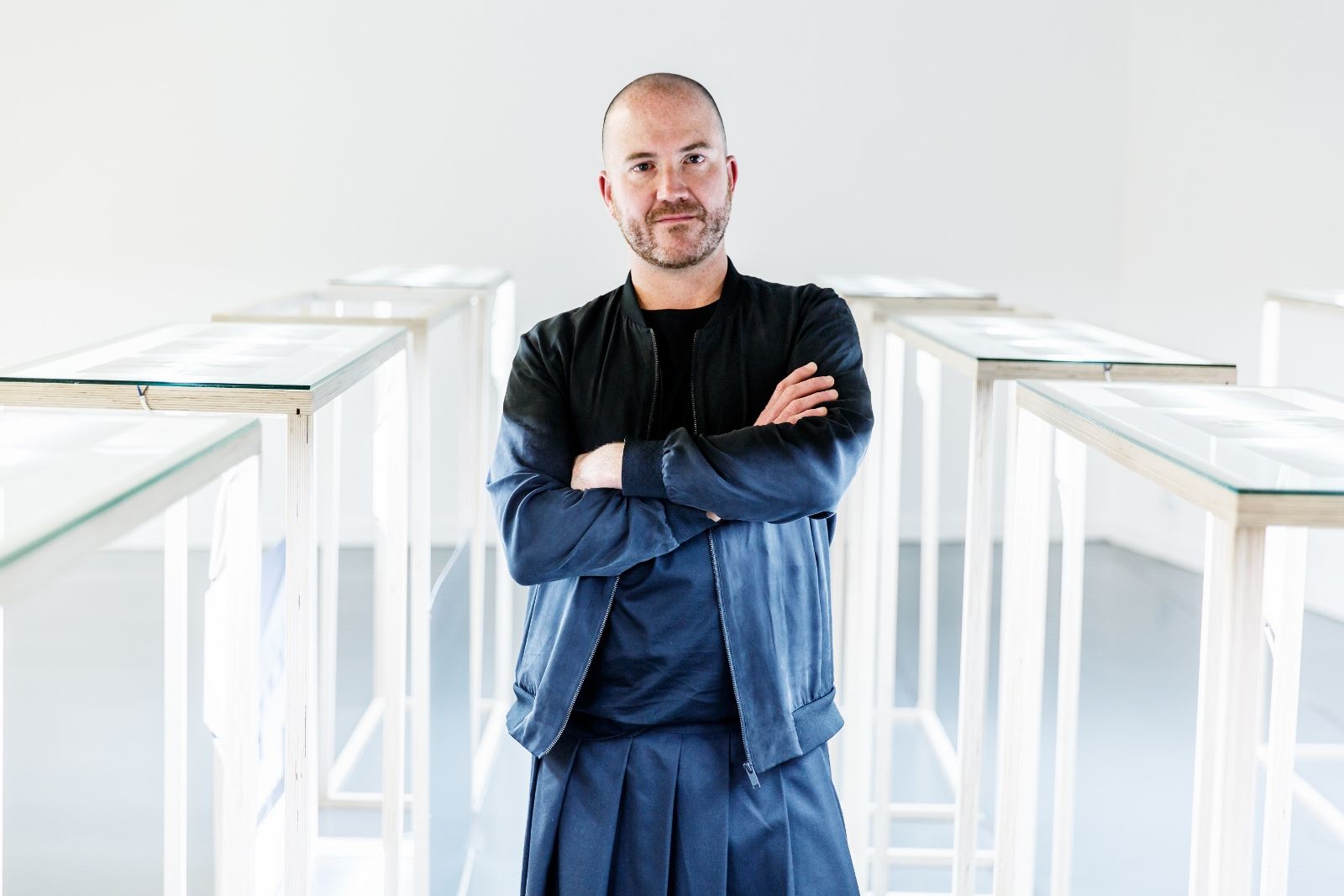
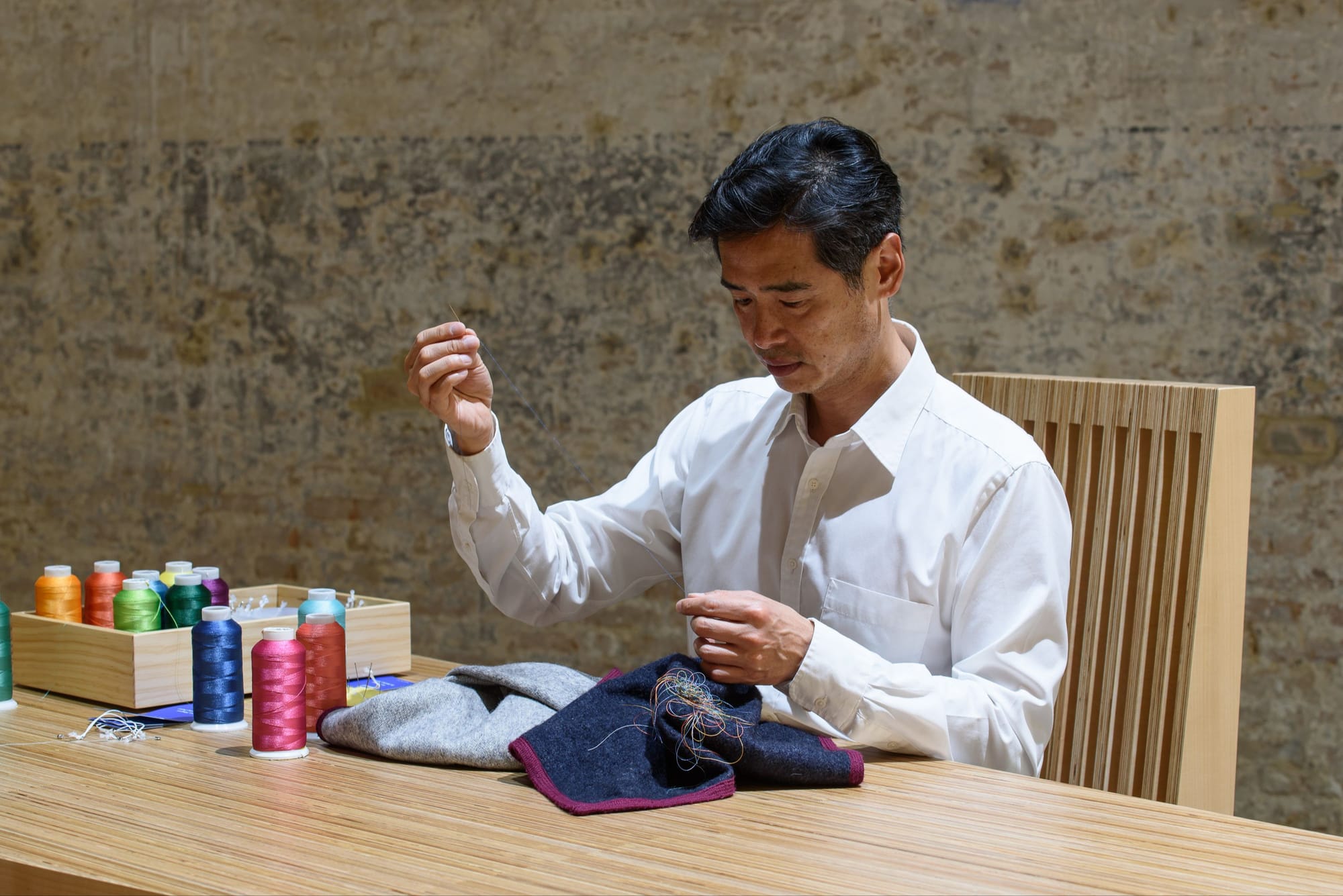
When Beauty Appears: Lee Mingwei Interviewed by Rhana Devenport

Taiwanese American artist Lee Mingwei presents his largest non-museum exhibition to date, "Lorsque La Beauté Paraît (When Beauty Appears)," at Perrotin in Paris. The show brings together seven invitational projects, including works like *The Mending Project* (2009–) and *The Moving Garden* (2009–). In an interview with Australian curator Rhana Devenport, Lee discusses the political dimensions of beauty, the restorative power of gift-giving, and the courage required for small acts of kindness among strangers. The exhibition is curated by Thierry Raspail, co-founder of the Lyon Biennale and director of the Lyon Museum of Contemporary Art.
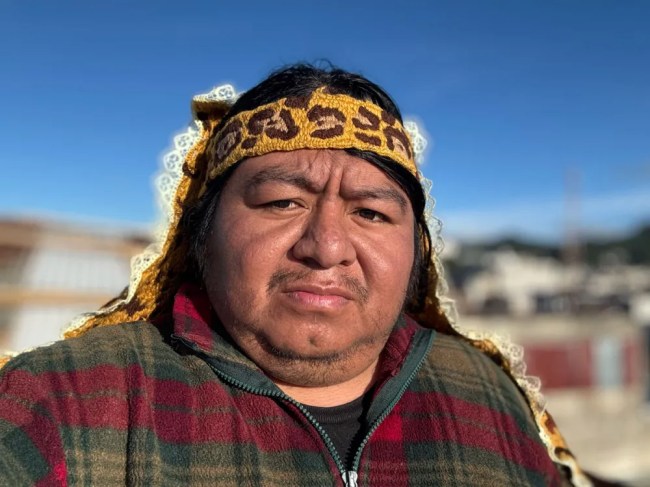
Edgar Calel Honored with $75,000 Sam Gilliam Award

The Dia Art Foundation and the Sam Gilliam Foundation have announced Edgar Calel as the winner of the 2026 Sam Gilliam Award. The Guatemala-based artist and poet, born in 1987 in Chi Xot (San Juan Comalapa), will receive $75,000 and participate in a public program at a Dia location this fall. Calel, of Maya Kaqchikel heritage, works across painting, drawing, sculpture, and performance, and is known for monumental installations reflecting Mayan cosmovision and themes of ownership and stewardship. He was selected by a panel including Dia curators Jordan Carter and Matilde Guidelli-Guidi, Elvira Dyangani Ose, Annie Gawlak, Shanay Jhaveri, and Clara Kim.

Edgar Calel wins 2026 Sam Gilliam Award

Edgar Calel, a Maya Kaqchikel artist from Chi Xot, Guatemala, has been awarded the 2026 Sam Gilliam Award, as announced by the Dia Art Foundation and the Sam Gilliam Foundation. The prize includes $75,000 and a public programme at a Dia Foundation location this autumn. Calel’s multidisciplinary practice—spanning drawing, sculpture, installation, and performance—centers on ancestral knowledge, Indigenous experience, and the legacies of colonialism. He was selected by a jury of curators and foundation leaders, including Jessica Morgan, director of the Dia Art Foundation.

VARINIA BRODSKY ZIMMERMANN: “ENTIENDO AL MUSEO COMO UN CAMPO DE REVERBERACIÓN”

Varinia Brodsky Zimmermann, director of the Museo Nacional de Bellas Artes de Chile, is interviewed as part of a series on contemporary museums in Latin America. She describes the museum as a "field of reverberation" that amplifies social, cultural, and political questions without reacting mechanically to demands. The conversation covers structural challenges facing public museums in Chile, including budget precarity and suspended exhibition projects, and Brodsky advocates for more permeable, horizontal, and sustainable institutions that maintain critical depth while engaging diverse communities.

BLANCA DE LA TORRE Y EL “MUSEO ANFIBIO”: “A MÍ ME INTERESA EL PÚBLICO, NO NECESARIAMENTE LAS MASAS”

Blanca de la Torre, director of the Institut Valencià d’Art Modern (IVAM), discusses her concept of the "Museo Anfibio" (Amphibious Museum) in an interview for Artishock Revista's series on Ibero-American museum leaders. She proposes reimagining the museum as a relational institution that mediates between physical and symbolic territories, communities, and ecosystems, structured around two axes: Territories-Earth and Aquatic Environments. The interview is part of a series leading up to International Museum Day, with previous entries including Nicolás Gómez Echeverri of the Banco de la República de Colombia.

MANUEL SEGADE: “PRESERVAR LA COMPLEJIDAD DEL MUNDO ES UNA DE LAS TAREAS FUNDAMENTALES DEL MUSEO”

Manuel Segade, director of the Museo Nacional Centro de Arte Reina Sofía, is interviewed as part of a series for International Museum Day. He discusses the museum's role as a space historically tied to critique, conflict, and negotiation with tradition, emphasizing the need to preserve the world's complexity. Segade advocates for institutions that can speak on multiple levels, from introductory lectures to para-academic research, and stresses transforming internal structures toward more horizontal and interdependent models.