filter_list Showing 4 results for "PST ART" close Clear
search
dashboard All 22 museum exhibitions 8article news 4person people 4article policy 4article culture 1rate_review review 1
date_range Range Today This Week This Month All
Subscribe

nea funding cuts

President Donald Trump has proposed eliminating the National Endowment for the Arts (NEA), and arts organizations across the U.S. are already feeling the impact. After a White House budget request in May that excluded the NEA, dozens of institutions received abrupt termination notices for their grant applications, with the NEA citing a shift in policy priorities to focus on projects reflecting the nation's artistic heritage as prioritized by the President. In protest, many senior NEA staff resigned or were asked to retire, leaving the agency in disarray. The cuts are part of broader federal efforts to defund cultural agencies, including the Kennedy Center, the Smithsonian, and the National Endowment for the Humanities, which has seen a 70-80 percent staff reduction and canceled over a thousand grants. Private foundations like the Mellon Foundation and the Helen Frankenthaler and Andy Warhol Foundations have launched emergency funding programs, but the consequences for artists, educators, and community organizations are immediate and destabilizing.

los angeles institutions green protocol

A coalition of Los Angeles’s leading art institutions, including the Getty, LACMA, MOCA, and the Hammer Museum, has officially pledged to adopt the Bizot Green Protocol. This collective commitment, which also includes the gallery Hauser & Wirth, establishes climate-minded guidelines for museum operations such as widening temperature and humidity parameters for galleries and reducing air travel for loans. The move was largely catalyzed by the devastating impact of recent wildfires on the region's cultural infrastructure.

Why ‘devastating’ climate control rules for museum collections need a rethink

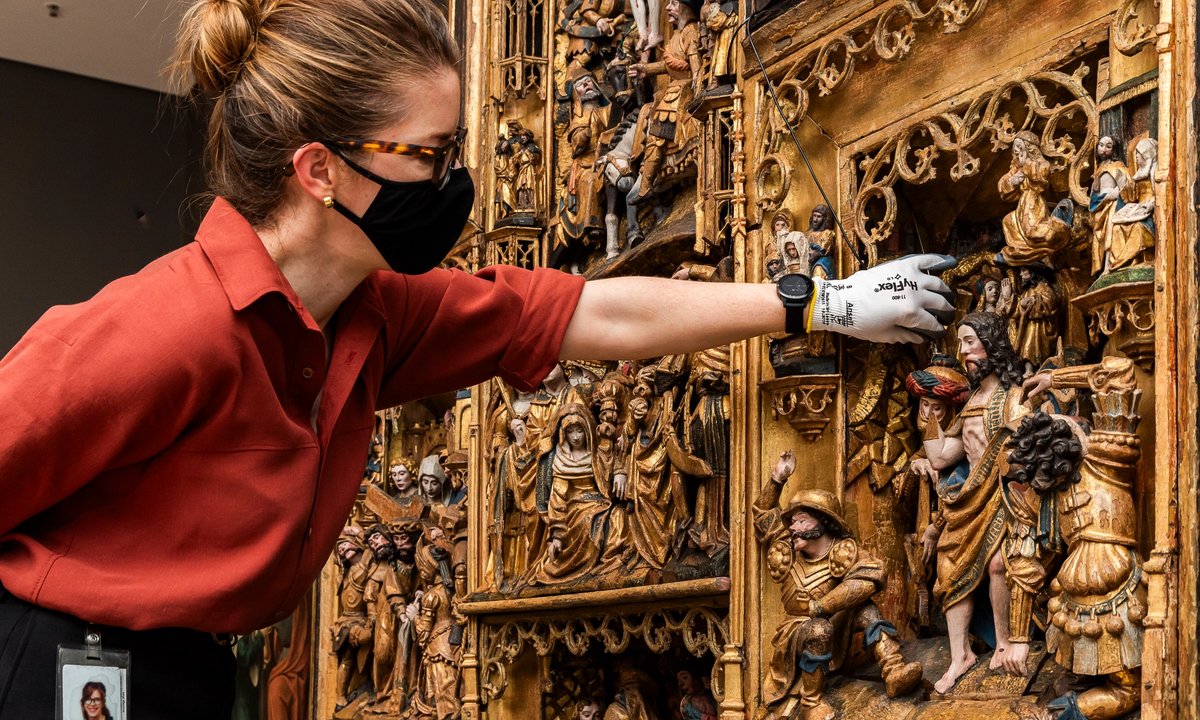
Museums are rethinking decades-old climate control standards that dictate strict temperature and humidity ranges for preserving collections. These guidelines, originally based on 1970s research for paintings in London, have been widely adopted globally despite being designed for temperate climates. Conservator Caitlin Southwick of Ki Culture argues this is a "big misunderstanding," as the standards were never intended for diverse collections like stone in Brazil or tapestries in Italy. Climate control systems now account for 60-70% of a typical museum's energy consumption, creating high costs and carbon footprints.

Climate report from Getty’s PST Art programme urges cultural organisations to confront exhibitions’ impacts

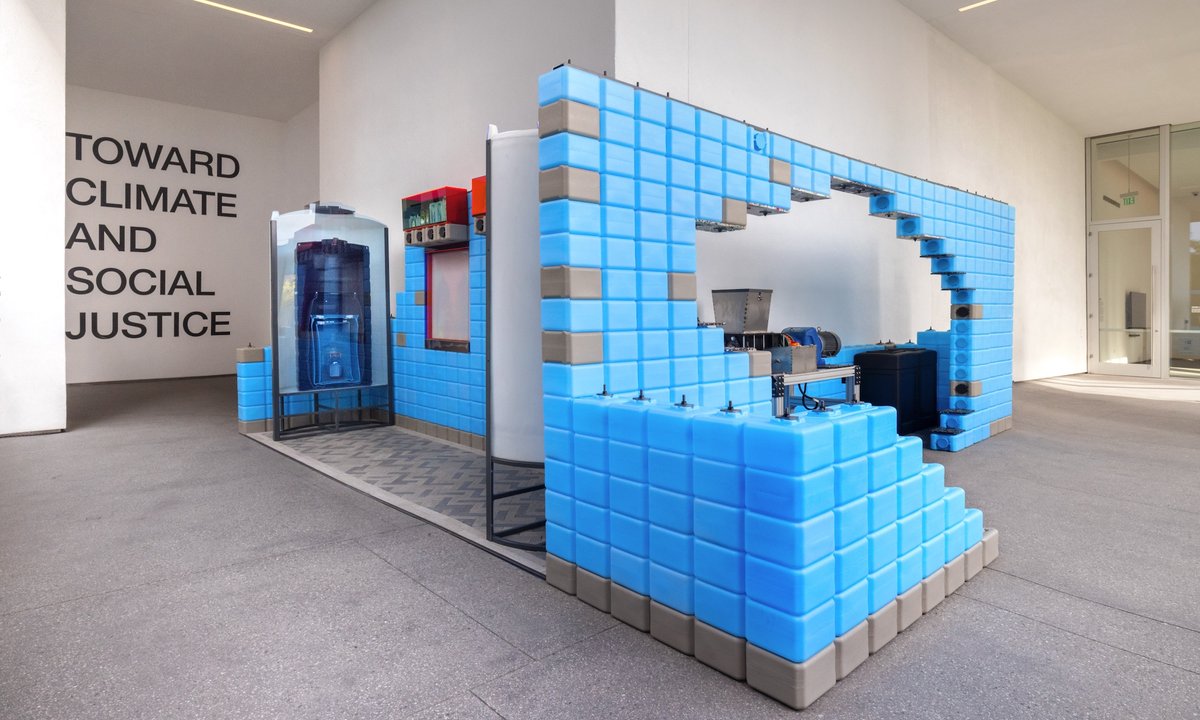
The Getty has released a comprehensive climate impact assessment of its PST Art initiative, titled Art & Science Collide (2024-25), based on its inaugural Climate Impact Program (CIP). Developed with climate adviser Laura Lupton and artist Debra Scacco, the program provided webinars, guidance, and networking to participating institutions, with over two-thirds completing a climate impact report. Key findings show that air travel and air freight of art are the most carbon-intensive activities, and shifting to sea freight could reduce total emissions by 18%. Many institutions reduced waste through simple, low-cost changes, with some committing to permanent sustainability practices.