search
dashboard All 1118 museum exhibitions 594article local 188article culture 90article news 78trending_up market 56person people 33candle obituary 28rate_review review 24article policy 21gavel restitution 6
date_range Range Today This Week This Month All
Subscribe

Fee or free? How entry charges affect museums in the US

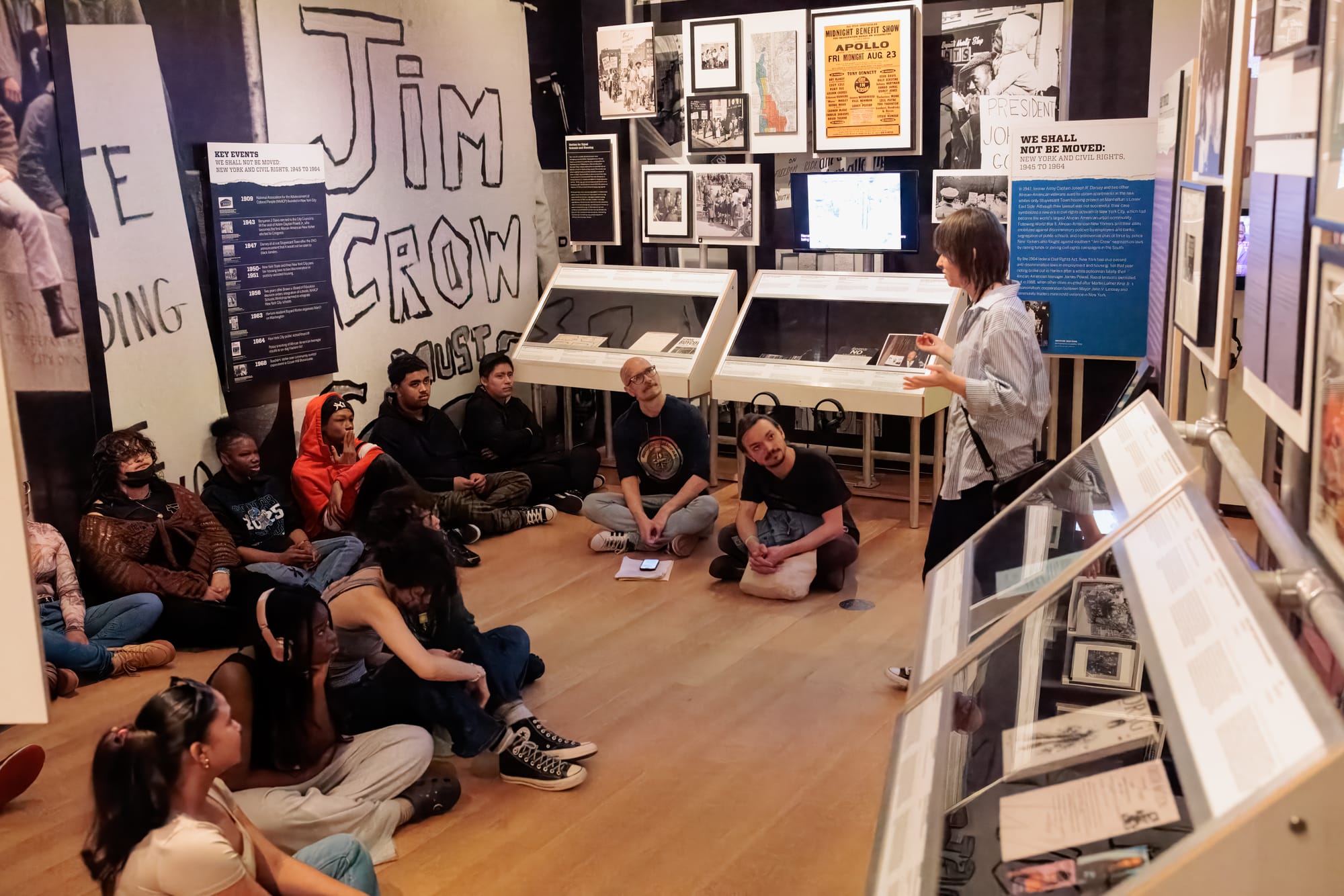
The article examines the financial impact of eliminating or reducing admission fees at US museums, using Baltimore's Walters Art Museum and Baltimore Museum of Art as case studies. While the Walters saw a 45% attendance increase and a tripling of minority participation after going free in 2006, the surge did not generate enough ancillary revenue from merchandise, food, or memberships to offset lost ticket income. Over time, attendance at both institutions declined—by 18.6% at the Walters and 12.7% at the BMA—according to a 2021 survey. Experts like former Met president Daniel Weiss and economist John Silvia argue that free admission often fails to meaningfully boost visitation and can strain museum finances.

What is actually the goal of Yad Vashem in Germany?

"Was ist eigentlich das Ziel von Yad Vashem in Deutschland?"

Jens-Christian Wagner, director of the Buchenwald and Mittelbau-Dora memorials, has expressed skepticism about plans for a new branch of the Israeli Holocaust memorial Yad Vashem in Munich and Leipzig. In an interview with Bayerischer Rundfunk, he criticized the lack of transparency in the process and noted fundamental differences between Holocaust education in Germany and Israel, where the former addresses descendants of perpetrators and the latter focuses on victims' perspectives. Educator Meron Mendel also raised concerns, warning that Yad Vashem is not independent of the Israeli government and that current political tensions could influence educational content. The planned center, Yad Vashem's first overseas branch, aims to strengthen Jewish perspectives in German memory culture.

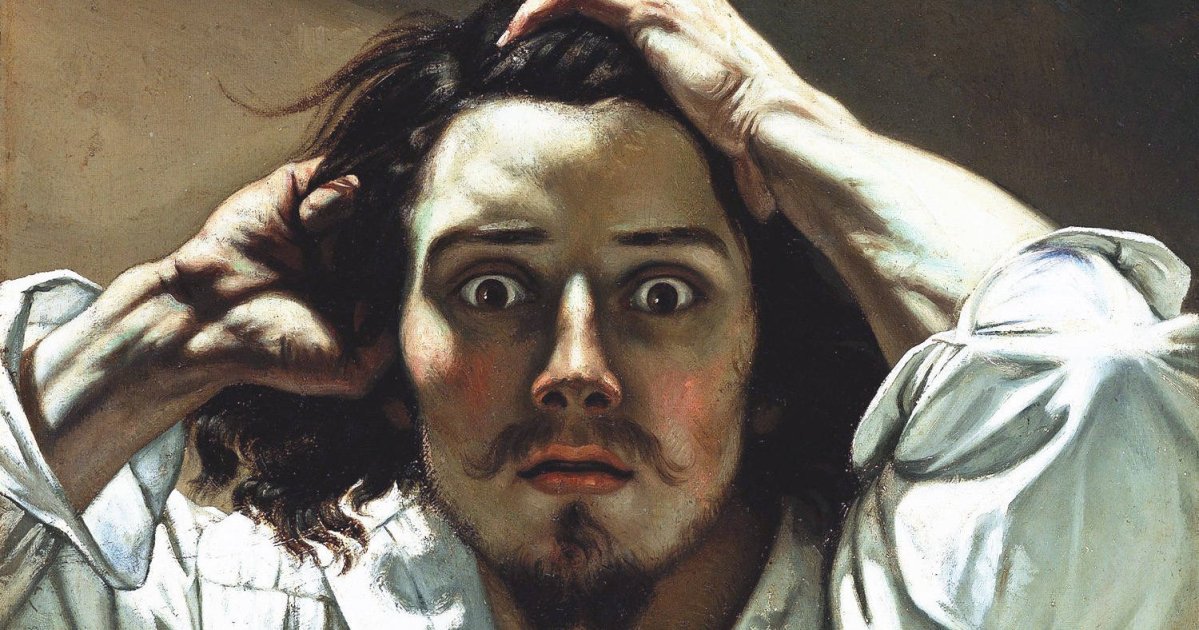
Pourquoi ce secret autour du Désespéré de Gustave Courbet ?

Gustave Courbet's painting *Le Désespéré* (1843-1845), owned by Qatar Museums Authority, was loaned to the Musée d'Orsay in Paris. The French art publication La Tribune de l'Art requested the loan agreement under transparency laws, but the museum refused, citing a confidentiality clause. The publication then appealed to the Commission d'Accès aux Documents Administratifs (CADA), which has not responded for five months. Separately, the heritage association Sites & Monuments made a similar request to the Ministry of Culture and received a negative response from CADA in March 2026, citing a Conseil d'État ruling that disclosure could harm France's foreign policy.

British Museum director responds to pushback after Jewish Culture Month event postponed

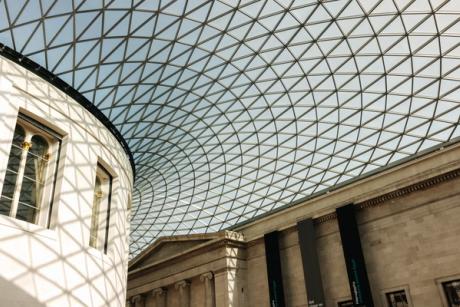
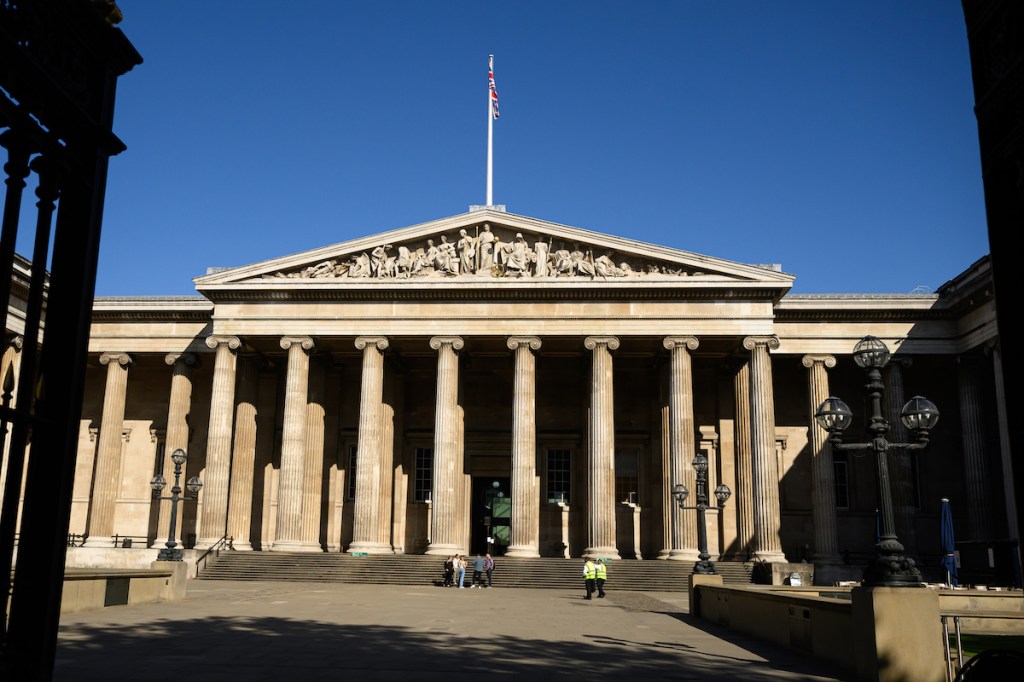
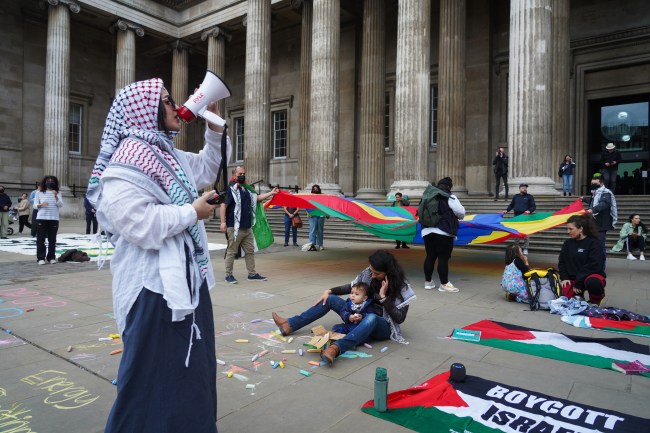
British Museum director Nicholas Cullinan defended the postponement of a Jewish Culture Month talk scheduled for 28 May, citing concerns over planned protests. The event, led by curator Paul Collins on the ancient kingdoms of Israel and Judah, was postponed after the museum estimated up to 50% of registered attendees were suspected protesters. Critics including historian Simon Schama called the decision wrong, but Cullinan argued the talk was not cancelled and that the museum must not abandon difficult conversations.

The Château de Compiègne continues its modernization

Le château de Compiègne poursuit sa modernisation

The Château de Compiègne, a historic French palace built for Louis XV and later frequented by Napoleon I and Napoleon III, is undergoing a major modernization program. Criticized in a 2024 report by the Cour des comptes (French Court of Auditors) for poor conservation conditions, the institution has launched a series of renovations. New period-room galleries opened in late March, displaying artworks from storage across six rooms evoking 17th- to 19th-century French taste. The restoration of the imperial library (2023–2025, €3 million) is complete, while work continues on the Louis-Philippe theater and future projects include a park facade restoration (by 2027–2028) and a complete overhaul of the Musée de la voiture, with total costs estimated at €38 million.

Fixing the Potholes in NYC’s Cultural Infrastructure

New York City's cultural institutions operate within a public-private model dating to 1869, stewarding city-owned assets to deliver free and low-cost access to millions. The article argues that despite serving over 4 million people annually at no cost, generating $110 billion in economic activity, and supporting 15,700+ jobs, culture receives only 0.21% of the city's budget—below its long-term average. Recent investments included $75 million, but $30 million remains one-time funding, creating instability for small and community-based organizations.

A report on museum security full of biases

Un rapport sur la sécurité des musées plein de partis pris

A French parliamentary report on museum security, authored by deputy Alexis Corbière of La France Insoumise, has been criticized for ideological bias. The report, titled "Des musées plus sûrs. Pour protéger le patrimoine de ceux qui n’en ont pas," argues for direct public administration of regional museums, opposes differentiated pricing for non-European visitors, and accuses the Louvre of prioritizing spectacle over security. It specifically targets Louvre president Laurence des Cars and her predecessor Jean-Luc Martinez, with testimony from Louvre curator Côme Fabre fueling the critique. The report also contrasts the Louvre's handling of security with that of the City of Paris, which was praised for its crisis management after the 2010 theft at the Musée d'Art Moderne de Paris, despite a subsequent theft at Musée Cognacq-Jay in 2024.

Arts Council England abolishes beleaguered flagship strategy

Arts Council England (ACE) has scrapped its flagship 10-year strategy, Let’s Create, following a government-commissioned review led by Labour peer Margaret Hodge that criticized the framework as overly bureaucratic and stifling creativity. ACE has introduced a new interim strategic framework based on three principles—support excellence, deliver for everybody, and reach everywhere—aimed at making more impactful funding decisions with finite resources. The change comes as chair Nicholas Serota prepares to step down on 31 July, with the UK Department for Culture, Media and Sport overseeing his replacement.

‘Lost forever, all because of this new tax’: fears for UK church heritage as VAT relief ends

The UK government has ended the Listed Places of Worship Grant Scheme, a 25-year program that allowed churches to reclaim VAT on repair and maintenance work. Heritage experts warn that this policy change, which effectively adds a 20% surcharge to conservation projects, is causing delays, reassessments, and cancellations of restoration work. Immediate casualties include the Peel Tower at St Cuthbert’s Church in Cumbria and Phoebe Anna Traquair’s 1905 murals at St Peter’s Church in Nottinghamshire, both of which face funding shortfalls due to the new tax burden.

British Museum Reschedules Postponed Israel Lecture to June Following Fears of Protests

The British Museum postponed a planned lecture titled "The Ancient History of Israel and Judah," originally scheduled as part of Jewish Culture Month, citing fears that a "significant proportion" of expected attendees intended to protest and disrupt the event. The museum announced the delay on Thursday, stating it acted to protect the event's safety and integrity, but did not initially disclose the lecture's subject. On Friday, the museum rescheduled the talk for early June, though no specific date was given. The decision drew criticism from figures across the political spectrum, including historian Simon Schama and the activist group Jewish Artists for Palestine.

Comment | The flaws in the plan to charge entry to British museums

The UK Treasury is reportedly pushing to end universal free entry to Britain’s 15 national museums, including the British Museum, the National Gallery, and Tate, by charging overseas visitors. The policy, introduced by Labour in 2001, has been hailed as one of the most successful cultural initiatives of modern times, boosting visitor numbers by around 40% over two decades. The article argues that practical obstacles—such as the lack of mandatory ID cards to verify residency, the cost of installing ticketing infrastructure, and the risk of creating a two-tier system between wealthy and poorer museums—make the plan unworkable.

British Museum Draws Criticism for Postponing Lecture on “Ancient History of Israel and Judah”

The British Museum postponed a lecture on the ancient history of Israel and Judah, scheduled as part of Jewish Culture Month on May 28, citing concerns that a significant number of registered attendees intended to disrupt the event. The museum stated the decision was made to ensure safety for speakers, staff, and visitors, and emphasized that the talk was postponed, not canceled, with a rescheduled date in early June. The move drew criticism from Conservative Party leader Kemi Badenoch and historian Simon Schama, while the group Jewish Artists for Palestine questioned the museum's approach to hosting controversial topics.

The Ministry of Culture also buys the François Tomb for 15 million euros. Destined for the National Etruscan Museum of Rome

Il Ministero della Cultura compra anche la Tomba François per 15 milioni di euro. Destinata al Museo Nazionale Etrusco di Roma

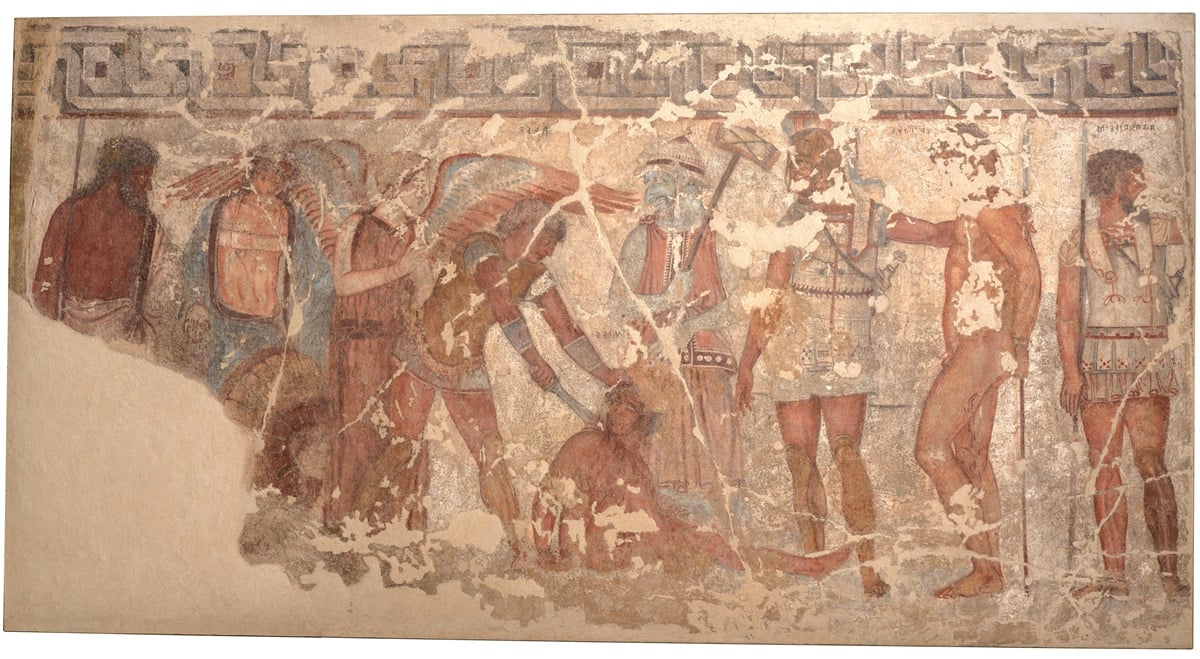
The Italian Ministry of Culture, led by Minister Alessandro Giuli, has finalized the acquisition of the Tomba François (François Tomb) from Vulci for €15 million. This Etruscan painted tomb, discovered in 1857 by archaeologist Alessandro François on the lands of Prince Alessandro Torlonia, is one of the most important surviving examples of Etruscan painting. The purchase was made possible through collaboration with the heirs of the Torlonia, Sforza Cesarini, and Gaetani families, and the tomb will be permanently housed at the Museo Nazionale Etrusco di Villa Giulia in Rome starting June 25, with a major exhibition featuring loans from the Louvre, British Museum, and other international institutions.

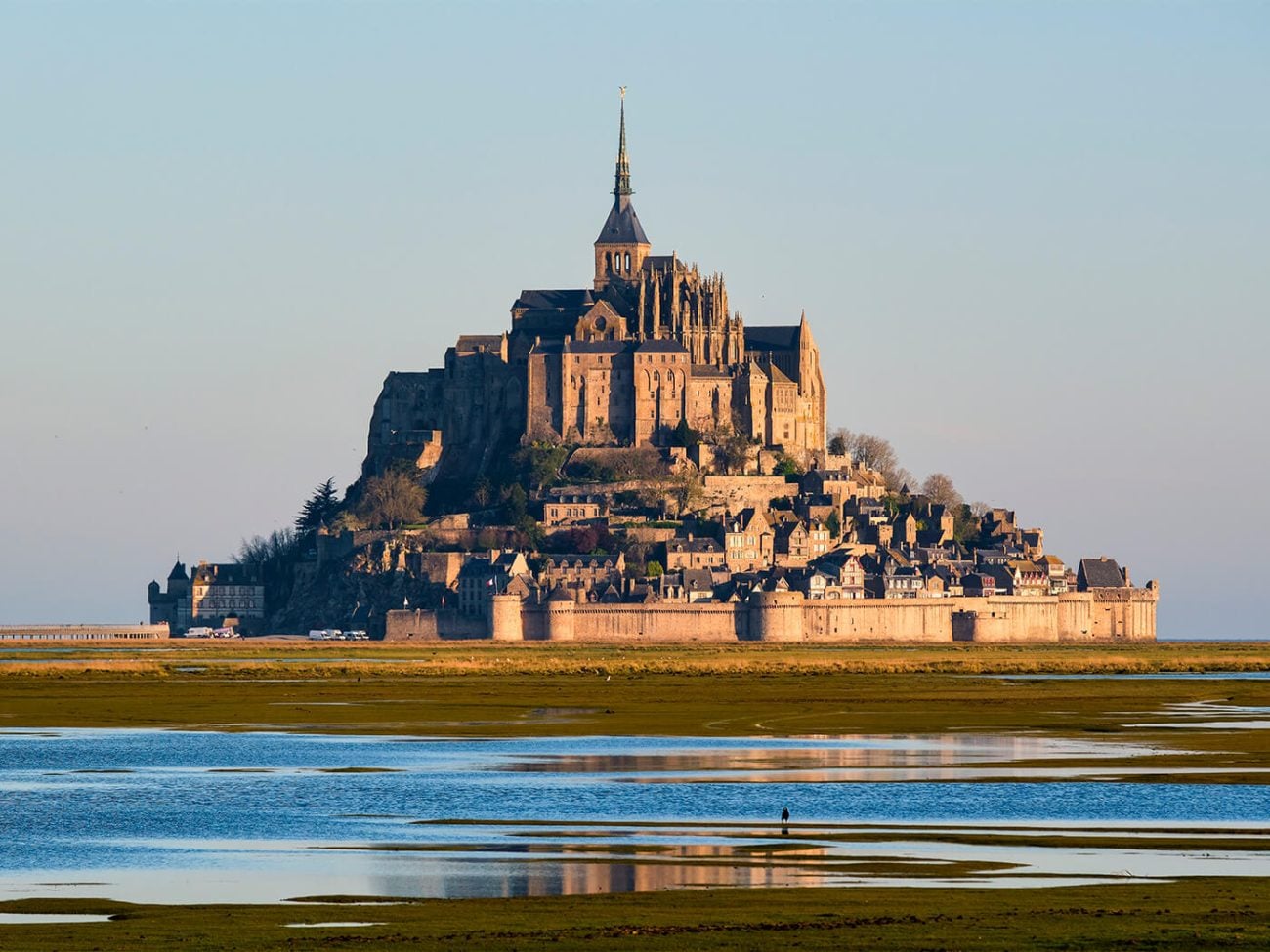
Marie Lavandier défend le CMN face au risque d’un divorce avec le Mont-Saint-Michel

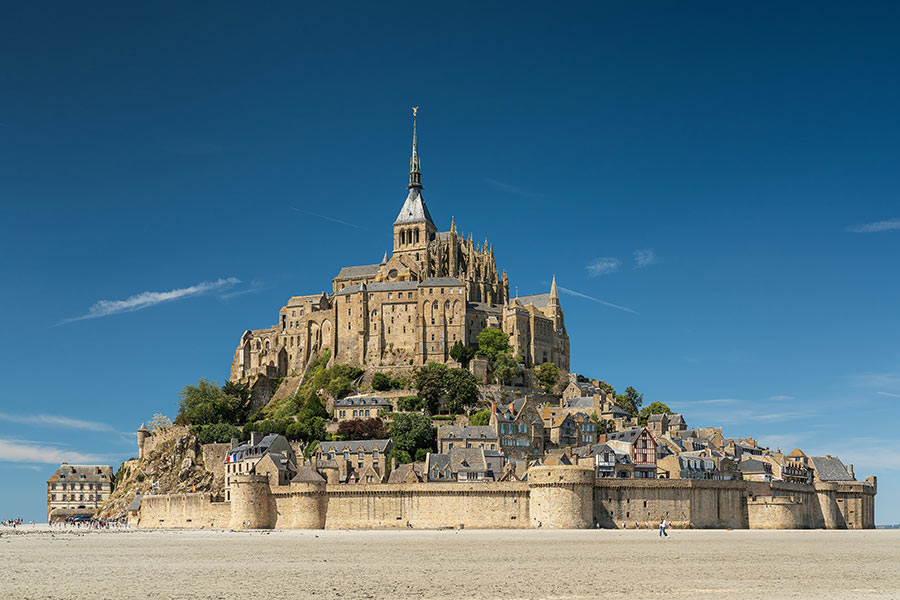
Marie Lavandier, president of the Centre des monuments nationaux (CMN), appeared before the French Senate's Culture Committee on May 27, 2026, to present her "CMN 2030" roadmap focused on visitor services, preventive monument maintenance, and citizen engagement. However, the hearing was dominated by the future of Mont-Saint-Michel abbey, as the Établissement public industriel et commercial (Epic) du Mont-Saint-Michel—created in 2019 to manage access and infrastructure—seeks expanded governance, supported by Norman elected officials and the Cour des comptes. Lavandier did not confirm an imminent state arbitration but noted the CMN-Epic convention was extended to June 30, signaling a pending high-level decision.

Management of Mont-Saint-Michel by the Centre des Monuments Nationaux Called into Question

La gestion du Mont-Saint-Michel par le Centre des Monument Nationaux remise en question

On May 20, the French newspaper La Lettre reported that Prime Minister Sébastien Lecornu has decided to transfer management of the Mont-Saint-Michel abbey from the Centre des monuments nationaux (CMN) to the Établissement public du Mont-Saint-Michel (EPMSM), which currently handles the bay, parking, and shuttles. The CMN, which administers the abbey and 110 other national monuments, has denounced the move as opaque and lacking impact studies or consultation. Unions including CGT-Culture and CFDT-Culture warn that losing the abbey's revenue—1.4 million annual visitors generating over 15% of CMN's income—would jeopardize maintenance of less profitable sites and restoration projects.

No-Bid Lincoln Memorial Reflecting Pool Contract Swelled to $13.1 M. With “Inflated” Profit Margin, as Leak Problems Persist

Newly obtained federal documents reveal that the contractor hired to repaint the Lincoln Memorial Reflecting Pool, Atlantic Industrial Coatings, secured what government officials described as an "inflated" profit margin while struggling to stop the pool from leaking. The no-bid contract ballooned from President Trump's initial estimate of under $2 million to roughly $13.1 million, with the company charging a 20 percent profit margin and another 20 percent for overhead—well above the typical 6–12 percent range for similar federal projects. Internal Park Service records show the contractor failed multiple attempts to seal leaks, and workers had to remove and reinstall materials. The project has also drawn criticism for coating the basin in "American Flag blue," which preservationists argue transforms the historic monument into something resembling a resort swimming pool.

What is accessible tourism? Numbers, projects and obstacles of a market founded on a right: travel is for everyone

Cos’è il turismo accessibile? Numeri, progetti e ostacoli di un mercato fondato su un diritto: il viaggio è per tutti

The article reports on the third edition of the World Summit for Accessible Tourism (WSAT) held in Turin, Italy, at the end of 2025. It highlights that Piedmont is one of Italy's most equipped regions for accessible tourism, with its "Piemonte for All" project offering 21 accessible travel proposals. The piece also notes that Italy's Ministry for Disabilities has allocated €50 million and activated 560 training internships to support the sector, while only 10% of Italian museums currently offer disability-friendly routes, with €300 million in PNRR funds still being spent. Technological solutions like Amuseapp (an AI-powered app for cultural accessibility) and SuperAbileplus (a virtual reality project for reduced-mobility users) are presented as interim aids.

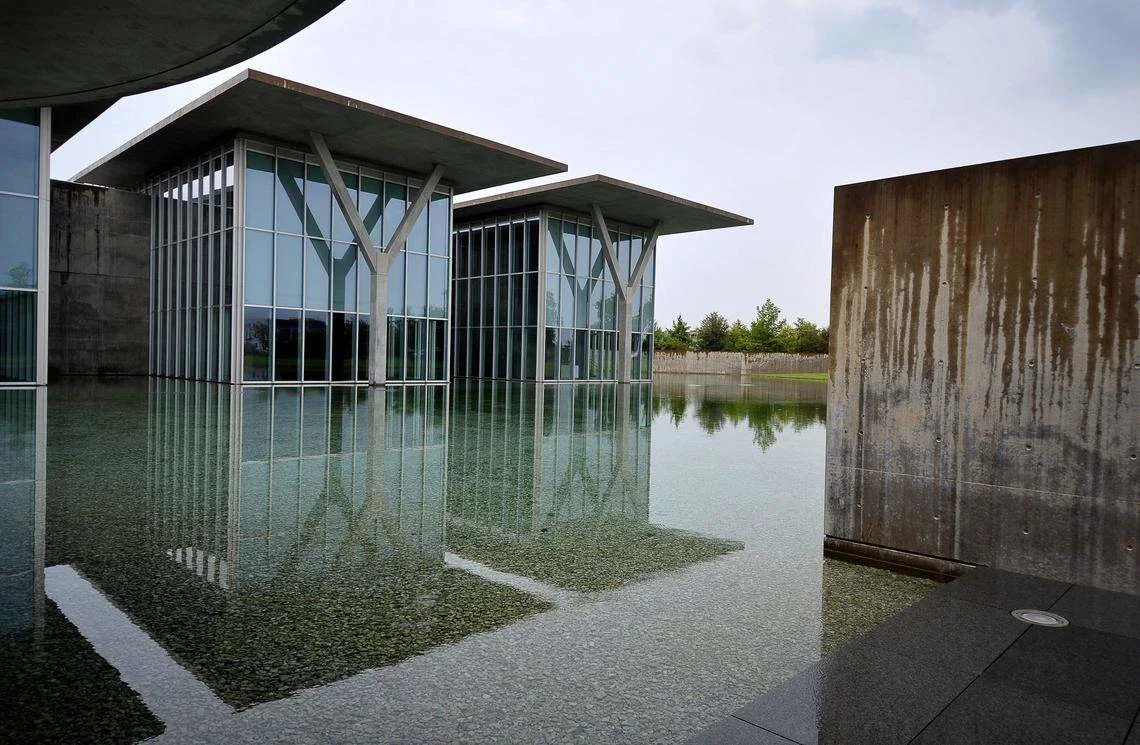
Modern Art Museum offers free admission to people who receive SNAP benefits

The Modern Art Museum of Fort Worth announced on Monday that it has joined Museums for All, a nationwide initiative that provides free admission to visitors who receive SNAP food benefits. Starting June 2, individuals can present their EBT cards at the admissions desk to receive up to four free tickets to the museum's galleries and special exhibits. The program is administered by the Association of Children’s Museums and is a signature access program of the Institute of Museum and Library Services.

Museums want to make collections more visible

Museen wollen Sammlungen stärker sichtbar machen

The German Museums Association (Deutscher Museumsbund) has announced that its 2027 annual conference in Leipzig will focus on how museums can make their collections more future-proof. Approximately 900 professionals from Germany and abroad will gather in May 2027 to discuss activating collections in light of current societal issues. The association notes that around 80 percent of museum holdings remain hidden in storage, with only 20 percent publicly accessible.

Archaeological sites in the West Bank under Israeli control?

Les sites archéologiques de Cisjordanie sous contrôle israélien ?

The Israeli Knesset has approved in a preliminary reading a bill that would transfer control of archaeological sites in the occupied West Bank from the Ministry of Defense to a new civil authority called the 'Heritage Authority in Judea and Samaria,' directly under the Ministry of Heritage. The bill, proposed by the Likud party and far-right religious factions, would apply to all zones of the West Bank (A, B, and C), overriding the Oslo Accords' division of administrative responsibilities. Proponents argue it is necessary for cultural victory amid ongoing conflicts, while critics note it comes amid accelerated settlement activity and recent damage to sites by Israeli settlers.

Copyright and AI: The National Assembly Blocks the Law

Droits d’auteur et IA : l’Assemblée nationale bloque la loi

The French National Assembly has blocked a proposed law that would have required AI providers to prove they did not use copyrighted cultural content to train their models. The bill, passed by the Senate on April 8, 2026, aimed to shift the burden of proof from rights holders to AI companies, making it easier for authors to demonstrate that their works were used without permission. Despite careful preparation and limited scope, the legislation was not placed on the parliamentary agenda and now appears seriously compromised.