filter_list Showing 6 results for "The Commercial" close Clear
search
dashboard All 237 museum exhibitions 106trending_up market 37article news 33article local 20article culture 14person people 11article policy 6rate_review review 5gavel restitution 3article event 1candle obituary 1
date_range Range Today This Week This Month All
Subscribe

saudi arabia scales back

Saudi Arabia is significantly scaling back its ambitious "Vision 2030" cultural and infrastructure spending due to falling oil prices and massive budget overruns. Major international projects, including a $200 million investment deal with the Metropolitan Opera in New York and funding for the Centre Pompidou’s refurbishment, are currently in limbo or facing payment delays. Reports of unpaid invoices to art service firms and the halting of "gigaprojects" like Neom suggest a period of financial retrenchment for the kingdom.

tates turbine hall could be named for a donor

Tate chair of trustees Roland Rudd has suggested that naming rights to the Turbine Hall at Tate Modern could be sold for a minimum of £50 million ($68 million) to support the newly launched Tate Future Fund, which aims to raise £150 million by 2030. Rudd also indicated that naming opportunities might extend to curatorships and director positions, though a Tate spokesperson called the quoted figure "hypothetical" and declined to confirm active sponsorship negotiations.

If fashion is art, why doesn’t CNZ fund it?

Creative New Zealand (CNZ) explicitly states on its website that it does not fund fashion design, classifying it as primarily part of the commercial creative industries. The article highlights the contradiction that while major institutions like The Dowse Art Museum, Auckland Art Gallery, and World of WearableArt treat fashion as art, CNZ denies funding to fashion designers, with rare exceptions for non-commercial, cross-cultural, or collaborative projects. Fashion designer Doris de Pont, founder of The New Zealand Fashion Museum, notes that even when her trust received CNZ support, it was for the art connection, not the fashion itself.

rome charges fee for trevi fountain

Rome has introduced a €2.35 entry fee for the Trevi Fountain, one of the world's most famous monuments, effective February 1 during daylight hours (9am to 9pm). The measure, announced by Mayor Roberto Gualtieri, aims to curb overtourism by limiting viewership to 400 people at a time. The fountain currently welcomes up to 70,000 visitors per day, and the fee could raise an estimated $7.6 million annually for maintenance. Similar fees will apply to four other city sites, while Roman citizens retain free access.

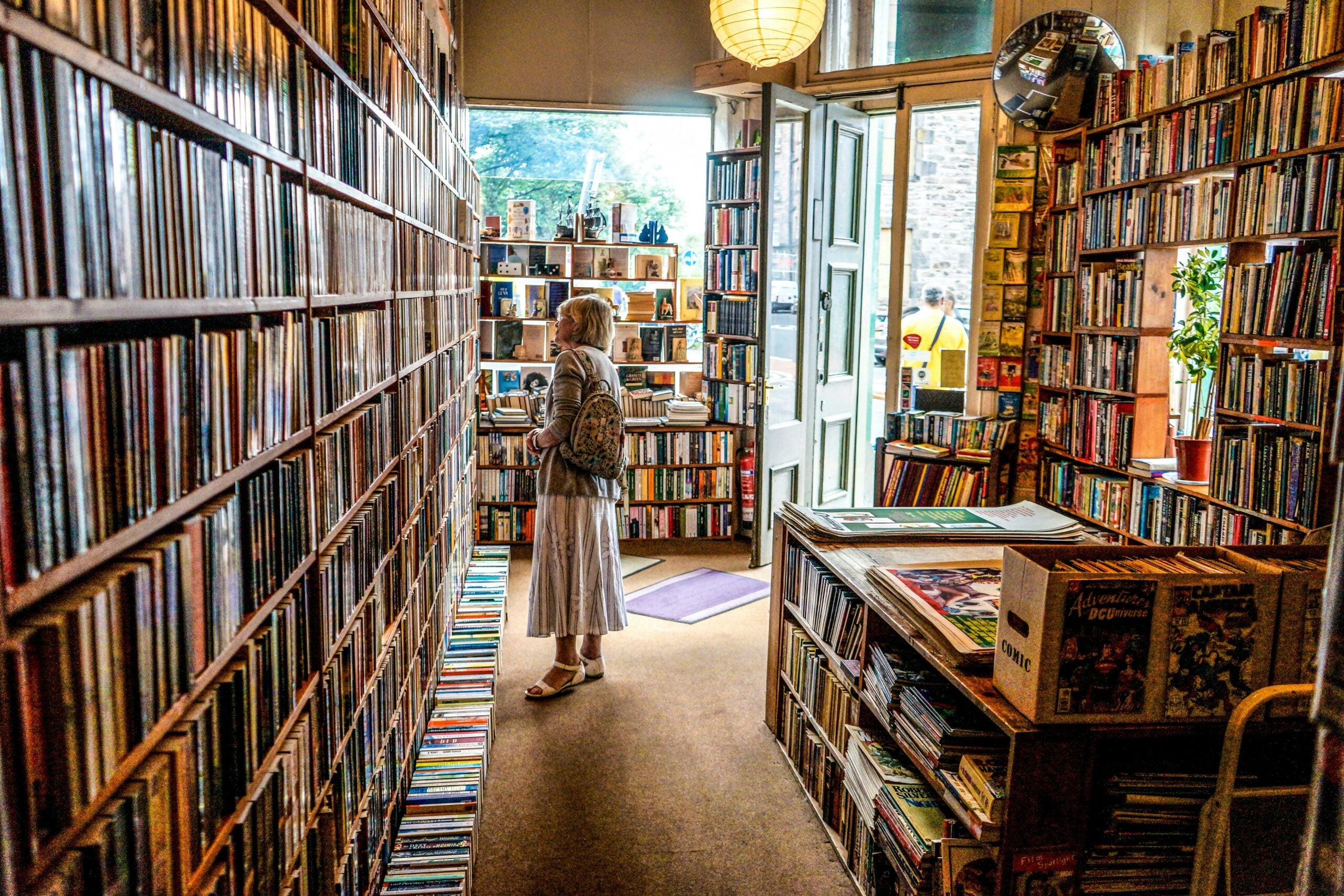
Milan provides spaces to open 10 new neighborhood bookstores: the tender to open one

Milano mette a disposizione spazi per aprire 10 nuove librerie di quartiere. Il bando per aprirne una

The City of Milan has launched a public tender to open ten new neighborhood bookstores by repurposing vacant municipal properties. Part of the "Sefémm" program, the initiative offers spaces ranging from 30 to 190 square meters across various districts, including central and peripheral areas. The selection process will heavily prioritize the social and cultural impact of the proposals over financial bids, favoring micro-enterprises and independent operators who commit to creating community hubs.

NRW will Verbot für Handel mit Holocaust-Dokumenten

The German state of North Rhine-Westphalia (NRW) is introducing a legislative bill to ban the commercial trade of personal Holocaust documents and artifacts, such as letters from concentration camps, Gestapo cards, and yellow stars. The initiative follows international outrage over a planned auction in Neuss in November 2025, which was halted at the last moment; around 460 objects from that auction were transferred to the Auschwitz-Birkenau Foundation. The bill, to be presented at the Bundesrat session on May 8, aims to prohibit the sale of items directly linked to Nazi victims, while exempting museums, archives, and research institutions.