
filter_list Showing 5 results for "decorative art" close Clear
search
dashboard All 115 museum exhibitions 50trending_up market 27article news 13candle obituary 6article policy 5person people 4rate_review review 3article local 3article culture 3gavel restitution 1
date_range Range Today This Week This Month All
Subscribe

musems worried trump will end major tax deduction funding

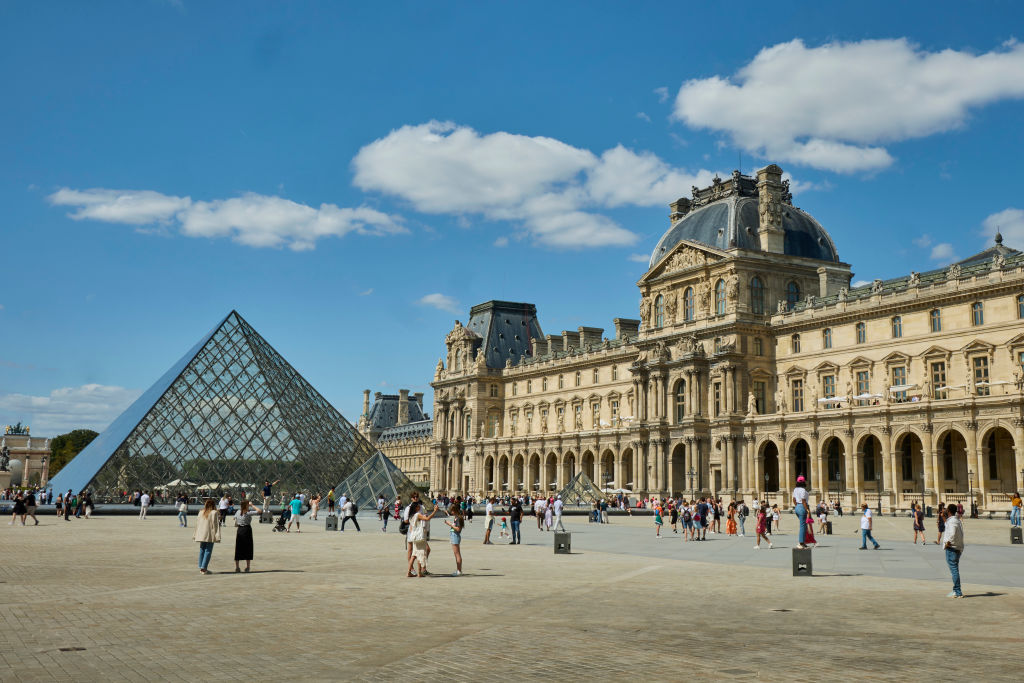
French museums are alarmed that the Trump administration may eliminate a key tax deduction mechanism known as the “equivalency determination,” which allows foreign organizations to receive tax-deductible donations from American patrons. The status is critical for museum-affiliated “American Friends” groups, such as the American Friends of the Musée d’Orsay and the American Friends of the Louvre, the latter of which raised $10 million last year. Lionel Sauvage, president of the Museum of Decorative Arts in Paris, noted that about one-third of his museum’s annual donations—over $2 million—come from American donors. While no concrete action has been taken, Bloomberg reported in April that the administration was considering the move as part of a broader crackdown on tax-exempt nonprofits. Jewish philanthropic organizations have also expressed concern, with the Jewish Funders Network advising compliance amid uncertainty.

new european union law antiquities trafficking june 28

A new European Union law, Regulation 2019/880, aimed at preventing the sale of looted antiquities, is set to go into effect on June 28. The law imposes heightened due diligence requirements on anyone importing cultural goods from outside the EU, including fine arts, antiquities, and decorative arts. It categorizes cultural goods into three groups, with the strictest rules for archaeological items over 250 years old, which require an import license and proof of legal export. Non-compliance could lead to seizures or criminal consequences for art dealers, collectors, and professionals. While there is a partial exemption for temporary exhibitions, it primarily benefits museums outside the EU, leaving private collectors without the same protections.

How UK museums are embracing citizens’ assemblies to help frame their futures

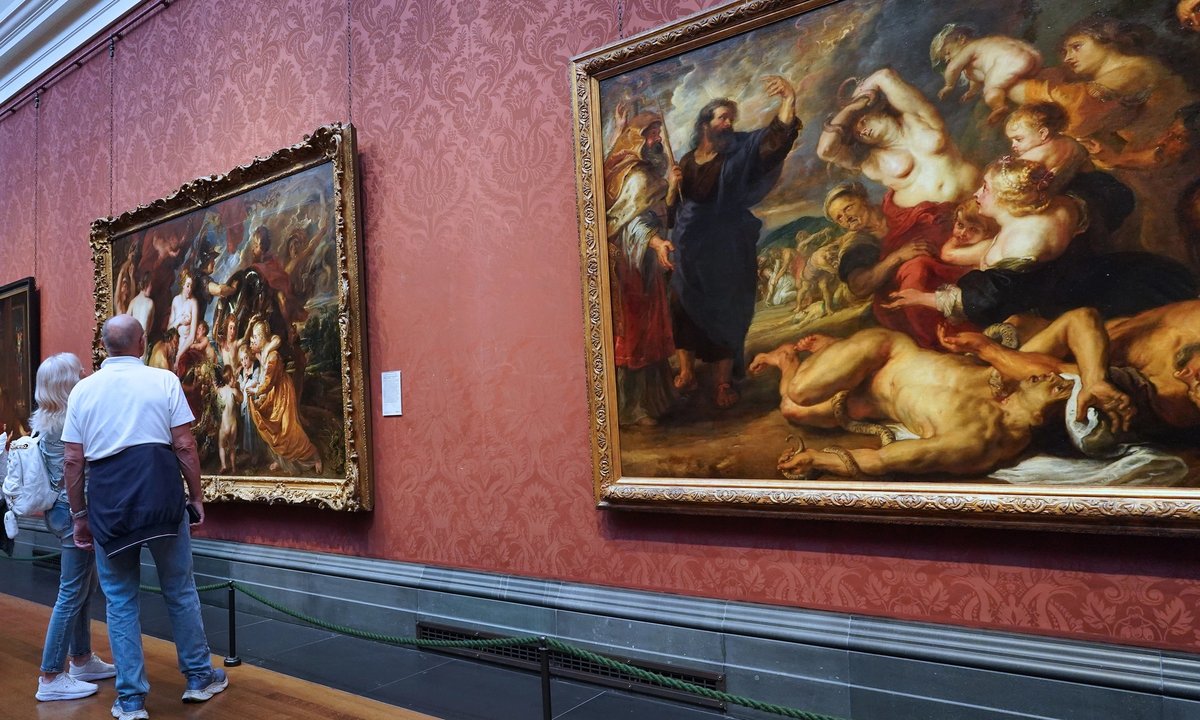
UK museums are increasingly turning to citizens' assemblies to involve the public in shaping institutional policy and direction. The National Gallery in London launched its NG Citizens panel in 2024, following Birmingham Museums Trust's 2024 citizens' jury of 26 local residents. The Imperial War Museum and London's Migration Museum have also announced plans for similar assemblies. The National Gallery's panel, formed through a civic lottery of 15,000 invited households, will meet from November 2025 to March 2026 to develop recommendations on the gallery's purpose, priorities, and public value—though it will not directly select exhibitions or acquisitions.

us antiques and decorative arts hit hard by trump tariffs

Import tariffs imposed by the Trump administration on October 14 are causing unintended harm to the international trade of antiques and decorative arts. The executive order, signed on September 29, placed 25 percent tariffs on wood imports and products like upholstered furniture and kitchen cabinets, with further increases scheduled for January 1, 2026. While painting, sculpture, and fine art are exempt under the 1977 International Emergency Economic Powers Act, collectibles such as antique furniture, watches, wine, and classic cars are not protected. Dealers like Millicent Ford Creech and Michael Pashby report that the costs are unpredictable and largely absorbed by businesses, with shippers struggling to quote rates amid constant fluctuations.

Une souscription pour restaurer le réfectoire des Invalides

La Tribune de l'Art reports that a fundraising campaign has been launched to restore the refectory of the Hôtel des Invalides in Paris, specifically the salle de l'Europe. This room features 17th-century murals attributed to Michel Corneille le Jeune, depicting battles from the Franco-Dutch War (1673–1675), including the sieges of Maastricht, Huy, and Limbourg, as well as allegorical scenes of Louis XIV. The restoration is organized by the Musée de l'Armée, which manages the site.