filter_list Showing 24 results for "performing arts" close Clear
search
dashboard All 180 article local 71museum exhibitions 52article policy 24article news 23person people 5article culture 3article satire 1candle obituary 1
date_range Range Today This Week This Month All
Subscribe

10 Practical Reasons We Need to Defend the National Endowment for the Arts

10 practical reasons need fund defend national endowment arts

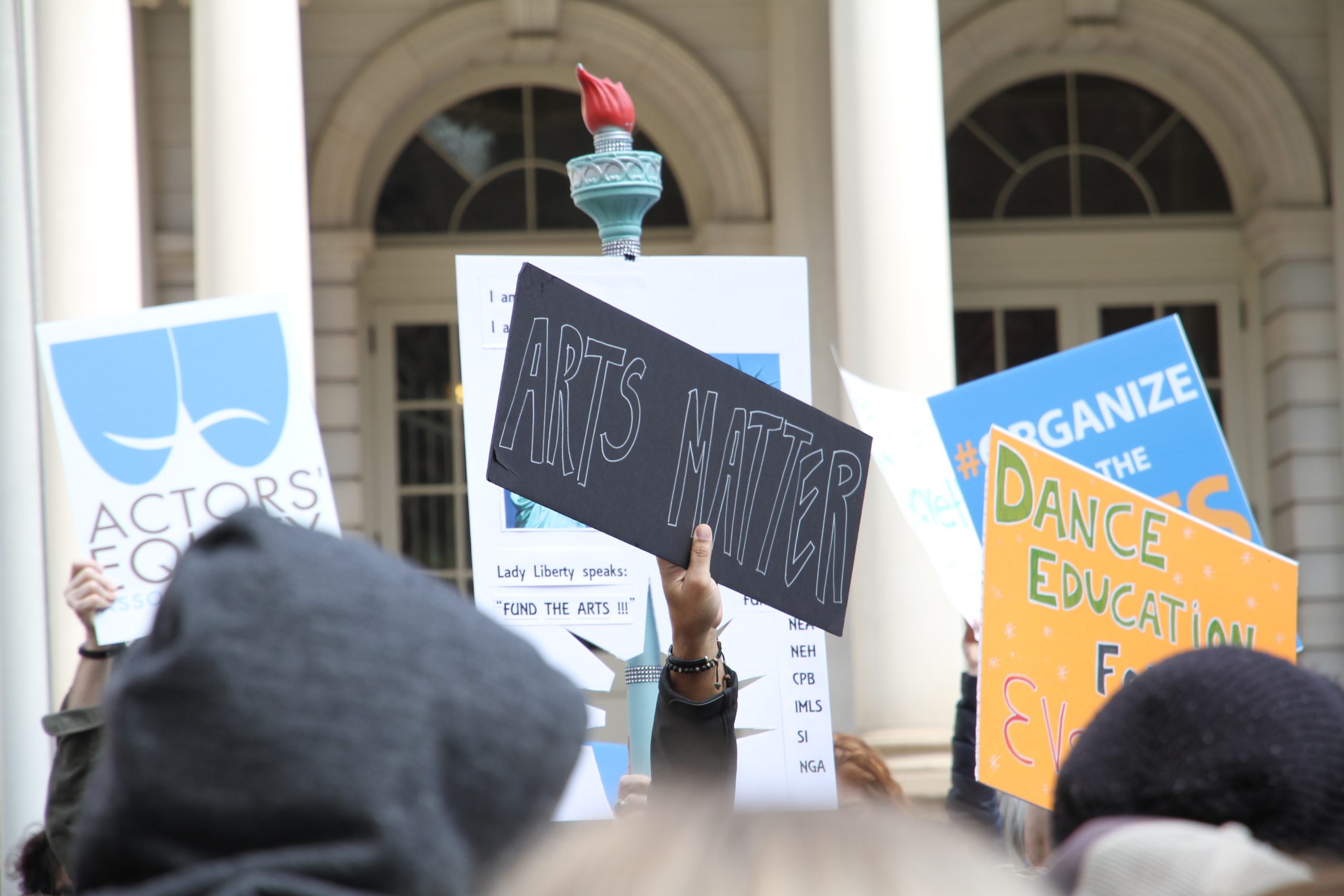
President Donald Trump's administration has renewed efforts to defund the National Endowment for the Arts (NEA), proposing for the fourth consecutive year a budget that would zero out the agency. The Heritage Foundation, a conservative think tank that has staffed the current administration, continues to promote its 1997 report 'Ten Good Reasons to Eliminate Funding for the National Endowment for the Arts' as a key reference in debates. This article, originally published in 2020 and republished in response to these developments, systematically rebuts each of the Heritage Foundation's arguments against the NEA, beginning with the claim that private support alone is sufficient.
nea funding cuts

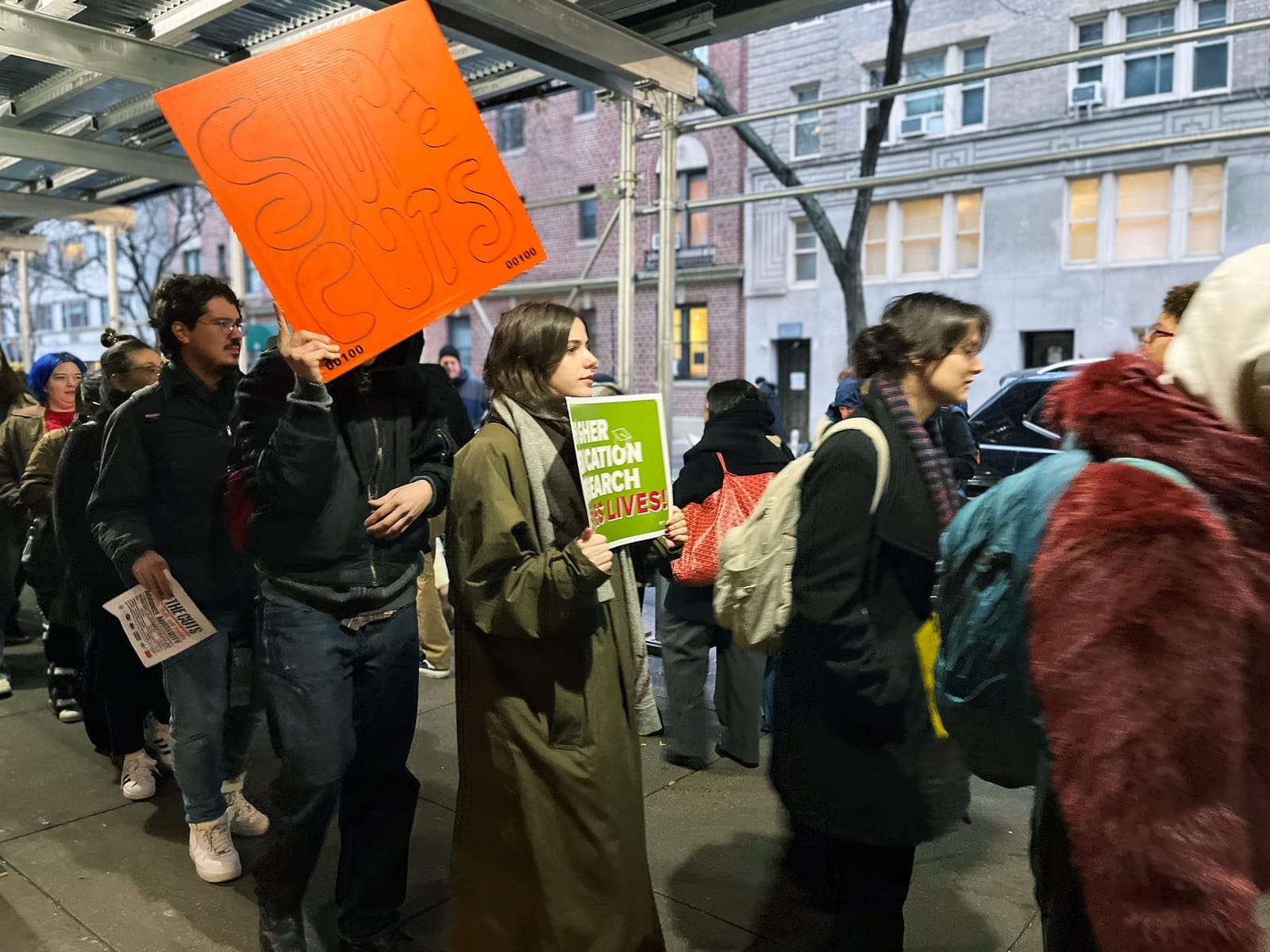
President Donald Trump has proposed eliminating the National Endowment for the Arts (NEA), and arts organizations across the U.S. are already feeling the impact. After a White House budget request in May that excluded the NEA, dozens of institutions received abrupt termination notices for their grant applications, with the NEA citing a shift in policy priorities to focus on projects reflecting the nation's artistic heritage as prioritized by the President. In protest, many senior NEA staff resigned or were asked to retire, leaving the agency in disarray. The cuts are part of broader federal efforts to defund cultural agencies, including the Kennedy Center, the Smithsonian, and the National Endowment for the Humanities, which has seen a 70-80 percent staff reduction and canceled over a thousand grants. Private foundations like the Mellon Foundation and the Helen Frankenthaler and Andy Warhol Foundations have launched emergency funding programs, but the consequences for artists, educators, and community organizations are immediate and destabilizing.

Trump Arts Impact 2025

trump arts impact

The Trump administration has initiated a sweeping overhaul of the American cultural landscape, marked by aggressive oversight of the Smithsonian Institution and the termination of numerous National Endowment for the Arts (NEA) grants. Key actions include the disbanding of the Institute of Museum and Library Services (IMLS), the removal of leadership at the National Portrait Gallery, and the implementation of content audits to remove references to Trump's impeachments and information regarding slavery from federal sites. These moves are part of a broader effort to eliminate Diversity, Equity, and Inclusion (DEI) initiatives and enforce 'American values' in cultural programming ahead of the nation's 250th anniversary.

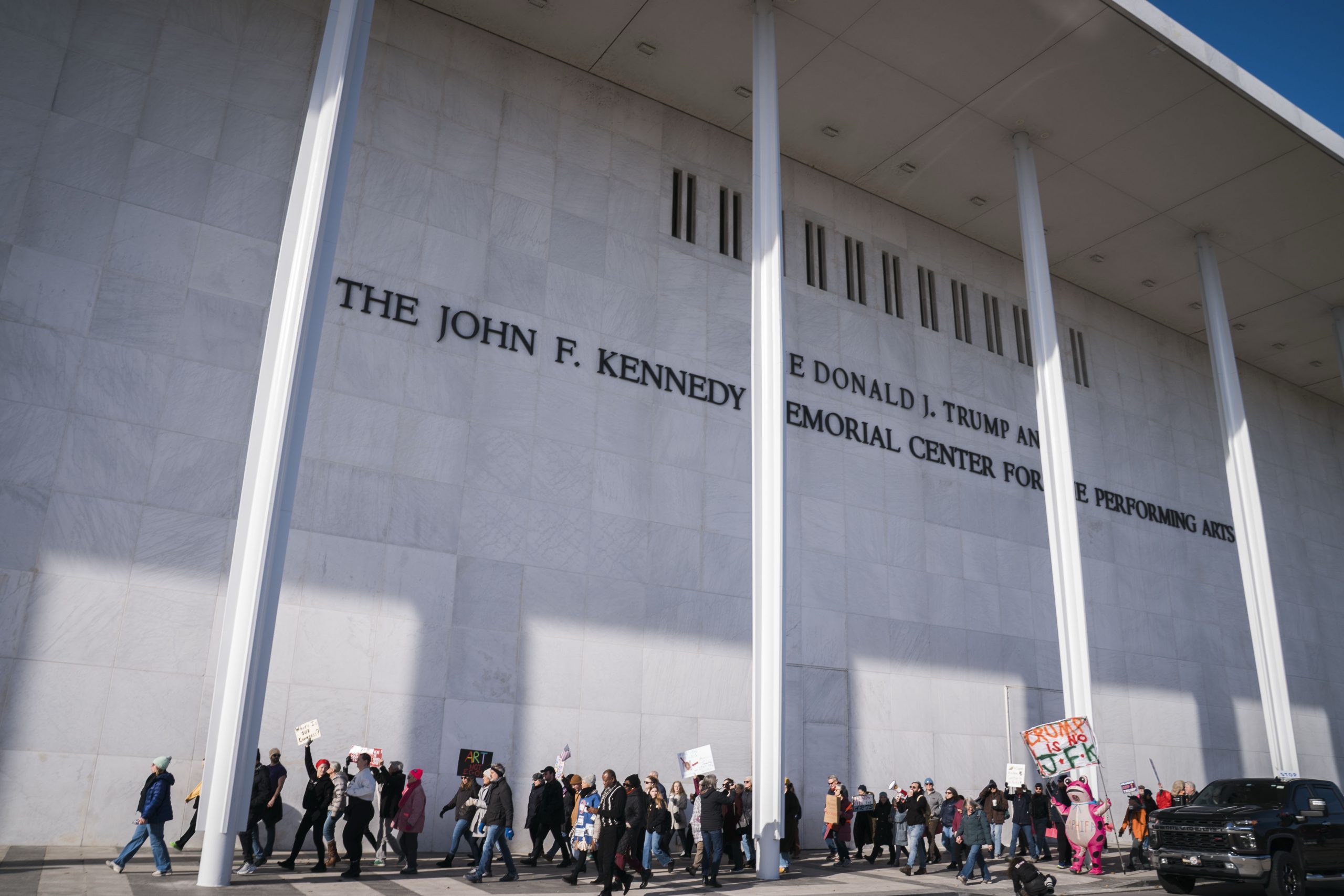
trump kennedy center closure

President Donald Trump has initiated a controversial overhaul of the Kennedy Center in Washington, D.C., renaming it the 'Donald J. Trump and the John F. Kennedy Memorial Center for the Performing Arts' and appointing himself chairman. Following the dismissal of long-time president Deborah Rutter and the installation of a board led by Richard Grenell, the institution has pivoted toward conservative programming, leading to a 93% to 57% drop in ticket sales and high-profile boycotts from artists like Philip Glass. The center is now slated for a two-year closure starting after July 4 for major renovations, a move that has sparked alarm among preservationists and political figures.

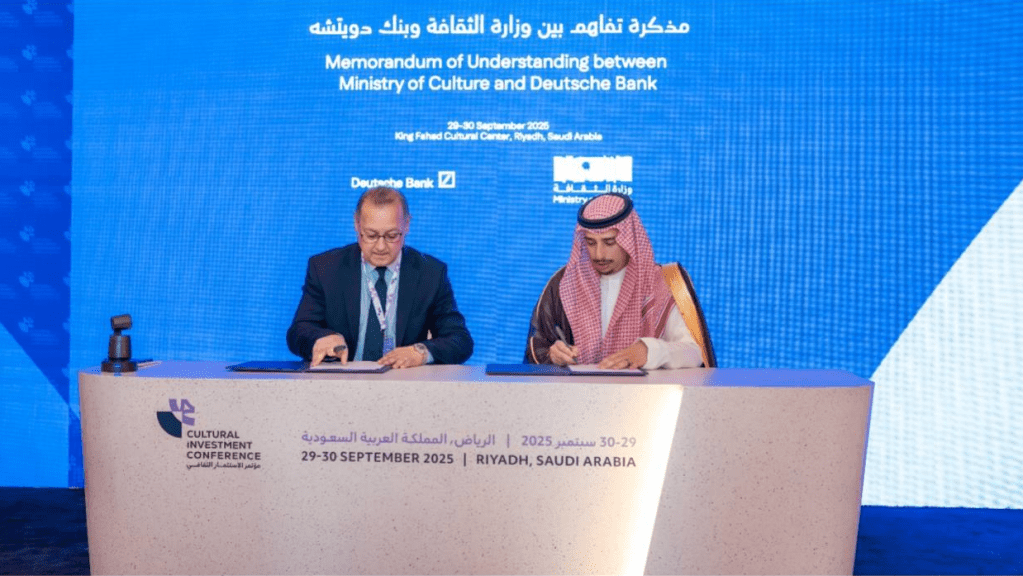
saudi arabia deutsche bank ink cultural partnership

Saudi Arabia announced over 5 billion Saudi riyals ($1.3 billion) in new cultural funds and agreements at the first Cultural Investment Conference in Riyadh, held under Crown Prince Mohammed bin Salman. Key initiatives include a partnership with Deutsche Bank for training and cultural exchanges, and the immediate establishment of the Riyadh University of Arts, set to open in 2026 with courses in film, performing arts, and theater. The Ministry of Culture also signed a memorandum of understanding with the Royal Commission for AlUla to boost cultural infrastructure in the AlUla oasis.

are museums spending enough marketing new report

A new report from Remuseum, an initiative of the Crystal Bridges Museum of American Art funded by collector David Booth and the Ford Foundation, reveals that American museums are struggling with post-pandemic visitation declines and rising costs, yet they invest less than three percent of their operating budgets on marketing—comparable to mining and construction industries. The report contrasts historical resistance to marketing, exemplified by former Met president William Luers, with the Getty's Harold Williams, who embraced it. Case studies from the Art Gallery of Ontario and the Peabody Essex Museum show how museums can use audience personas to boost attendance, but current spending remains far below the 13.9 to 18.7 percent of revenues that consultant Colleen Dilenschneider says is needed to reach full market potential.

A Think Tank and a Foundation Team Up On $1 M. in Accelerator Grants for Museum and Performing Arts Leaders—Timothée Chalamet Be Damned

A think tank and a philanthropic foundation have launched a $1 million accelerator grant program for museum and performing arts leaders. The initiative, a partnership between Remuseum (an initiative of Crystal Bridges Museum) and the Doris Duke Foundation, will award up to ten $100,000 grants and provide a year-long residency program to help leaders develop innovative strategies to boost relevance and financial stability.

2026 hong kong cultural summit museum leaders talk

The 2026 Hong Kong International Cultural Summit convened global museum leaders and policymakers at the M+ museum and the Hong Kong Museum of Art to discuss the city's evolving role as a cultural hub. Amidst geopolitical shifts, the summit saw the signing of several memoranda of understanding between Hong Kong and international institutions, including the Misk Art Institute and the Czech Academy of Visual Arts. Key announcements included a five-year partnership renewal with Art Basel and the upcoming launch of the West Kowloon Academy, an incubator for arts professionals.

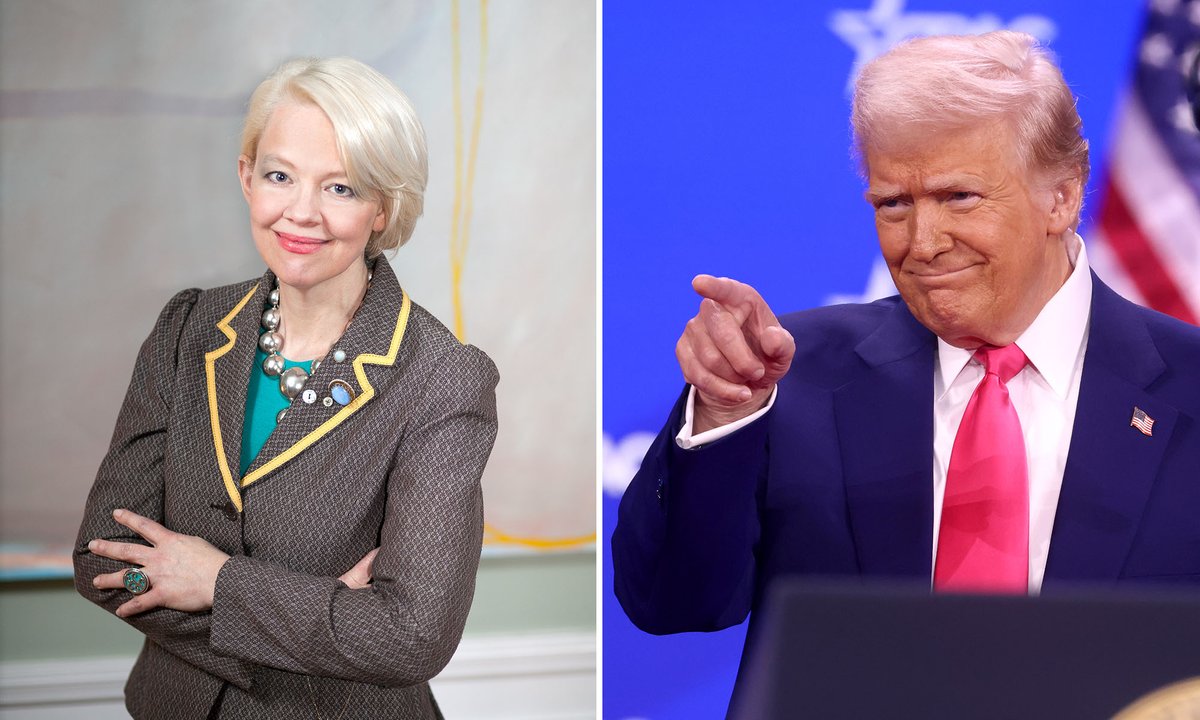
Trump claims he has fired director of US National Portrait Gallery

US President Donald Trump claimed on his Truth Social platform that he has fired Kim Sajet, director of the National Portrait Gallery (NPG), alleging she is a "highly partisan person" and a supporter of diversity, equity, and inclusion programs. Sajet, who became the first woman to lead the NPG in 2013, has not commented, and the Smithsonian declined to comment. It remains unclear whether Trump has the legal authority to fire Smithsonian employees, as the institution is governed by a board of regents and receives partial federal funding.

trump announces kennedy center closure

President Donald Trump announced the planned closure of the John F. Kennedy Center for the Performing Arts for up to two years, starting July 4, as part of a major renovation project. The closure, pending board approval, aims to transform what Trump called a "tired, broken, and dilapidated" facility into the "finest Performing Arts Facility of its kind."

composer philip glass withdraws symphony kennedy center

Composer Philip Glass has withdrawn his Symphony No. 15, a commissioned work honoring Abraham Lincoln, from the John F. Kennedy Center for the Performing Arts ahead of its scheduled premiere by the National Symphony Orchestra in June. Glass informed the center in a letter on Tuesday, stating that the Kennedy Center's current values are in direct conflict with the symphony's message, calling the decision an obligation. He joins soprano Renée Fleming in severing ties, while the Washington National Opera has already relocated due to low attendance. The center's board voted to add President Donald Trump's name to the institution in December, a move questioned for its legality and opposed by Kennedy family members and Democratic Representative Joyce Beatty.

donald trump kennedy center les miserables

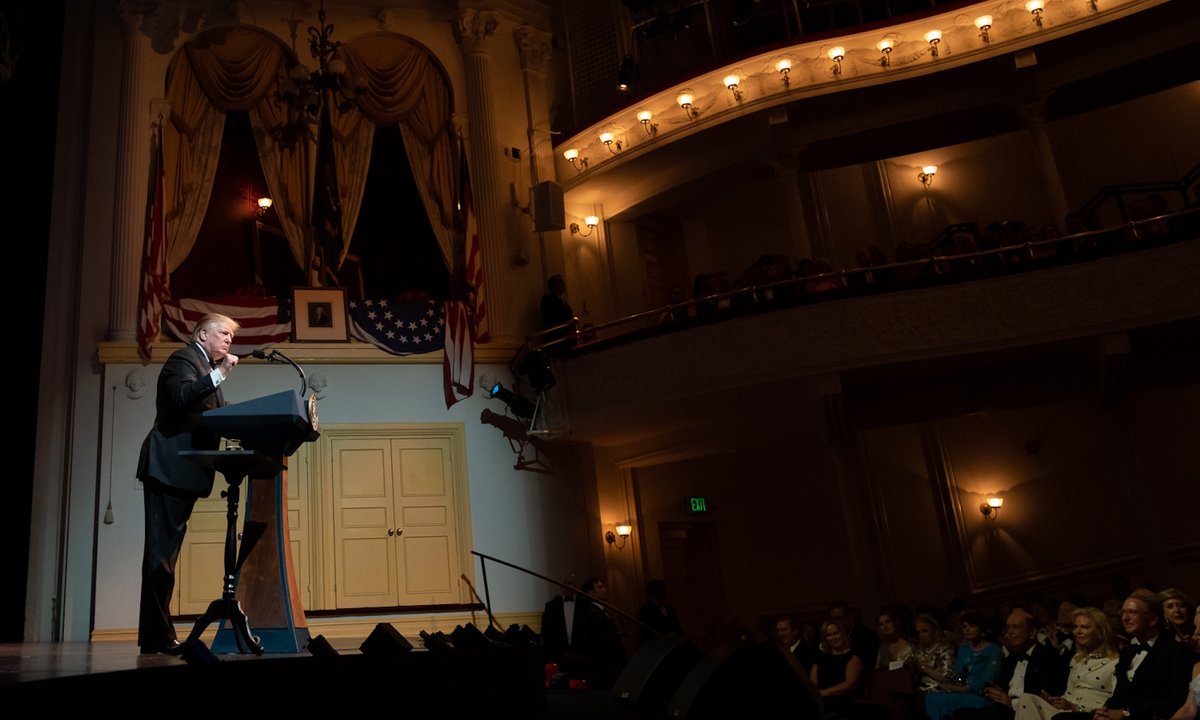
President Donald Trump was booed while attending a fundraiser for the musical *Les Misérables* at the John F. Kennedy Center for the Performing Arts. He arrived with Melania Trump to support the center, but faced a mixed reception of boos and chants of 'U-S-A.' The event followed Trump's controversial takeover of the Kennedy Center, where he fired the board of trustees appointed by Joe Biden and George W. Bush, installed himself as chair, and replaced longtime president Deborah Rutter. Several artists, including Ben Folds, Renée Fleming, Shonda Rhimes, Issa Rae, and Rhiannon Giddens, resigned in protest, and the center has seen program cancellations such as *Hamilton* and Pride events.

us artists struggle with food and healthcare insecurity study

A national survey commissioned by the Mellon Foundation and conducted by NORC at the University of Chicago has produced a 102-page report on the livelihoods of 2,618 US artists across five disciplines—performing arts, visual arts, writing, craft arts, and other arts—broken into 37 subdisciplines. Key findings reveal that 34% of artists are fully self-employed, 50% are self-employed in their primary job, and 11% hold three or more jobs. More than 57% of artists report being worried about financial vulnerabilities, including food (22%), housing, medical costs (32%), or utilities, while 28% provide unpaid care for a loved one and 8% have served in the military.

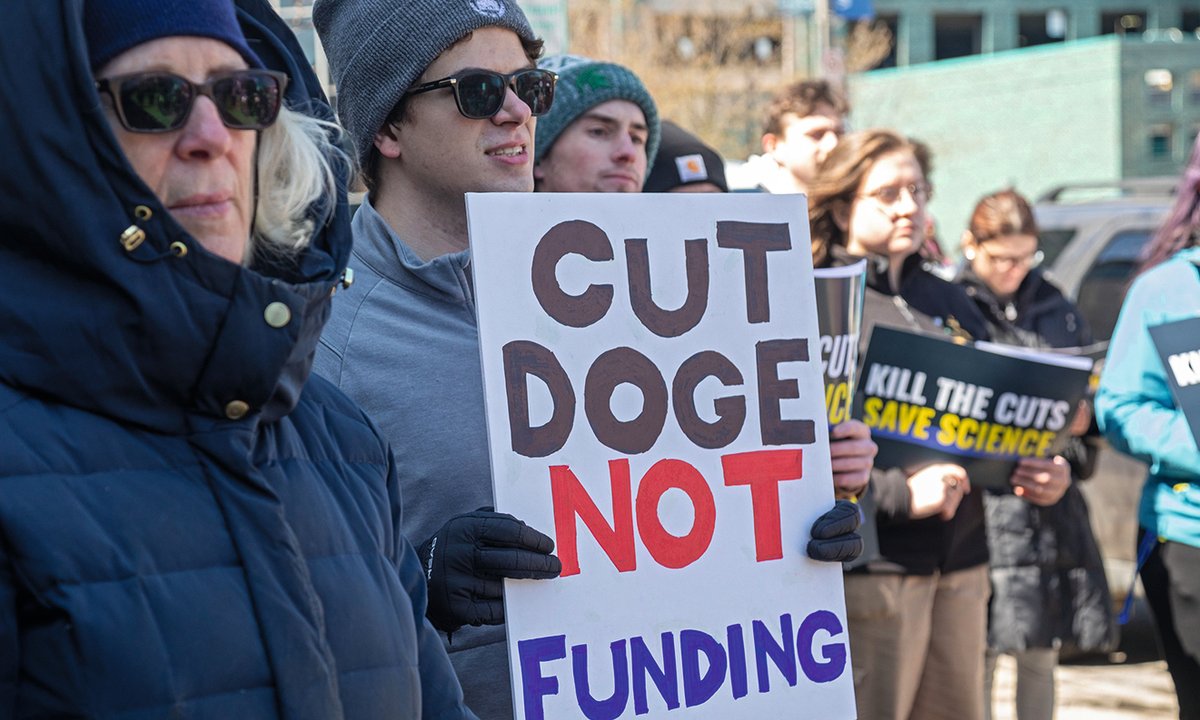
‘It’s much more extreme’: US institutions and artists enter a new culture war

Since President Donald Trump took office, his administration has rapidly dismantled parts of the U.S. cultural infrastructure through executive orders and the Department of Government Efficiency (DOGE), led by Elon Musk. Key federal funding bodies—the National Endowment for the Humanities (NEH), the Institute of Museum and Library Services (IMLS), and the National Endowment for the Arts (NEA)—have faced staff cuts, grant cancellations, and threats of further reductions. Trump has also replaced leadership at the Kennedy Center and signaled similar moves against the Smithsonian Institution, while DOGE visited the National Gallery of Art to discuss its legal status. Arts organizations and advocates are scrambling to assess the damage and find alternative funding.

California nonprofits keep losing funding in what new study calls ‘the shadow of the pandemic cliff’

A new Otis College Report on the Creative Economy, titled "In the Shadow of the Pandemic Cliff," was presented at the Getty Center in Los Angeles. The report, prepared by Westwood Economics and Planning Associates, analyzes financial data from 2011 to 2023 for nonprofit cultural organizations in Los Angeles County, including museums, art schools, and performing-arts groups. It reveals that while revenues for these nonprofits surged by 47% during the early pandemic years due to special relief funding, that support has since faded. By 2023, 60% of surveyed organizations reported less public funding and 51% saw declines in private donations, a trend the report calls the "Covid cliff."

More than 150 US arts organisations pledge to resist political pressure

More than 150 US arts organizations and over 320 artists and cultural workers have signed a public statement affirming their commitment to resisting political pressure. Organized by the National Coalition Against Censorship (NCAC) and the Vera List Center for Art and Politics (VLC) at the New School, the statement does not explicitly name President Donald Trump or his administration's actions, but was precipitated by Trump's pressure campaigns against the Smithsonian Institution and the Kennedy Center, as well as deep cuts to the NEA, NEH, and IMLS. Signatories include institutions from both Democratic- and Republican-controlled states, such as the Museum of Contemporary African Diasporan Arts in New York and Diverseworks in Houston, Texas.

Comment | Trump's 100 days should remind us to be brave—because in an autocracy there is no safety

The article examines the impact of the first 100 days of Donald Trump's second term on the U.S. cultural sector, detailing executive actions that force museums, libraries, and arts institutions into ideological conformity. Orders targeting diversity, equity, inclusion, and gender threaten funding from the National Endowment for the Arts and the National Endowment for the Humanities, while the Smithsonian Institution and Kennedy Center face direct political oversight. The administration also redirects funds toward patriotic projects like a sculpture garden of 'American Heroes,' and private institutions such as the Rhode Island School of Design and Creative Capital face pressure over pro-Palestinian expression and diversity-focused programs.

Warhol Foundation supports UK Art Museum research on pioneering photographers

The University of Kentucky Art Museum has received a $38,000 Curatorial Research Fellowship Grant from the Andy Warhol Foundation for the Visual Arts. The grant will fund research on two African American photographers, Maurice W. Strider and William S. Dotson, who documented the Civil Rights Movement in Lexington during the mid-twentieth century. Curator Rachel Hooper will lead the research for a planned 2029 exhibition.

Kennedy Center Board Votes to Close for 2-Year Renovation Project

The John F. Kennedy Center for the Performing Arts board has approved a plan to close the institution for a two-year, comprehensive renovation project. The decision follows public criticism from former President Donald Trump regarding the center's physical state and past financial management.

New School Faculty React to Plans to Lay Off 15% of Workforce

The New School announced plans to lay off 15% of its full-time faculty and staff by mid-June, a move driven by a projected $48 million deficit and a 20% enrollment decline since 2021. The cuts are part of a broader workforce reduction strategy that has already included voluntary buyouts. The restructuring will disproportionately affect the New School for Social Research and Eugene Lang College of Liberal Arts, which are undergoing major mergers and program discontinuations, while the Parsons School of Design faces fewer cuts.

kennedy center adds trump name

The board of trustees of the John F. Kennedy Center for the Performing Arts voted on Thursday to add President Donald Trump's name to the institution, renaming it "The Donald J. Trump and The John F. Kennedy Memorial Center for the Performing Arts." The vote was described as unanimous by spokeswoman Roma Daravi, but Democratic Representative Joyce Beatty, an ex-officio board member, disputed this, claiming she was muted when trying to voice opposition. The move has been met with disapproval from members of the Kennedy family and legal experts who argue it violates a federal stipulation from 1963. The name change has already been reflected on the institution's website and façade, following a year of turmoil that included Trump being booed at a performance and a Washington Post exposé on staff turmoil and declining ticket sales.

In Cleveland, Smokers Are Helping to Keep the Arts Alive

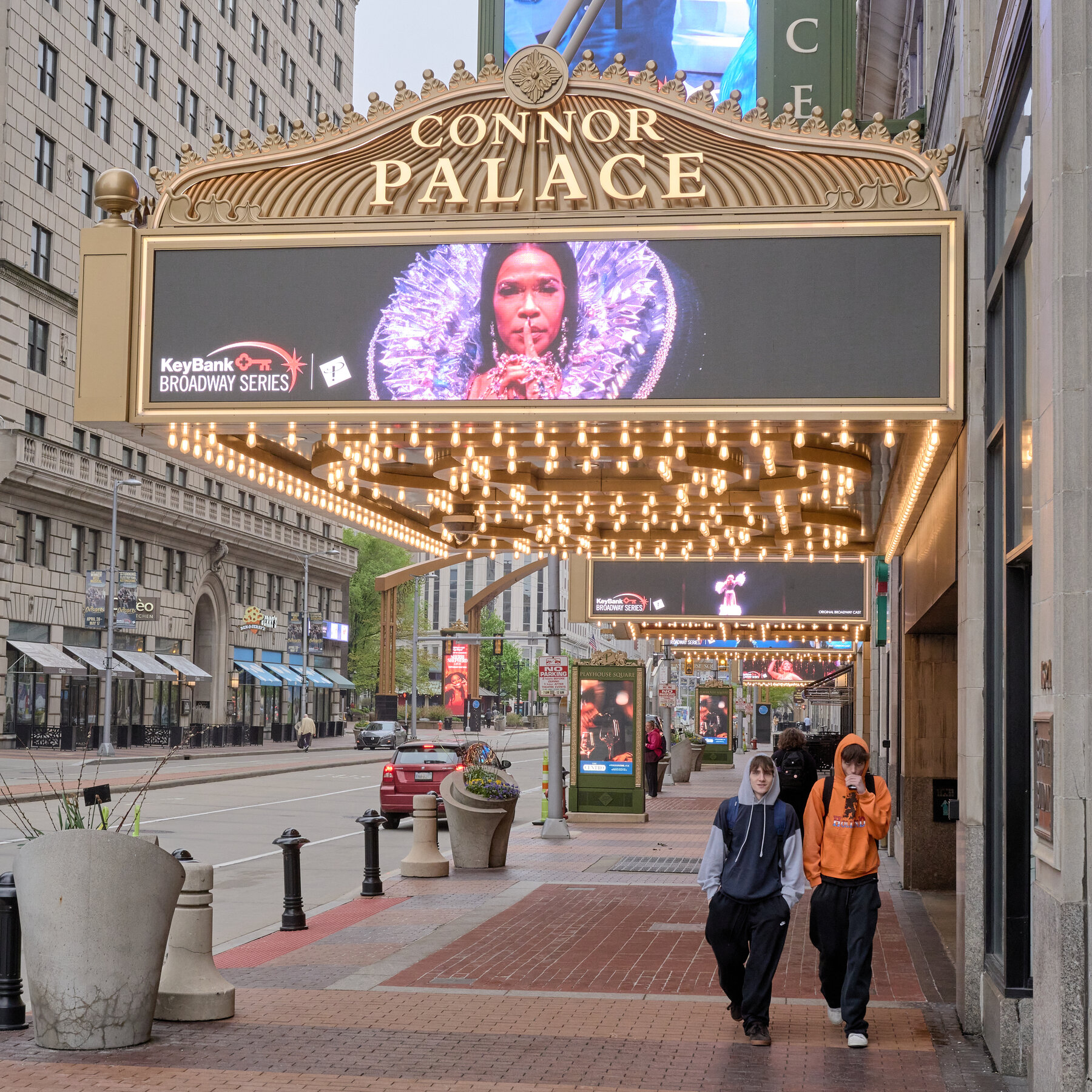
A novel cigarette tax in the Cleveland area has generated $270 million for cultural organizations, funding everything from museums to performing arts venues. The tax, designed to support the arts while discouraging smoking, has become a significant revenue source for the region's cultural sector.

US states step up to fund the arts in the wake of federal cuts

State legislatures across the US have continued to fund their arts and humanities agencies for fiscal year 2026, with aggregate spending totaling $649.2 million across 50 states and four territories—a 7.4% decrease from 2025 levels. While 29 states increased their arts funding, others saw significant cuts, including New Hampshire (90% reduction), Hawaii (74.9% drop), and Missouri (59.7% decline). The data comes from the National Assembly of State Arts Agencies (NASAA), which notes an uncertain fiscal environment but highlights that overall state investment in the arts is being sustained despite federal pressures.

Call for Applications: Reiwa 8 (2026) Overseas Training Program for Emerging Artists – Japanese Culture Promotion and Dissemination Project

公募|令和8年度新進芸術家海外研修制度における「日本文化発信・普及事業」

Japan's Agency for Cultural Affairs (Bunka-cho) is now accepting applications for the "Japanese Culture Promotion and Dissemination Project" under the 2026 (Reiwa 8) Overseas Training Program for Emerging Artists. This separate track supports established cultural figures, artists, and researchers—not just emerging artists—to conduct activities that promote and disseminate Japanese culture abroad. The program covers travel, accommodation, and activity costs up to 1.5 million yen, with派遣 periods ranging from 20 to 80 days between October 1, 2026 and March 31, 2027. Applications must be received by June 5, 2025, and results will be announced by early September.