

filter_list Showing 3 results for "America" close Clear
dashboard All 611 museum exhibitions 359article news 69trending_up market 33person people 33article local 29article policy 25article culture 24candle obituary 19rate_review review 15gavel restitution 3article museums 1article event 1
date_range Range Today This Week This Month All
Subscribe

South Carolina’s International African American Museum Officially Acquires Earliest Known Daguerreotypes of Enslaved Americans

South Carolina’s International African American Museum Officially Acquires Earliest Known Daguerreotypes of Enslaved Americans

The International African American Museum in Charleston, South Carolina, has officially acquired the "1850 Daguerreotypes," the earliest known photographs of enslaved Americans. The set of 15 images, taken by J.T. Zealy, depicts seven enslaved individuals—Alfred, Delia, Drana, Fassena, Jack, Jem, and Renty—and had been held by Harvard University until a recent legal settlement. Harvard had owned the daguerreotypes since they were commissioned in 1850 by natural historian Louis Agassiz.
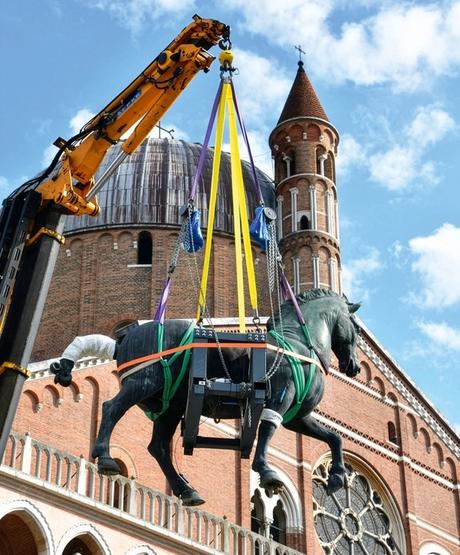
One of Donatello’s most important bronze statues is being restored: should it ever be shown outdoors again?

Donatello's monumental 1453 bronze equestrian statue, Gattamelata, has been moved from its outdoor plinth in Padua to a nearby indoor hall for a major €1 million restoration. This marks only the third time the statue has been moved indoors in nearly 600 years, prompted by severe corrosion known as "bronze cancer" and structural concerns about its stone pedestal. The restoration is funded by two American non-profit organizations, Friends of Florence and Save Venice.

France’s new restitution law passes final vote

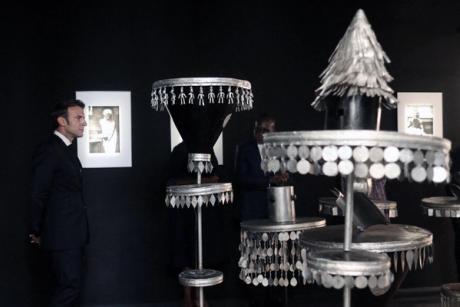
The French parliament has officially passed framework legislation establishing a legal pathway for the restitution of cultural artifacts looted from former colonies. This landmark law, inspired by a report from former Louvre director Jean-Luc Martinez, allows for the deaccession of items taken by force or under duress between 1815 and 1972. While the law fulfills a 2017 pledge by President Emmanuel Macron, it remains strictly supervised, requiring bilateral scientific committees to verify claims and excluding military archives and archaeological shares.