
filter_list Showing 3 results for "Aram" close Clear
dashboard All 50 museum exhibitions 24article local 6article news 6gavel restitution 3trending_up market 3article policy 2article culture 2person people 1article gallery 1candle obituary 1rate_review review 1
date_range Range Today This Week This Month All
Subscribe

60% of Sudan’s National Museum Looted, Report Says

60% of Sudan’s National Museum Looted, Report Says

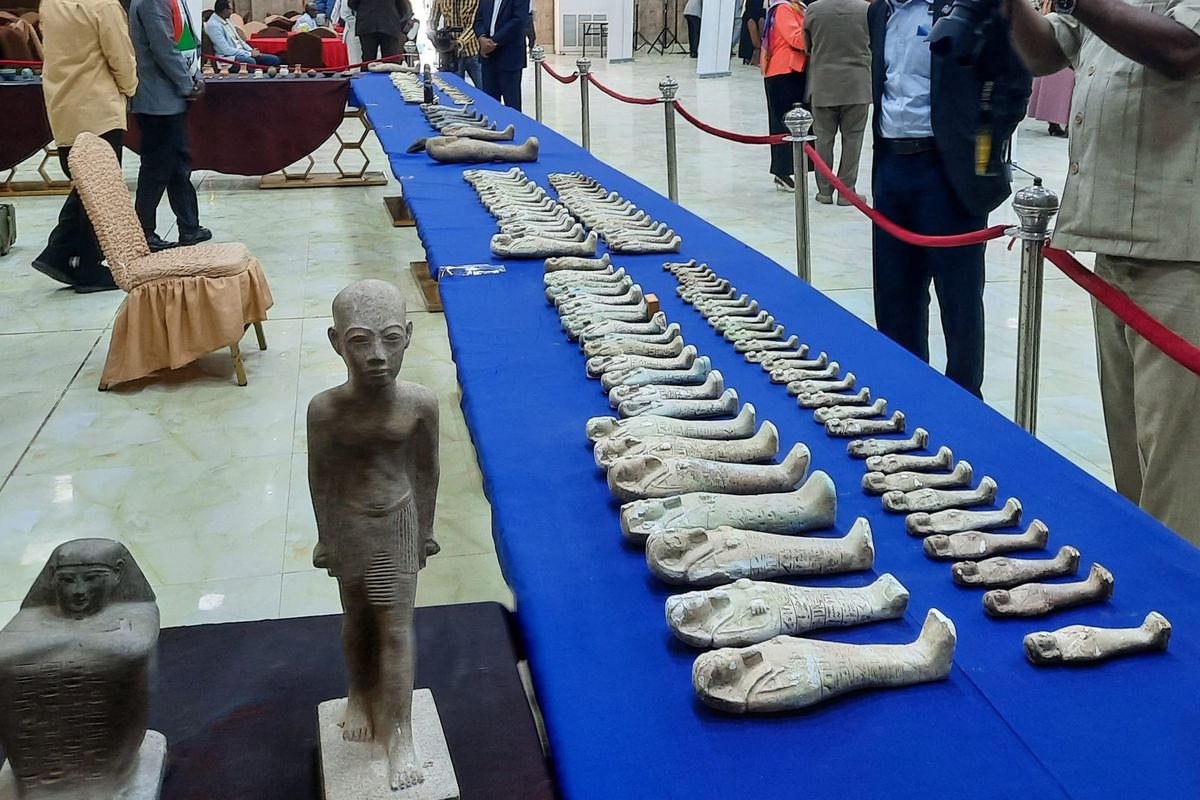
Over 60% of the holdings of the Sudan National Museum in Khartoum have been looted during the country's ongoing civil war. The paramilitary Rapid Support Forces, which controlled the capital for two years, deliberately targeted high-value portable objects like gold and jewelry, stripping storage areas while leaving less portable artifacts behind. Although the museum building remains standing, tens of thousands of antiquities from its collection of 150,000 objects were plundered, with some appearing for sale online.
Smithsonian’s National Museum of Asian Art returns three sculptures to Cambodia

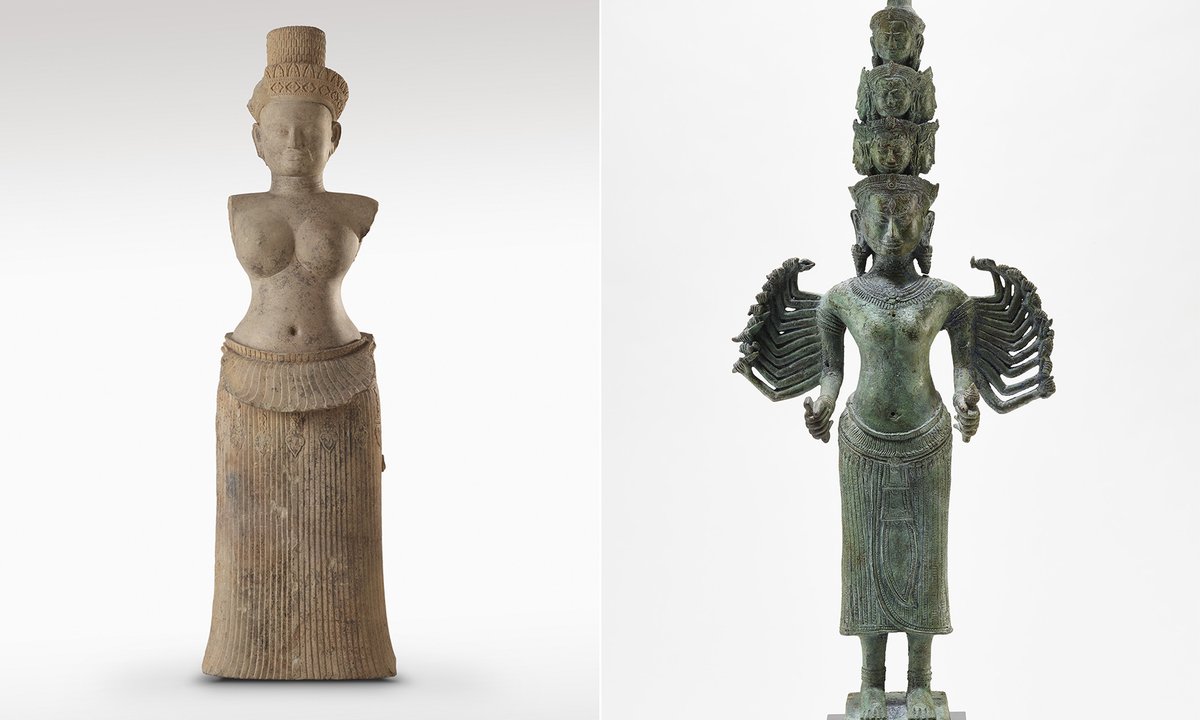
The Smithsonian’s National Museum of Asian Art (NMAA) in Washington, DC, has voluntarily returned three sculptures to the Cambodian government after an internal provenance investigation determined the objects were likely removed from Cambodia during the country’s civil war (1967-75). The returned artifacts include a tenth-century sandstone head of Harihara, a tenth-century sandstone sculpture of the goddess Uma, and a bronze statue of Prajnaparamita from around 1200. The museum’s director, Chase F. Robinson, stated that strong evidence linked the pieces to problematic dealers and a context of war and violence, and that no documentation supported their lawful export. The objects were donated to the NMAA by Arthur M. Sackler and Gilbert and Ann Kinney without proper provenance papers.

national museum of asian art returns sculptures to cambodia 1234766709

On December 11, the National Museum of Asian Art (NMAA), part of the Smithsonian Institution in Washington, D.C., announced it is returning three Khmer period sculptures to Cambodia. The works—a 10th-century Uma, a 10th-century Harihara, and a circa-1200 Prajnaparamita—were determined to have been likely looted during Cambodia’s civil war (1967–1975), based on research with Cambodian authorities, lack of export documentation, and links to dealers known for trafficking looted antiquities.