
filter_list Showing 3 results for "Braun" close Clear
search
dashboard All 49 museum exhibitions 22article local 8trending_up market 6article culture 3gavel restitution 3rate_review review 2article news 2person people 1candle obituary 1article event 1
date_range Range Today This Week This Month All
Subscribe

Jewish Heirs File Suit in French Court Over Ownership of Pissarro Painting

jewish heirs file suite french court met ownership pissarro painting

Seven heirs of the late department store magnate and art collector Max Julius Braunthal have filed a lawsuit in a French court, seeking to nullify the 1941 sale of Camille Pissarro's painting 'Haystacks, Morning, Eragny' (1899). They argue the sale was made under duress during the Nazi occupation of France. The painting is now in the collection of the Metropolitan Museum of Art, which maintains Braunthal received fair market value.
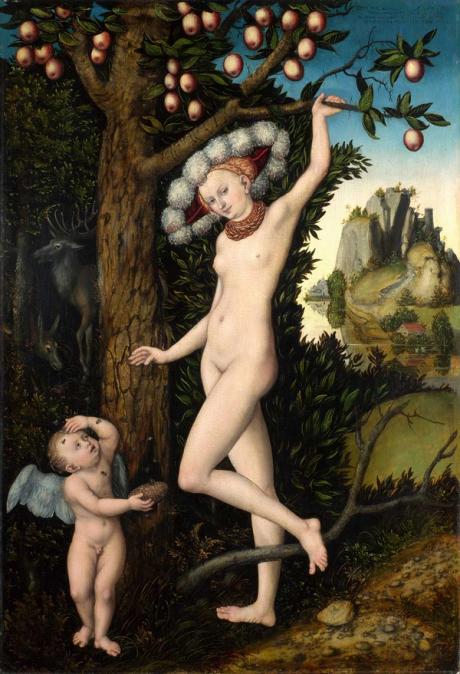
Famous Cranach painting spotted in rare photograph of Hitler’s apartment

A rare photograph from the early 1940s reveals that Lucas Cranach the Elder's painting *Cupid complaining to Venus* (1526-27), now a masterpiece in the National Gallery, London, once hung in Adolf Hitler's private Munich apartment. The image, previously published in Germany by provenance expert Birgit Schwarz, appears for the first time in an English-language publication. The painting was acquired by the National Gallery in 1963 from E. and A. Silberman Galleries in New York, which provided a false provenance. It had been taken from a warehouse of recovered art in 1945 by American journalist Patricia Lochridge, who smuggled it into the United States.

brueghel mayken verhulst

Recent evidence suggests that Mayken Verhulst (ca. 1518–1599), the mother-in-law of Pieter Brueghel the Elder, authored works long attributed to the anonymous Brunswick Monogrammist. A key painting, *Ecce Homo* from the National Museum in Gdańsk, bears a unique double signature combining the initials of her husband, Pieter Coecke van Aelst, with her family name “Bessemer,” indicating her authorial role within the workshop. This discovery, detailed in an essay from the exhibition *The Woman Question 1550–2025* at the Museum of Modern Art Warsaw, challenges centuries of art-historical attribution.