filter_list Showing 10 results for "MONO" close Clear
dashboard All 390 museum exhibitions 204article news 48article culture 42article policy 21trending_up market 19candle obituary 15rate_review review 14person people 12gavel restitution 10article local 5
date_range Range Today This Week This Month All
Subscribe

Mexico’s art community calls for greater transparency in management of treasured collection

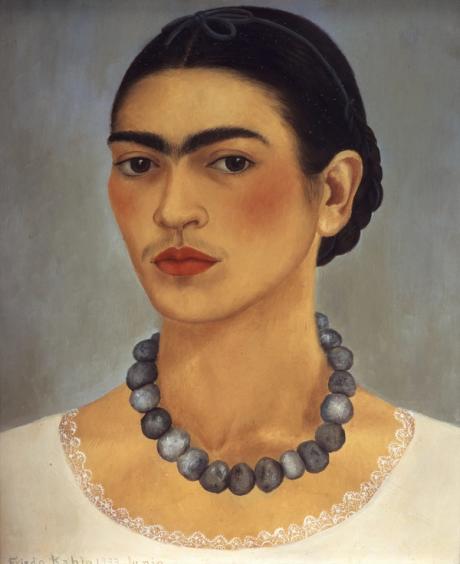
Over 350 Mexican cultural professionals have signed an open letter demanding greater transparency from the Instituto Nacional de Bellas Artes y Literatura (INBAL) regarding the management and export of the Gelman Collection. The collection, recently acquired by the Zambrano family and rebranded as the Gelman Santander Collection, includes 18 works by Frida Kahlo and other major 20th-century Mexican artists, with 30 pieces designated as national artistic monuments requiring state oversight.
Where Does "Guernica" Belong?

Wohin gehört "Guernica"?

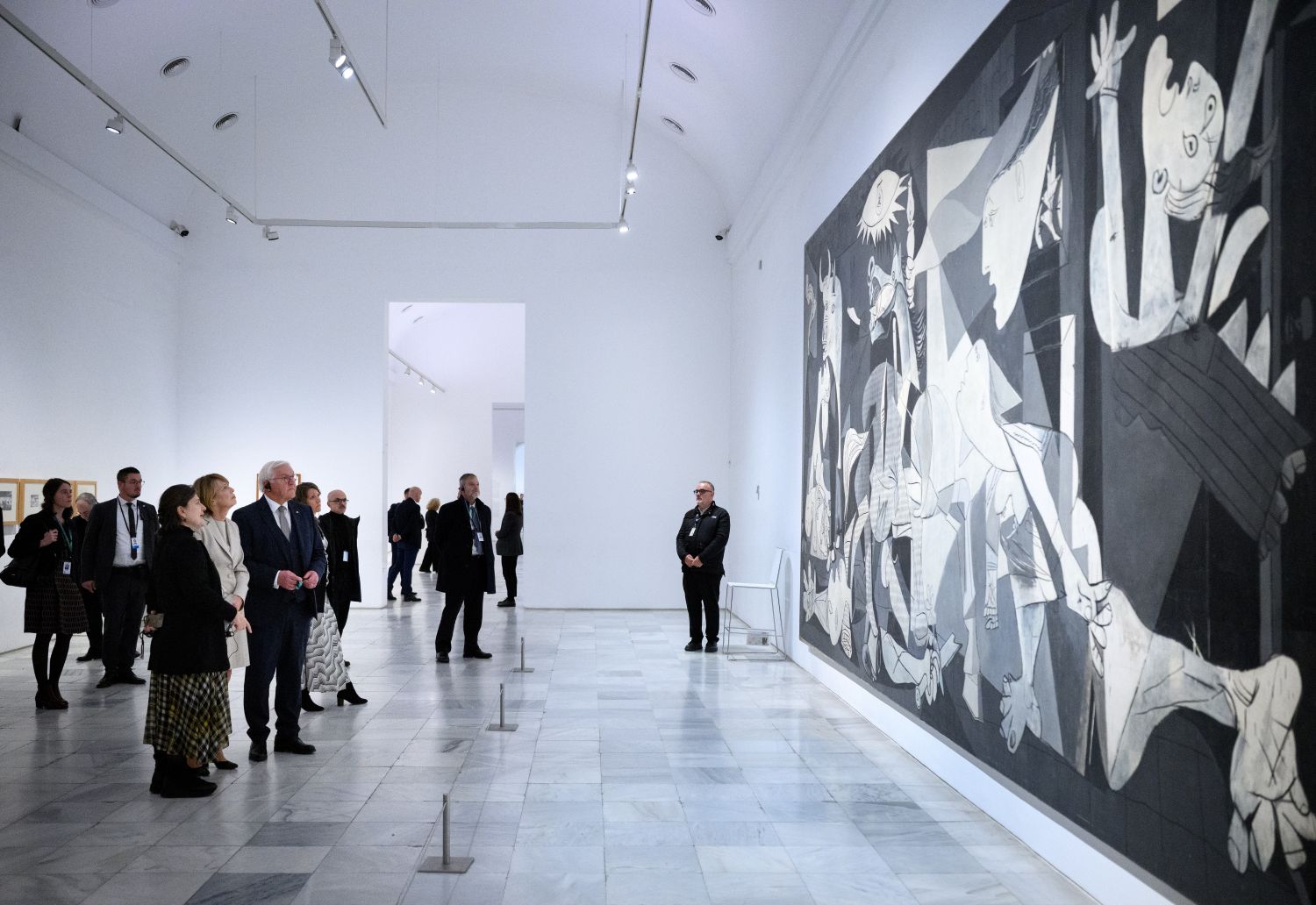
Basque Prime Minister Imanol Pradales has formally requested the temporary transfer of Pablo Picasso’s masterpiece "Guernica" from Madrid to the Basque Country. The proposal seeks to exhibit the monumental 1937 anti-war painting at the Guggenheim Museum Bilbao for nine months starting in late 2026 to coincide with the 90th anniversary of the town's bombing. While the work depicts the destruction of the Basque town of Gernika by Nazi and Italian fascist forces, it has resided at the Museo Reina Sofía in Madrid since 1992.

brueghel mayken verhulst 2710689

Recent evidence suggests that Mayken Verhulst (ca. 1518–1599), the mother-in-law of Pieter Brueghel the Elder, authored works long attributed to the anonymous Brunswick Monogrammist. A key painting, *Ecce Homo* from the National Museum in Gdańsk, bears a unique double signature combining the initials of her husband, Pieter Coecke van Aelst, with her family name “Bessemer,” indicating her authorial role within the workshop. This discovery, detailed in an essay from the exhibition *The Woman Question 1550–2025* at the Museum of Modern Art Warsaw, challenges centuries of art-historical attribution.

Where are the Louvre Jewels?

Wo sind die Louvre-Juwelen?

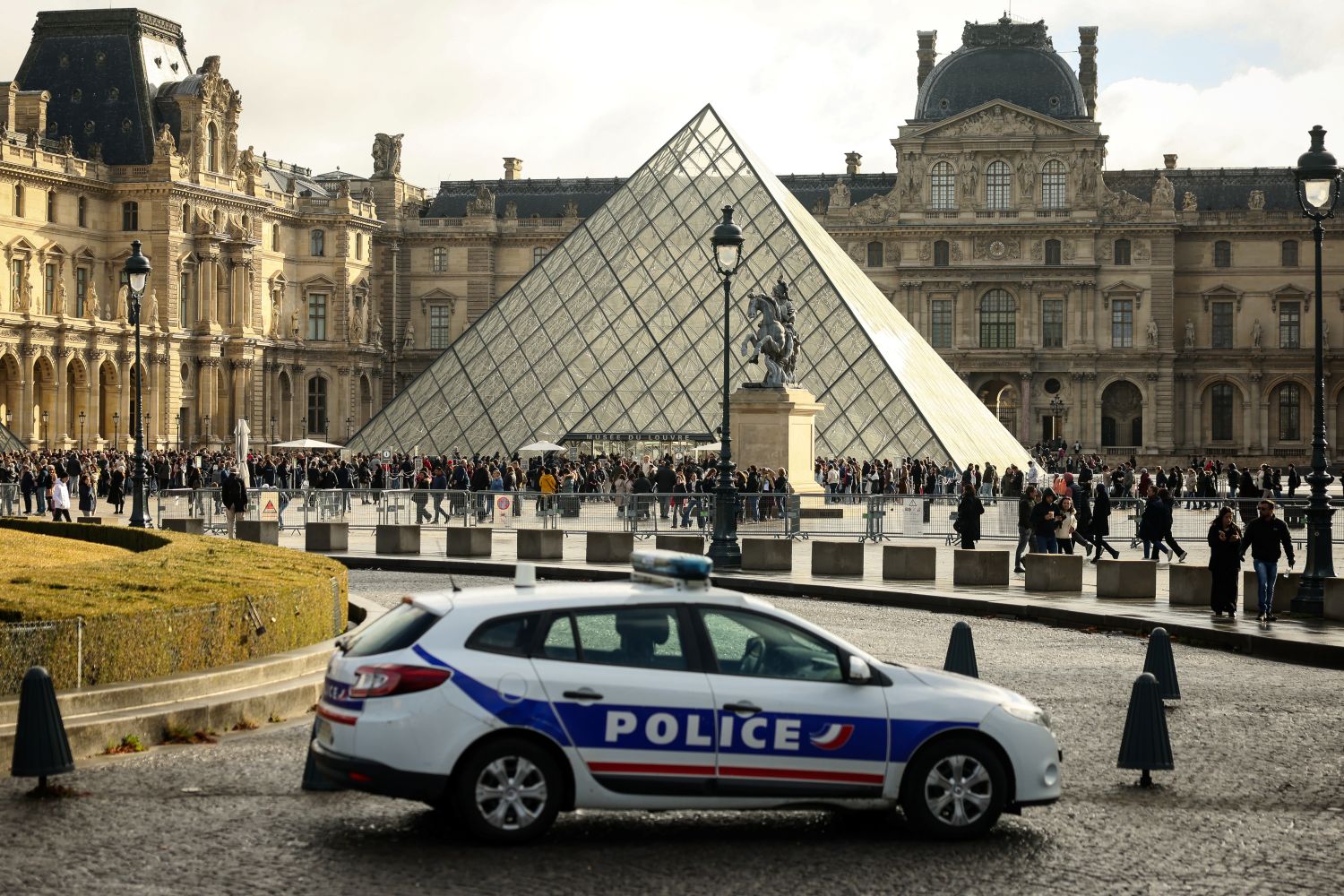
Six months after a high-profile heist at the Louvre, investigators remain in pursuit of stolen jewelry valued at approximately €88 million. While four suspects are currently in custody, the bulk of the Second Empire-era treasures remains missing, leading to fears that the pieces may have been dismantled or melted down. The investigation has shifted focus toward how the thieves obtained a sensitive 2018 security audit that detailed vulnerabilities in the museum's defenses.

Gold Romanian Helmet Recovered After Explosive Heist at Dutch Museum

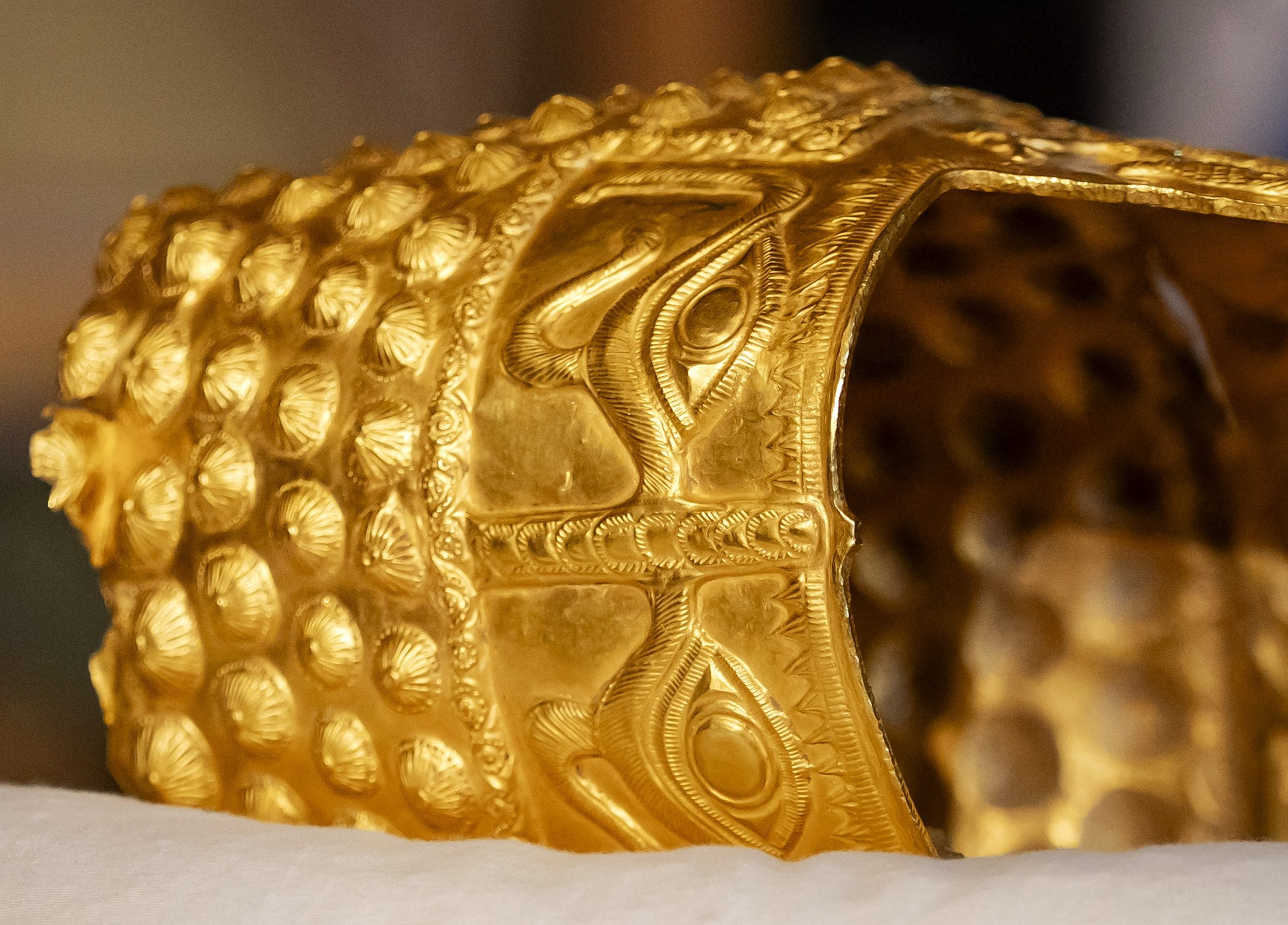
Dutch police have recovered a 2,500-year-old gold Dacian helmet and two of three gold bracelets stolen in a 2025 museum heist. The artifacts were returned as part of a plea deal with suspects, who were offered reduced sentences and a cash enticement to reveal their location.

Berlin Museum to Return Almost 600 Skulls

Berliner Museum will fast 600 Schädel zurückgeben

The Prussian Cultural Heritage Foundation in Berlin has announced plans to repatriate hundreds of human skulls to West African nations following a multi-year provenance investigation. The research identified the origins of 574 skulls, with 336 linked to present-day Cameroon, 151 to Togo, 23 to Ghana, and one to Nigeria, while 63 could not be precisely located. The skulls were part of a historical anthropological collection transferred from Berlin's Charité university hospital in 2011.

Historical Museum Returns Painting

Historisches Museum gibt Bild zurück

The German Historical Museum (DHM) in Berlin has restituted a 19th-century portrait of historian Leopold von Ranke to the von der Schulenburg family. The painting by Adolf Jebens, dated 1876, was seized in 1945 during a land reform in the Soviet Occupation Zone from the family's Schloss Lodersleben estate. The museum's director, Raphael Gross, confirmed the return after provenance research identified the work's history.

New rules on importing cultural artefacts create headaches at Tefaf Maastricht

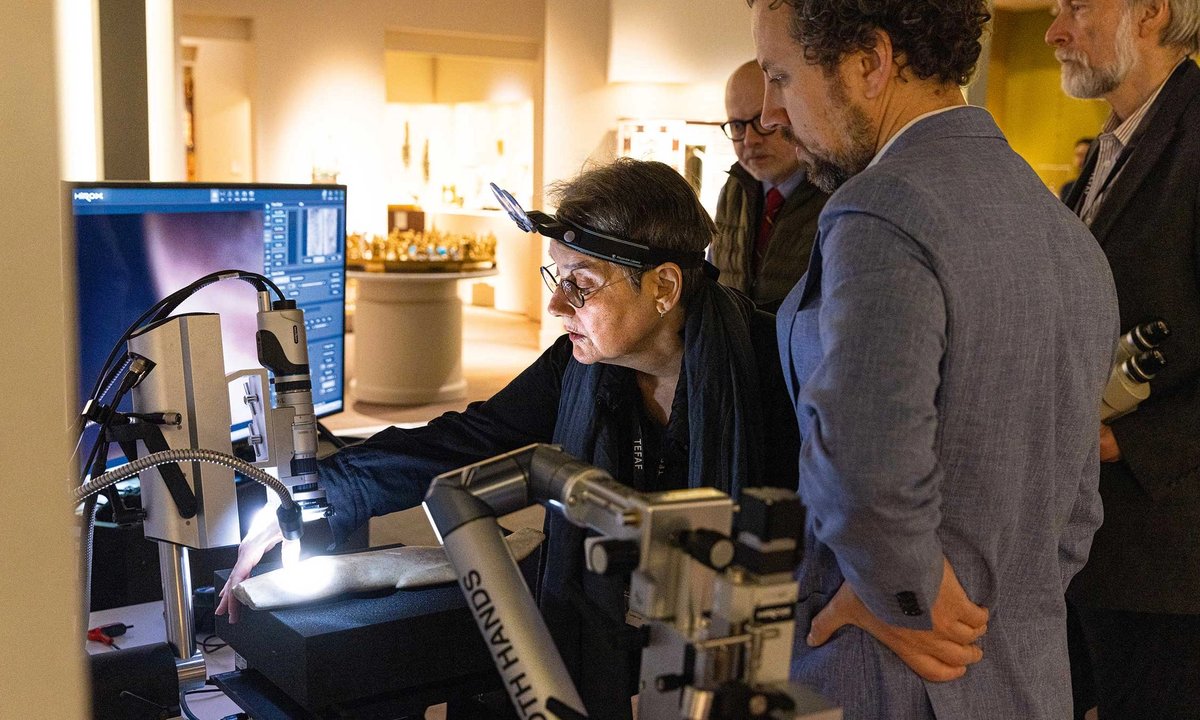
The implementation of new EU regulations on the import of cultural goods over 250 years old is causing significant disruption at TEFAF Maastricht. Dealers and collectors are facing administrative hurdles, including difficulties obtaining mandatory EORI numbers and inconsistent enforcement by customs officials. These rules, which require extensive documentation for items originating outside the EU, have led to seized shipments and a general crisis of confidence among international exhibitors.

Investigators search again for stolen Celtic gold treasure

Ermittler suchen erneut nach gestohlenem Kelten-Goldschatz

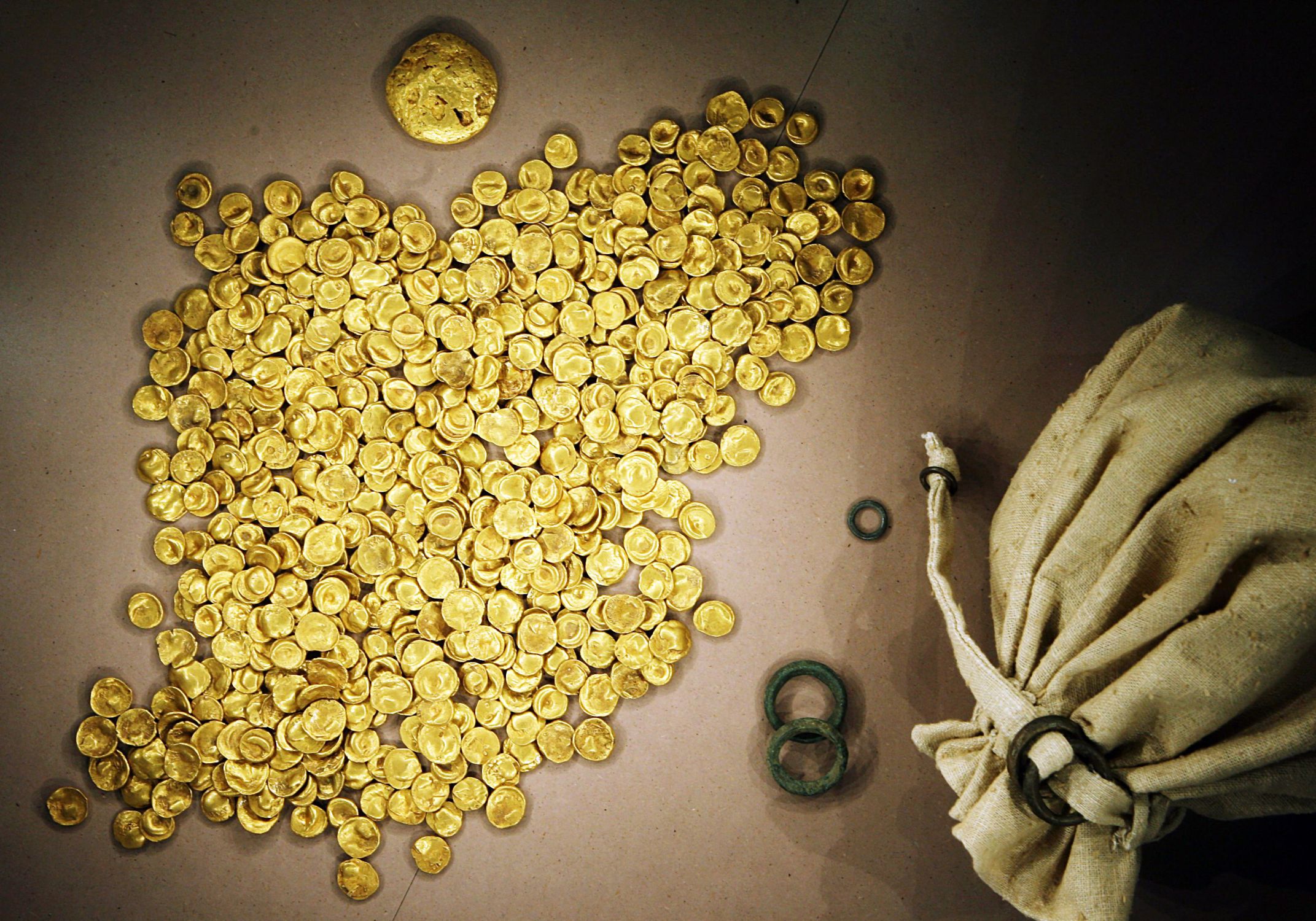
More than three years after the theft of a Celtic gold treasure from the Kelten Römer Museum in Manching, Bavaria, investigators are conducting a new search for the missing loot. Four perpetrators were arrested and sentenced to long prison terms in July 2025, but only a small portion of the stolen gold coins was recovered. Now, based on new intelligence, Bavarian state police are searching the property of the main suspect and his partner in Plate, Mecklenburg-Vorpommern, using X-ray and radar technology. They believe 411 gold coins and a gold casting ingot—about three kilograms of gold—are professionally hidden there, along with cash from other burglaries. The suspect's partner is under investigation for money laundering for allegedly offering to help sell the gold.

Bavarian State Police Return Saint Figures to the Czech Republic

LKA gibt Heiligenfiguren an Tschechien zurück

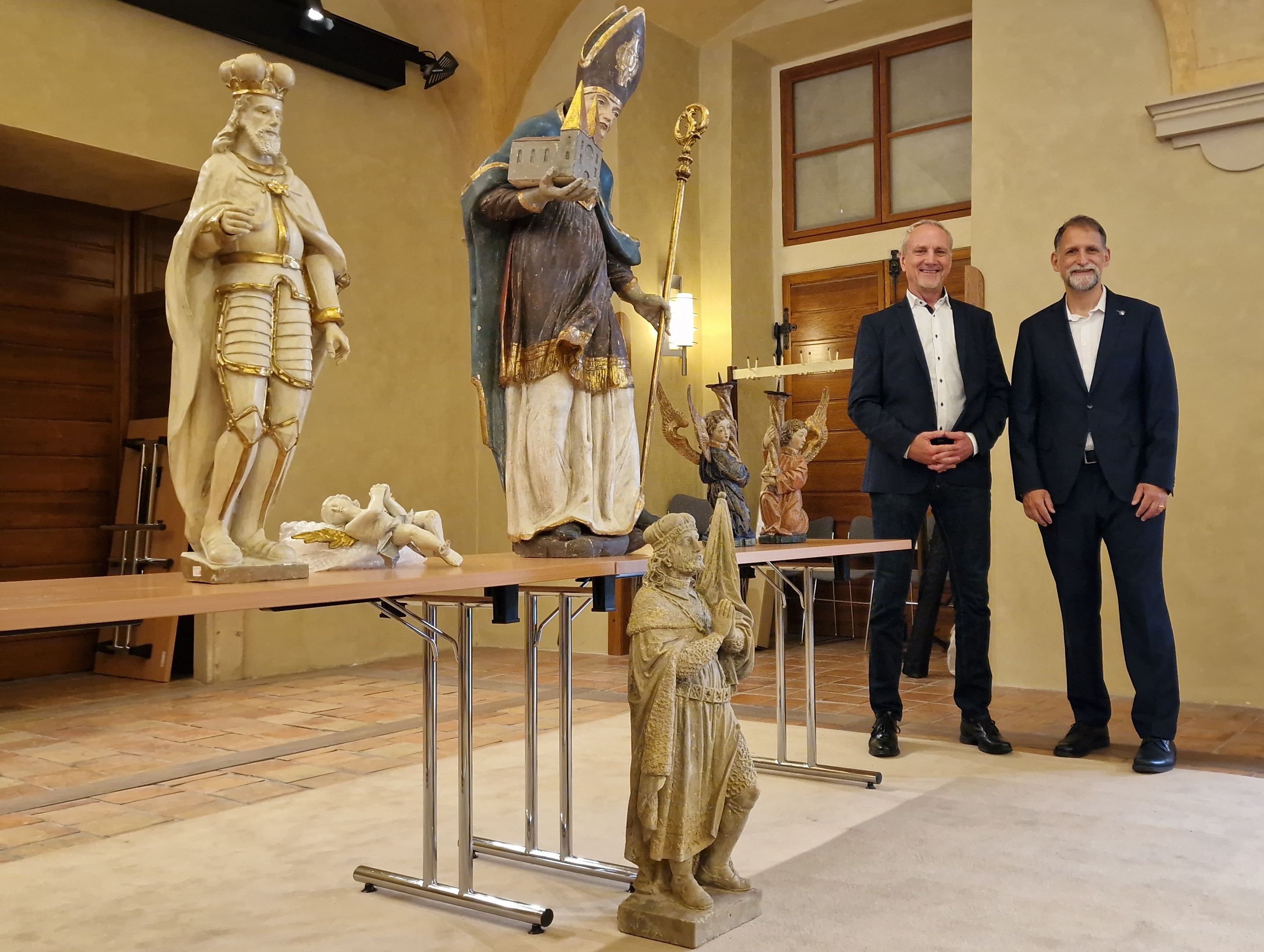
Bavarian state police (LKA) have returned five stolen religious sculptures—saints and angel figures—to Czech authorities. The artworks, some dating back centuries, were stolen from Czech churches as early as 1993 and later offered for online sale in Bavaria and Berlin. The handover ceremony took place in Prague, coordinated with Germany's Federal Government Commissioner for Culture and Media (BKM).