filter_list Showing 6 results for "NATO" close Clear
search
dashboard All 368 museum exhibitions 166article local 46article news 46article policy 39article culture 29trending_up market 12candle obituary 9person people 8rate_review review 7gavel restitution 6
date_range Range Today This Week This Month All
Subscribe

Mexico’s art community calls for greater transparency in management of treasured collection

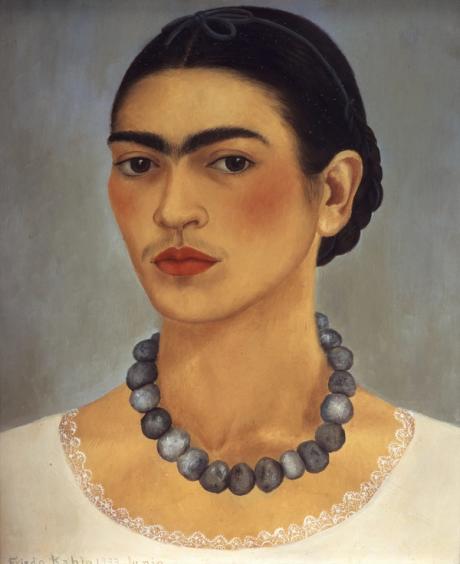
Over 350 Mexican cultural professionals have signed an open letter demanding greater transparency from the Instituto Nacional de Bellas Artes y Literatura (INBAL) regarding the management and export of the Gelman Collection. The collection, recently acquired by the Zambrano family and rebranded as the Gelman Santander Collection, includes 18 works by Frida Kahlo and other major 20th-century Mexican artists, with 30 pieces designated as national artistic monuments requiring state oversight.
Spain’s Culture Minister Rejects Guernica Transfer, but Basque Leaders Refuse to Take No for an Answer

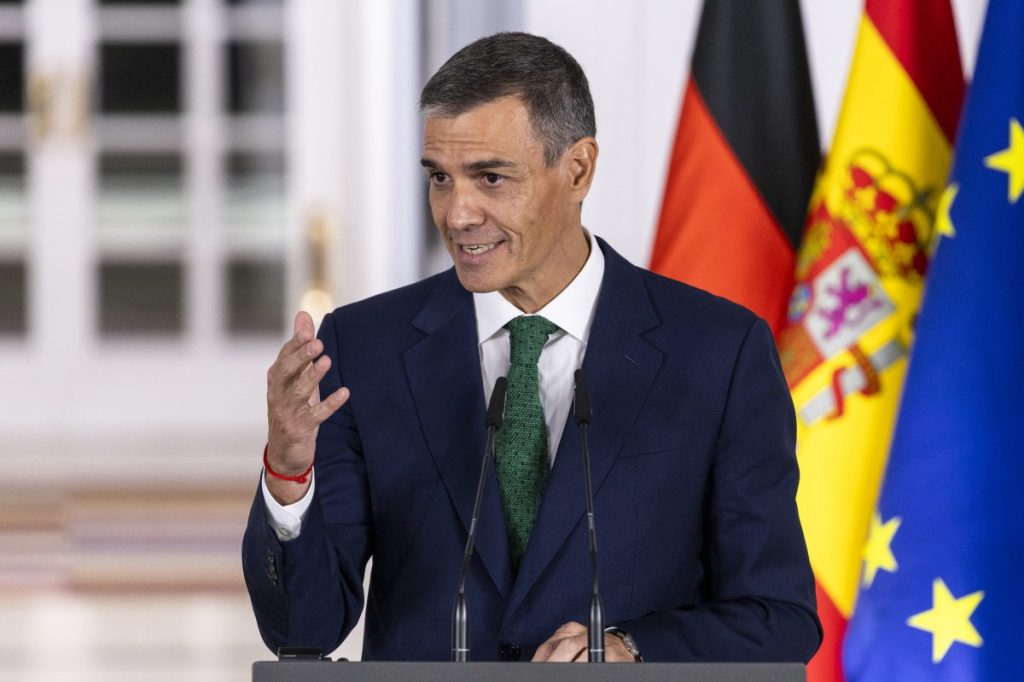
Spain’s Culture Minister, Ernest Urtasun, has officially rejected a request from the Basque regional government to temporarily transfer Pablo Picasso’s iconic painting, Guernica, to the Guggenheim Museum Bilbao. Citing conservation reports from the Museo Reina Sofía, Urtasun argued that the 1937 masterpiece is too fragile to travel and that his primary duty is to preserve the work for future generations. Basque leaders, led by Lehendakari Imanol Pradales and Senator Igotz López, have challenged this decision, calling for an independent feasibility study and appealing directly to Prime Minister Pedro Sánchez.

London’s V&A launches webpage exploring provenance of its objects

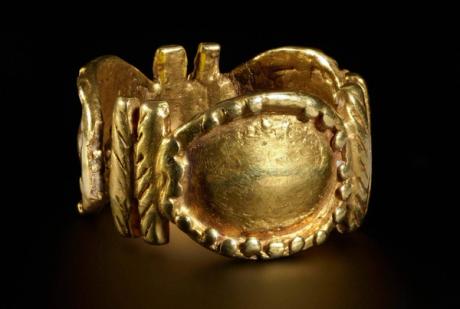
The Victoria and Albert Museum (V&A) in London has launched a dedicated digital hub to document the provenance of its collection, specifically addressing objects acquired through violence, coercion, or looting. The initiative includes detailed research on controversial items such as the Maqdala material from Ethiopia, Asante Regalia from Ghana, and imperial Chinese jade. This transparency effort coincides with International Provenance Research Day and aims to provide public accountability regarding the museum's colonial-era acquisitions.

italian politicians protest return of altarpiece slovenia

A 16th-century altarpiece by Vittore Carpaccio, *Madonna and Child Enthroned with Six Saints* (1518), has been returned to the Slovenian town of Piran, where it was originally commissioned for the Church of St. Francis of Assisi. The painting was removed in 1940 and placed in Padua for safekeeping during World War II, remaining in the Basilica of Sant’Antonio for decades. Following pressure from Franciscan friars in Padua, the work was quietly transferred back to Piran on September 4, days before Italian President Sergio Mattarella’s state visit to Slovenia. Slovenian Culture Minister Asta Vrečko hailed the return as the result of long-standing efforts.

French government adopts bill for restitution of colonial-era objects

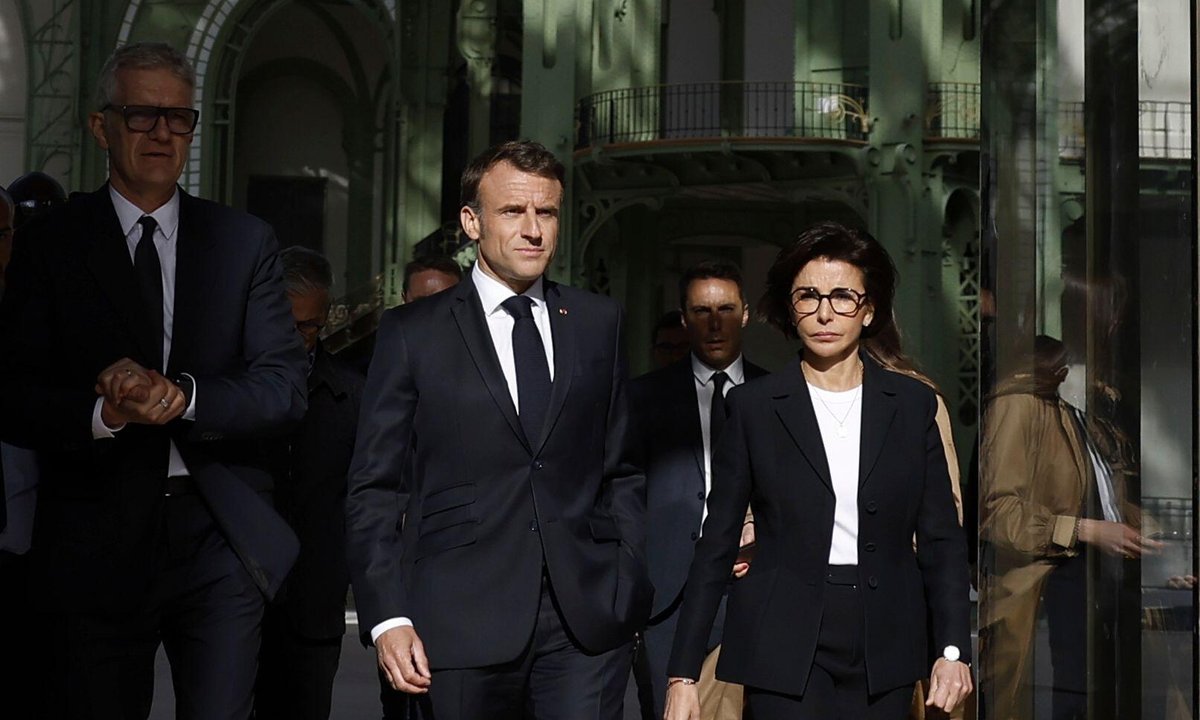
The French government has adopted a bill that facilitates the restitution of cultural objects plundered from former colonies, eight years after President Emmanuel Macron pledged to return African heritage. Presented by Culture Minister Rachida Dati, the bill maintains that French public collections are inalienable but creates an exemption for items taken by force between 1815 and 1972. Restitution requests must come from foreign states, be for public preservation and display, and involve items allegedly stolen, looted, or sold under duress. A bilateral scientific committee will examine each case, with final approval from the Conseil d'État. The bill aims to replace the current slow, case-by-case legislative process that has resulted in only 30 objects returned since 2017.

Dutch Commission Recommends New Guardianship for ‘Orphaned’ Nazi-Looted Art

A Dutch government-appointed committee has proposed transferring guardianship of thousands of unclaimed Nazi-looted artworks from a state agency to a Jewish foundation, preferably housed at the Jewish Museum in Amsterdam. The plan includes funding for exhibitions and explanatory labels to publicly display the so-called "orphaned" art from the Netherlands Art Property Collection.