

filter_list Showing 3 results for "REMAINS" close Clear
search
dashboard All 192 museum exhibitions 84article news 27trending_up market 24article culture 14article local 13person people 9candle obituary 8article policy 6rate_review review 4gavel restitution 3
date_range Range Today This Week This Month All
Subscribe

The Founders of Open Restitution Africa (ORA) on Their New Open Data Platform

On March 31, the research initiative Open Restitution Africa (ORA) launched the ORA Open Data Platform, a database providing information on the restitution of African artifacts and ancestral remains. Developed over six years by ORA’s all-woman, pan-African team, the site uses case histories and AI-powered tools to offer practical insights into the return process, available in French and English. It presents 25 case histories spanning 200 years, using data visualizations, essays, and interactive tools to help individuals and communities develop their own restitution strategies. ARTnews interviewed founders Chao Tayiana Maina and Molemo Moiloa about the project's origins and goals.
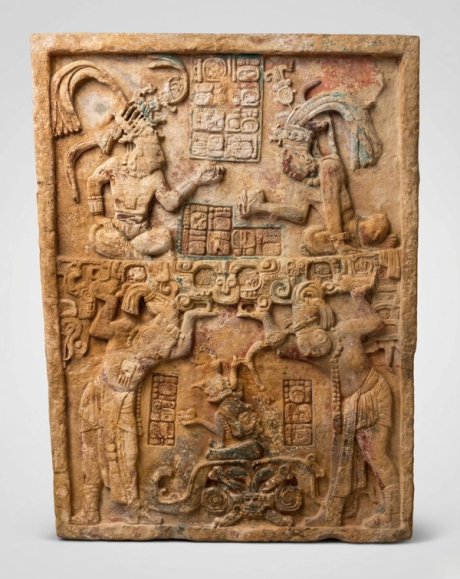
Guatemala stakes claim to stone lintel by 'the Michelangelo of the pre-Columbian era' that was repatriated to Mexico

A Maya stone lintel, dating from AD600-AD900 and depicting a ritual scene associated with the ruler Cheleew Chan K'inich, was repatriated to Mexico on April 16 after being turned over to the Mexican consulate in New York by an unnamed US businessman. However, hours after the ceremony, experts determined the lintel actually originated from Guatemala's Petén Basin. Guatemala's cultural ministry, led by minister Luis Méndez Salinas, has formally requested the object's return through diplomatic channels, citing technical analysis and consultations with archaeologists.

Who Owns These Artworks? Musée d’Orsay Hopes Visitors Can Help Find Out.

The Musée d’Orsay in Paris has opened a new room in its permanent display featuring 13 artworks recovered from Germany and Austria after World War II, whose provenance remains unknown. The museum is inviting visitors to help identify the original owners of these pieces, which were looted or displaced during the war and later restituted to France.