filter_list Showing 11 results for "SHARE" close Clear
search
dashboard All 890 museum exhibitions 417article local 141article culture 100article news 75trending_up market 60person people 51article policy 19gavel restitution 11rate_review review 10candle obituary 5article event 1
date_range Range Today This Week This Month All
Subscribe

madrid court spanish count pay sale goya portrait

A Madrid court has ruled that Fernando Ramírez de Haro, 10th Marquess of Villanueva del Duero, must pay his brother Íñigo Ramirez de Haro, Marquis de Cazaza in Africa, €853,732 from the proceeds of the 2012 sale of Francisco de Goya's portrait *Portrait of Valentín Belvís de Moncada* (ca. 1795–1800). The painting, inherited from their father, was sold for €5.8 million to billionaire Juan Miguel Villar Mir via Sotheby's. Íñigo sued Fernando for failing to distribute shares of the sale to siblings as agreed in a 2014 family settlement, alleging fraud, document falsification, and that Fernando's wife, former Spanish minister Esperanza Aguirre, abused her office by not registering the work as national heritage.
is spains sistine chapel of romanesque art at risk

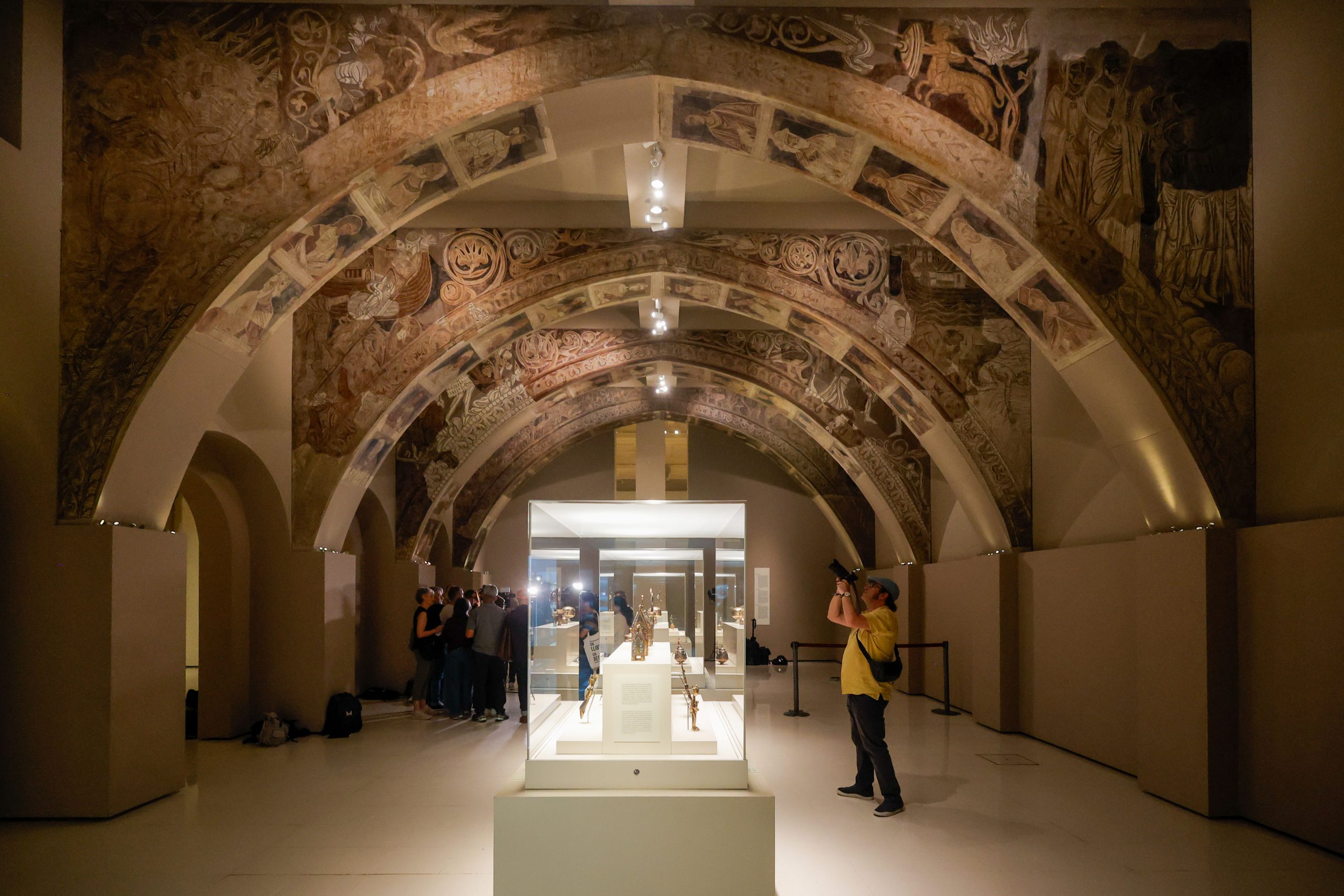
The Spanish Supreme Court has ordered the return of the Sijena Murals, 12th-century Romanesque frescoes known as the "Sistine Chapel of Romanesque Art," from the National Art Museum of Catalonia (MNAC) in Barcelona to their original monastery in Huesca, Aragon, by June 25. However, the MNAC is resisting the move, arguing that transporting the fragile, fire-damaged murals poses a "real risk of irreparable damage." The museum has requested more information about the destination and conditions at the Sijena monastery, and has suggested a longer timeline for the return of particularly delicate sections, while the Sijena City Council has proposed installing the works elsewhere if necessary.

After the Incredible Art Theft, the Magnani Rocca Foundation Invites the Public to Defend the Museum and Beauty

Dopo l’incredibile furto di opere d’arte la Fondazione Magnani Rocca invita il pubblico a difendere il museo e la bellezza

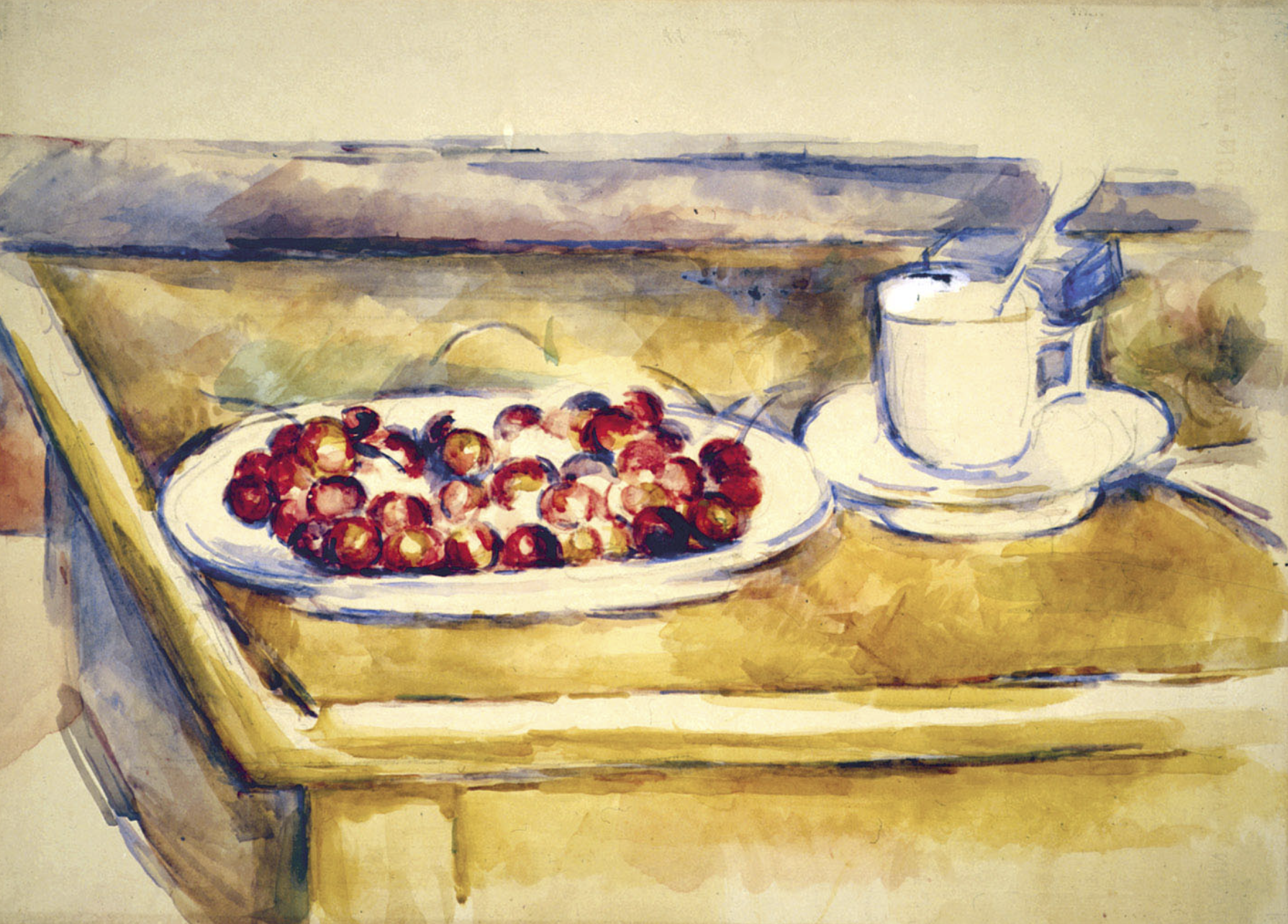
Three valuable paintings were stolen from the Fondazione Magnani Rocca in Mamiano di Traversetolo, Italy, in late March 2026. The stolen works are Pierre-Auguste Renoir's 'Les Poissons,' Paul Cézanne's 'Natura morta con ciliegie,' and Henri Matisse's 'Odissea sulla terrazza,' with a combined value estimated at several million euros. The Carabinieri's Cultural Heritage Protection Unit is investigating the theft, which occurred despite the presence of security personnel.

France’s new restitution law passes final vote

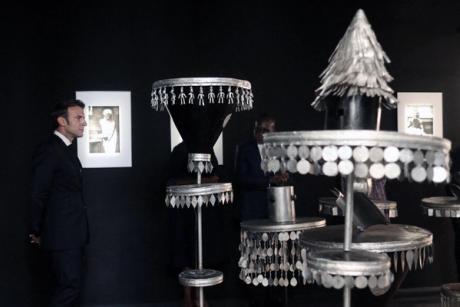
The French parliament has officially passed framework legislation establishing a legal pathway for the restitution of cultural artifacts looted from former colonies. This landmark law, inspired by a report from former Louvre director Jean-Luc Martinez, allows for the deaccession of items taken by force or under duress between 1815 and 1972. While the law fulfills a 2017 pledge by President Emmanuel Macron, it remains strictly supervised, requiring bilateral scientific committees to verify claims and excluding military archives and archaeological shares.

petition to block loan of bayeux tapestry to londons british museum garners 50000 signatures

Nearly 50,000 people have signed a petition to block the loan of the Bayeux Tapestry from France to the British Museum in London. The petition, launched in July by French art historian Didier Rykner, cites warnings from textile restorers that transporting the 1,000-year-old embroidered linen could cause irreparable damage. The tapestry is scheduled to be displayed at the British Museum from September 2026 to July 2027 while its home, the Bayeux Tapestry Museum in Normandy, undergoes renovation. The loan was announced by UK Prime Minister Keir Starmer and French President Emmanuel Macron. Prominent French cultural figures, including former Bayeux Tapestry Museum director Isabelle Attard, and British conservation watchdog ArtWatch UK director Michael Daley have voiced concerns. Rykner hopes to unite French and British opposition to stop the exchange, which also includes Anglo-Saxon and Medieval objects from the British Museum moving to France.

Zurich's Museum Rietberg transfers 11 Benin Bronzes to Nigerian government

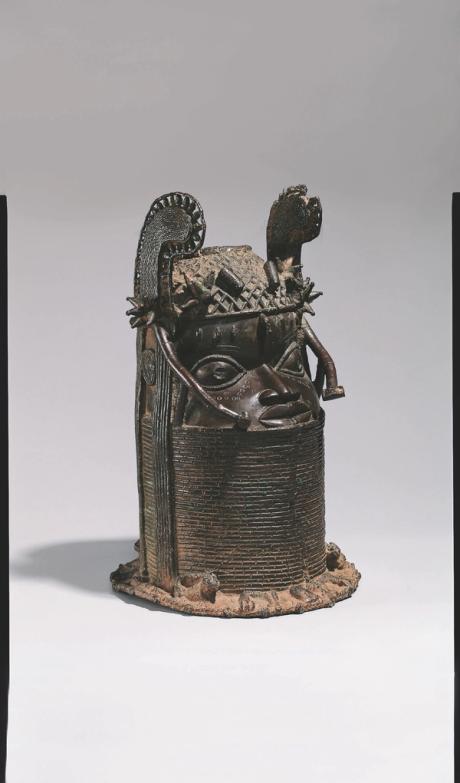
The Museum Rietberg in Zurich is transferring ownership of 11 Benin Bronzes to the Republic of Nigeria. The transfer includes a significant commemorative bronze head from around 1850 and an 18th-century ivory tusk, both looted during the British raid on Benin City in 1897, which will be physically returned to Nigeria this summer.

Did Qatar’s Courbet acquisition short-circuit French export licence process?

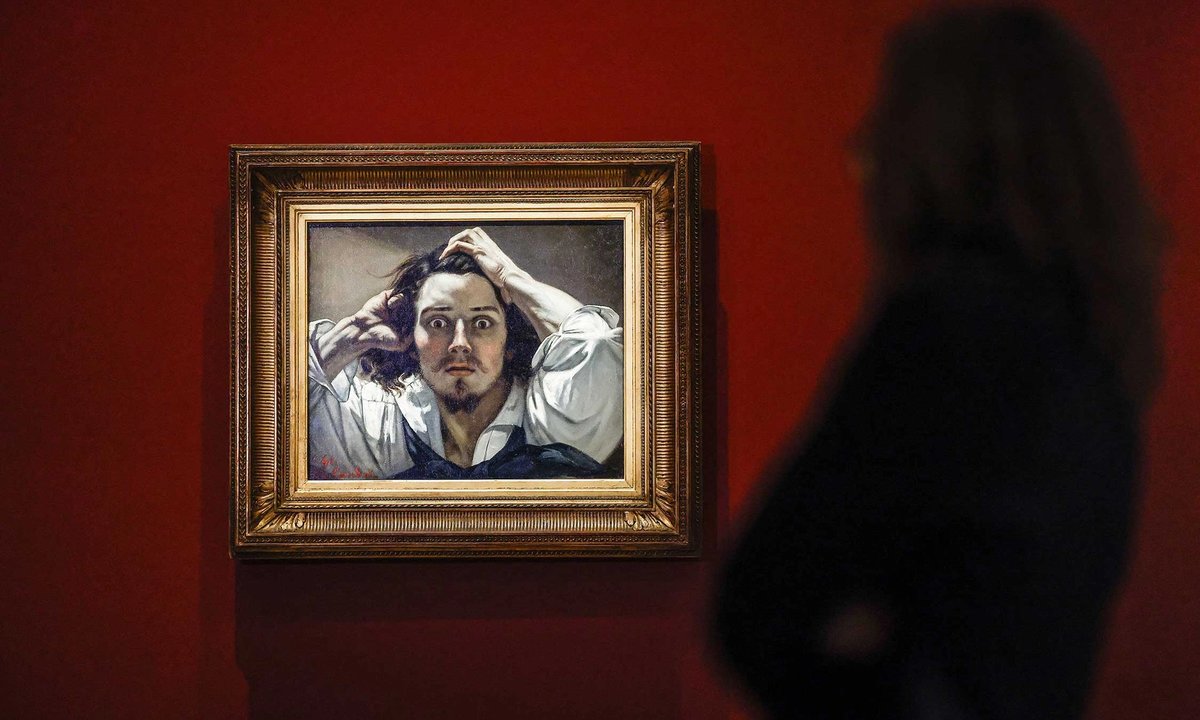
Qatar Museums has acquired Gustave Courbet's early self-portrait *Le Désespéré* (1843-45) from a French collector for €50 million, bypassing the standard French export licence process. The Musée d'Orsay revealed the purchase at a private event in October, announcing the painting will be lent to the museum for five years before moving to Qatar's future Art Mill Museum (opening by 2030). The sale was conducted without an export certificate, with the justification that the work will remain in France for most of the time, using temporary export licences for exhibitions in Doha. Critics, including heritage campaigner Julien Lacaze, argue this exemption is being misused, as it was intended for one-off exhibitions, not recurring rotations.

Guatemala stakes claim to stone lintel by 'the Michelangelo of the pre-Columbian era' that was repatriated to Mexico

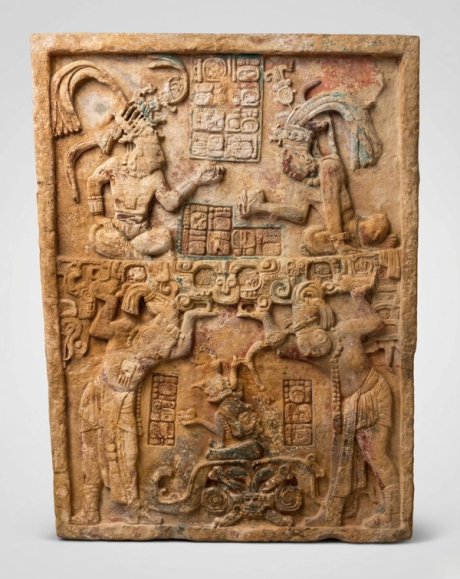
A Maya stone lintel, dating from AD600-AD900 and depicting a ritual scene associated with the ruler Cheleew Chan K'inich, was repatriated to Mexico on April 16 after being turned over to the Mexican consulate in New York by an unnamed US businessman. However, hours after the ceremony, experts determined the lintel actually originated from Guatemala's Petén Basin. Guatemala's cultural ministry, led by minister Luis Méndez Salinas, has formally requested the object's return through diplomatic channels, citing technical analysis and consultations with archaeologists.

national museum of asian art returns sculptures to cambodia

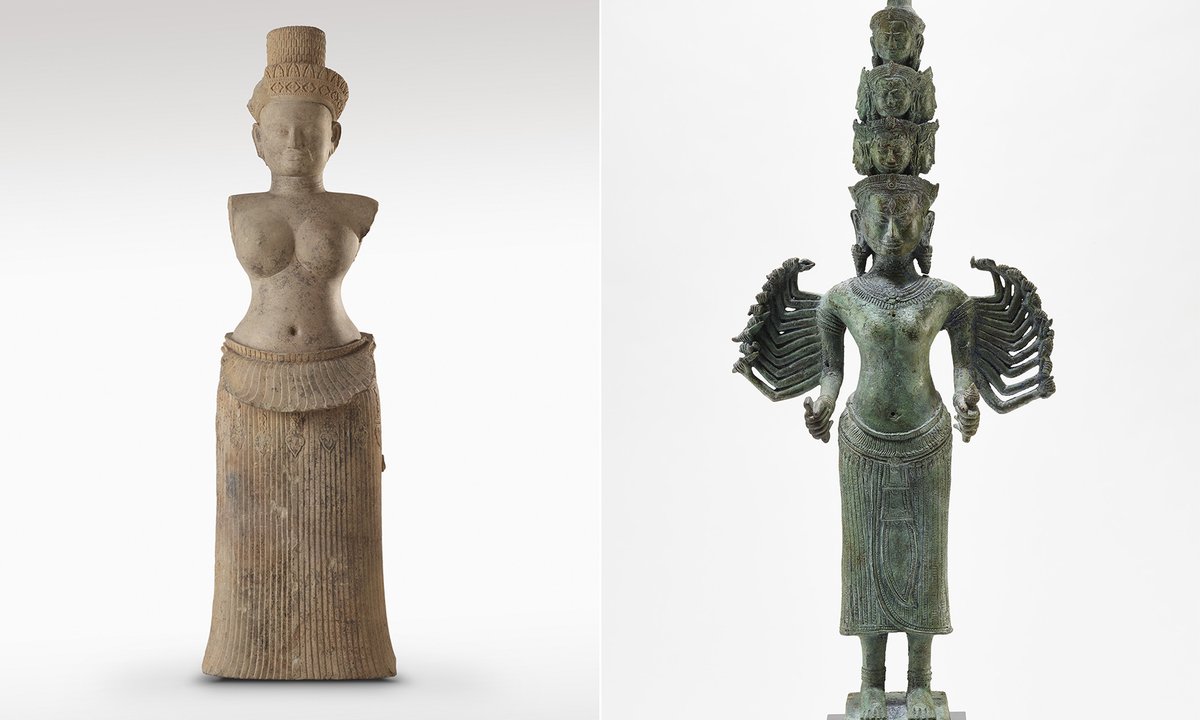
On December 11, the National Museum of Asian Art (NMAA), part of the Smithsonian Institution in Washington, D.C., announced it is returning three Khmer period sculptures to Cambodia. The works—a 10th-century Uma, a 10th-century Harihara, and a circa-1200 Prajnaparamita—were determined to have been likely looted during Cambodia’s civil war (1967–1975), based on research with Cambodian authorities, lack of export documentation, and links to dealers known for trafficking looted antiquities.

Smithsonian’s National Museum of Asian Art returns three sculptures to Cambodia

The Smithsonian’s National Museum of Asian Art (NMAA) in Washington, DC, has voluntarily returned three sculptures to the Cambodian government after an internal provenance investigation determined the objects were likely removed from Cambodia during the country’s civil war (1967-75). The returned artifacts include a tenth-century sandstone head of Harihara, a tenth-century sandstone sculpture of the goddess Uma, and a bronze statue of Prajnaparamita from around 1200. The museum’s director, Chase F. Robinson, stated that strong evidence linked the pieces to problematic dealers and a context of war and violence, and that no documentation supported their lawful export. The objects were donated to the NMAA by Arthur M. Sackler and Gilbert and Ann Kinney without proper provenance papers.

legal conflict aicon brothers escalated assault accusations

A legal dispute between brothers Prajit and Projjal Dutta over the branding of their respective New York galleries has escalated into allegations of physical violence. Harry Hutchison, a director at Aicon Art, filed a complaint alleging he was severely injured after being assaulted by Projjal Dutta at their shared Great Jones Street business premises in April 2024. Projjal Dutta has countered these claims, asserting he acted in self-defense after being shoved by Hutchison and accusing Hutchison of filing false police reports.