filter_list Showing 7 results for "STALL" close Clear
search
dashboard All 3015 museum exhibitions 2135article local 226article news 220article culture 119rate_review review 98person people 76trending_up market 75article policy 37candle obituary 19gavel restitution 7article events 2article event 1
date_range Range Today This Week This Month All
Subscribe

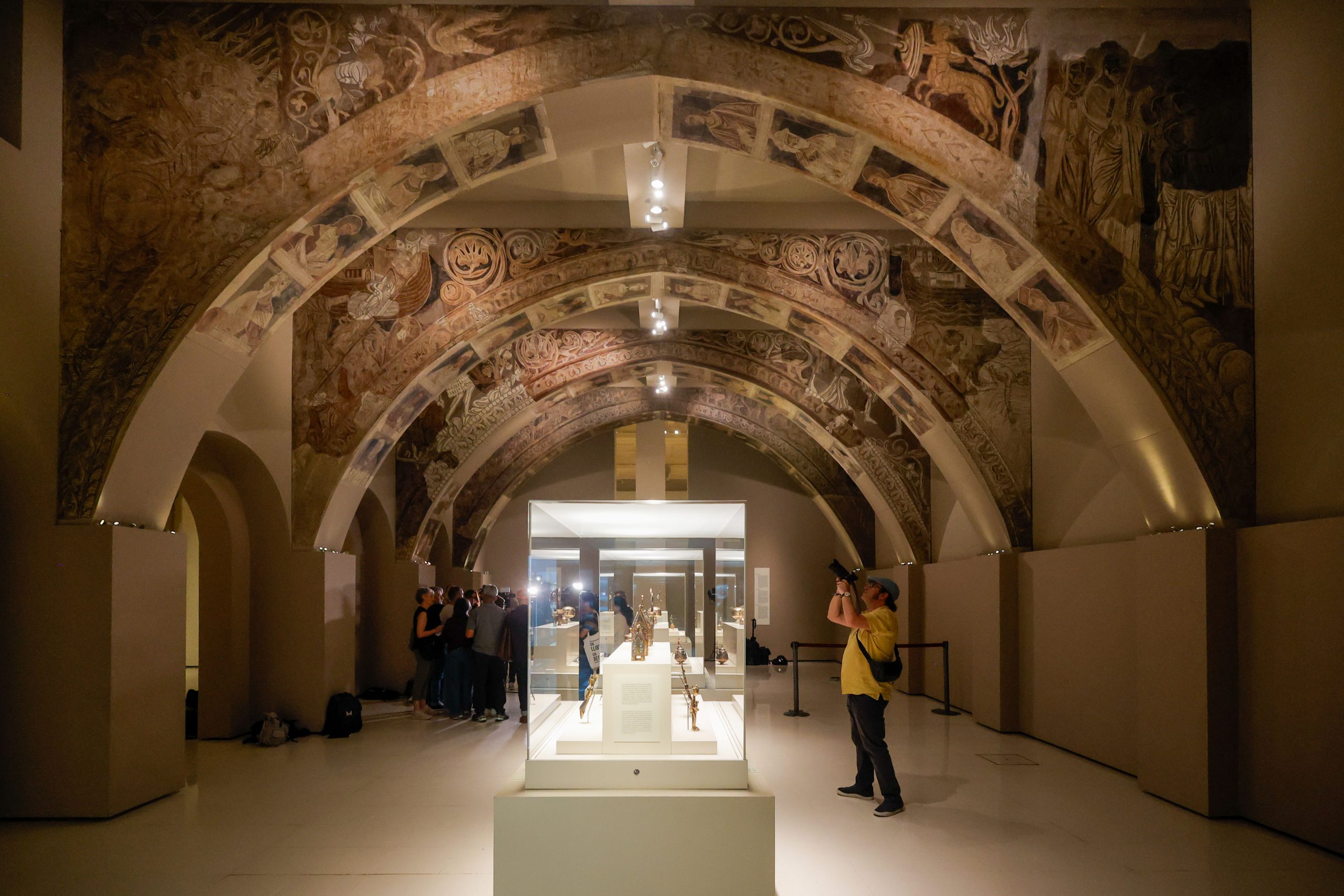
is spains sistine chapel of romanesque art at risk

The Spanish Supreme Court has ordered the return of the Sijena Murals, 12th-century Romanesque frescoes known as the "Sistine Chapel of Romanesque Art," from the National Art Museum of Catalonia (MNAC) in Barcelona to their original monastery in Huesca, Aragon, by June 25. However, the MNAC is resisting the move, arguing that transporting the fragile, fire-damaged murals poses a "real risk of irreparable damage." The museum has requested more information about the destination and conditions at the Sijena monastery, and has suggested a longer timeline for the return of particularly delicate sections, while the Sijena City Council has proposed installing the works elsewhere if necessary.
No, the courts have not cleared the way for contemporary stained-glass windows at Notre-Dame

Non, la justice n'a pas laissé la voie libre aux vitraux contemporains de Notre-Dame

The article clarifies that legal challenges against installing contemporary stained-glass windows in Notre-Dame Cathedral are still ongoing, contrary to misleading headlines. Two judicial procedures remain active: an appeal by the heritage association Sites & Monuments after losing a first-instance ruling on procedural grounds, and a separate case contesting the legitimacy of the works themselves. Although an emergency injunction was denied because the judge found no urgency, the core legal arguments—that replacing Viollet-le-Duc's windows is not conservation or restoration—remain strong. The author warns that if the windows are installed before the appeals are resolved, they may later have to be removed at great expense.

italian politicians protest return of altarpiece slovenia

A 16th-century altarpiece by Vittore Carpaccio, *Madonna and Child Enthroned with Six Saints* (1518), has been returned to the Slovenian town of Piran, where it was originally commissioned for the Church of St. Francis of Assisi. The painting was removed in 1940 and placed in Padua for safekeeping during World War II, remaining in the Basilica of Sant’Antonio for decades. Following pressure from Franciscan friars in Padua, the work was quietly transferred back to Piran on September 4, days before Italian President Sergio Mattarella’s state visit to Slovenia. Slovenian Culture Minister Asta Vrečko hailed the return as the result of long-standing efforts.

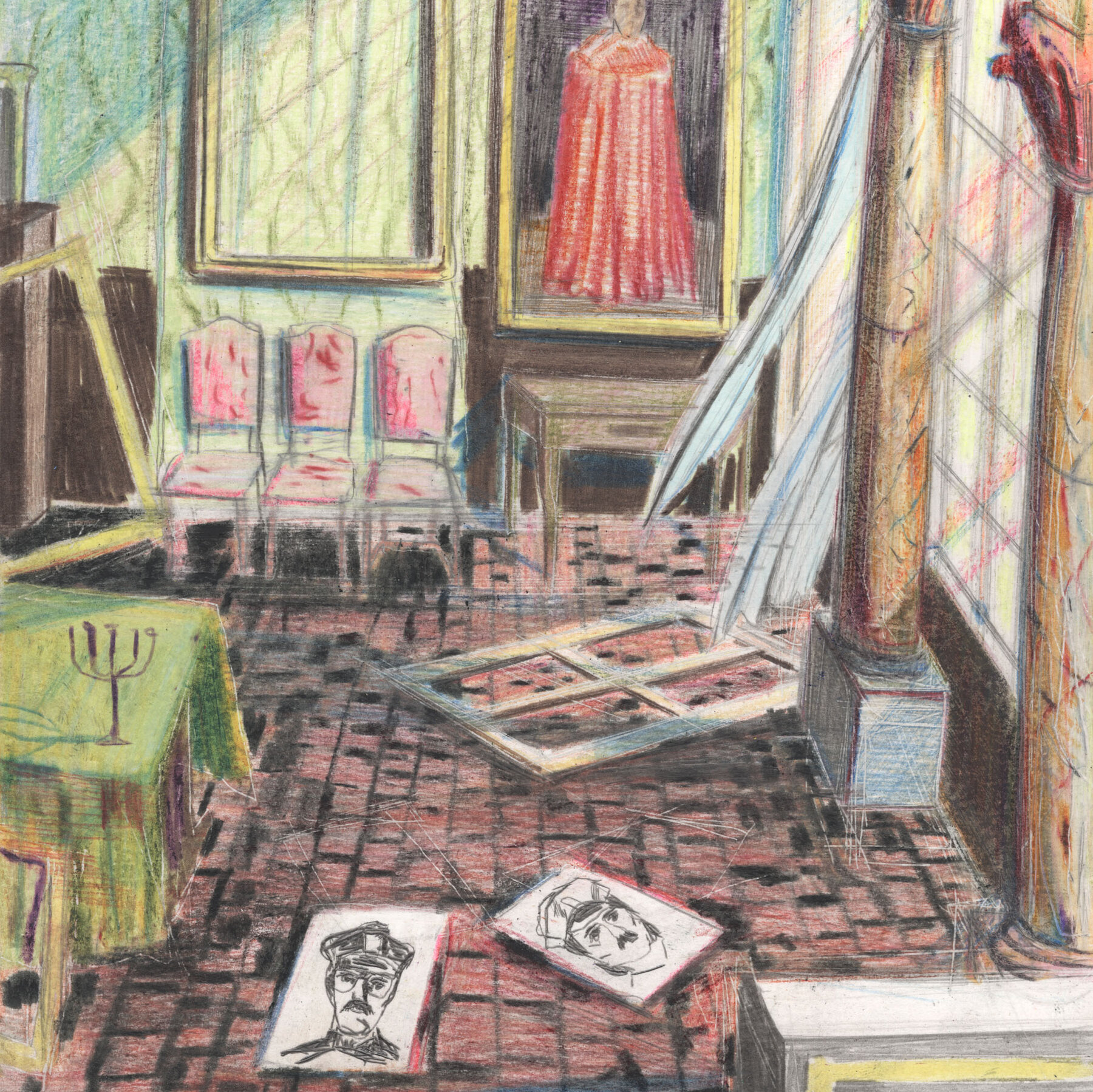
Got an Idea About Who Robbed the Gardner Museum? Get in Line.

The 1990 theft of 13 artworks from Boston's Isabella Stewart Gardner Museum remains unsolved, generating countless theories about the perpetrators. A new book by the former FBI agent who led the investigation for over a decade systematically debunks many prominent public theories, arguing they distract from the actual investigation.

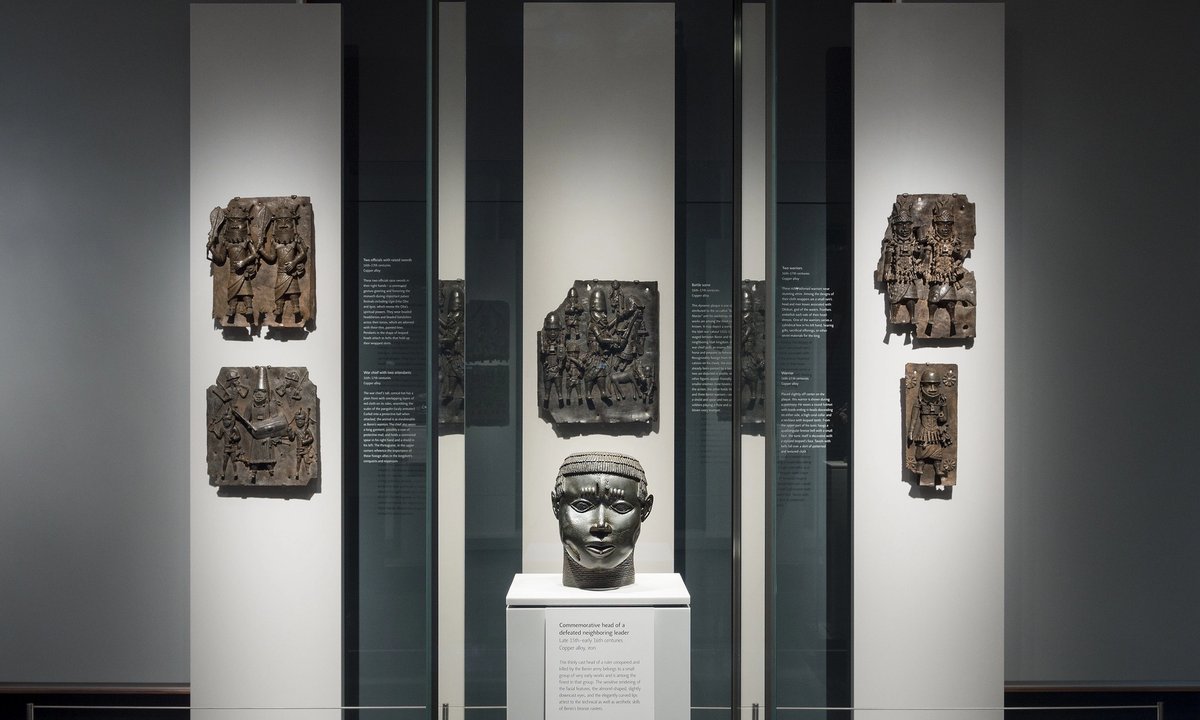
MFA Boston to return Benin Bronzes to wealthy donor, close gallery

The Museum of Fine Arts (MFA), Boston will close its Benin Kingdom Gallery on April 28, and most of the Benin Bronzes displayed there will not be repatriated to Nigeria. Instead, all but five of the 34 objects will be returned to their donor, filmmaker and banking heir Robert Owen Lehman, who rescinded his 2008 gift after stalled negotiations with the museum. The MFA had sought to acquire full ownership of the works to ensure their display, but Lehman asked for them back. The five bronzes the museum does own will remain in its collection and be shown in its Art of Africa Gallery starting in June.

Berlin Museum to Return Almost 600 Skulls

Berliner Museum will fast 600 Schädel zurückgeben

The Prussian Cultural Heritage Foundation in Berlin has announced plans to repatriate hundreds of human skulls to West African nations following a multi-year provenance investigation. The research identified the origins of 574 skulls, with 336 linked to present-day Cameroon, 151 to Togo, 23 to Ghana, and one to Nigeria, while 63 could not be precisely located. The skulls were part of a historical anthropological collection transferred from Berlin's Charité university hospital in 2011.

Man who pocketed tiles from medieval priory as boy returns them 60 years later

Simon White, now 68, returned three fragments of medieval clay tiles he took as a nine-year-old from Wenlock Priory in Shropshire during a family outing in the late 1960s. The tiles, dating from the late 13th to early 14th century, were discovered in an old toffee tin during a house move. White contacted English Heritage, which confirmed the provenance using family diaries and historical analysis. One fragment features a previously unknown dragon motif, exciting medievalists.