filter_list Showing 28 results for "Two" close Clear
dashboard All 1401 museum exhibitions 711article local 257article news 114trending_up market 96article culture 87article policy 34person people 32gavel restitution 28rate_review review 22candle obituary 14article event 5article events 1
date_range Range Today This Week This Month All
Subscribe

France Passes Landmark Restitution Law for Looted Art

France has passed a landmark restitution law for looted art, marking a significant shift in the country's approach to addressing Nazi-era confiscations and colonial-era acquisitions. The legislation establishes a legal framework for returning artworks and cultural objects to their rightful owners or heirs, streamlining a process that previously required case-by-case parliamentary approval. This law is expected to accelerate the return of thousands of items held in French museums and public collections.

Art Publisher Owes $102.2 Million in Damages for Late Robert Indiana Works

A Manhattan jury has ordered art publisher Michael McKenzie to pay $102.2 million in damages for creating unauthorized or adulterated versions of works by the late Pop artist Robert Indiana. The lawsuit, brought by Indiana’s former business partner the Morgan Art Foundation, alleged that McKenzie produced Indiana-related junk products that infringed trademark and copyright, including reproductions of Indiana’s iconic “LOVE” design and the artworks *The Ninth American Dream* (2001) and *USA FUN* (1965). The jury found McKenzie liable for exploiting Indiana in the final years of his life, after the artist granted power of attorney to his caretaker, Jamie Thomas.

A Lucas Cranach the Elder Masterpiece Once Hung in Hitler’s Munich Apartment

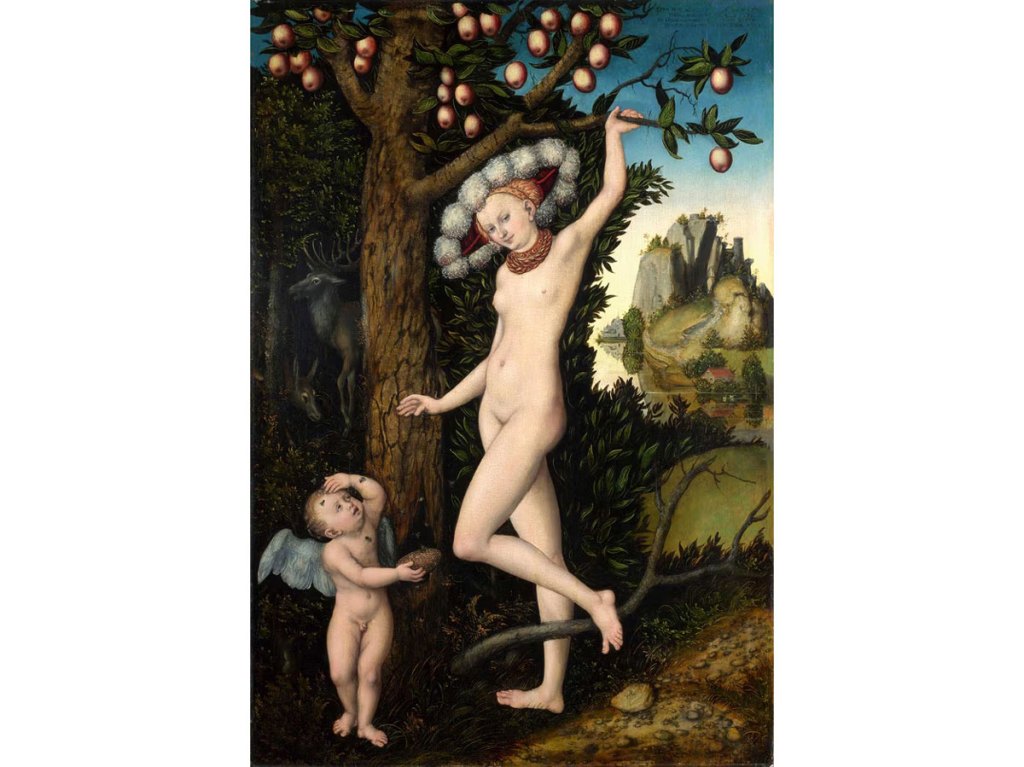
A Lucas Cranach the Elder painting, *Cupid complaining to Venus* (1526–27), once hung in Adolf Hitler's Munich apartment, according to a report by the Art Newspaper. The work was identified in a 1940s photograph published in a 1978 furniture catalog and later in a 2023 article by art historian Birgit Schwarz, who confirmed Hitler's ownership via a 2006 discovery of an album at the Library of Congress. After World War II, American journalist Patricia Lochridge took the painting from a warehouse in Berchtesgaden and smuggled it to the US. The National Gallery in London acquired it in 1963 from A. Silberman Galleries, which falsely claimed it came from the 1909 auction buyer's heir; it had actually been purchased from Lochridge.

Judge Orders Prado to Hold Disputed Velázquez Painting in Divorce Case

A Spanish judge has ordered the Museo del Prado in Madrid to take custody of a painting attributed to Diego Velázquez, which is at the center of a divorce dispute between steel magnate José María Aristrain and his ex-wife Gema Navarro. The work, a portrait of Philip IV linked to Velázquez’s early years in Madrid, was removed from Aristrain’s residence on March 17 and transferred to the Prado’s storage after Navarro filed a complaint alleging it had been wrongly withheld from her. The Ministry of Culture, acting with court and prosecutorial support, designated the museum as custodian until ownership is resolved. The painting had previously surfaced at auction, failing to sell in 2007 amid attribution doubts, before being acquired by Navarro in 2015 for €878,000.

Portrait looted by Nazis found in home of Dutch SS leader’s family

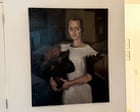
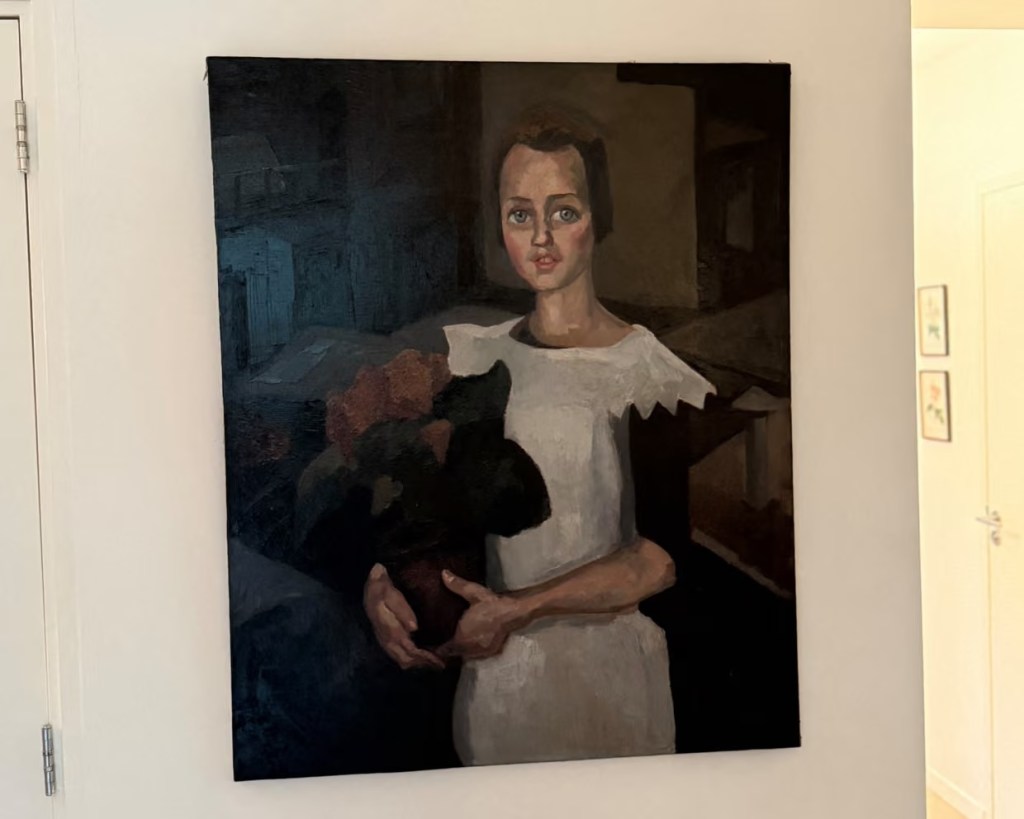
An artwork looted by the Nazis from the renowned Goudstikker collection has resurfaced in the home of descendants of Hendrik Seyffardt, a notorious Dutch SS collaborator. The painting, *Portrait of a Young Girl* by Toon Kelder, was discovered by art detective Arthur Brand after a family member contacted him, revealing that the piece had hung for decades in the home of Seyffardt’s granddaughter. Brand traced the painting to a 1940 auction where part of the looted Goudstikker collection was sold, and lawyers for the Goudstikker heirs have confirmed the work was stolen and called for its return.

France reckons with Nazi-looted art in a new Paris museum gallery

France has opened a new permanent gallery at the Musée d'Orsay in Paris dedicated to displaying Nazi-looted artworks that remain unclaimed. The gallery features 13 works from the MNR (Musées Nationaux Récupération) collection, including a painting by Alfred Stevens originally destined for Hitler's planned museum in Linz. The display is the first in the museum's history to show the backs of paintings, revealing stamps, labels, and inventory marks that trace how each piece moved from private Jewish homes into Nazi hands. The museum also launched its first research unit to trace rightful heirs, led by Ines Rotermund-Reynard.

NYC Mayor Zohran Mamdani Calls on King Charles to Return Treasured Diamond to India

New York City Mayor Zohran Mamdani publicly called on King Charles III to return the Koh-i-Noor Diamond to India during the British monarch's visit to New York City on Wednesday. Speaking at a press conference before a 9/11 commemoration ceremony, Mamdani said he would encourage the King to return the diamond, which was given to Queen Victoria in 1850 after Britain's colonial governor-general arranged its exchange from a deposed Indian leader. The two leaders later met at the ceremony, but Buckingham Palace declined to comment on the discussion.

Turkey Notches Another Successful Restitution After Denver Art Museum Returns 1500-Year-Old Marble Head

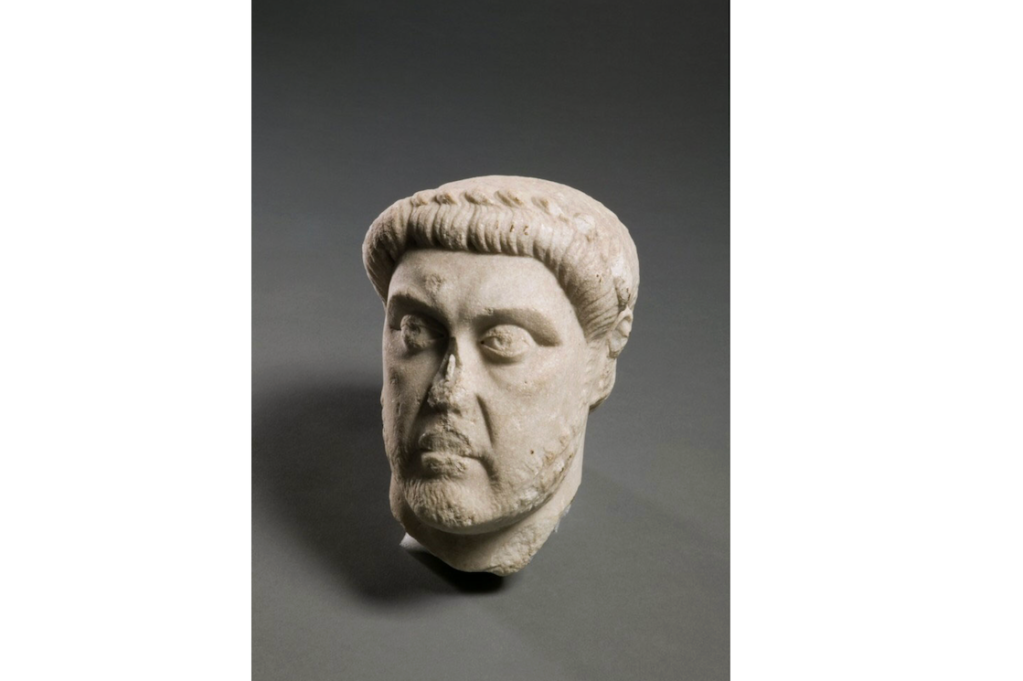
The Denver Art Museum has repatriated a 1,500-year-old marble head of a bearded man to Turkey, following a successful restitution claim. The sculpture, which dates back to the fifth century BCE, was originally unearthed in the agora of the ancient city of Smyrna (modern-day Izmir) and was likely trafficked illicitly before entering the museum's collection. The artifact is now on public display at the İzmir Archaeology Museum.

Malaysia Showcases Recovered 1MDB Artworks, From Picasso to Miró

Four artworks recovered from the 1MDB scandal—by Picasso, Miró, Balthus, and Maurice Utrillo—have gone on public display for the first time at the Malaysian Anti-Corruption Commission headquarters in Putrajaya. The paintings were repatriated from New York after being traced through Sotheby’s and shipped back to Malaysia on April 14. They are part of a broader art trail linked to the massive financial fraud, with Malaysian officials framing the display as an act of restitution rather than an art event.

David Nahmad maintains that his Modigliani was not looted by the Nazis

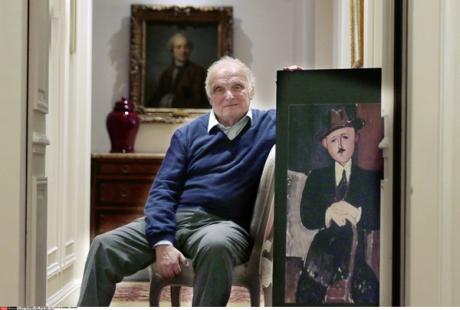
David Nahmad is continuing his legal battle to prove that his Modigliani painting, *Seated Man with a Cane* (1918), was not looted by the Nazis from the Jewish dealer Oscar Stettiner. Despite a recent New York ruling against him, Nahmad’s lawyers have filed a motion to review the case based on new eyewitness testimony. Two witnesses claim the painting they saw in the Van der Klip family—which bought the Nazi-looted work in 1944—is completely different from Nahmad’s painting, lacking a seated man or a cane. Nahmad’s legal team also cites a 1946 French bailiff report and a recent catalogue raisonné by Marc Restellini to argue that Mondex, the restitution firm working for Stettiner’s heirs, misidentified the work.

In This Nazi-Era Restitution Dispute, the Focus Turns to a Missing Cow

A family is seeking restitution of a painting they believe is a lost Rubens work, looted by Nazis during World War II. However, an expert has cast doubt on the claim, arguing the painting is a copy because it lacks a distinctive detail found in the original: a urinating cow. The dispute has shifted focus to this missing element, complicating the family's efforts to recover the artwork.

Musée d’Orsay displays Renoir and Degas works looted by Nazis

The Musée d’Orsay in Paris has opened a new gallery dedicated exclusively to artworks suspected of being looted or forcibly sold during the Nazi occupation of France. Among the 13 works on display is Edgar Degas's *Dinner at the Ball* (1919), originally owned by Jewish collector Fernand Ochsé, who was deported to Auschwitz with his wife in 1941. The painting passed through multiple hands before being identified as one of over 100,000 artworks plundered by the Nazis. The museum has assembled a team of six provenance researchers to spend three years tracing the original owners of these works, which are part of the "MNR" (Musées nationaux récupération) collection—some 2,200 pieces deemed too important to sell but whose owners remain unknown.

Where are the Louvre Jewels?

Wo sind die Louvre-Juwelen?

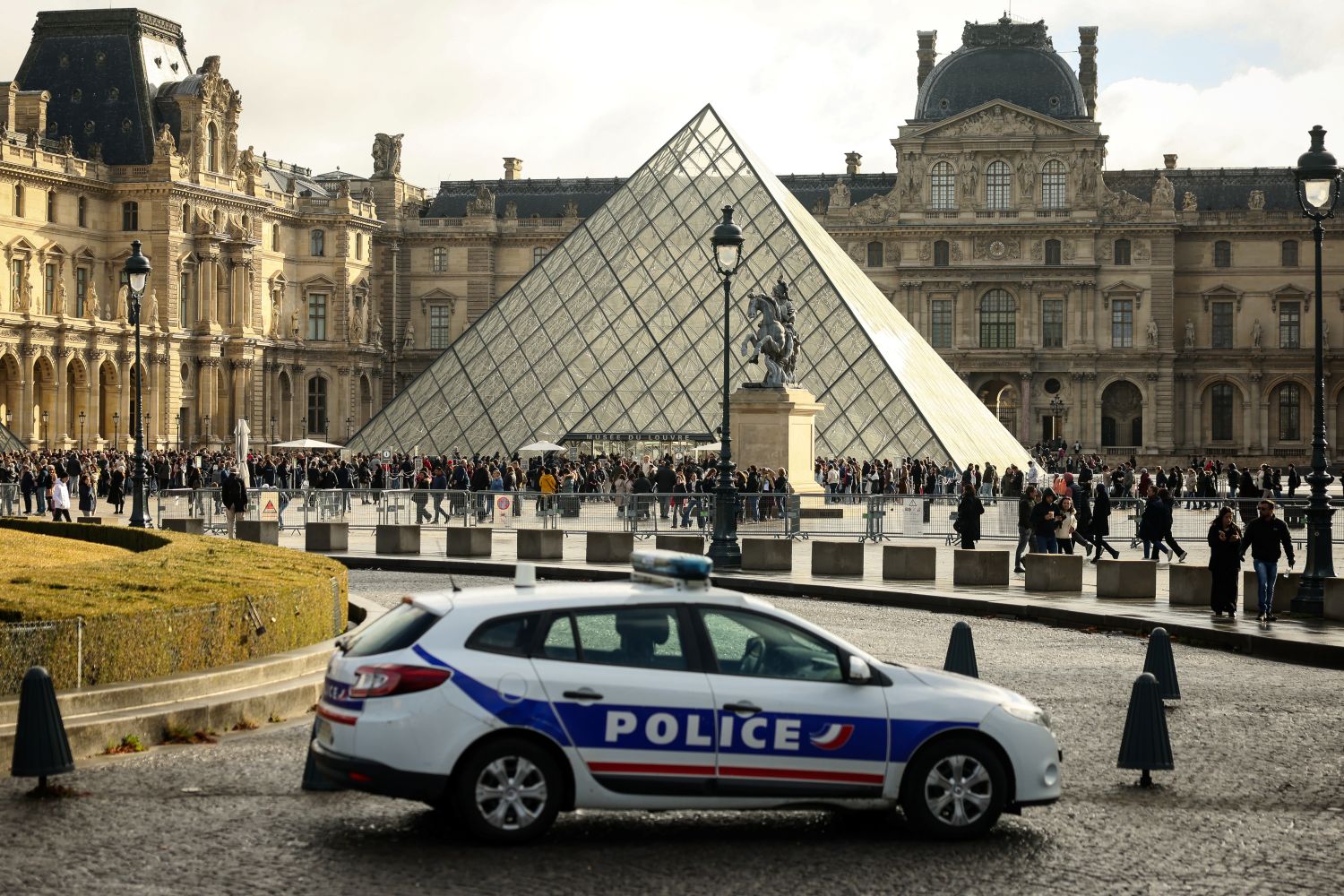
Six months after a high-profile heist at the Louvre, investigators remain in pursuit of stolen jewelry valued at approximately €88 million. While four suspects are currently in custody, the bulk of the Second Empire-era treasures remains missing, leading to fears that the pieces may have been dismantled or melted down. The investigation has shifted focus toward how the thieves obtained a sensitive 2018 security audit that detailed vulnerabilities in the museum's defenses.

Fake Warhol, Haring and Banksy works seized in Italy

Des faux Warhol, Haring et Banksy saisis en Italie

Italian authorities have seized 143 counterfeit artworks attributed to Andy Warhol, Keith Haring, and Banksy. The works were on display in the exhibition "Pop to Street Art: Influences" in Reggio Calabria, Italy, and were provided on loan by a Belgian company. The carabinieri, in a transnational investigation extending to Liège, Belgium, identified the operation as part of a larger forgery network known as "Operation Cariatide." Eleven works remain under expert examination.

Nazi-Looted Portrait Surfaces in Home of Descendants of Dutch SS Leader

A Nazi-looted painting, *Portrait of a Young Girl* by Dutch artist Toon Kelder, has been discovered in the home of descendants of Hendrik Seyffardt, a Dutch SS collaborator who aided the Nazis during World War II. The work, stolen from the renowned Goudstikker collection, was allegedly displayed for decades by Seyffardt's family. An anonymous descendant contacted art detective Arthur Brand after learning of his family's past and seeing the painting in the hallway of Seyffardt's granddaughter. The family member told Dutch newspaper *De Telegraaf* that he feels "deep shame" and insists the painting must be returned to the Jewish rightful heirs.

Who Owns These Artworks? Musée d’Orsay Hopes Visitors Can Help Find Out.

The Musée d’Orsay in Paris has opened a new room in its permanent display featuring 13 artworks recovered from Germany and Austria after World War II, whose provenance remains unknown. The museum is inviting visitors to help identify the original owners of these pieces, which were looted or displaced during the war and later restituted to France.

London’s Wellcome Collection to Transfer 2,000 Manuscripts to Jain Community, But They Will Stay in UK

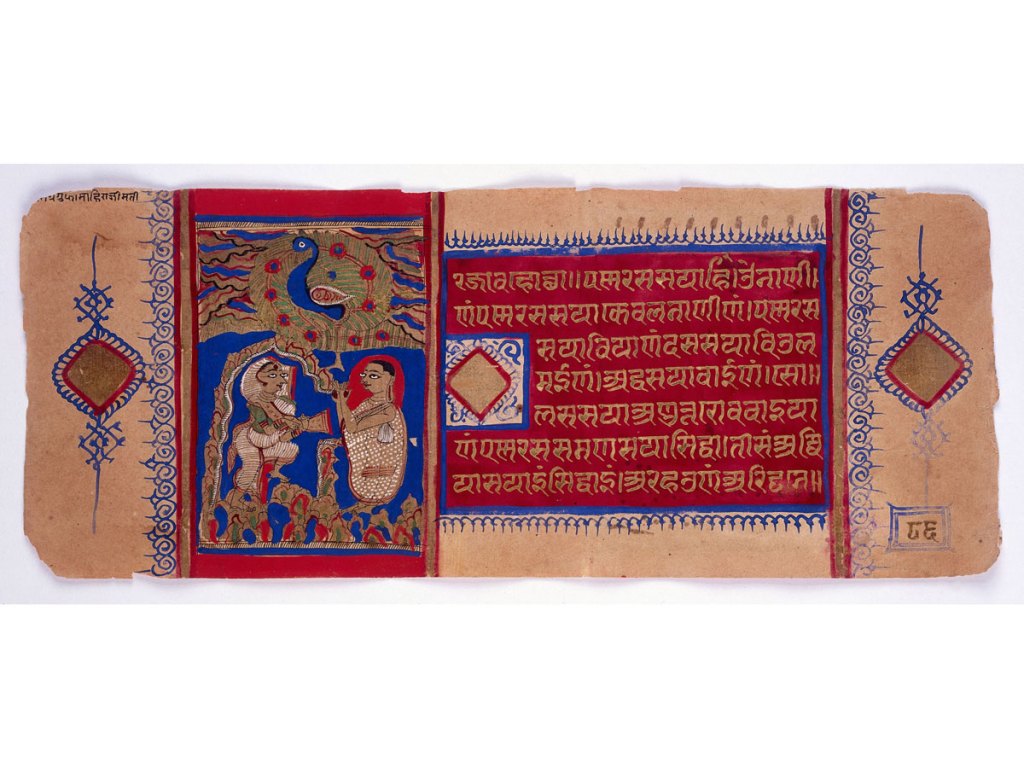
The Wellcome Collection in London has announced plans to transfer 2,000 Jain manuscripts to the Jain community, but they will remain in the UK at the University of Birmingham’s Dharmanath Network in Jain Studies. The manuscripts, ranging from the 15th to 19th centuries, were largely purchased in 1919 from a temple in India and from sources in present-day Pakistan. The transfer follows years of dialogue with the UK-based Institute of Jainology and aims to maximize community access and research opportunities.

Manhattan D.A.’s Office Returns More Than 650 Looted Artifacts to India

On April 28, Manhattan District Attorney Alvin L. Bragg, Jr., announced the return of 657 trafficked antiquities valued at nearly $14 million to India. The items were recovered by the D.A.'s Antiquities Trafficking Unit and Homeland Security Investigations, and formally returned at a ceremony in New York. Among the repatriated pieces are a bronze figure of Avalokiteshvara (valued at $2 million), stolen from the Mahant Ghasidas Memorial Museum in Raipur in 1982; a red sandstone Buddha statue (valued at $7.5 million) smuggled by convicted dealer Subhash Kapoor; and a sandstone Ganesha sculpture looted by trafficker Vaman Ghiya and sold through Christie's by Nancy Wiener, who was later convicted of antiquities trafficking.

U.S. Returns Hundreds of Looted Antiquities to Italy

U.S. officials formally returned 337 looted antiquities, archival materials, and artworks to Italy during a ceremony at Rome’s La Marmora barracks. The objects, spanning from the Villanovan era (900–700 B.C.E.) through the Hellenistic period (323–31 B.C.E.), include Etruscan, Greek, Italic, and Egyptian artifacts. The repatriation was coordinated by Italy’s Carabinieri Command for the Protection of Cultural Heritage, the U.S. Federal Bureau of Investigation, the Department of Homeland Security, and the office of Manhattan District Attorney Alvin Bragg Jr. Key items include a marble head of Alexander the Great, a bronze sculpture from Herculaneum, and Egyptian basalt sculptures. Some 221 objects were recovered via the Manhattan DA, while the remaining 116 were secured with help from Christie’s.

Dutch Commission Recommends New Guardianship for ‘Orphaned’ Nazi-Looted Art

A Dutch government-appointed committee has proposed transferring guardianship of thousands of unclaimed Nazi-looted artworks from a state agency to a Jewish foundation, preferably housed at the Jewish Museum in Amsterdam. The plan includes funding for exhibitions and explanatory labels to publicly display the so-called "orphaned" art from the Netherlands Art Property Collection.

US Returns 337 Looted Objects to Italy in Repatriation Effort

The United States officially returned 337 looted antiquities to Italy at a ceremony held at La Marmora barracks in Rome. Of these, 221 objects were repatriated through the Manhattan District Attorney’s Office, while the remaining 116 were recovered on April 10, 2026, via joint efforts by the FBI, Homeland Security Investigations, the District Attorney’s Office, and Christie’s New York auction house. The objects span from the Villanovan era (900–700 BCE) to the Hellenistic period (323–31 BCE) and include a 1st-century CE marble head of Alexander the Great, a bronze sculpture from Herculaneum, and two Egyptian basalt sculptures.

Catalonia Sues Aragón for €791,000 for Repayment Over Restitution of 56 Artworks

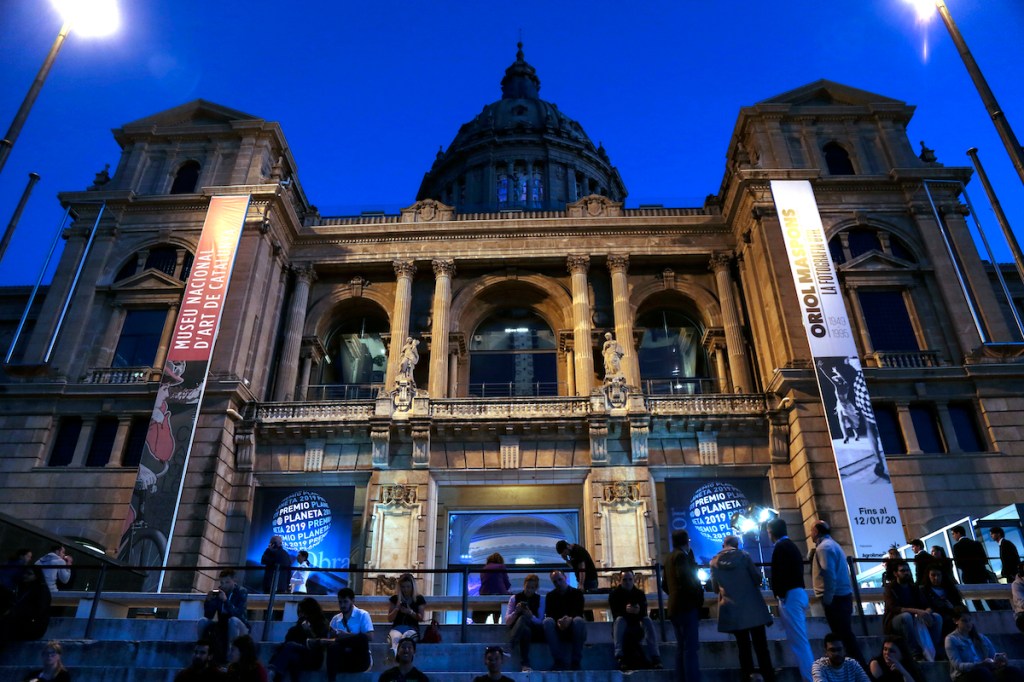
The Catalan government has formally demanded €791,000 (approximately $920,000) from the Aragonese government to recoup costs related to the value and upkeep of 56 artworks from the Royal Monastery of Santa María de Sigena. The works were removed from the monastery in 1936 for safekeeping during the Spanish Civil War, and Spain's Supreme Court ruled in 2021 that they must be returned to Aragón. Of the 56 pieces, 12 were held at the National Art Museum of Catalonia and 44 at the Diocesan Museum of Lleida. The Catalan government has given Aragón 30 days to negotiate a settlement before returning to court.

Les États-Unis restituent près de 300 biens culturels à l’Italie

Italy presented 337 cultural artifacts repatriated from the United States at the Caserma "La Marmora" in Rome, following operations between December 2025 and April 2026. The objects span from the 5th century BCE to the 3rd century CE, including Roman sculptures, bronze works, pottery, jewelry, coins, and architectural fragments. Among the notable pieces is a marble head attributed to Alexander the Great, stolen from a Roman museum in 1960, and a bronze sculpture looted from Herculaneum. The recovery involved the Manhattan District Attorney's office, the FBI, Homeland Security Investigations, and Christie's New York, with 221 items seized through the DA's collaboration and 116 returned in April.

337 œuvres et objets volés récupérés : la vaste opération italienne de lutte contre le trafic de biens culturels aux États-Unis

On April 29, Italy's carabinieri dedicated to cultural heritage protection announced the recovery of 337 looted or stolen artworks and objects repatriated from the United States between December 2025 and April 2026. The haul includes archaeological artifacts, archival documents, and other artworks, such as a marble head of Alexander the Great from the 1st century AD, a bronze sculpture stolen from Herculaneum, and two Egyptian basalt sculptures. The objects were dispersed through international markets using forged provenance documents, and their return involved U.S. agencies including the FBI.

France Passes Law Easing Process of Returning Looted Art

France has passed a new law that simplifies the process of returning looted art and cultural artifacts to their countries of origin. The legislation, championed by President Emmanuel Macron, is seen as a major step in addressing colonial-era acquisitions, particularly for African artworks held in French museums. Experts describe the law as a seismic shift in restitution policy, enabling faster and more systematic returns without requiring individual parliamentary approvals for each item.

U.S. and Italy Honor Alliance to Curb Art Looting, Amid Broader Tensions

Officials from the United States and Italy gathered near dozens of repatriated artifacts to celebrate their ongoing alliance against art looting, which has resulted in the return of thousands of artworks to Italy. The event highlighted collaborative efforts between the two nations to curb the illegal trafficking of cultural property, even as broader diplomatic tensions persist.

Dutch Panel Designs Plan to Deal With ‘Orphaned’ Nazi-Looted Art

A Dutch advisory panel has recommended the creation of a new independent Jewish foundation to manage a vast collection of artworks looted by the Nazis that remain unclaimed. The collection, known as the NK collection, consists of over 3,000 objects currently held by the Dutch state, but whose original owners or heirs have not been identified.

Bavarian State Police Return Saint Figures to the Czech Republic

LKA gibt Heiligenfiguren an Tschechien zurück

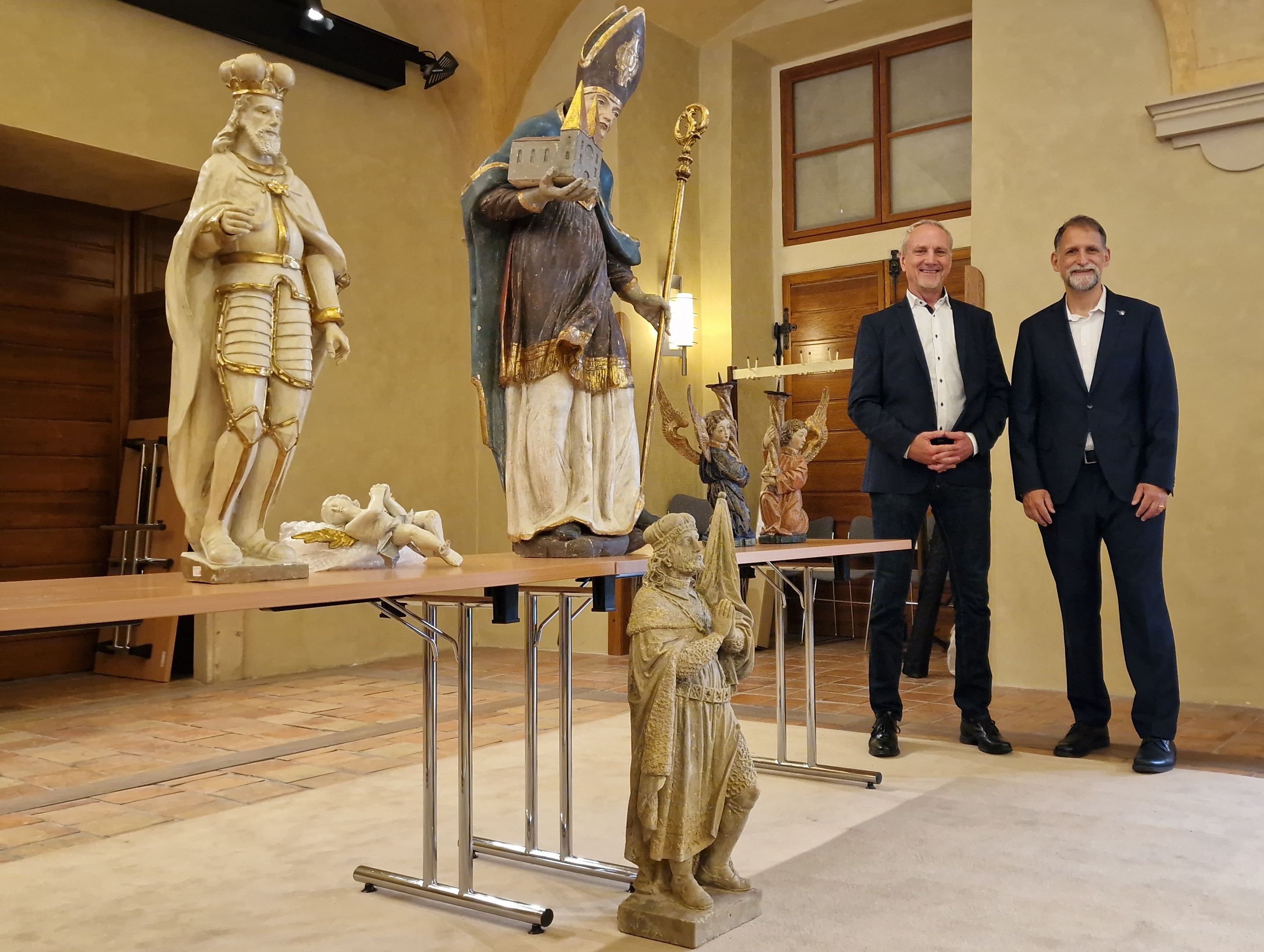
Bavarian state police (LKA) have returned five stolen religious sculptures—saints and angel figures—to Czech authorities. The artworks, some dating back centuries, were stolen from Czech churches as early as 1993 and later offered for online sale in Bavaria and Berlin. The handover ceremony took place in Prague, coordinated with Germany's Federal Government Commissioner for Culture and Media (BKM).