
filter_list Showing 3 results for "VOICES" close Clear
search
dashboard All 1035 museum exhibitions 677article local 150article news 58person people 42article culture 38trending_up market 25article policy 21rate_review review 15candle obituary 6gavel restitution 3
date_range Range Today This Week This Month All
Subscribe

strongan african artist collective calls museums rectify their debt plantation workers seven easy steps strong

The Congolese Plantation Workers Art League (CATPC), an artist collective based at a plantation in the Democratic Republic of Congo, has released a toolkit titled "Seven Easy Steps for Museums to Liberate the Plantations that Funded Them." The toolkit urges major museums—including London's Tate Britain, Cologne's Ludwig Museum, the Stedelijk Museum in Amsterdam, and the Van Abbemuseum in Eindhoven—to acknowledge and rectify their historical reliance on plantation wealth and exploited labor. CATPC presented the toolkit at a restitution conference at the Wereldmuseum in Amsterdam, organized with the Mondriaan Fund. The collective, founded in 2014, creates art from chocolate and has exhibited internationally, including at the 2024 Venice Biennale and the 2017 Armory Show.

open restitution africa research organization profile

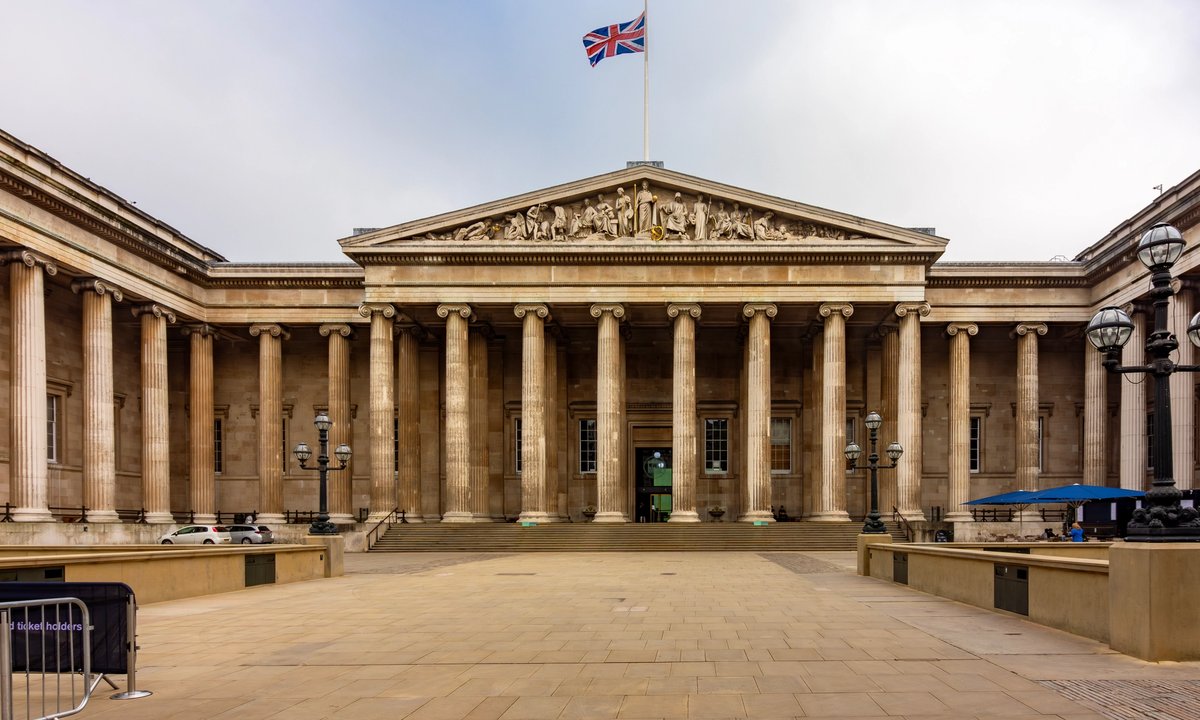
Open Restitution Africa (ORA), an African-led research organization, has compiled case studies including the Ngadji drum, a sacred instrument confiscated from Kenya's Pokomo people by British colonial officers in 1902 and now held by the British Museum. With a $600,000 grant from the Mellon Foundation, ORA provided microgrants to scholars like William Mutta Tsaka of the National Museums of Kenya, who documented the drum's cultural significance and the community's ongoing struggle for repatriation. The project aims to fund independent researchers and community activists across Africa, covering fieldwork costs often neglected by larger provenance grants.

Mummies and other human remains held in UK museums raise serious ethical questions, warn scholars

A major investigation has revealed that UK museums, universities, and local authorities hold more than 263,000 human remains, including mummies, skeletons, and skulls. Of these, approximately 37,000 originate from overseas, largely from former British colonies, often acquired without consent. The findings have sparked intense criticism from scholars and curators who argue that the sheer scale of these collections reflects a distressing colonial legacy and necessitates a systemic shift toward repatriation and more ethical storage practices.